الطوطم والحرام book pdf download

Date of Coming : 2022-08-10
Section : psychology
Size of file : 4.83MB
Language : Arabic
book quality : Good
Department : Social sciences
Auther : Sigmund Freud
Number of Pages : 218

Author: Sigmund Freud

About the Author: He is an Austrian doctor of Jewish origin, who specialized in studying neuroscience and a free thinker. It considered the founder of psychoanalysis. His real name was Sigismund Shlomo Freud (May 6, 1856 – September 23, 1939), an Austrian neurologist who founded the school of psychoanalysis and modern psychology. Freud is best known for his theories of the mind and the unconscious, the defense mechanism of repression and for creating the clinical practice of psychoanalysis for the treatment of mental illness through dialogue between a patient and a psychoanalyst. He is also known for his technique of redefining sexual desire and the primary motivational energy of human life, as well as for therapeutic techniques, including the use of the method of association and psychotherapy episodes, his theory of transformation in the therapeutic relationship, and the interpretation of dreams as sources of insight into subconscious desires. While many of Freud’s ideas were bypassed, or modified by neoconservatives and “Freudians” at the end of the twentieth century and with the progress in the field of psychology many flaws began to appear in many of his theories, yet Freud’s methods and ideas remain important in Histories of clinical and psychodynamic methods are in academia, and his ideas continue to influence some of the humanities and social sciences. Sigmund Freud was born on May 6, 1856, into a Jewish family in Pribor, in the then Moravian region of the Austrian Empire, which is now part of the Czech Republic. His father Jacob gave birth to him when he was 41, a wool merchant, and had two children from a previous marriage. . His mother, Amali (born Nathanson) was the third wife of his father Jacob. Freud was the first of eight siblings, and due to his early intelligence, his parents preferred him to the rest of his brothers in the early stages of his childhood and sacrificed everything to give him a sound education despite the poverty that the family suffered from due to the economic crisis at the time. In 1857, Freud’s father lost his business, and the family moved to Leipzig before settling in Vienna. In 1865 Sigmund entered a prominent school – the Communal Real Gymnasium in the predominantly Jewish district of Leopolstadter – at the time. Freud was an outstanding student and graduated at Matura in 1873 with honors. Freud had planned to study law, but instead joined the Medical Faculty of the University of Vienna to study under Darwinian Professor Karl Claus. At the time, the life of the eel was still unknown, which led Freud to spend four weeks at an Austrian animal research center in Trieste dissecting hundreds of sea eels in an unsuccessful search for their male sexual organs.

الطوطم والحرام book pdf download By Sigmund Freud

في رسالتين إلى إرنست جونز وساندور فيرنزي في سنة 1913 كتب فرويد يقول: “إنني إذ كتب في الوقت الحاضر الطوطم والحرام، يُخالجني شعور بأنه سيكون أهمّ أعمالي وأفضلها وربما آخرها… ومنذ تفسير الأحلام لم أكتب قط شيئاً يمثل هذا الاقتناع وهذا الفرح، ومن ثم أستطيع أن أتنبأ بما سيلقاه هذا البحث من استقبال، عاصفة من الاستنكار…”. ذلك أن الطوطم والحرام، مثله من بعده مثل مستقبل وهم وموسى والتوحيد، يحتلّ مكانه في مشروع فرويد الكبير لنقد العقل الديني، وهو يرسي، فضلاً عن ذلك، مدماكاً أول في سوسيولوجيا جديدة، مبنية على اللاشعور الفردي والجمعي. عن هذا الكتاب الذي يُعيد كتابة التاريخ الديني والجنسي للشعوب البدائية قال كلود ليفي – ستروس: “إنه بلا ريب رواية، لكنها رواية أصدق بمعنى من المعاني مما يُمكن أن تكونه الواقعة التاريخية المحضة”.

Download PDF of الطوطم والحرام book pdf download By Sigmund Freud
-Adrian Agency Library

Download Now

الطوطم والتابو book pdf download

Auther : Sigmund Freud
Language : Arabic
Department : Social sciences
Number of Pages : 194
book quality : Good
Date of Coming : 2022-08-10
Size of file : 2.83MB
Section : psychology

Author: Sigmund Freud

About the Author: He is an Austrian doctor of Jewish origin, who specialized in studying neuroscience and a free thinker. It considered the founder of psychoanalysis. His real name was Sigismund Shlomo Freud (May 6, 1856 – September 23, 1939), an Austrian neurologist who founded the school of psychoanalysis and modern psychology. Freud is best known for his theories of the mind and the unconscious, the defense mechanism of repression and for creating the clinical practice of psychoanalysis for the treatment of mental illness through dialogue between a patient and a psychoanalyst. He is also known for his technique of redefining sexual desire and the primary motivational energy of human life, as well as for therapeutic techniques, including the use of the method of association and psychotherapy episodes, his theory of transformation in the therapeutic relationship, and the interpretation of dreams as sources of insight into subconscious desires. While many of Freud’s ideas were bypassed, or modified by neoconservatives and “Freudians” at the end of the twentieth century and with the progress in the field of psychology many flaws began to appear in many of his theories, yet Freud’s methods and ideas remain important in Histories of clinical and psychodynamic methods are in academia, and his ideas continue to influence some of the humanities and social sciences. Sigmund Freud was born on May 6, 1856, into a Jewish family in Pribor, in the then Moravian region of the Austrian Empire, which is now part of the Czech Republic. His father Jacob gave birth to him when he was 41, a wool merchant, and had two children from a previous marriage. . His mother, Amali (born Nathanson) was the third wife of his father Jacob. Freud was the first of eight siblings, and due to his early intelligence, his parents preferred him to the rest of his brothers in the early stages of his childhood and sacrificed everything to give him a sound education despite the poverty that the family suffered from due to the economic crisis at the time. In 1857, Freud’s father lost his business, and the family moved to Leipzig before settling in Vienna. In 1865 Sigmund entered a prominent school – the Communal Real Gymnasium in the predominantly Jewish district of Leopolstadter – at the time. Freud was an outstanding student and graduated at Matura in 1873 with honors. Freud had planned to study law, but instead joined the Medical Faculty of the University of Vienna to study under Darwinian Professor Karl Claus. At the time, the life of the eel was still unknown, which led Freud to spend four weeks at an Austrian animal research center in Trieste dissecting hundreds of sea eels in an unsuccessful search for their male sexual organs.

الطوطم والتابو book pdf download By Sigmund Freud

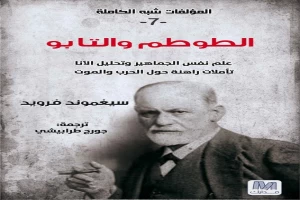
التهيب من سفاح القربى ، التابو وازدواجية الانفعالات العاطفية ، الأرواحية والسحر وطغيان الأفكار ، العودة الطفولية للطوطمية . تلك هي القضايا الأربع التي يتناولها هذا الكتاب الذي ظل هاما جدا بالنسبة لصاحبه : فرويد ، العالم الكببير الذي ندين له باكتشاف الكثير من الحقائق العلمية العظيمة ، مثله مثل داروين أو حتى هيغل ، وهو الذي كان عارم الشعور بأن الأداة الوحيدة التي تكسب الحياة معنى هي العقل ، وأننا بسلاح العقل نستغني عن الأوهام ، ونستقل عن القوى المتسلطة . للمرة الأولى ينقل هذا الكتاب إلى العربية عن النص الألماني الأصلي ، مراجعا وممدققا ، ومزودا بمقدمة ضافية تيسر تناوله ، وتشخص قيمته التاريخية ، فلعل ذلك أن يهم بتلبية الحاجة المضاعفة إلى العقل ، سواء كنا في الاظلامية أم التنويرية.

Download PDF of الطوطم والتابو book pdf download By Sigmund Freud
-Adrian Agency Library

Download Now

مختصر التحليل النفسي book pdf download

Number of Pages : 92
Section : psychology
Department : Social sciences
Date of Coming : 2022-08-10
Size of file : 1.89MB
book quality : Good
Language : Arabic
Auther : Sigmund Freud

Author: Sigmund Freud

About the Author: He is an Austrian doctor of Jewish origin, who specialized in studying neuroscience and a free thinker. It considered the founder of psychoanalysis. His real name was Sigismund Shlomo Freud (May 6, 1856 – September 23, 1939), an Austrian neurologist who founded the school of psychoanalysis and modern psychology. Freud is best known for his theories of the mind and the unconscious, the defense mechanism of repression and for creating the clinical practice of psychoanalysis for the treatment of mental illness through dialogue between a patient and a psychoanalyst. He is also known for his technique of redefining sexual desire and the primary motivational energy of human life, as well as for therapeutic techniques, including the use of the method of association and psychotherapy episodes, his theory of transformation in the therapeutic relationship, and the interpretation of dreams as sources of insight into subconscious desires. While many of Freud’s ideas were bypassed, or modified by neoconservatives and “Freudians” at the end of the twentieth century and with the progress in the field of psychology many flaws began to appear in many of his theories, yet Freud’s methods and ideas remain important in Histories of clinical and psychodynamic methods are in academia, and his ideas continue to influence some of the humanities and social sciences. Sigmund Freud was born on May 6, 1856, into a Jewish family in Pribor, in the then Moravian region of the Austrian Empire, which is now part of the Czech Republic. His father Jacob gave birth to him when he was 41, a wool merchant, and had two children from a previous marriage. . His mother, Amali (born Nathanson) was the third wife of his father Jacob. Freud was the first of eight siblings, and due to his early intelligence, his parents preferred him to the rest of his brothers in the early stages of his childhood and sacrificed everything to give him a sound education despite the poverty that the family suffered from due to the economic crisis at the time. In 1857, Freud’s father lost his business, and the family moved to Leipzig before settling in Vienna. In 1865 Sigmund entered a prominent school – the Communal Real Gymnasium in the predominantly Jewish district of Leopolstadter – at the time. Freud was an outstanding student and graduated at Matura in 1873 with honors. Freud had planned to study law, but instead joined the Medical Faculty of the University of Vienna to study under Darwinian Professor Karl Claus. At the time, the life of the eel was still unknown, which led Freud to spend four weeks at an Austrian animal research center in Trieste dissecting hundreds of sea eels in an unsuccessful search for their male sexual organs.

مختصر التحليل النفسي book pdf download By Sigmund Freud

توطئة: الهدف من هذا المؤلف المتقتضب جمع مذاهب التحليل النفسي لعرضها عرضًا تقريريًا إن جاز القول، في أوضح شكل ممكن وأكثره تركيزًا. ولم نرم قط بعملنا هذا إلى كسب ثقة أو انتزاع اقتناع. إن تعاليم التحليل النفسي تنهض على عدد لا يقع تحت حصر من المشاهدات والتجارب، ومن لم يتحقق في نفسه أو لدى الآخرين من هذه المشاهدات لا يملك أن يصدر عليها حكمًا مستقلًا. مختصر التحليل النفسي بدأه فرويد في تموز ١٩٣٨ في منفاه بلندن، ولكنه لم يتمه إذ حضرته الوفاة في ٢٣ أيلول ١٩٣٩. ولم يتخط المؤلف القسم الثالث، وإننا لنجهل ما كانت مقاصده بصدد تتمة الكتابب. كذلك فإن الفصل الثالث، خلافًا لسائر فصول الكتاب، كتب بأسلوب مختصر، فكان على اللجنة المشرفة على طبع مؤلفات فرويد الكاملة أن تعيد بناء عدد كبير من الجمل. أما عنوان القسم الأول فقد أخذ عن نسخة لاحقة (تشرين الأول ١٩٣٨) من المخطوط نفسه.

Download PDF of مختصر التحليل النفسي book pdf download By Sigmund Freud
-Adrian Agency Library
Download Now

رجل الجرذان: التحليل النفسي للعصاب الوسواسي book pdf download

Department : Social sciences
Auther : Sigmund Freud
Section : psychology
book quality : Good
Number of Pages : 51
Size of file : 33.4MB
Language : Arabic
Date of Coming : 2022-08-10

Author: Sigmund Freud

About the Author: He is an Austrian doctor of Jewish origin, who specialized in studying neuroscience and a free thinker. It considered the founder of psychoanalysis. His real name was Sigismund Shlomo Freud (May 6, 1856 – September 23, 1939), an Austrian neurologist who founded the school of psychoanalysis and modern psychology. Freud is best known for his theories of the mind and the unconscious, the defense mechanism of repression and for creating the clinical practice of psychoanalysis for the treatment of mental illness through dialogue between a patient and a psychoanalyst. He is also known for his technique of redefining sexual desire and the primary motivational energy of human life, as well as for therapeutic techniques, including the use of the method of association and psychotherapy episodes, his theory of transformation in the therapeutic relationship, and the interpretation of dreams as sources of insight into subconscious desires. While many of Freud’s ideas were bypassed, or modified by neoconservatives and “Freudians” at the end of the twentieth century and with the progress in the field of psychology many flaws began to appear in many of his theories, yet Freud’s methods and ideas remain important in Histories of clinical and psychodynamic methods are in academia, and his ideas continue to influence some of the humanities and social sciences. Sigmund Freud was born on May 6, 1856, into a Jewish family in Pribor, in the then Moravian region of the Austrian Empire, which is now part of the Czech Republic. His father Jacob gave birth to him when he was 41, a wool merchant, and had two children from a previous marriage. . His mother, Amali (born Nathanson) was the third wife of his father Jacob. Freud was the first of eight siblings, and due to his early intelligence, his parents preferred him to the rest of his brothers in the early stages of his childhood and sacrificed everything to give him a sound education despite the poverty that the family suffered from due to the economic crisis at the time. In 1857, Freud’s father lost his business, and the family moved to Leipzig before settling in Vienna. In 1865 Sigmund entered a prominent school – the Communal Real Gymnasium in the predominantly Jewish district of Leopolstadter – at the time. Freud was an outstanding student and graduated at Matura in 1873 with honors. Freud had planned to study law, but instead joined the Medical Faculty of the University of Vienna to study under Darwinian Professor Karl Claus. At the time, the life of the eel was still unknown, which led Freud to spend four weeks at an Austrian animal research center in Trieste dissecting hundreds of sea eels in an unsuccessful search for their male sexual organs.

رجل الجرذان: التحليل النفسي للعصاب الوسواسي book pdf download By Sigmund Freud

تحميل كتاب رجل الجرذان: التحليل النفسي للعصاب الوسواسي pdf الكاتب سيغموند فرويد

Download PDF of رجل الجرذان: التحليل النفسي للعصاب الوسواسي book pdf download By Sigmund Freud
-Adrian Agency Library

Download Now

علم نفس الجماهير book pdf download

book quality : Good
Auther : Sigmund Freud
Language : Arabic
Section : psychology
Date of Coming : 2022-08-10
Department : Social sciences
Size of file : 2.60MB
Number of Pages : 146

Author: Sigmund Freud

About the Author: He is an Austrian doctor of Jewish origin, who specialized in studying neuroscience and a free thinker. It considered the founder of psychoanalysis. His real name was Sigismund Shlomo Freud (May 6, 1856 – September 23, 1939), an Austrian neurologist who founded the school of psychoanalysis and modern psychology. Freud is best known for his theories of the mind and the unconscious, the defense mechanism of repression and for creating the clinical practice of psychoanalysis for the treatment of mental illness through dialogue between a patient and a psychoanalyst. He is also known for his technique of redefining sexual desire and the primary motivational energy of human life, as well as for therapeutic techniques, including the use of the method of association and psychotherapy episodes, his theory of transformation in the therapeutic relationship, and the interpretation of dreams as sources of insight into subconscious desires. While many of Freud’s ideas were bypassed, or modified by neoconservatives and “Freudians” at the end of the twentieth century and with the progress in the field of psychology many flaws began to appear in many of his theories, yet Freud’s methods and ideas remain important in Histories of clinical and psychodynamic methods are in academia, and his ideas continue to influence some of the humanities and social sciences. Sigmund Freud was born on May 6, 1856, into a Jewish family in Pribor, in the then Moravian region of the Austrian Empire, which is now part of the Czech Republic. His father Jacob gave birth to him when he was 41, a wool merchant, and had two children from a previous marriage. . His mother, Amali (born Nathanson) was the third wife of his father Jacob. Freud was the first of eight siblings, and due to his early intelligence, his parents preferred him to the rest of his brothers in the early stages of his childhood and sacrificed everything to give him a sound education despite the poverty that the family suffered from due to the economic crisis at the time. In 1857, Freud’s father lost his business, and the family moved to Leipzig before settling in Vienna. In 1865 Sigmund entered a prominent school – the Communal Real Gymnasium in the predominantly Jewish district of Leopolstadter – at the time. Freud was an outstanding student and graduated at Matura in 1873 with honors. Freud had planned to study law, but instead joined the Medical Faculty of the University of Vienna to study under Darwinian Professor Karl Claus. At the time, the life of the eel was still unknown, which led Freud to spend four weeks at an Austrian animal research center in Trieste dissecting hundreds of sea eels in an unsuccessful search for their male sexual organs.

علم نفس الجماهير book pdf download By Sigmund Freud

من النادر لكتابٍ كُتب قبل أكثر من ثلاثة أرباع القرن أن يُحافظ على أهمية راهنية مثل كتاب فرويد هذا: “علم نفس الجماهير”. فهذا الكتاب ليس ردّاً على نظرية غوستاف لوبون في علم نفس الجموع فحسب، بل هو متابعة للتحليل على مستوى بالغ العُمق والابتكار لأبرز ظاهرة سوسيولوجية في العصور الحديثة: ظاهرة الجماهير الثورية والتكتلات الجماعية والزعامة الشعبية. وهذا الكتاب، إذ يدرس علم نفس الجماهير من وجهة نظر اجتماعية ونفسية معاً، يُشكِّل مساهمةً في حلِّ واحدة من أهمّ مشكلات علم السياسة الحديث.

Download PDF of علم نفس الجماهير book pdf download By Sigmund Freud
-Adrian Agency Library

Download Now

الحلم وتأويله book pdf download

Auther : Sigmund Freud
Section : psychology
Size of file : 0.95MB
Language : Arabic
Number of Pages : 40
Date of Coming : 2022-08-10
book quality : Good
Department : Social sciences

Author: Sigmund Freud

About the Author: He is an Austrian doctor of Jewish origin, who specialized in studying neuroscience and a free thinker. It considered the founder of psychoanalysis. His real name was Sigismund Shlomo Freud (May 6, 1856 – September 23, 1939), an Austrian neurologist who founded the school of psychoanalysis and modern psychology. Freud is best known for his theories of the mind and the unconscious, the defense mechanism of repression and for creating the clinical practice of psychoanalysis for the treatment of mental illness through dialogue between a patient and a psychoanalyst. He is also known for his technique of redefining sexual desire and the primary motivational energy of human life, as well as for therapeutic techniques, including the use of the method of association and psychotherapy episodes, his theory of transformation in the therapeutic relationship, and the interpretation of dreams as sources of insight into subconscious desires. While many of Freud’s ideas were bypassed, or modified by neoconservatives and “Freudians” at the end of the twentieth century and with the progress in the field of psychology many flaws began to appear in many of his theories, yet Freud’s methods and ideas remain important in Histories of clinical and psychodynamic methods are in academia, and his ideas continue to influence some of the humanities and social sciences. Sigmund Freud was born on May 6, 1856, into a Jewish family in Pribor, in the then Moravian region of the Austrian Empire, which is now part of the Czech Republic. His father Jacob gave birth to him when he was 41, a wool merchant, and had two children from a previous marriage. . His mother, Amali (born Nathanson) was the third wife of his father Jacob. Freud was the first of eight siblings, and due to his early intelligence, his parents preferred him to the rest of his brothers in the early stages of his childhood and sacrificed everything to give him a sound education despite the poverty that the family suffered from due to the economic crisis at the time. In 1857, Freud’s father lost his business, and the family moved to Leipzig before settling in Vienna. In 1865 Sigmund entered a prominent school – the Communal Real Gymnasium in the predominantly Jewish district of Leopolstadter – at the time. Freud was an outstanding student and graduated at Matura in 1873 with honors. Freud had planned to study law, but instead joined the Medical Faculty of the University of Vienna to study under Darwinian Professor Karl Claus. At the time, the life of the eel was still unknown, which led Freud to spend four weeks at an Austrian animal research center in Trieste dissecting hundreds of sea eels in an unsuccessful search for their male sexual organs.

الحلم وتأويله book pdf download By Sigmund Freud

كان من أعرق أحلام الإنسانية أن تجد مفتاحاً لتفسير أحلامها. ولقد تصدت لهذه المهمة في البدء الميثولوجيا الشعبية، ثم الفلسفة، قبل أن يتنطع لها أخيراً علم النفس. لكن المساهمة الكبرى في هذا المجال كانت للتحليل النفسي. فمع الفرويدية تحول تفسير الأحلام إلى علم. وهذا الكتاب، الذي يُترجم لأول مرة إلى العربية، لا يقدم “مفتاحاً” لتفسير الأحلام فحسب، بل أيضاً مفتاحاً ومدخلاً لمجمل نظرية فرويد في التحليل النفسي.

Download PDF of الحلم وتأويله book pdf download By Sigmund Freud
-Adrian Agency Library

Download Now

محاضرات جديدة في التحليل النفسي book pdf download

Auther : Sigmund Freud
book quality : Good
Number of Pages : 173
Size of file : 3.49MB
Language : Arabic
Section : psychology
Department : Social sciences
Date of Coming : 2022-08-10

Author: Sigmund Freud

About the Author: He is an Austrian doctor of Jewish origin, who specialized in studying neuroscience and a free thinker. It considered the founder of psychoanalysis. His real name was Sigismund Shlomo Freud (May 6, 1856 – September 23, 1939), an Austrian neurologist who founded the school of psychoanalysis and modern psychology. Freud is best known for his theories of the mind and the unconscious, the defense mechanism of repression and for creating the clinical practice of psychoanalysis for the treatment of mental illness through dialogue between a patient and a psychoanalyst. He is also known for his technique of redefining sexual desire and the primary motivational energy of human life, as well as for therapeutic techniques, including the use of the method of association and psychotherapy episodes, his theory of transformation in the therapeutic relationship, and the interpretation of dreams as sources of insight into subconscious desires. While many of Freud’s ideas were bypassed, or modified by neoconservatives and “Freudians” at the end of the twentieth century and with the progress in the field of psychology many flaws began to appear in many of his theories, yet Freud’s methods and ideas remain important in Histories of clinical and psychodynamic methods are in academia, and his ideas continue to influence some of the humanities and social sciences. Sigmund Freud was born on May 6, 1856, into a Jewish family in Pribor, in the then Moravian region of the Austrian Empire, which is now part of the Czech Republic. His father Jacob gave birth to him when he was 41, a wool merchant, and had two children from a previous marriage. . His mother, Amali (born Nathanson) was the third wife of his father Jacob. Freud was the first of eight siblings, and due to his early intelligence, his parents preferred him to the rest of his brothers in the early stages of his childhood and sacrificed everything to give him a sound education despite the poverty that the family suffered from due to the economic crisis at the time. In 1857, Freud’s father lost his business, and the family moved to Leipzig before settling in Vienna. In 1865 Sigmund entered a prominent school – the Communal Real Gymnasium in the predominantly Jewish district of Leopolstadter – at the time. Freud was an outstanding student and graduated at Matura in 1873 with honors. Freud had planned to study law, but instead joined the Medical Faculty of the University of Vienna to study under Darwinian Professor Karl Claus. At the time, the life of the eel was still unknown, which led Freud to spend four weeks at an Austrian animal research center in Trieste dissecting hundreds of sea eels in an unsuccessful search for their male sexual organs.

محاضرات جديدة في التحليل النفسي book pdf download By Sigmund Freud

تحميل كتاب محاضرات جديدة في التحليل النفسي pdf الكاتب سيغموند فرويد

Download PDF of محاضرات جديدة في التحليل النفسي book pdf download By Sigmund Freud
-Adrian Agency Library

Download Now

ثلاثة مباحث في نظرية الجنس book pdf download

Date of Coming : 2022-08-10
Section : psychology
book quality : Good
Department : Social sciences
Language : Arabic
Number of Pages : 61
Auther : Sigmund Freud
Size of file : 1.96MB

Author: Sigmund Freud

About the Author: He is an Austrian doctor of Jewish origin, who specialized in studying neuroscience and a free thinker. It considered the founder of psychoanalysis. His real name was Sigismund Shlomo Freud (May 6, 1856 – September 23, 1939), an Austrian neurologist who founded the school of psychoanalysis and modern psychology. Freud is best known for his theories of the mind and the unconscious, the defense mechanism of repression and for creating the clinical practice of psychoanalysis for the treatment of mental illness through dialogue between a patient and a psychoanalyst. He is also known for his technique of redefining sexual desire and the primary motivational energy of human life, as well as for therapeutic techniques, including the use of the method of association and psychotherapy episodes, his theory of transformation in the therapeutic relationship, and the interpretation of dreams as sources of insight into subconscious desires. While many of Freud’s ideas were bypassed, or modified by neoconservatives and “Freudians” at the end of the twentieth century and with the progress in the field of psychology many flaws began to appear in many of his theories, yet Freud’s methods and ideas remain important in Histories of clinical and psychodynamic methods are in academia, and his ideas continue to influence some of the humanities and social sciences. Sigmund Freud was born on May 6, 1856, into a Jewish family in Pribor, in the then Moravian region of the Austrian Empire, which is now part of the Czech Republic. His father Jacob gave birth to him when he was 41, a wool merchant, and had two children from a previous marriage. . His mother, Amali (born Nathanson) was the third wife of his father Jacob. Freud was the first of eight siblings, and due to his early intelligence, his parents preferred him to the rest of his brothers in the early stages of his childhood and sacrificed everything to give him a sound education despite the poverty that the family suffered from due to the economic crisis at the time. In 1857, Freud’s father lost his business, and the family moved to Leipzig before settling in Vienna. In 1865 Sigmund entered a prominent school – the Communal Real Gymnasium in the predominantly Jewish district of Leopolstadter – at the time. Freud was an outstanding student and graduated at Matura in 1873 with honors. Freud had planned to study law, but instead joined the Medical Faculty of the University of Vienna to study under Darwinian Professor Karl Claus. At the time, the life of the eel was still unknown, which led Freud to spend four weeks at an Austrian animal research center in Trieste dissecting hundreds of sea eels in an unsuccessful search for their male sexual organs.

ثلاثة مباحث في نظرية الجنس book pdf download By Sigmund Freud

حين صدر هذا الكتاب قبل تسعين سنة كان له وقع الفضيحة. ففرويد يطرق فيه ميداناً تحوطه المحرمات في العادة، هو ميدان الحياة الجنسية. وهو يطرقه بجرأة وبلغة صريحة لا تعرف التحرج. ثم إنه يتناول الجانب الذي يحوطه أعظم التحرج من الحياة الجنسية، ألا وهو جانب اللانحرافات الجنسية ، فيعيد تعريفها وتصنيفها ويربطها بمسبباتها. وأخطر مباحث هذا الكتاب وأكثرها تجديداً هو البحث المتعلّق بالحياة الجنسية عند الأطفال ، وهو المبحث الذي أحدث انقلاباً، بكل ما في الكلمة من معنى، في تصوّر الإنسان.

Download PDF of ثلاثة مباحث في نظرية الجنس book pdf download By Sigmund Freud
-Adrian Agency Library

Download Now

قلق في الحضارة book pdf download

book quality : Good
Size of file : 10.7MB
Auther : Sigmund Freud
Department : Social sciences
Section : psychology
Date of Coming : 2022-08-10
Language : Arabic
Number of Pages : 61

Author: Sigmund Freud

About the Author: He is an Austrian doctor of Jewish origin, who specialized in studying neuroscience and a free thinker. It considered the founder of psychoanalysis. His real name was Sigismund Shlomo Freud (May 6, 1856 – September 23, 1939), an Austrian neurologist who founded the school of psychoanalysis and modern psychology. Freud is best known for his theories of the mind and the unconscious, the defense mechanism of repression and for creating the clinical practice of psychoanalysis for the treatment of mental illness through dialogue between a patient and a psychoanalyst. He is also known for his technique of redefining sexual desire and the primary motivational energy of human life, as well as for therapeutic techniques, including the use of the method of association and psychotherapy episodes, his theory of transformation in the therapeutic relationship, and the interpretation of dreams as sources of insight into subconscious desires. While many of Freud’s ideas were bypassed, or modified by neoconservatives and “Freudians” at the end of the twentieth century and with the progress in the field of psychology many flaws began to appear in many of his theories, yet Freud’s methods and ideas remain important in Histories of clinical and psychodynamic methods are in academia, and his ideas continue to influence some of the humanities and social sciences. Sigmund Freud was born on May 6, 1856, into a Jewish family in Pribor, in the then Moravian region of the Austrian Empire, which is now part of the Czech Republic. His father Jacob gave birth to him when he was 41, a wool merchant, and had two children from a previous marriage. . His mother, Amali (born Nathanson) was the third wife of his father Jacob. Freud was the first of eight siblings, and due to his early intelligence, his parents preferred him to the rest of his brothers in the early stages of his childhood and sacrificed everything to give him a sound education despite the poverty that the family suffered from due to the economic crisis at the time. In 1857, Freud’s father lost his business, and the family moved to Leipzig before settling in Vienna. In 1865 Sigmund entered a prominent school – the Communal Real Gymnasium in the predominantly Jewish district of Leopolstadter – at the time. Freud was an outstanding student and graduated at Matura in 1873 with honors. Freud had planned to study law, but instead joined the Medical Faculty of the University of Vienna to study under Darwinian Professor Karl Claus. At the time, the life of the eel was still unknown, which led Freud to spend four weeks at an Austrian animal research center in Trieste dissecting hundreds of sea eels in an unsuccessful search for their male sexual organs.

قلق في الحضارة book pdf download By Sigmund Freud

في قلق في الحضارة يتابع فرويد المشروع الذي كان قد بدأه في مستقبل وهم، فينتقل من نقد الدين إلى نقد الحضارة تحت شعار “لا يجوز لسلطة أن تعلو فوق سلطة العقل”. والسؤال الذي يحاول فرويد أن يجيب عليه في هذا الكتاب هو: “لماذا لا يحظى الإنسان بالسعادة التي ينشدها مهما قارب أن يكون إلها؟” وفي الإجابة على هذا السؤال، يتكشف لنا وجه جديد وغير معروف كثيراً لفرويد: وجه الفيلسوف الذي يعيد النظر في كل القيم ولا تقف جرأة تنقيبه عند حد.

Download PDF of قلق في الحضارة book pdf download By Sigmund Freud
-Adrian Agency Library

Download Now

مساهمة في تاريخ حركة التحليل النفسي book pdf download

Size of file : 1.94MB
Number of Pages : 92
Auther : Sigmund Freud
book quality : Good
Date of Coming : 2022-08-10
Section : psychology
Language : Arabic
Department : Social sciences

Author: Sigmund Freud

About the Author: He is an Austrian doctor of Jewish origin, who specialized in studying neuroscience and a free thinker. It considered the founder of psychoanalysis. His real name was Sigismund Shlomo Freud (May 6, 1856 – September 23, 1939), an Austrian neurologist who founded the school of psychoanalysis and modern psychology. Freud is best known for his theories of the mind and the unconscious, the defense mechanism of repression and for creating the clinical practice of psychoanalysis for the treatment of mental illness through dialogue between a patient and a psychoanalyst. He is also known for his technique of redefining sexual desire and the primary motivational energy of human life, as well as for therapeutic techniques, including the use of the method of association and psychotherapy episodes, his theory of transformation in the therapeutic relationship, and the interpretation of dreams as sources of insight into subconscious desires. While many of Freud’s ideas were bypassed, or modified by neoconservatives and “Freudians” at the end of the twentieth century and with the progress in the field of psychology many flaws began to appear in many of his theories, yet Freud’s methods and ideas remain important in Histories of clinical and psychodynamic methods are in academia, and his ideas continue to influence some of the humanities and social sciences. Sigmund Freud was born on May 6, 1856, into a Jewish family in Pribor, in the then Moravian region of the Austrian Empire, which is now part of the Czech Republic. His father Jacob gave birth to him when he was 41, a wool merchant, and had two children from a previous marriage. . His mother, Amali (born Nathanson) was the third wife of his father Jacob. Freud was the first of eight siblings, and due to his early intelligence, his parents preferred him to the rest of his brothers in the early stages of his childhood and sacrificed everything to give him a sound education despite the poverty that the family suffered from due to the economic crisis at the time. In 1857, Freud’s father lost his business, and the family moved to Leipzig before settling in Vienna. In 1865 Sigmund entered a prominent school – the Communal Real Gymnasium in the predominantly Jewish district of Leopolstadter – at the time. Freud was an outstanding student and graduated at Matura in 1873 with honors. Freud had planned to study law, but instead joined the Medical Faculty of the University of Vienna to study under Darwinian Professor Karl Claus. At the time, the life of the eel was still unknown, which led Freud to spend four weeks at an Austrian animal research center in Trieste dissecting hundreds of sea eels in an unsuccessful search for their male sexual organs.

مساهمة في تاريخ حركة التحليل النفسي book pdf download By Sigmund Freud

ما الشروط التاريخية و العلمية التى تحكمت بولادة التحليل النفسي؟ ما المقاومات التي واجهته؟ ما الصراعات و النضالات التى خاضها؟ و ما الانتصارات و الهزائم التى احرزها أو مني بها؟ و قبل كل شيء.. ما الانشقاقات التس حدثت في صفوفه؟ إن هذا النص الذي كتبه فرويد سنة 1914، لا يؤرخ للتاريخ النفسي وحسب، بل يحدد ما يميزه عن أخطر انشقاقين تفرعا من صلبه: انشقاق آدلر بنطريته عن علم النفس النظري، و انشقاق يونغ بنطريته عن اللاشعور الجمعى. و من خلال ردود فرويد النقدية على اطروحات ورثته المنشقين تتحدد معالم مناظرة كبرى هى التحليل النفسي منهج أم مذهب؟

Download PDF of مساهمة في تاريخ حركة التحليل النفسي book pdf download By Sigmund Freud
-Adrian Agency Library

Download Now