إبليس في التحليل النفسي book pdf download

book quality : Good
Size of file : 24.8MB
Department : Social sciences
Auther : Sigmund Freud
Number of Pages : 55
Language : Arabic
Section : psychology
Date of Coming : 2022-08-10

Author: Sigmund Freud

About the Author: He is an Austrian doctor of Jewish origin, who specialized in studying neuroscience and a free thinker. It considered the founder of psychoanalysis. His real name was Sigismund Shlomo Freud (May 6, 1856 – September 23, 1939), an Austrian neurologist who founded the school of psychoanalysis and modern psychology. Freud is best known for his theories of the mind and the unconscious, the defense mechanism of repression and for creating the clinical practice of psychoanalysis for the treatment of mental illness through dialogue between a patient and a psychoanalyst. He is also known for his technique of redefining sexual desire and the primary motivational energy of human life, as well as for therapeutic techniques, including the use of the method of association and psychotherapy episodes, his theory of transformation in the therapeutic relationship, and the interpretation of dreams as sources of insight into subconscious desires. While many of Freud’s ideas were bypassed, or modified by neoconservatives and “Freudians” at the end of the twentieth century and with the progress in the field of psychology many flaws began to appear in many of his theories, yet Freud’s methods and ideas remain important in Histories of clinical and psychodynamic methods are in academia, and his ideas continue to influence some of the humanities and social sciences. Sigmund Freud was born on May 6, 1856, into a Jewish family in Pribor, in the then Moravian region of the Austrian Empire, which is now part of the Czech Republic. His father Jacob gave birth to him when he was 41, a wool merchant, and had two children from a previous marriage. . His mother, Amali (born Nathanson) was the third wife of his father Jacob. Freud was the first of eight siblings, and due to his early intelligence, his parents preferred him to the rest of his brothers in the early stages of his childhood and sacrificed everything to give him a sound education despite the poverty that the family suffered from due to the economic crisis at the time. In 1857, Freud’s father lost his business, and the family moved to Leipzig before settling in Vienna. In 1865 Sigmund entered a prominent school – the Communal Real Gymnasium in the predominantly Jewish district of Leopolstadter – at the time. Freud was an outstanding student and graduated at Matura in 1873 with honors. Freud had planned to study law, but instead joined the Medical Faculty of the University of Vienna to study under Darwinian Professor Karl Claus. At the time, the life of the eel was still unknown, which led Freud to spend four weeks at an Austrian animal research center in Trieste dissecting hundreds of sea eels in an unsuccessful search for their male sexual organs.

إبليس في التحليل النفسي book pdf download By Sigmund Freud

يحلل في الكتاب ما يختلج في صدره من افكار والمؤلف يبدأ بتحليل حالة رسام كتب مذكرات يخبر فيها عن حالة اتصال مع الشيطان وصلت المذكرات إلي سيجموند فرويد وبدأ التحدث عنها ثم ذكر جزء منها ثم تحليله مع أطيب التمنيات بالفائدة و المتعة

Download PDF of إبليس في التحليل النفسي book pdf download By Sigmund Freud
-Adrian Agency Library

Download Now

مدخل إلى التحليل النفسي book pdf download

Section : psychology
Language : Arabic
Number of Pages : 92
Department : Social sciences
Size of file : 1.94MB
Date of Coming : 2022-08-10
Auther : Sigmund Freud
book quality : Good

Author: Sigmund Freud

About the Author: He is an Austrian doctor of Jewish origin, who specialized in studying neuroscience and a free thinker. It considered the founder of psychoanalysis. His real name was Sigismund Shlomo Freud (May 6, 1856 – September 23, 1939), an Austrian neurologist who founded the school of psychoanalysis and modern psychology. Freud is best known for his theories of the mind and the unconscious, the defense mechanism of repression and for creating the clinical practice of psychoanalysis for the treatment of mental illness through dialogue between a patient and a psychoanalyst. He is also known for his technique of redefining sexual desire and the primary motivational energy of human life, as well as for therapeutic techniques, including the use of the method of association and psychotherapy episodes, his theory of transformation in the therapeutic relationship, and the interpretation of dreams as sources of insight into subconscious desires. While many of Freud’s ideas were bypassed, or modified by neoconservatives and “Freudians” at the end of the twentieth century and with the progress in the field of psychology many flaws began to appear in many of his theories, yet Freud’s methods and ideas remain important in Histories of clinical and psychodynamic methods are in academia, and his ideas continue to influence some of the humanities and social sciences. Sigmund Freud was born on May 6, 1856, into a Jewish family in Pribor, in the then Moravian region of the Austrian Empire, which is now part of the Czech Republic. His father Jacob gave birth to him when he was 41, a wool merchant, and had two children from a previous marriage. . His mother, Amali (born Nathanson) was the third wife of his father Jacob. Freud was the first of eight siblings, and due to his early intelligence, his parents preferred him to the rest of his brothers in the early stages of his childhood and sacrificed everything to give him a sound education despite the poverty that the family suffered from due to the economic crisis at the time. In 1857, Freud’s father lost his business, and the family moved to Leipzig before settling in Vienna. In 1865 Sigmund entered a prominent school – the Communal Real Gymnasium in the predominantly Jewish district of Leopolstadter – at the time. Freud was an outstanding student and graduated at Matura in 1873 with honors. Freud had planned to study law, but instead joined the Medical Faculty of the University of Vienna to study under Darwinian Professor Karl Claus. At the time, the life of the eel was still unknown, which led Freud to spend four weeks at an Austrian animal research center in Trieste dissecting hundreds of sea eels in an unsuccessful search for their male sexual organs.

مدخل إلى التحليل النفسي book pdf download By Sigmund Freud

المحاضرات التي ألقاها فرويد في 1915 – 1917 تحت عنوان “مدخل إلى التحليل النفسي” تؤلف ، بلا جدال، أوسع عرض وأشمله للتحليل النفسي مذهباً وعلاجاً. هذه المحاضرات، علاوة على شمولها، تتسم ببساطتها وسهولتها: فقد ألقاها فرويد ارتجالاً ابتغاء تعريف الجمهور الواسع بمبادئ التحليل النفسي وتقنياته. وقد اتخذ فرويد في أربع محاضرات أولى، من “علم نفس الهفوات” مدخلاً غلى هذا المدخل للتحليل النفيب، ثم أعقبها بإحدى عشر محاضرة عرض فيها “نظرية الأحلام”، ثم بثلاث عشرة محاضرة تناول فيها “النظرية العامة للأمراض العصابية”. وفي سنة 1932 أخيراً استكمل فرويد في محاضراتٍ سبع ـ كتبها ولم يلقها ـ كل ما استجد في التحليل النفسي وجعل عنوانها العام “محاضرات تمهيدية جديدة في التحليل النفسي”.

Download PDF of مدخل إلى التحليل النفسي book pdf download By Sigmund Freud
-Adrian Agency Library

Download Now

ما فوق مبدأ اللذة book pdf download

Number of Pages : 110
Department : Social sciences
Section : psychology
Auther : Sigmund Freud
book quality : Good
Date of Coming : 2022-08-10
Size of file : 2.78MB
Language : Arabic

Author: Sigmund Freud

About the Author: He is an Austrian doctor of Jewish origin, who specialized in studying neuroscience and a free thinker. It considered the founder of psychoanalysis. His real name was Sigismund Shlomo Freud (May 6, 1856 – September 23, 1939), an Austrian neurologist who founded the school of psychoanalysis and modern psychology. Freud is best known for his theories of the mind and the unconscious, the defense mechanism of repression and for creating the clinical practice of psychoanalysis for the treatment of mental illness through dialogue between a patient and a psychoanalyst. He is also known for his technique of redefining sexual desire and the primary motivational energy of human life, as well as for therapeutic techniques, including the use of the method of association and psychotherapy episodes, his theory of transformation in the therapeutic relationship, and the interpretation of dreams as sources of insight into subconscious desires. While many of Freud’s ideas were bypassed, or modified by neoconservatives and “Freudians” at the end of the twentieth century and with the progress in the field of psychology many flaws began to appear in many of his theories, yet Freud’s methods and ideas remain important in Histories of clinical and psychodynamic methods are in academia, and his ideas continue to influence some of the humanities and social sciences. Sigmund Freud was born on May 6, 1856, into a Jewish family in Pribor, in the then Moravian region of the Austrian Empire, which is now part of the Czech Republic. His father Jacob gave birth to him when he was 41, a wool merchant, and had two children from a previous marriage. . His mother, Amali (born Nathanson) was the third wife of his father Jacob. Freud was the first of eight siblings, and due to his early intelligence, his parents preferred him to the rest of his brothers in the early stages of his childhood and sacrificed everything to give him a sound education despite the poverty that the family suffered from due to the economic crisis at the time. In 1857, Freud’s father lost his business, and the family moved to Leipzig before settling in Vienna. In 1865 Sigmund entered a prominent school – the Communal Real Gymnasium in the predominantly Jewish district of Leopolstadter – at the time. Freud was an outstanding student and graduated at Matura in 1873 with honors. Freud had planned to study law, but instead joined the Medical Faculty of the University of Vienna to study under Darwinian Professor Karl Claus. At the time, the life of the eel was still unknown, which led Freud to spend four weeks at an Austrian animal research center in Trieste dissecting hundreds of sea eels in an unsuccessful search for their male sexual organs.

ما فوق مبدأ اللذة book pdf download By Sigmund Freud

طلع المؤلف في الكتاب “فرويد” على الناس بحل عجيب للمشكلة التى طال تفكيره فيها. هل يتغلب مبدأ اللذة غلبة تامة ويسيطر على اتجاهات العمليات النفسية؟ وهل أغلب العمليات النفسية مصحوبة حتما باللذة أو مؤدية إليه؟ قد يكون في النفس نزعات إلى اللذة ولكن هناك من العوامل والظروف ما يعارض تلك النزعة وبعد هذا فما هو الألم؟ أهو شئ مستقل في ذاته؟ أو هو لذة لم يمكن الحصول عليها ولا الظفر بها؟ لقد حاول المترجم أن ينقل عبارات المؤلف في اكثر ما استطاع من دقة وتوخى في ذلك أن يؤدى ما ورد في التراجم الانجليزية والفرنسية أداء أمينا، دون أن يلجأ إلى أية تتوطئة أو استطراد قد يتلف الأصل

Download PDF of ما فوق مبدأ اللذة book pdf download By Sigmund Freud
-Adrian Agency Library

Download Now

مراجع الشخصية: الهو، الأنا، والأنا العليا book pdf download

Auther : Sigmund Freud
Size of file : 8.83MB
Department : Social sciences
Section : psychology
Number of Pages : 50
Date of Coming : 2022-08-10
Language : Arabic
book quality : Good

Author: Sigmund Freud

About the Author: He is an Austrian doctor of Jewish origin, who specialized in studying neuroscience and a free thinker. It considered the founder of psychoanalysis. His real name was Sigismund Shlomo Freud (May 6, 1856 – September 23, 1939), an Austrian neurologist who founded the school of psychoanalysis and modern psychology. Freud is best known for his theories of the mind and the unconscious, the defense mechanism of repression and for creating the clinical practice of psychoanalysis for the treatment of mental illness through dialogue between a patient and a psychoanalyst. He is also known for his technique of redefining sexual desire and the primary motivational energy of human life, as well as for therapeutic techniques, including the use of the method of association and psychotherapy episodes, his theory of transformation in the therapeutic relationship, and the interpretation of dreams as sources of insight into subconscious desires. While many of Freud’s ideas were bypassed, or modified by neoconservatives and “Freudians” at the end of the twentieth century and with the progress in the field of psychology many flaws began to appear in many of his theories, yet Freud’s methods and ideas remain important in Histories of clinical and psychodynamic methods are in academia, and his ideas continue to influence some of the humanities and social sciences. Sigmund Freud was born on May 6, 1856, into a Jewish family in Pribor, in the then Moravian region of the Austrian Empire, which is now part of the Czech Republic. His father Jacob gave birth to him when he was 41, a wool merchant, and had two children from a previous marriage. . His mother, Amali (born Nathanson) was the third wife of his father Jacob. Freud was the first of eight siblings, and due to his early intelligence, his parents preferred him to the rest of his brothers in the early stages of his childhood and sacrificed everything to give him a sound education despite the poverty that the family suffered from due to the economic crisis at the time. In 1857, Freud’s father lost his business, and the family moved to Leipzig before settling in Vienna. In 1865 Sigmund entered a prominent school – the Communal Real Gymnasium in the predominantly Jewish district of Leopolstadter – at the time. Freud was an outstanding student and graduated at Matura in 1873 with honors. Freud had planned to study law, but instead joined the Medical Faculty of the University of Vienna to study under Darwinian Professor Karl Claus. At the time, the life of the eel was still unknown, which led Freud to spend four weeks at an Austrian animal research center in Trieste dissecting hundreds of sea eels in an unsuccessful search for their male sexual organs.

مراجع الشخصية: الهو، الأنا، والأنا العليا book pdf download By Sigmund Freud

مراجع الشخصية: الهو، الأنا، والأنا العليا محتويات الكتاب: – مقدمة – سيرج ليبوفيتشي الجزء الأول: مجالات الشخصية، مقاربات أولى – الفصل الأول: أماكن الفكر – سيجموند فرويد – الفصل الثاني: في قرارة نفس الإنسان – جيورج جرودك – الفصل الثالث: حراس القانون- سيجموند فرويد الجزء الثاني: الأنا، الهو، الأنا العليا: الموقعية الثانية – الفصل الأول: الأنا، الهو، الأنا العليا: الإمبراطوريات الثلاث – سيجموند فرويد – الفصل الثاني: مراجع الشخصية – سيجموند فرويد – الفصل الثالث: من الخوف من الدركي إلى حب السيد – سيجموند فرويد – الفصل الرابع: عظمة اللأنا وعبوديتها – سيجوند فرويد الجزء الثالث: الأنا، ما يقوله الآخرون عنها – الفصل الأول: حسّ الواقع – شاندور فِرِنتسي – الفصل الثاني: في نوى الأنا – إدوارد جلوفر – الفصل الثالث: ثالوث الأنا – رونالد فيربيرن – الفصل الرابع: الأنا ذات الاستقلال الذاتي – هانز هارتمان – الأنا، عامل مبتديء – آيفز هندريك الجزء الرابع: الأنا العليا: هل هي وريثة عقدة أوديب؟ – الفصل الأول: أخلاق الصارّات، رحم الأنا العليا – شاندور فرنتسي – الفصل الثاني: الأنا العليا العنيفة والضمير المبكر – ميلاني كلاين – الفصل الثالث: الأنا العليا، حجر بعد حجر- رينيه شبيتز – الفصل الرابع: الأنا العليا: عدو الإنسان وصديقه – إرنست جونز – الفصل الخامس: ملخص المسألة: جوزيف ساندلر

Download PDF of مراجع الشخصية: الهو، الأنا، والأنا العليا book pdf download By Sigmund Freud
-Adrian Agency Library

Download Now

التحليل النفسي للهستيريا : حالة دورا book pdf download

Department : Social sciences
Number of Pages : 74
Date of Coming : 2022-08-10
Size of file : 2.48MB
Auther : Sigmund Freud
Language : Arabic
Section : psychology
book quality : Good

Author: Sigmund Freud

About the Author: He is an Austrian doctor of Jewish origin, who specialized in studying neuroscience and a free thinker. It considered the founder of psychoanalysis. His real name was Sigismund Shlomo Freud (May 6, 1856 – September 23, 1939), an Austrian neurologist who founded the school of psychoanalysis and modern psychology. Freud is best known for his theories of the mind and the unconscious, the defense mechanism of repression and for creating the clinical practice of psychoanalysis for the treatment of mental illness through dialogue between a patient and a psychoanalyst. He is also known for his technique of redefining sexual desire and the primary motivational energy of human life, as well as for therapeutic techniques, including the use of the method of association and psychotherapy episodes, his theory of transformation in the therapeutic relationship, and the interpretation of dreams as sources of insight into subconscious desires. While many of Freud’s ideas were bypassed, or modified by neoconservatives and “Freudians” at the end of the twentieth century and with the progress in the field of psychology many flaws began to appear in many of his theories, yet Freud’s methods and ideas remain important in Histories of clinical and psychodynamic methods are in academia, and his ideas continue to influence some of the humanities and social sciences. Sigmund Freud was born on May 6, 1856, into a Jewish family in Pribor, in the then Moravian region of the Austrian Empire, which is now part of the Czech Republic. His father Jacob gave birth to him when he was 41, a wool merchant, and had two children from a previous marriage. . His mother, Amali (born Nathanson) was the third wife of his father Jacob. Freud was the first of eight siblings, and due to his early intelligence, his parents preferred him to the rest of his brothers in the early stages of his childhood and sacrificed everything to give him a sound education despite the poverty that the family suffered from due to the economic crisis at the time. In 1857, Freud’s father lost his business, and the family moved to Leipzig before settling in Vienna. In 1865 Sigmund entered a prominent school – the Communal Real Gymnasium in the predominantly Jewish district of Leopolstadter – at the time. Freud was an outstanding student and graduated at Matura in 1873 with honors. Freud had planned to study law, but instead joined the Medical Faculty of the University of Vienna to study under Darwinian Professor Karl Claus. At the time, the life of the eel was still unknown, which led Freud to spend four weeks at an Austrian animal research center in Trieste dissecting hundreds of sea eels in an unsuccessful search for their male sexual organs.

التحليل النفسي للهستيريا : حالة دورا book pdf download By Sigmund Freud

ذات يوم زارت عيادة سيغموند فرويد في فيينا صبية حسناء سيعطيها رائد التحليل النفسي، في كتابته عنها اسم “دورا”، وهو ليس اسمها الحقيقي بالطبع. وكان فرويد يعرف تلك الصبية لأنه، قبل ذلك بخمسة عشر شهراً كان أنهى معالجته لها من حال هستيرية مستعصية، كما كان كتب عنها دراسة متكاملة. وحول تلك الزيارة كتب فرويد:”يومها وصلتني للمرة الأولى أخبار عن صحة مريضتي وعن نتائج علاجي لها. ففي يوم ليس تاريخه عديم الدلالة، وهو الأول من نيسان ابريل، جاءتني الفتاة لتكمل قصتها وتسألني العون من جديد… غير ان سيماءها كانت تنم من النظرة الأولى عن ان طلبها، هذهه المرة، يجب ألاّ يُحمل على محمل الجدية…”. إذاً، خلال تلك الزيارة الجديدة لم يحمل فرويد الأمر على محمل الجدية، لكنه قبل ذلك، حين جاءته تلك الفتاة مريضة حقاً وعالجها، تعامل مع الأمر بكل جدية… بل تعامل مع مريضته تلك في شكل جعله ما إن ينتهي من علاج حالها، يكتب عنها تقريراً موسعاً ، اعتبره كثر خرقاً لميثاق الشرف الطبي، مع ان فرويد لم يحدد أبداً الاسم الحقيقي للفتاة ولا وضع أية اشارة تكشف حقاً هويتها -، وهذا التقرير صار هو النص الشهير المعنون”التحليل النفسي للهستيريا: حالة دورا”، والذي سيشكل جزءاً من واحد من أهم كتب فرويد”خمس حالات من التحليل النفسي”. ونحن نعرف اليوم ان”حالة دورا”تعتبر علامة فارقة في تاريخ التحليل النفسي كله، كما في عمل فرويد، إذ يعتبر ذلك النص”أول تقرير مفصل وميداني عن التحليل النفسي لحالة عصابية”، …

Download PDF of التحليل النفسي للهستيريا : حالة دورا book pdf download By Sigmund Freud
-Adrian Agency Library

Download Now

موسى والتوحيد book pdf download

Number of Pages : 194
Section : psychology
Auther : Sigmund Freud
Language : Arabic
book quality : Good
Size of file : 4.71MB
Department : Social sciences
Date of Coming : 2022-08-10

Author: Sigmund Freud

About the Author: He is an Austrian doctor of Jewish origin, who specialized in studying neuroscience and a free thinker. It considered the founder of psychoanalysis. His real name was Sigismund Shlomo Freud (May 6, 1856 – September 23, 1939), an Austrian neurologist who founded the school of psychoanalysis and modern psychology. Freud is best known for his theories of the mind and the unconscious, the defense mechanism of repression and for creating the clinical practice of psychoanalysis for the treatment of mental illness through dialogue between a patient and a psychoanalyst. He is also known for his technique of redefining sexual desire and the primary motivational energy of human life, as well as for therapeutic techniques, including the use of the method of association and psychotherapy episodes, his theory of transformation in the therapeutic relationship, and the interpretation of dreams as sources of insight into subconscious desires. While many of Freud’s ideas were bypassed, or modified by neoconservatives and “Freudians” at the end of the twentieth century and with the progress in the field of psychology many flaws began to appear in many of his theories, yet Freud’s methods and ideas remain important in Histories of clinical and psychodynamic methods are in academia, and his ideas continue to influence some of the humanities and social sciences. Sigmund Freud was born on May 6, 1856, into a Jewish family in Pribor, in the then Moravian region of the Austrian Empire, which is now part of the Czech Republic. His father Jacob gave birth to him when he was 41, a wool merchant, and had two children from a previous marriage. . His mother, Amali (born Nathanson) was the third wife of his father Jacob. Freud was the first of eight siblings, and due to his early intelligence, his parents preferred him to the rest of his brothers in the early stages of his childhood and sacrificed everything to give him a sound education despite the poverty that the family suffered from due to the economic crisis at the time. In 1857, Freud’s father lost his business, and the family moved to Leipzig before settling in Vienna. In 1865 Sigmund entered a prominent school – the Communal Real Gymnasium in the predominantly Jewish district of Leopolstadter – at the time. Freud was an outstanding student and graduated at Matura in 1873 with honors. Freud had planned to study law, but instead joined the Medical Faculty of the University of Vienna to study under Darwinian Professor Karl Claus. At the time, the life of the eel was still unknown, which led Freud to spend four weeks at an Austrian animal research center in Trieste dissecting hundreds of sea eels in an unsuccessful search for their male sexual organs.

موسى والتوحيد book pdf download By Sigmund Freud

يدرس سيغموند فرويد في هذا الكتاب النبي موسى ونشوء الديانة اليهودية من وجهتي نظر: تاريخية وتحليلية نفسية. فمن وجهة نظر التاريخ يفاجئنا بأن موسى عليه السلام لم يكن عبرياً بل مصرياً، وأن اليهود قتلته. ومن وجهة نظر التحليل النفسي يرجع فرويد ظهور التوحيد إلى العقدة الجنسية الأولى أو إلى الجريمة الأولى في التاريخ البشري، جريمة قتل الأب البدائي على يد أبنائه الطامعين في نسائه وسلطته. إن هذا الكتاب “موسى والتوحيد” هو كتاب بالغ الخطورة، إلى حد أن فرويد نفسه لم يجرؤ على نشره إلا في العام الأخير من حياته، وبسبب نشره اتهمه أبناء دينه باللاسامية.

Download PDF of موسى والتوحيد book pdf download By Sigmund Freud
-Adrian Agency Library

Download Now

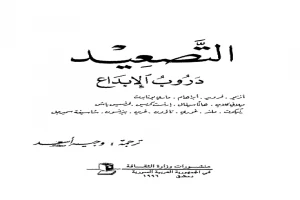
التصعيد دروب الإبداع book pdf download

Date of Coming : 2022-08-10
Language : Arabic
Department : Social sciences
book quality : Good
Size of file : 10.8MB
Number of Pages : 400
Section : psychology
Auther : Sigmund Freud

Author: Sigmund Freud

About the Author: He is an Austrian doctor of Jewish origin, who specialized in studying neuroscience and a free thinker. It considered the founder of psychoanalysis. His real name was Sigismund Shlomo Freud (May 6, 1856 – September 23, 1939), an Austrian neurologist who founded the school of psychoanalysis and modern psychology. Freud is best known for his theories of the mind and the unconscious, the defense mechanism of repression and for creating the clinical practice of psychoanalysis for the treatment of mental illness through dialogue between a patient and a psychoanalyst. He is also known for his technique of redefining sexual desire and the primary motivational energy of human life, as well as for therapeutic techniques, including the use of the method of association and psychotherapy episodes, his theory of transformation in the therapeutic relationship, and the interpretation of dreams as sources of insight into subconscious desires. While many of Freud’s ideas were bypassed, or modified by neoconservatives and “Freudians” at the end of the twentieth century and with the progress in the field of psychology many flaws began to appear in many of his theories, yet Freud’s methods and ideas remain important in Histories of clinical and psychodynamic methods are in academia, and his ideas continue to influence some of the humanities and social sciences. Sigmund Freud was born on May 6, 1856, into a Jewish family in Pribor, in the then Moravian region of the Austrian Empire, which is now part of the Czech Republic. His father Jacob gave birth to him when he was 41, a wool merchant, and had two children from a previous marriage. . His mother, Amali (born Nathanson) was the third wife of his father Jacob. Freud was the first of eight siblings, and due to his early intelligence, his parents preferred him to the rest of his brothers in the early stages of his childhood and sacrificed everything to give him a sound education despite the poverty that the family suffered from due to the economic crisis at the time. In 1857, Freud’s father lost his business, and the family moved to Leipzig before settling in Vienna. In 1865 Sigmund entered a prominent school – the Communal Real Gymnasium in the predominantly Jewish district of Leopolstadter – at the time. Freud was an outstanding student and graduated at Matura in 1873 with honors. Freud had planned to study law, but instead joined the Medical Faculty of the University of Vienna to study under Darwinian Professor Karl Claus. At the time, the life of the eel was still unknown, which led Freud to spend four weeks at an Austrian animal research center in Trieste dissecting hundreds of sea eels in an unsuccessful search for their male sexual organs.

التصعيد دروب الإبداع book pdf download By Sigmund Freud

التصعيد في التحليل النفسي، لسيجموند فرويد وعدة مؤلفين

Download PDF of التصعيد دروب الإبداع book pdf download By Sigmund Freud
-Adrian Agency Library

Download Now

التحليل النفسي لرهاب الأطفال book pdf download

Number of Pages : 84
Department : Social sciences
Language : Arabic
Auther : Sigmund Freud
Section : psychology
book quality : Good
Date of Coming : 2022-08-10
Size of file : 3.66MB

Author: Sigmund Freud

About the Author: He is an Austrian doctor of Jewish origin, who specialized in studying neuroscience and a free thinker. It considered the founder of psychoanalysis. His real name was Sigismund Shlomo Freud (May 6, 1856 – September 23, 1939), an Austrian neurologist who founded the school of psychoanalysis and modern psychology. Freud is best known for his theories of the mind and the unconscious, the defense mechanism of repression and for creating the clinical practice of psychoanalysis for the treatment of mental illness through dialogue between a patient and a psychoanalyst. He is also known for his technique of redefining sexual desire and the primary motivational energy of human life, as well as for therapeutic techniques, including the use of the method of association and psychotherapy episodes, his theory of transformation in the therapeutic relationship, and the interpretation of dreams as sources of insight into subconscious desires. While many of Freud’s ideas were bypassed, or modified by neoconservatives and “Freudians” at the end of the twentieth century and with the progress in the field of psychology many flaws began to appear in many of his theories, yet Freud’s methods and ideas remain important in Histories of clinical and psychodynamic methods are in academia, and his ideas continue to influence some of the humanities and social sciences. Sigmund Freud was born on May 6, 1856, into a Jewish family in Pribor, in the then Moravian region of the Austrian Empire, which is now part of the Czech Republic. His father Jacob gave birth to him when he was 41, a wool merchant, and had two children from a previous marriage. . His mother, Amali (born Nathanson) was the third wife of his father Jacob. Freud was the first of eight siblings, and due to his early intelligence, his parents preferred him to the rest of his brothers in the early stages of his childhood and sacrificed everything to give him a sound education despite the poverty that the family suffered from due to the economic crisis at the time. In 1857, Freud’s father lost his business, and the family moved to Leipzig before settling in Vienna. In 1865 Sigmund entered a prominent school – the Communal Real Gymnasium in the predominantly Jewish district of Leopolstadter – at the time. Freud was an outstanding student and graduated at Matura in 1873 with honors. Freud had planned to study law, but instead joined the Medical Faculty of the University of Vienna to study under Darwinian Professor Karl Claus. At the time, the life of the eel was still unknown, which led Freud to spend four weeks at an Austrian animal research center in Trieste dissecting hundreds of sea eels in an unsuccessful search for their male sexual organs.

التحليل النفسي لرهاب الأطفال book pdf download By Sigmund Freud

يستمد هذا النص أهميته من أنه أول تقرير ينشره مؤسس التحليل النفسي في تحليل الأطفال، فمن قبل، كان علم النفسي يبدو وكأنه قاصر على الراشدين. ومع حالة “هانز الصغير” انفتح ذلك الحقل الفسيح البعيد الأغوار الذي هو التحليل النفسي للأطفال. وليس الجانب التقني هو المهم في هذا النص، وإنما الجانب النظري, فقد أقام تحليل الأوديبى الصفير هانز الدليل على صحة القضايا الكبرى للتحليل النفسي، وفي المقام الأول عقدة الخصاء. والجنسية الطفلية وازدواجية الحب والكره. وهذا بالإضافة إلى أن هذا النص ينطوي على أول محاولة لفهم رهاب الأطفال، الكثير الشيوع على ضوء معطيات غير تقليدية. إنه كتاب برسم الأباء والأمهات، كما هو برسم القارئ المختص في التحليل النفسي.

Download PDF of التحليل النفسي لرهاب الأطفال book pdf download By Sigmund Freud
-Adrian Agency Library

Download Now

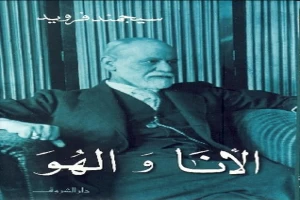
الأنا والهُـوَ book pdf download

Size of file : 3.54MB
Number of Pages : 106
Section : psychology
book quality : Good
Date of Coming : 2022-08-10
Department : Social sciences
Auther : Sigmund Freud
Language : Arabic

Author: Sigmund Freud

About the Author: He is an Austrian doctor of Jewish origin, who specialized in studying neuroscience and a free thinker. It considered the founder of psychoanalysis. His real name was Sigismund Shlomo Freud (May 6, 1856 – September 23, 1939), an Austrian neurologist who founded the school of psychoanalysis and modern psychology. Freud is best known for his theories of the mind and the unconscious, the defense mechanism of repression and for creating the clinical practice of psychoanalysis for the treatment of mental illness through dialogue between a patient and a psychoanalyst. He is also known for his technique of redefining sexual desire and the primary motivational energy of human life, as well as for therapeutic techniques, including the use of the method of association and psychotherapy episodes, his theory of transformation in the therapeutic relationship, and the interpretation of dreams as sources of insight into subconscious desires. While many of Freud’s ideas were bypassed, or modified by neoconservatives and “Freudians” at the end of the twentieth century and with the progress in the field of psychology many flaws began to appear in many of his theories, yet Freud’s methods and ideas remain important in Histories of clinical and psychodynamic methods are in academia, and his ideas continue to influence some of the humanities and social sciences. Sigmund Freud was born on May 6, 1856, into a Jewish family in Pribor, in the then Moravian region of the Austrian Empire, which is now part of the Czech Republic. His father Jacob gave birth to him when he was 41, a wool merchant, and had two children from a previous marriage. . His mother, Amali (born Nathanson) was the third wife of his father Jacob. Freud was the first of eight siblings, and due to his early intelligence, his parents preferred him to the rest of his brothers in the early stages of his childhood and sacrificed everything to give him a sound education despite the poverty that the family suffered from due to the economic crisis at the time. In 1857, Freud’s father lost his business, and the family moved to Leipzig before settling in Vienna. In 1865 Sigmund entered a prominent school – the Communal Real Gymnasium in the predominantly Jewish district of Leopolstadter – at the time. Freud was an outstanding student and graduated at Matura in 1873 with honors. Freud had planned to study law, but instead joined the Medical Faculty of the University of Vienna to study under Darwinian Professor Karl Claus. At the time, the life of the eel was still unknown, which led Freud to spend four weeks at an Austrian animal research center in Trieste dissecting hundreds of sea eels in an unsuccessful search for their male sexual organs.

الأنا والهُـوَ book pdf download By Sigmund Freud

كان كل اهتمام علماء النفس قبل ظهور مدرسة التحليل النفسي متجهًا إلى دراسة الظواهر العقلية الشعورية، ولم يكن أحد منهم يهتم بالبحث عن العمليات العقلية اللاشعورية التي تحرك سلوك الإنسان وتدفعه إلى القيام بصور النشاط المختلفة، السوية والشاذة على السواء. ولقد كان من نتيجة إغفال علماء النفس في الماضي لهذه الناحية الهامة من الحياة النفسية أن ظل كثير من مظاهر السلوك الإنساني عصيًّا على التفسير، وصعبًا على الفهم، وبعيدًا عن متناول البحث العلمي. ويرجع الفضل إلى سيجمند فرويد 1856 – 1939 مؤسس مدرسة التحليل النفسي في اكتشاف تلك الحقيقة الهامة، وهي أن جزءًا كبيرًا من حياتنا العقلية لا شعوري، وأن لهذا الجزء اللاشعوري من حياتنا العقلية تأثيرًا كبيرًا على سلوكنا ومشاعرنا سواء في حياتنا السوية أو فيما نتعرض له من اضطرابات وأمراض نفسية.

Download PDF of الأنا والهُـوَ book pdf download By Sigmund Freud
-Adrian Agency Library

Download Now

أفكار لأزمنة الحرب و الموت book pdf download

Auther : Sigmund Freud
Language : Arabic
book quality : Good
Number of Pages : 61
Size of file : 36.3MB
Department : Social sciences
Section : psychology
Date of Coming : 2022-08-10

Author: Sigmund Freud

About the Author: He is an Austrian doctor of Jewish origin, who specialized in studying neuroscience and a free thinker. It considered the founder of psychoanalysis. His real name was Sigismund Shlomo Freud (May 6, 1856 – September 23, 1939), an Austrian neurologist who founded the school of psychoanalysis and modern psychology. Freud is best known for his theories of the mind and the unconscious, the defense mechanism of repression and for creating the clinical practice of psychoanalysis for the treatment of mental illness through dialogue between a patient and a psychoanalyst. He is also known for his technique of redefining sexual desire and the primary motivational energy of human life, as well as for therapeutic techniques, including the use of the method of association and psychotherapy episodes, his theory of transformation in the therapeutic relationship, and the interpretation of dreams as sources of insight into subconscious desires. While many of Freud’s ideas were bypassed, or modified by neoconservatives and “Freudians” at the end of the twentieth century and with the progress in the field of psychology many flaws began to appear in many of his theories, yet Freud’s methods and ideas remain important in Histories of clinical and psychodynamic methods are in academia, and his ideas continue to influence some of the humanities and social sciences. Sigmund Freud was born on May 6, 1856, into a Jewish family in Pribor, in the then Moravian region of the Austrian Empire, which is now part of the Czech Republic. His father Jacob gave birth to him when he was 41, a wool merchant, and had two children from a previous marriage. . His mother, Amali (born Nathanson) was the third wife of his father Jacob. Freud was the first of eight siblings, and due to his early intelligence, his parents preferred him to the rest of his brothers in the early stages of his childhood and sacrificed everything to give him a sound education despite the poverty that the family suffered from due to the economic crisis at the time. In 1857, Freud’s father lost his business, and the family moved to Leipzig before settling in Vienna. In 1865 Sigmund entered a prominent school – the Communal Real Gymnasium in the predominantly Jewish district of Leopolstadter – at the time. Freud was an outstanding student and graduated at Matura in 1873 with honors. Freud had planned to study law, but instead joined the Medical Faculty of the University of Vienna to study under Darwinian Professor Karl Claus. At the time, the life of the eel was still unknown, which led Freud to spend four weeks at an Austrian animal research center in Trieste dissecting hundreds of sea eels in an unsuccessful search for their male sexual organs.

أفكار لأزمنة الحرب و الموت book pdf download By Sigmund Freud

سبعة أبحاث كتبها فرويد على مدى السنوات من عام 1915 إلى 1938، اي خلال الفترة من بدايات الحرب العالمية الأولى إلى بوادر الأزمة التي فجرت الحرب العالمية الثانية… يقدم فيها التحليل النفسي اسهامه النظري في تفسير ظاهرتي الحرب و الموت، و ما بينهما من حزن و مرض و انهيار فردي و اجتماعي. و الأبحاث السبعة تجيب – فرويديا – في النهاية عن سؤال لا يزال يتردد بيننا اليوم: لماذا العنف؟

Download PDF of أفكار لأزمنة الحرب و الموت book pdf download By Sigmund Freud
-Adrian Agency Library

Download Now