
الموجز في التحليل النفسي book pdf download

Language : Arabic
Date of Coming : 2022-08-10
Number of Pages : 165
Section : psychology
Auther : Sigmund Freud
book quality : Good
Size of file : 3.40MB
Department : Social sciences

Author: Sigmund Freud

About the Author: He is an Austrian doctor of Jewish origin, who specialized in studying neuroscience and a free thinker. It considered the founder of psychoanalysis. His real name was Sigismund Shlomo Freud (May 6, 1856 – September 23, 1939), an Austrian neurologist who founded the school of psychoanalysis and modern psychology. Freud is best known for his theories of the mind and the unconscious, the defense mechanism of repression and for creating the clinical practice of psychoanalysis for the treatment of mental illness through dialogue between a patient and a psychoanalyst. He is also known for his technique of redefining sexual desire and the primary motivational energy of human life, as well as for therapeutic techniques, including the use of the method of association and psychotherapy episodes, his theory of transformation in the therapeutic relationship, and the interpretation of dreams as sources of insight into subconscious desires. While many of Freud’s ideas were bypassed, or modified by neoconservatives and “Freudians” at the end of the twentieth century and with the progress in the field of psychology many flaws began to appear in many of his theories, yet Freud’s methods and ideas remain important in Histories of clinical and psychodynamic methods are in academia, and his ideas continue to influence some of the humanities and social sciences. Sigmund Freud was born on May 6, 1856, into a Jewish family in Pribor, in the then Moravian region of the Austrian Empire, which is now part of the Czech Republic. His father Jacob gave birth to him when he was 41, a wool merchant, and had two children from a previous marriage. . His mother, Amali (born Nathanson) was the third wife of his father Jacob. Freud was the first of eight siblings, and due to his early intelligence, his parents preferred him to the rest of his brothers in the early stages of his childhood and sacrificed everything to give him a sound education despite the poverty that the family suffered from due to the economic crisis at the time. In 1857, Freud’s father lost his business, and the family moved to Leipzig before settling in Vienna. In 1865 Sigmund entered a prominent school – the Communal Real Gymnasium in the predominantly Jewish district of Leopolstadter – at the time. Freud was an outstanding student and graduated at Matura in 1873 with honors. Freud had planned to study law, but instead joined the Medical Faculty of the University of Vienna to study under Darwinian Professor Karl Claus. At the time, the life of the eel was still unknown, which led Freud to spend four weeks at an Austrian animal research center in Trieste dissecting hundreds of sea eels in an unsuccessful search for their male sexual organs.

الموجز في التحليل النفسي book pdf download By Sigmund Freud

في يونيو 1938، في الثانية والثمانين، بدأ فرويد كتابة هذا المسح الدقيق لأسس التحليل النفسي. انه مارشالس هنا مجموعة كاملة من نظرية التحليل النفسي والعلاج في النثر واضح ويستمر انفتاحه على رحيل جديدة، مثل إمكانات العلاج بالعقاقير. في حين أن الكتاب لا يزال غير مكتمل، فإنه يغطي أساسيات التحليل النفسي.

Download PDF of الموجز في التحليل النفسي book pdf download By Sigmund Freud
-Adrian Agency Library

Download Now

حياتى والتحليل النفسى book pdf download

Date of Coming : 2022-08-10
Language : Arabic
Section : psychology
book quality : Good
Auther : Sigmund Freud
Number of Pages : 95
Size of file : 6.33MB
Department : Social sciences

Author: Sigmund Freud

About the Author: He is an Austrian doctor of Jewish origin, who specialized in studying neuroscience and a free thinker. It considered the founder of psychoanalysis. His real name was Sigismund Shlomo Freud (May 6, 1856 – September 23, 1939), an Austrian neurologist who founded the school of psychoanalysis and modern psychology. Freud is best known for his theories of the mind and the unconscious, the defense mechanism of repression and for creating the clinical practice of psychoanalysis for the treatment of mental illness through dialogue between a patient and a psychoanalyst. He is also known for his technique of redefining sexual desire and the primary motivational energy of human life, as well as for therapeutic techniques, including the use of the method of association and psychotherapy episodes, his theory of transformation in the therapeutic relationship, and the interpretation of dreams as sources of insight into subconscious desires. While many of Freud’s ideas were bypassed, or modified by neoconservatives and “Freudians” at the end of the twentieth century and with the progress in the field of psychology many flaws began to appear in many of his theories, yet Freud’s methods and ideas remain important in Histories of clinical and psychodynamic methods are in academia, and his ideas continue to influence some of the humanities and social sciences. Sigmund Freud was born on May 6, 1856, into a Jewish family in Pribor, in the then Moravian region of the Austrian Empire, which is now part of the Czech Republic. His father Jacob gave birth to him when he was 41, a wool merchant, and had two children from a previous marriage. . His mother, Amali (born Nathanson) was the third wife of his father Jacob. Freud was the first of eight siblings, and due to his early intelligence, his parents preferred him to the rest of his brothers in the early stages of his childhood and sacrificed everything to give him a sound education despite the poverty that the family suffered from due to the economic crisis at the time. In 1857, Freud’s father lost his business, and the family moved to Leipzig before settling in Vienna. In 1865 Sigmund entered a prominent school – the Communal Real Gymnasium in the predominantly Jewish district of Leopolstadter – at the time. Freud was an outstanding student and graduated at Matura in 1873 with honors. Freud had planned to study law, but instead joined the Medical Faculty of the University of Vienna to study under Darwinian Professor Karl Claus. At the time, the life of the eel was still unknown, which led Freud to spend four weeks at an Austrian animal research center in Trieste dissecting hundreds of sea eels in an unsuccessful search for their male sexual organs.

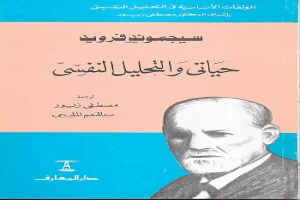
حياتى والتحليل النفسى book pdf download By Sigmund Freud

فرويد في كتابه (حياتي والتحليل النفسي ) يضع القاري في مفترق الطرق موضحا عصارة تجربته مركزاً على الدافع الجنسي ودوره في إحداث الاضطرابات العصابية كما يحدث في عقدة أوديب التي هي لبّ العصاب ، ويشرح منهجه في العلاج من خلال الكشف عن العوامل اللاشعورية بأسلوب التداعي الحرّ . ولا أظنّ مثلي ممّن يستهويه البحث يفوّت فرصة اقتناص تلك الأفكار التي تجمع بين الذاتية والموضوعيّة لنصل من خلال هذين البعدين إلى رؤية واضحة . مع أطيب التمنيات بالفائدة و المتعة.

Download PDF of حياتى والتحليل النفسى book pdf download By Sigmund Freud
-Adrian Agency Library
Download Now

النظرية العامة للأمراض العصابية book pdf download

Language : Arabic
book quality : Good
Size of file : 6.85MB
Number of Pages : 140
Date of Coming : 2022-08-10
Auther : Sigmund Freud
Section : psychology
Department : Social sciences

Author: Sigmund Freud

About the Author: He is an Austrian doctor of Jewish origin, who specialized in studying neuroscience and a free thinker. It considered the founder of psychoanalysis. His real name was Sigismund Shlomo Freud (May 6, 1856 – September 23, 1939), an Austrian neurologist who founded the school of psychoanalysis and modern psychology. Freud is best known for his theories of the mind and the unconscious, the defense mechanism of repression and for creating the clinical practice of psychoanalysis for the treatment of mental illness through dialogue between a patient and a psychoanalyst. He is also known for his technique of redefining sexual desire and the primary motivational energy of human life, as well as for therapeutic techniques, including the use of the method of association and psychotherapy episodes, his theory of transformation in the therapeutic relationship, and the interpretation of dreams as sources of insight into subconscious desires. While many of Freud’s ideas were bypassed, or modified by neoconservatives and “Freudians” at the end of the twentieth century and with the progress in the field of psychology many flaws began to appear in many of his theories, yet Freud’s methods and ideas remain important in Histories of clinical and psychodynamic methods are in academia, and his ideas continue to influence some of the humanities and social sciences. Sigmund Freud was born on May 6, 1856, into a Jewish family in Pribor, in the then Moravian region of the Austrian Empire, which is now part of the Czech Republic. His father Jacob gave birth to him when he was 41, a wool merchant, and had two children from a previous marriage. . His mother, Amali (born Nathanson) was the third wife of his father Jacob. Freud was the first of eight siblings, and due to his early intelligence, his parents preferred him to the rest of his brothers in the early stages of his childhood and sacrificed everything to give him a sound education despite the poverty that the family suffered from due to the economic crisis at the time. In 1857, Freud’s father lost his business, and the family moved to Leipzig before settling in Vienna. In 1865 Sigmund entered a prominent school – the Communal Real Gymnasium in the predominantly Jewish district of Leopolstadter – at the time. Freud was an outstanding student and graduated at Matura in 1873 with honors. Freud had planned to study law, but instead joined the Medical Faculty of the University of Vienna to study under Darwinian Professor Karl Claus. At the time, the life of the eel was still unknown, which led Freud to spend four weeks at an Austrian animal research center in Trieste dissecting hundreds of sea eels in an unsuccessful search for their male sexual organs.

النظرية العامة للأمراض العصابية book pdf download By Sigmund Freud

الكتاب يشمل المحاضرات الثلاث عشرة التي ألقاها فرويد تحت عنوان “المدخل إلى التحليل النفسي”، واتسمت بطابع تعليمي واضح وشامل وهو الذي يجعلها في متناول المبتدئ، علاوة على المختص، وهي في الإجمال تُقدم أكمل عرض لعلم أسباب الأمراض العصابية ومغزى أعراضها وطريقة معالجتها، وأمتع وصفٍ للعديد من الحالات التي يعود إلى التحليل النفسي وحده فضل شفائها أو كشف معناها. بقراءة “النظرية العامة للأمراض العصابية” يدرك القارئ لماذا استحق التحليل النفسي أن يلقَب، عن حق، بعلم نفس الأعماق البشرية مع أطيب التمنيات بالفائدة و المتعة.

Download PDF of النظرية العامة للأمراض العصابية book pdf download By Sigmund Freud
-Adrian Agency Library

Download Now

الكف والعرض والقلق book pdf download

Section : psychology
Date of Coming : 2022-08-10
Auther : Sigmund Freud
Size of file : 4.40MB
Department : Social sciences
Number of Pages : 172
Language : Arabic
book quality : Good

Author: Sigmund Freud

About the Author: He is an Austrian doctor of Jewish origin, who specialized in studying neuroscience and a free thinker. It considered the founder of psychoanalysis. His real name was Sigismund Shlomo Freud (May 6, 1856 – September 23, 1939), an Austrian neurologist who founded the school of psychoanalysis and modern psychology. Freud is best known for his theories of the mind and the unconscious, the defense mechanism of repression and for creating the clinical practice of psychoanalysis for the treatment of mental illness through dialogue between a patient and a psychoanalyst. He is also known for his technique of redefining sexual desire and the primary motivational energy of human life, as well as for therapeutic techniques, including the use of the method of association and psychotherapy episodes, his theory of transformation in the therapeutic relationship, and the interpretation of dreams as sources of insight into subconscious desires. While many of Freud’s ideas were bypassed, or modified by neoconservatives and “Freudians” at the end of the twentieth century and with the progress in the field of psychology many flaws began to appear in many of his theories, yet Freud’s methods and ideas remain important in Histories of clinical and psychodynamic methods are in academia, and his ideas continue to influence some of the humanities and social sciences. Sigmund Freud was born on May 6, 1856, into a Jewish family in Pribor, in the then Moravian region of the Austrian Empire, which is now part of the Czech Republic. His father Jacob gave birth to him when he was 41, a wool merchant, and had two children from a previous marriage. . His mother, Amali (born Nathanson) was the third wife of his father Jacob. Freud was the first of eight siblings, and due to his early intelligence, his parents preferred him to the rest of his brothers in the early stages of his childhood and sacrificed everything to give him a sound education despite the poverty that the family suffered from due to the economic crisis at the time. In 1857, Freud’s father lost his business, and the family moved to Leipzig before settling in Vienna. In 1865 Sigmund entered a prominent school – the Communal Real Gymnasium in the predominantly Jewish district of Leopolstadter – at the time. Freud was an outstanding student and graduated at Matura in 1873 with honors. Freud had planned to study law, but instead joined the Medical Faculty of the University of Vienna to study under Darwinian Professor Karl Claus. At the time, the life of the eel was still unknown, which led Freud to spend four weeks at an Austrian animal research center in Trieste dissecting hundreds of sea eels in an unsuccessful search for their male sexual organs.

الكف والعرض والقلق book pdf download By Sigmund Freud

الكف والعرض والقلق من اروع الكتب واكثرها شهرة بين الكتب الغربية العديدة والمؤلف احد اشهر فلاسفة العالم هو سيجموند فرويد لأبحاث سيجمند فرويد الفضل الأول في كشف الستار عن كثير من الحقائق السيكولوجية الهامة التي ساعدت على فهم أسباب الأمراض العصابية (النفسية)التي كانت تحير الأطباء . فاستطاع فرويد مثلا أن يفطن إلى اهمية اللاشعور في حياة الانسان ، وكان علماء النفس من قبل يقصرون إبحاثهم على العمليات الشعورية فقط وصعوبات العمليات الشعورية . مع أطيب التمنيات بالفائدة و المتعة.

Download PDF of الكف والعرض والقلق book pdf download By Sigmund Freud
-Adrian Agency Library

Download Now

الكبت تحليل نفسى book pdf download

Date of Coming : 2022-08-10
Department : Social sciences
Auther : Sigmund Freud
Section : psychology
book quality : Good
Language : Arabic
Size of file : 9.68MB
Number of Pages : 82

Author: Sigmund Freud

About the Author: He is an Austrian doctor of Jewish origin, who specialized in studying neuroscience and a free thinker. It considered the founder of psychoanalysis. His real name was Sigismund Shlomo Freud (May 6, 1856 – September 23, 1939), an Austrian neurologist who founded the school of psychoanalysis and modern psychology. Freud is best known for his theories of the mind and the unconscious, the defense mechanism of repression and for creating the clinical practice of psychoanalysis for the treatment of mental illness through dialogue between a patient and a psychoanalyst. He is also known for his technique of redefining sexual desire and the primary motivational energy of human life, as well as for therapeutic techniques, including the use of the method of association and psychotherapy episodes, his theory of transformation in the therapeutic relationship, and the interpretation of dreams as sources of insight into subconscious desires. While many of Freud’s ideas were bypassed, or modified by neoconservatives and “Freudians” at the end of the twentieth century and with the progress in the field of psychology many flaws began to appear in many of his theories, yet Freud’s methods and ideas remain important in Histories of clinical and psychodynamic methods are in academia, and his ideas continue to influence some of the humanities and social sciences. Sigmund Freud was born on May 6, 1856, into a Jewish family in Pribor, in the then Moravian region of the Austrian Empire, which is now part of the Czech Republic. His father Jacob gave birth to him when he was 41, a wool merchant, and had two children from a previous marriage. . His mother, Amali (born Nathanson) was the third wife of his father Jacob. Freud was the first of eight siblings, and due to his early intelligence, his parents preferred him to the rest of his brothers in the early stages of his childhood and sacrificed everything to give him a sound education despite the poverty that the family suffered from due to the economic crisis at the time. In 1857, Freud’s father lost his business, and the family moved to Leipzig before settling in Vienna. In 1865 Sigmund entered a prominent school – the Communal Real Gymnasium in the predominantly Jewish district of Leopolstadter – at the time. Freud was an outstanding student and graduated at Matura in 1873 with honors. Freud had planned to study law, but instead joined the Medical Faculty of the University of Vienna to study under Darwinian Professor Karl Claus. At the time, the life of the eel was still unknown, which led Freud to spend four weeks at an Austrian animal research center in Trieste dissecting hundreds of sea eels in an unsuccessful search for their male sexual organs.

الكبت تحليل نفسى book pdf download By Sigmund Freud

في أثناء جلسة العلاج وبينما كان المريض مستلقياً على الأريكة يسرد مشكلته النفسية على طبيبة “فرويد” هبت نسمة هواء من النافذة حاملة معها أريج حدائق المدينة التي كانت تكتسي حُلة الربيع، عطس المريض وحكَّ أنفه فنظر له “فرويد” وقال له بانتصار:- هل تعرف أن سبب عطستك الآن سبب جنسي بحث. استرسل في شرح الأسباب التي تعود جذورها لمرحلة الطفولة، وفي أثناء ذلك حاول المريض مقاطعته أكثر من مرة ولكن “فرويد” منعه واستمر في تحليله بحماس شديد … ببساطة كل ما أراد أن يقوله المريض أنه يعاني من حساسية الربيع…

Download PDF of الكبت تحليل نفسى book pdf download By Sigmund Freud
-Adrian Agency Library

Download Now

الهذيان والأحلام في الفن book pdf download

Language : Arabic
book quality : Good
Auther : Sigmund Freud
Section : psychology
Date of Coming : 2022-08-10
Size of file : 14.6MB
Department : Social sciences
Number of Pages : 56

Author: Sigmund Freud

About the Author: He is an Austrian doctor of Jewish origin, who specialized in studying neuroscience and a free thinker. It considered the founder of psychoanalysis. His real name was Sigismund Shlomo Freud (May 6, 1856 – September 23, 1939), an Austrian neurologist who founded the school of psychoanalysis and modern psychology. Freud is best known for his theories of the mind and the unconscious, the defense mechanism of repression and for creating the clinical practice of psychoanalysis for the treatment of mental illness through dialogue between a patient and a psychoanalyst. He is also known for his technique of redefining sexual desire and the primary motivational energy of human life, as well as for therapeutic techniques, including the use of the method of association and psychotherapy episodes, his theory of transformation in the therapeutic relationship, and the interpretation of dreams as sources of insight into subconscious desires. While many of Freud’s ideas were bypassed, or modified by neoconservatives and “Freudians” at the end of the twentieth century and with the progress in the field of psychology many flaws began to appear in many of his theories, yet Freud’s methods and ideas remain important in Histories of clinical and psychodynamic methods are in academia, and his ideas continue to influence some of the humanities and social sciences. Sigmund Freud was born on May 6, 1856, into a Jewish family in Pribor, in the then Moravian region of the Austrian Empire, which is now part of the Czech Republic. His father Jacob gave birth to him when he was 41, a wool merchant, and had two children from a previous marriage. . His mother, Amali (born Nathanson) was the third wife of his father Jacob. Freud was the first of eight siblings, and due to his early intelligence, his parents preferred him to the rest of his brothers in the early stages of his childhood and sacrificed everything to give him a sound education despite the poverty that the family suffered from due to the economic crisis at the time. In 1857, Freud’s father lost his business, and the family moved to Leipzig before settling in Vienna. In 1865 Sigmund entered a prominent school – the Communal Real Gymnasium in the predominantly Jewish district of Leopolstadter – at the time. Freud was an outstanding student and graduated at Matura in 1873 with honors. Freud had planned to study law, but instead joined the Medical Faculty of the University of Vienna to study under Darwinian Professor Karl Claus. At the time, the life of the eel was still unknown, which led Freud to spend four weeks at an Austrian animal research center in Trieste dissecting hundreds of sea eels in an unsuccessful search for their male sexual organs.

الهذيان والأحلام في الفن book pdf download By Sigmund Freud

تحميل كتاب الهذيان والأحلام في الفن pdf الكاتب سيغموند فرويد كتاب رائع للمهتمين بمنهج التحليل النفسي في الأدب. أنصح طلاب الأدب بقراءته.

Download PDF of الهذيان والأحلام في الفن book pdf download By Sigmund Freud
-Adrian Agency Library

Download Now

الإنسان المهدور: دراسة تحليلية نفسية اجتماعية book pdf download

Language : Arabic
book quality : Good
Number of Pages : 352
Department : Social sciences
Date of Coming : 2022-08-10
Auther : Mustafa Hijazi
Section : psychology
Size of file : 12.3MB

Author: Mustafa Hijazi

الإنسان المهدور: دراسة تحليلية نفسية اجتماعية book pdf download By Mustafa Hijazi

يختار حجازي الإنسان العربي ليقدم عينة درسية تطبيقية لمفهوم الإنسان المهدور. ويرى بهذا الصدد أن علم النفس في الوطن العربي مقصر جدا في تناول كثير من قضايا الإنسان العربي المصيرية والوجودية. وذلك لأسباب عديدة منها أننا مازلنا تابعين “لعلم النفس الغربي الذي نشأ وتطوّر لخدمة احتياجات المجتمع الصناعي في الغرب تحديداً”. وهناك سبب مهم آخر يتمثل في “تعاظم نظام المحظورات الذي ما انفكّ يتفاقم في عالمنا العربي” حيث يحرم على الباحثين الخوض في تفاصيل تعتبر ممنوعة على التفكير الحرّ نظرا لما تشكله من خطورة على فضح النظام السياسي العربي.”، يعود د. مصطفى حجازي بعد سنوات على إصدار كتابه القديم والمشهور “التخلف الاجتماعي: مدخل الى سيكولوجية الإنسان المقهور”، يعود الآن ليواصل مشروعه في تفكيك مفهوم جديد هو الانسان المهدور. وبين الإنسان “المقهور” و”المهدور” ليس هناك فقط جناسٌ لفظي بلاغيّ، بل هناك جناسٌ دلاليّ سيكتشفه القارىء لفصول الكتاب التي بلغت تسعة فصول ومقدمة. إن الهدر يبدأ من هدر الدم إلى هدر الوقت مرورا بهدر الفكر والوعي والإبداع، “وقد يتخذ الهدر شكل عدم الاعتراف بالطاقات والكفاءات أو الحق في تقرير المصير والإرادة الحرة وحتى الحق بالوعي بالذات والوجود” (ص 28). لذلك يعتبر حجازي أن الهدر أكثر خطورة من القهر. فبينما يعني القهر مثلاً اعترافاً بكيان الآخر، وإن اعترافاً مشروطا بأن يبقى الآخر ضمن خضوعه لي وملكيتي، ولكن الهدر يرتب “سَحباً للاعتراف أصلاً بقيمة الكيان أو الطاقات أو الوعي أو المكانة” (ص 29). ويمكن طرح مثال على ذلك “العولمة” التي تهدر معنى الانتماء للقومية باعتبارها تسلخ الهويات وتلحق الجميع باقتصاد السوق ومفهومه بدلا من اقتصاد المجتمع المحلي والوطن.

Download PDF of الإنسان المهدور: دراسة تحليلية نفسية اجتماعية book pdf download By Mustafa Hijazi
-Adrian Agency Library

Download Now

الشباب الخليجي والمستقبل: دراسة تحليلية نفسية اجتماعية book pdf download

Number of Pages : 201
Department : Social sciences
Language : Arabic
Section : psychology
Date of Coming : 2022-08-10
book quality : Good
Auther : Mustafa Hijazi
Size of file : 4.64MB

Author: Mustafa Hijazi

الشباب الخليجي والمستقبل: دراسة تحليلية نفسية اجتماعية book pdf download By Mustafa Hijazi

الدكتور مصطفى حجازي، المهتم بدراسة سبل تنشئة شباب عربي منتج فاعل، وهذا أحد محاور عمله الأكاديمي، يقدم هذه الدراسة بهدف تشخيص مشكلات الشباب وتفهمها وعلاج ما يعترض نمائه من معوقات، وصولاً إلى إطلاق طاقاته الحية وتوظيفها في بناء المستقبل. وهي نتيجة عقد ونيف من العمل الجامعي في الخليج حيث عرف خبرة غنية على مستوى التدريس والإرشاد والتدريب، وتلمس واقع الشباب الخليجي وتفهم قضاياه. لم يقتصر المادة العلمية على هذه الخبرة المعاشة وحدها، بل اشتغلت على مادة توثيقية غنية، يضاف إليها مادة غزيرة تتعلق بتوجيه الشباب في مختلف مناحي حياته على شكل مراجع وكتيبات ودراسات لخبراء خليجيين وعرب ودوليين، وعن برامج العمل مع الشباب وتنفيذها. تكمن قيمة الدراسة في ما ستسلّطه من أضواء على القوى الفاعلة وغير الظاهرة، مما ينبه إلى العوامل الفعلية التي يتعين التعامل معها، في المقاربة والتخطيط ووضع السياسات وتنفيذ البرامج. وتحاول المساعدة في تشخيص الواقع الفعلي فيما وراء ظواهره. وهي الخطوة الأولى على درب التعامل الفاعل، الذي يوفر النجاح للجهود الكثيرة المبذولة في رعاية الشباب وتأهيلهم للمستقبل.

Download PDF of الشباب الخليجي والمستقبل: دراسة تحليلية نفسية اجتماعية book pdf download By Mustafa Hijazi
-Adrian Agency Library

Download Now

حصار الثقافة: بين القنوات الفضائية والدعوة الأصولية book pdf download

Section : psychology
Language : Arabic
Number of Pages : 50
Date of Coming : 2022-08-10
Department : Social sciences
book quality : Good
Size of file : 5.81MB
Auther : Mustafa Hijazi

Author: Mustafa Hijazi

حصار الثقافة: بين القنوات الفضائية والدعوة الأصولية book pdf download By Mustafa Hijazi

الأطروحة الرئيسية لهذه الدراسة تذهب إلى القول بأن هناك حالة من التناقض الأساسي بين ما تحتاجه الاجيال الطالعة للتعامل مع المستقبل بفرصه وإمكاناته وأخطاره وتحدياته، وبين حالة الانشطار الثقافي التي تتجلى معالمها بمزيد من الحدة ما بين ثقافة الصورة والثقافة الأصولية. فما بين مذهب اللذات الحسية الآتية، وأحلام الماضوية، تحاصر مقومات وإمكانات التعامل مع المقتضيات المستقبلية. ذلك أنه، في حين أصبح الحديث عن العالم كقرية صغيرة مبتذلاً، يذهب الإنشطار إلى تجاهل مقتضيات التسيير والتدبير التي تستلزمها الحتمية المتصاعدة للمصير المشترك، ومتطلباته من القدرة الذاتية والإقتدار المعرفي. فلكل من ثفافة الصورة وبلاغتها الألكترونية، وثقافة الأصولية وأسطوريتها المثالية، مشروعها الغارقة فيه، مما يدفع بها في مسارات قد لا يكون من المبالغة وصفها بأنها ذات نتائج مأزقية.

Download PDF of حصار الثقافة: بين القنوات الفضائية والدعوة الأصولية book pdf download By Mustafa Hijazi
-Adrian Agency Library

Download Now

التخلف الإجتماعي: مدخل إلى سيكولوجية الإنسان المقهور book pdf download

Number of Pages : 257
Department : Social sciences
Language : Arabic
Auther : Mustafa Hijazi
Size of file : 9.00MB
Date of Coming : 2022-08-10
Section : psychology
book quality : Good

Author: Mustafa Hijazi

التخلف الإجتماعي: مدخل إلى سيكولوجية الإنسان المقهور book pdf download By Mustafa Hijazi

تقوم هذه المحاولة منهجياً على الملاحظة والتحليل النفسي والاجتماعي للظواهر المعاشة. وهي تدخل في إطار علم النفس الاجتماعي العيادي، الذي يدرس الظواهر النفس اجتماعية بالطريقة العيادية، وقد يطرح كونها لا تستند إلى أبحاث ميدانية أو تجريبية محددة بدقة، بعض ظلال من الشك حول درجة اليقين التي تتمتع به نتائجها، ذلك صحصح ولا شك على أن الغاية من هذه المحاولة ليست الوصول إلى نتائج نهائية، فهذه تحتاج إلى أبحاث طويلة النفس. إن ما تهدف إليه، هو كتابة نوع من المدخل إلى علم نفس التخلف، وإسهامه الغني جداً بالنتائج التي تكمل الدراسات الاجتماعية والاقتصادية لهذه الظاهرة. قيمة هذه المحاولة الأساسية، هي طرح منهجية نفسية لدراسة الإنسان المتخلف، وإسهامه الغني جداً بالنتائج التي تكمل الدراسات الاجتماعية والاقتصادية لهذه الظاهرة. قيمة هذه المحاولة الأساسية، هي طرح منهجية نفسية لدراسة الإنسان المتخلف، بمختلف خصائصه الوجودية. هذه المنهجية تبين، بلا شك أن هذا الوجود متماسك في ظواهره على تنوعها وتشتتها، وهو ينتظم في بنية دينامية، هي وضعية الإنسان المقهور. هذه المحاولة بما يعتورها من ثغرات، تطمح إلى فتح الطريق أمام أبحاث نفسية ميدانية، تحاول فهم الإنسان المتخلف بنوعيته وخصوصيته وضعه، وبشكل حي وواقعي، لتكون مرتكزات علم نفس التخلف، بذلك وحده يمكننا أن نضع أخيراً حداً لإلباس هذا الإنسان القوالب النظرية، والتفسيرات الموضوعية لإنسان العالم الصناعي، والتي أدت إلى تعميمات متسرعة كانت نتيجتها أنها حادت عن غرضها المعرفي، نظراً لما تحمله من خطر إخفاء وطمس الواقع الحقيقي. تكون هذه المحاولة قد حققت غايتها، إذا تمكنت معطياتها من اتخاذ طابع الافتراضات العملية، التي تطلق أبحاثاً ميدانية تتمتع بالدقة والعمق الكافيين، لفهم واقع إنساننا العربي.

Download PDF of التخلف الإجتماعي: مدخل إلى سيكولوجية الإنسان المقهور book pdf download By Mustafa Hijazi
-Adrian Agency Library

Download Now