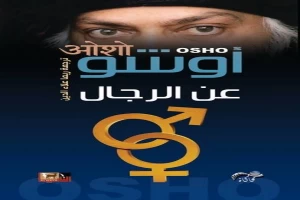
أوشو عن الرجال book pdf download

book quality : Good
Number of Pages : 153
Language : Arabic
Section : Philosophy and logic
Auther : Osho : Chandra Mohan Jain
Size of file : 36.1MB
Department : Social sciences
Date of Coming : 2022-08-10

Author: Osho : Chandra Mohan Jain

أوشو عن الرجال book pdf download By Osho : Chandra Mohan Jain

لا تحتاج الحقيقة لمن يدافع عنها، على عكس الأكاذيب. ولا تحتاج إثباتاً فهي تبرهن نفسها بنفسها. مشكلة الحقيقة تكمن بنقلها للآخر. الأكاذيب تتطلب جدالاً ، فالآخر قد يقتنع بها ، ويُستخدم المنطق لإقناعه بها.لا تحتاج الحقيقة لشيء. فهي تكفي ذاتها، وإذا استشعرت وجودها لا تحاول إقناع أحد بها فلن تنجح ، أبق تجربتك معها بالمتناول ، عارية دون المنطق وجدله.للحقيقة طريقها بعينيك ووجودك ، كما لو كنت بحديقة .. تبقى عطراً.لايمكنك إقناع من هو مغمض العينين بوجود النور، ولكن بإمكانك وصف جمال النور وأثره عما حولك من أشياء ، ولن يكون نقاشاً حول وجود الننور من عدمه ، بل إيجاد لحافز داخل هذا الشخص ليفتح عينيه ، حافز موجود لدى الجميع.لايوجد إنسان على وجه الخليقة لا يرغب بإدراك الجمال والحب والحقيقة ، المشكلة ليست هنا بل بالمتدينين الذين يحاولون التفسير له وإقناعه بشيء عليه أن يختبره ليتبناه.

Download PDF of أوشو عن الرجال book pdf download By Osho : Chandra Mohan Jain
-Adrian Agency Library

Download Now

رؤية التانترا – سر التجربة الداخلية book pdf download

Language : Arabic
Number of Pages : 240
Department : Social sciences
book quality : Good
Size of file : 3.93MB
Date of Coming : 2022-08-10
Auther : Chandra Mohan Jain
Section : Philosophy and logic

Author: Chandra Mohan Jain

رؤية التانترا – سر التجربة الداخلية book pdf download By Chandra Mohan Jain

تغيّرت جذرياً أصبحت الذاكرة السيكولوجية مهملة وسمحت لها بالذهاب بلا عودة ولكني شكرتها فبدونها لما أصبحت هذه الإنسانه تتوق إلى عمق كيانها وإلى لغة التانترا وإلى الحب والحب والحب وعدم إدانة أو مراقبة الكائنات والموجودات إنها لحظة حُب أبدية خالدة باقية مادامت السموات والأرض.

Download PDF of رؤية التانترا – سر التجربة الداخلية book pdf download By Chandra Mohan Jain
-Adrian Agency Library

Download Now

55 Answers to Questions about Life After Death book pdf download

Date of Coming : 2022-08-10
Section : Philosophy and logic
book quality : Good
Language : English
Number of Pages : 369
Auther : Mark Hitchcock
Size of file : 1.82MB
Department : Social sciences

Author: Mark Hitchcock

About the Author: Attorney Mark Hitchcock thought his career was set after graduating from law school. But after what Mark calls a “clear call to full-time ministry,” he changed course and went to Dallas Theological Seminary, completing master’s and doctoral degrees. Since 1991, Mark has authored numerous books, serves as senior pastor of Faith Bible Church in Edmond, Oklahoma and is also an Associate Professor of Bible Exposition at Dallas Theological Seminary. Mark and his wife, Cheryl, live in Edmond with their family.

55 Answers to Questions about Life After Death book pdf download By Mark Hitchcock

Four thousand years ago, amid tragic suffering and death, Job asked the question of the ages: “If a man dies, will he live again?” Since the dawn of history, the subject of death and the afterlife has been the great question of human existence. It’s a subject that everyone wonders about. What lies behind the veil of death? Is there really life after death? Is there a place called hell? This small yet power-packed book answers, in a very straightforward, reader-friendly format, all the most-asked questions ordinary people have about death, near-death experiences, cremation, purgatory, hell, heaven, and our future bodies. You’ll be amazed at what awaits us beyond the grave. Is There Sex in Heaven? It’s a fair question! And so are the rest. Go ahead…flip to the table of contents. Discover another one, two, or fifty-four others that are guaranteed to intrigue you. Questions like: Do those in heaven know what’s happening on earth? and Will I see my pets in heaven? Because even if you’d rather avoid the topic, death will not avoid you. So fire away! Ask the tough questions, and get the dead-on answers you need. Straightforward and easy to read, 55 Answers to Questions About Life After Death satisfies that nagging, curious voice whispering from the corner of your mind. Story Behind the Book “Three key experiences in my life have come together to make this book a reality. First, as the pastor of a local church for thirteen years, I have had the privilege of visiting people who are facing imminent death, conducting funerals, and ministering to grieving families. During these times people often have probing questions about life after death. Second, due to my interest and writing in the area of Bible prophecy, I am frequently asked questions about the afterlife at conferences and via e-mail. Third, all kinds of books, TV shows, and groups out there today are fostering unbiblical views of life after death. Knowing that this is a subject of universal interest and great confusion, I have a passionate desire to create a user-friendly, clear, straightforward resource to answer all the key questions that people everywhere are asking about life’s greatest mystery.”

Download PDF of 55 Answers to Questions about Life After Death book pdf download By Mark Hitchcock
-Adrian Agency Library

Download Now

تاريخ الفكر العربي book pdf download

Date of Coming : 2022-08-10
Section : Philosophy and logic
Auther : Ismail Mazhar
Size of file : 2.82MB
Number of Pages : 164
book quality : Excellent
Language : Arabic
Department : Social sciences

Author: Ismail Mazhar

About the Author: Ismail Mazhar: A liberal Egyptian thinker, one of the flags of the modern scientific and cultural renaissance, a pioneer of thought and translation, and one of those who gave the field of religious and social thought great importance in their intellectual project. Ismail Mazhar was born in Cairo in 1891 AD into a wealthy family of Turkish origins. He is the grandson of Ismail Muhammad Pasha, and belongs to a family that wrote in the page of history lines of scientific brilliance, especially in the field of engineering. Ismail Mazhar joined the Nasiriyah school, then completed his studies at the Khedive School, and studied biology, then studied language and literature in the honorable Al-Azhar campus. It shows those stages of study that he passed through his cessation at the secondary stage. His uncle Ahmed Lutfi al-Sayed had a great imprint in his liberal thought, which was influenced by Western culture and his mastery of the English language, which he learned during his travels to England. Ismail Mazhar entered the press at a young age. He issued the People’s Newspaper in 1909 AD, and fought a battle of political struggle with the national leader, Mustafa Kamel; And then his name began to append the pages of major newspapers, such as Al-Liwaa newspaper. His writing in newspapers was characterized by the character of self-freedom, innovation, and the presentation of opinions free of personal whims. Ismail Mazhar also assumed the presidency of the editor-in-chief of Al-Muqtab magazine, and he ascended it to the height of the ladder of glory. It opened the horizons of the Arab world to the balconies of Darwin’s theory of evolution. He also called for the necessity of social reform, and saw that the solution lies in forming a new party called the “New Wafd” party, led by Mustafa al-Nahhas. Mazhar presented the cultural world with cognitive repertoires embodied in: “The Leap of the East,” in which he revealed the mental features of the modern Turkish personality, “The History of Arab Thought,” “The Dilemmas of Modern Civilization,” and “Egypt in Caesarea Alexander the Great.” He passed away on February 4, 1962 AD.

تاريخ الفكر العربي book pdf download By Ismail Mazhar

لم يكتفِ العقل العربي بمجرد النقل والترجمة عن فلاسفة اليونان وحضارة الإغريق فحسب، بل صنع لنفسه طريقًا ممهدة، وسبيلًا تحيطه الدراسة والتأمُّل، جعلاه أهلًا لصياغة فكره الخاص المستقل، مُستندًا في ذلك إلى منطق «أرسطوطاليس» أحيانًا، ومثالية «أفلاطون» أحيانًا أخرى. وفي هذا الكتاب «تاريخ الفكر العربي» يبحث «إسماعيل مظهر» — ذلك العالِم الموسوعي — في تاريخ هذا الفكر العربي ونشوئه وتطوُّره عبر أزمنة من الصراعات الفكرية والمساجلات الفلسفية، مُورِدًا في ختام دراسته بحوثًا متفرقة لنماذج من هذا الفكر، منهم: «بشَّار بن بُرْد»، و«جابر بن حيَّان»، و«أبو العلاء المعري»، و«أحمد شوقي».

Download PDF of تاريخ الفكر العربي book pdf download By Ismail Mazhar
-Adrian Agency Library

Download Now

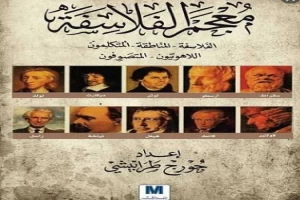
معجم الفلاسفة book pdf download

Section : Philosophy and logic
Department : Social sciences
Auther : George Tarabishi
Language : Arabic
Date of Coming : 2022-08-10
book quality : Good
Number of Pages : 805
Size of file : 20.1MB

Author: George Tarabishi

About the Author: George Tarabishi is a Syrian Arab thinker, writer, critic and translator. Born in Aleppo in 1939, he holds a BA in Arabic and a MA in Education from Damascus University. He worked as director of Damascus Radio (1963-1964), chief editor of the Journal of Arab Studies (1972-1984), and chief editor of Al-Wehda magazine (1984-1989). He stayed for a while in Lebanon, but he left, traumatized by his civil war, to France – in which he resides until now, devoted to writing and writing. He was distinguished by the abundance of his translations and writings, as he translated by Freud, Hegel, Sartre, Berghier, Garaudy, Simone de Beauvoir, and others. His translations amounted to more than two hundred books on philosophy, ideology, psychoanalysis, and novel. He has authored important books in Marxism, national theory and literary criticism of the Arabic novel, on which he was the first in the Arabic language to apply psychoanalytic methods to it. Among his most prominent books are: “The Dictionary of the Philosophers”, “From Renaissance to Apostasy” and “Heretics 1 and 2” and his huge project, which he worked on for more than 20 years, and issued five volumes of it in “Criticism of the Arab Reason,” the last of which was Part Five “From Islam to the Qur’an Islam of Hadith “(Dar Al-Saqi, Beirut, 2010), that is, in the critique of the project of the Moroccan writer and thinker Muhammad Abed Al-Jabri. This work is described as encyclopedic as it contains a reading and review of the Greek heritage, the European philosophical heritage and the Arab Islamic heritage not only philosophical, but also theological, jurisprudential and mystical And the linguist, and he tried to answer this basic question: Did the resignation of the mind in Islam result in an external factor, capable of being commented on by others, or is it an internal tragedy and governed by self-mechanisms, in which the Arab Islamic mind bears the responsibility of dismissing itself? The most important point of Tarabishi’s intellectual path is his transmission through several stations, most notably nationalist, revolutionary, existential and Marxist thought. Tarabishi ended up adopting a radical critical tendency, which he believes is the only position that a thinker can make, especially in the current Arab situation that is attracted by two poles: the idealistic vision of the past and the ideological vision of the present. His most important works: From the Islam of the Qur’an to the Islam of Hadith, Dar Al-Saqi, in association with the League of Arab Rationalists, Beirut 2010 The miracle or slumber of the mind in Islam, Dar Al-Saqi, in association with the League of Arab Rationalists, Beirut 2008 Heresies 1: On Democracy, Secularism, Modernity and Arab Resistance. Dar Al-Saqi, in association with the Association of Arab Rationalists. Beirut 2006 Heretics 2: Secularism as an Islamic-Islamic Problem, Dar Al-Saqi, in association with the League of Arab Rationalists, Beirut 2008 The Theory of the Arab Mind: A Critique of the Arab Mind (Part 1) Problems of the Arab Mind: Critique of the Critique of the Arab Reason (Part 2), published 2002 The Unity of the Arab Mind: Critique of the Arab Reason (Part 3) The Resigned Mind in Islam: A Critique of the Critique of the Arab Mind (Part 4), published 2004 The massacre of heritage in contemporary Arab culture The Fates of Philosophy between Christianity and Islam From renaissance to apostasy: the ruptures of Arab culture in the era of globalization Arab Intellectuals and Heritage: The Psychoanalysis of a Group Neurosis, published in 1991 East and West, masculinity and femininity: a study of the crisis of gender and civilization in the Arabic novel, published 1977 Oedipus complex in the Arabic novel, released 1982 Manhood and the ideology of masculinity in the Arabic novel, published in 1983. God in Naguib Mahfouz’s Symbolic Journey, published 1973. The Game of Dream and Reality: A Study in the Literature of Tawfiq Al-Hakim, published 1972 Literature from the Inside, published 1978. The symbolism of women in the Arabic novel, published in 1981. Female Against Femininity: A Study in the Literature of Nawal El Saadawi in the Light of Psychoanalysis, published 1984 The National Theory and the Qatari State, published 1982 Marxism and Ideology, published 1971 Sartre and Marxism, published 1963 Marxism and the National Question, published 1969 The Sino-Soviet Conflict, issued 1969. The Class Strategy of the Revolution, issued 1970.

معجم الفلاسفة book pdf download By George Tarabishi

أول معجم من نوعه في العربية، جامع للفلاسفة والمناطقة والمتكلمين واللاهوتيين والمتصوفين من جميع الأزمنة ومن جميع البلدان، منذ البدايات الأولى للفلسفة في الهند والصين ثم في اليونان ووصولاً إلى العصر الحاضر، وتمتد الرقعة الجغرافية التي يغطيها من الشرق الأقصى إلى أميركا اللاتينية، مروراً بأوروبا الغربية والشرقية وبالولايات المتحدة والعالمين العربي والإسلامي. هذا المعجم لا يضم جميع الأموات من الفلاسفة فحسب، بل كذلك الأحياء منهم، ويفسح مجالاً واسعاً لعرض آرائهم ومذاهبهم، حتى وإن كان تطور بعضهم لم يكتمل. لهذا المعجم ميزتان ينفرد بهما:: فالمواد الرئيسية فيه موقعة بأسماء محرريها، وهم في الغالب دارسون اختصاصيون أو أساتذة مدرسون في جامعات شتى من العالم، كما أن المواد المتعلقة بمشاهير الفلاسفة ختمت بـ”أحكام” و”منقيات” مما قاله فيهم مشاهير آخرون أو نقاد ودارسون في مختلف حقب التاريخ، ولا تتميز هذه الأحكام بالتنوع فحسب، بل كذلك بالتضاد والتضامن، مما يتيح للقارئ تكوين رأي أدق وأكثر إنصافاً بالطابع النقدي والجدلي عن كل فيلسوف.

Download PDF of معجم الفلاسفة book pdf download By George Tarabishi
-Adrian Agency Library

Download Now

مصائر الفلسفة بين المسيحية والإسلام book pdf download

Date of Coming : 2022-08-10
book quality : Good
Language : Arabic
Size of file : 4.11MB
Section : Philosophy and logic
Department : Social sciences
Number of Pages : 134
Auther : George Tarabishi

Author: George Tarabishi

About the Author: George Tarabishi is a Syrian Arab thinker, writer, critic and translator. Born in Aleppo in 1939, he holds a BA in Arabic and a MA in Education from Damascus University. He worked as director of Damascus Radio (1963-1964), chief editor of the Journal of Arab Studies (1972-1984), and chief editor of Al-Wehda magazine (1984-1989). He stayed for a while in Lebanon, but he left, traumatized by his civil war, to France – in which he resides until now, devoted to writing and writing. He was distinguished by the abundance of his translations and writings, as he translated by Freud, Hegel, Sartre, Berghier, Garaudy, Simone de Beauvoir, and others. His translations amounted to more than two hundred books on philosophy, ideology, psychoanalysis, and novel. He has authored important books in Marxism, national theory and literary criticism of the Arabic novel, on which he was the first in the Arabic language to apply psychoanalytic methods to it. Among his most prominent books are: “The Dictionary of the Philosophers”, “From Renaissance to Apostasy” and “Heretics 1 and 2” and his huge project, which he worked on for more than 20 years, and issued five volumes of it in “Criticism of the Arab Reason,” the last of which was Part Five “From Islam to the Qur’an Islam of Hadith “(Dar Al-Saqi, Beirut, 2010), that is, in the critique of the project of the Moroccan writer and thinker Muhammad Abed Al-Jabri. This work is described as encyclopedic as it contains a reading and review of the Greek heritage, the European philosophical heritage and the Arab Islamic heritage not only philosophical, but also theological, jurisprudential and mystical And the linguist, and he tried to answer this basic question: Did the resignation of the mind in Islam result in an external factor, capable of being commented on by others, or is it an internal tragedy and governed by self-mechanisms, in which the Arab Islamic mind bears the responsibility of dismissing itself? The most important point of Tarabishi’s intellectual path is his transmission through several stations, most notably nationalist, revolutionary, existential and Marxist thought. Tarabishi ended up adopting a radical critical tendency, which he believes is the only position that a thinker can make, especially in the current Arab situation that is attracted by two poles: the idealistic vision of the past and the ideological vision of the present. His most important works: From the Islam of the Qur’an to the Islam of Hadith, Dar Al-Saqi, in association with the League of Arab Rationalists, Beirut 2010 The miracle or slumber of the mind in Islam, Dar Al-Saqi, in association with the League of Arab Rationalists, Beirut 2008 Heresies 1: On Democracy, Secularism, Modernity and Arab Resistance. Dar Al-Saqi, in association with the Association of Arab Rationalists. Beirut 2006 Heretics 2: Secularism as an Islamic-Islamic Problem, Dar Al-Saqi, in association with the League of Arab Rationalists, Beirut 2008 The Theory of the Arab Mind: A Critique of the Arab Mind (Part 1) Problems of the Arab Mind: Critique of the Critique of the Arab Reason (Part 2), published 2002 The Unity of the Arab Mind: Critique of the Arab Reason (Part 3) The Resigned Mind in Islam: A Critique of the Critique of the Arab Mind (Part 4), published 2004 The massacre of heritage in contemporary Arab culture The Fates of Philosophy between Christianity and Islam From renaissance to apostasy: the ruptures of Arab culture in the era of globalization Arab Intellectuals and Heritage: The Psychoanalysis of a Group Neurosis, published in 1991 East and West, masculinity and femininity: a study of the crisis of gender and civilization in the Arabic novel, published 1977 Oedipus complex in the Arabic novel, released 1982 Manhood and the ideology of masculinity in the Arabic novel, published in 1983. God in Naguib Mahfouz’s Symbolic Journey, published 1973. The Game of Dream and Reality: A Study in the Literature of Tawfiq Al-Hakim, published 1972 Literature from the Inside, published 1978. The symbolism of women in the Arabic novel, published in 1981. Female Against Femininity: A Study in the Literature of Nawal El Saadawi in the Light of Psychoanalysis, published 1984 The National Theory and the Qatari State, published 1982 Marxism and Ideology, published 1971 Sartre and Marxism, published 1963 Marxism and the National Question, published 1969 The Sino-Soviet Conflict, issued 1969. The Class Strategy of the Revolution, issued 1970.

مصائر الفلسفة بين المسيحية والإسلام book pdf download By George Tarabishi

يرتدي تاريخ الفلسفة، من حيث هو تاريخ نظر العقل في العقل، أهمية استثنائية. فمع تمخض المركزية الاثنية الاوروبية في القرن التاسع عشر بات تاريخ الفلسفة موضوعاً لصراع انتروبولوجي. فالحضارة الاوروبية قرأت نفسها حضارة عقل مطلق واصطنعت على ضوء هذه القراءة النرجسية جغرافية فلسفية وهمية تمحورت على تغريب العقل “اليوناني” وإنكار قدرة العقل “السامي” على ممارسة الفعل الفلسفي. وقد حاولت الايديولوجيا الاستشراقية ان تضيف إلى ترسانة المركزية الاوروبية حججاً جديدة من خلال تعميم تصور مفاده أن المسيحية كانت للفسلفة مهداً بقدر ما كان الإسلام لها قبرراً. فهل كانت المسيحية صديقة فعلاً للفلسفة التي ما كان الإسلام لها إلا عدواً؟ هذا الكتاب عن مصائر الفلسفة بين المسيحية والإسلام ليس تاريخياً محضاً. فهو لا يعيد طرح سؤال مواطنة الفلسفة ومنفاها في كلتا المدينتين المسيحية والإسلامية إلا ليحاول اقتراح جواب جديد عن إشكالية التقدم والتأخر على ضوء موقف الحضارتين من مسألة العقل.

Download PDF of مصائر الفلسفة بين المسيحية والإسلام book pdf download By George Tarabishi
-Adrian Agency Library


Download Now

As Opinioès e as crenças book pdf download

Department : Social sciences
Number of Pages : 219
Date of Coming : 2022-08-10
book quality : Good
Language : Portuguese
Auther : Gustave Le Bon
Size of file : 0.82MB
Section : Philosophy and logic

Author: Gustave Le Bon

About the Author: Gustave Le Bon: The French physician and historian Gustave Le Bon is one of the most famous foreign historians who were interested in studying Eastern, Arab and Islamic civilizations. He was born in Nouges-Loretro, France in 1841. He studied medicine and toured Europe, Asia and North Africa. He was interested in psychiatry and produced a group of influential researches on group behavior, popular culture, and the means of influencing the masses, which made his research an essential reference in psychology, and among researchers in the media in the first half of the twentieth century. He contributed to the debate about matter and energy, and authored his book The Evolution of Materials, which was very popular in France. He achieved great success with his book “The Psychology of the Crowds”, which gave him a good reputation in the scientific community, which was completed with his best-selling book “The Masses: A Study in the Collective Mind”. Valery, Henri Bergson, and Henri Poincaré. He was known as one of the most famous philosophers of the West who did justice to the Arab nation and Islamic civilization. He did not follow the path of European historians, whose traditions have become to deny the virtue of Islam over the Western world. But Le Bon, who traveled in the Islamic world and has social investigations in it, acknowledged that Muslims were the ones who civilized Europe, so he thought that the golden age of the Arabs would be resurrected from his shrine, and that he would show it to the world in its true form; In 1884 AD, he authored the book “The Civilization of the Arabs” integrating the elements of Arab civilization and its impact on the world, and examined the causes of its greatness and decline, and presented it to the world as a debtor who owes credit to the creditor. He died in Marne-La-Coquet, France, in 1931.

As Opinioès e as crenças book pdf download By Gustave Le Bon

AS OPINIÕES E AS CRENÇAS De GUSTAVE LE BON Le Blon apresenta as várias formas de lógica na psicologia social: biológica, afetiva, coletiva, mística e racional. Analisa, então, as opiniões e as crenças – sua gênese, desenvolvimento, transformação e propagação ÍNDICE APRESENTAÇÃO LIVRO I OS PROBLEMAS DA CRENÇA E DO CONHECIMENTO CAPÍTULO I OS CICLOS DA CRENÇA E DO CONHECIMENTO 1. As dificuldades do problema da crença 2. Em que a crença difere do conhecimento 3. Papéis respectivos de crença e do reconhecimento CAPÍTULO II OS MÉTODOS DE ESTUDO DA PSICOLOGIA Método de introspecção Método psico-físico Método das localizações cerebrais Método das provas e dos questionários Método baseado no estudos das alterações patológicas da inteligência Método baseado na psicologia comparada Método adotado nesta obra para o estudo das opiniões e das crenças LIVRO II O TERRENO PSICOLÓGICO DAS OPINIÕES E DAS CRENÇAS CAPÍTULO I OS GRANDES FATORES DA ATIVIDADE DOS SERES O PRAZER E A DOR 1. Papel do prazer e da dor 2. Caracteres descontínuos do prazer e da dor 3. O desejo como conseqüência do prazer e da dor 4. O prazer em perspectiva. A Esperança 5. O regulador do prazer e da dor. O hábito 6. O Prazer e a dor considerado com as certezas psicológicas fundamentais CAPÍTULO II AS VARIAÇÕES DA SENSIBILIDADE COMO ELEMENTOS DA VIDA INDIVIDUAL E SOCIAL 1. Limites das variações da sensibilidade ao prazer e a dor 2. As oscilações de sensibilidade individual e o seu papel na vida social 3. As variações de ideal e de crenças criadas pelas oscilações da sensibilidade coletiva CAPÍTULO III AS ESFERAS DAS ATIVIDADES VITAIS E PSICOLÓGICAS. A VIDA CONSCIENTE E A VIDA INCONSCIENTE 1. As esferas das atividades vitais e psicológicas 2. A psicologia inconsciente e as fontes da intuição 3. As formas do inconsciente. O inconsciente intelectual e o inconsciente afetivo CAPÍTULO IV O EU AFETIVO E O EU INTELECTUAL 1. O eu afetivo e o eu intelectual 2. As diversas manifestações da vida afetiva emoções, sentimento, paixões 3. A memória afetiva 4. As associações afetivas e intelectuais CAPÍTULO V OS ELEMENTOS DA PERSONALIDADE COMBINAÇÕES DE SENTIMENTOS QUE FORMAM O CARÁTER 1. Os elementos do caráter 2. Os caracteres coletivos dos povos 3. Evolução dos elementos do caráter CAPÍTULO VI A DESAGREGAÇÃO DO CARÁTER E AS OSCILAÇÕES DA PERSONALIDADE 1. Os equilíbrios dos elementos constitutivos do caráter 2. As oscilações da personalidade 3. Os elementos fixadores da personalidade 4. Dificuldade de prever a conduta resultante de caráter determinado LIVRO III AS DIVERSAS FORMAS DE LÓGICA QUE REGEM AS OPINIÕES E AS CRENÇAS CAPÍTULO I CLASSIFICAÇÃO DAS DIVERSAS FORMAS DE LÓGICAS 1. Existem várias formas de lógica 2. As cinco formas de lógicas LÓGICA BIOLÓGICA LÓGICA AFETIVA LÓGICA COLETIVA LÓGICA MÍSTICA LÓGICA RACIONAL 3. Coexistência das diversas formas de lógica CAPÍTULO II A LÓGICA BIOLÓGICA 1. Papel da lógica biológica 2. A lógica biológica e os instintos CAPÍTULO III A LÓGICA AFETIVA E A LÓGICA COLETIVA 1. A lógica afetiva 2. Comparação entre a lógica afetiva e a lógica racional 3. A lógica coletiva CAPÍTULO IV A LÓGICA MÍSTICA 1. Os característicos da lógica mística 2. O misticismo como base das crenças CAPÍTULO V A LÓGICA INTELECTUAL 1. Os elementos fundamentais da lógica intelectual A VONTADE A ATENÇÃO A REFLEXÃO 2. Papel da lógica racional 3. Tardio aparecimento da lógica racional. Ela não procede da natureza, mais foi criada contra a natureza LIVRO IV OS CONFLITOS DAS DIVERSAS FORMAS DE LÓGICAS CAPÍTULO I O CONFLITO DOS ELEMENTOS AFETIVOS, MÍSTICO E INTELECTUAIS 1. Os conflitos das diversas lógicas na vida quotidiana 2. Conflito dos elementos afetivos e intelectuais. Ação das idéias nos sentimentos 3. Luta dos sentimentos contra os sentimentos. As ações inibidoras CAPÍTULO II O CONFLITO DAS DIVERSAS FORMAS DE LÓGICA NA VIDA DOS POVOS 1. Conseqüências da destruição das ações inibidoras dos sentimentos na vida social 2. Os elementos místicos e afetivos na vida dos povos 3. Os equilíbrios e as rupturas das várias formas de lógica na vida dos povos CAPÍTULO III A BALANÇA DOS MOTIVOS 1. A balança mental. A ação 2. Papel da vontade da balança dos motivos 3. Como a lógica racional pode atuar na balança dos motivos LIVRO V AS OPINIÕES E AS CRENÇAS INDIVIDUAIS CAPÍTULO I OS FATORES INTERNOS DAS OPINIÕES E DAS CRENÇAS (O CARÁTER, O IDEAL, AS NECESSIDADES, O INTERESSE, AS PAIXÕES, ETC.) 1. Influência dos vários fatores das opiniões e das crenças 2. O caráter 3. O ideal 4. As necessidades 5. O interesse 6. As paixões CAPÍTULO II OS FATORES EXTERNOS DAS OPINIÕES E DAS CRENÇAS 1. A sugestão 2. As primeiras impressões 3. A Necessidade de explicações 4. Os vocábulos, as fórmulas e as imagens 5. As ilusões 6. A necessidade CAPÍTULO III PORQUE DIFEREM AS OPINIÕES E PORQUE A RAZÃO NÃO AS CONSEGUE RETIFICAR 1. Diferenças de mentalidade originando diferenças de opiniões 2. Os elementos de retificação das opiniões 3. Papel da razão na formação das opiniões e das decisões importantes 4. Papel da razão na formação das opiniões quotidianas CAPÍTULO IV A RETIFICAÇAO DAS OPINIÕES PELA EXPERIÊNCIA 1. A experiência na vida dos povos 2. Dificuldade de perceber os fatores gerais da experiência LIVRO VI AS OPINIÕES E AS CRENÇAS COLETIVAS CAPÍTULO I AS OPINIÕES FORMADAS SOB INFLUÊNCIAS COLETIVAS (A raça, o meio, o costume, os grupos sociais, etc.) 1. Influências da raça na crenças 2. Influências do meio social e dois grupos sociais 3. Influência do costume CAPÍTULO II OS PROGRESSOS DA INFLUÊNCIA DAS OPINIÕES COLETIVAS E AS SUAS CONSEQÜÊNCIAS 1. Os característicos das opiniões populares 2. Como, sob a mobilidade das opiniões populares persiste certa fixidez? 3. A força da opinião popular antes da idade moderna 4. Os progressos atuais das influências coletivas na gênese das opiniões e suas conseqüências 5. Influência das coletividades na estabilização de certos elementos sociais CAPÍTULO III A DISSOLUÇÃO DA ALMA INDIVIDUAL NA ALMA COLETIVA 1. Desagregação atual das grandes coletividades em pequenos grupos 2. Como a alma individual proveio da alma coletiva e como volta para ela LIVRO VII A PROPAGAÇÃO DAS OPINIÕES E DAS CRENÇAS CAPÍTULO I A AFIRMAÇÃO, A REPETIÇÃO, O EXEMPLO E O PRESTÍGIO 1. A afirmação e a repetição 2. O exemplo 3. O prestígio CAPÍTULO II O CONTÁGIO MENTAL 1. As formas do contágio mental 2. Diversos exemplos de contágio mental 3. Força do contágio mental 4. Influência do contágio na propagação das crenças religiosas e políticas CAPÍTULO III A MODA 1. Influência da moda em todos os elementos da vida social 2. As regras da moda. Como nela intervém elementos afetivos e elementos racionais CAPÍTULO IV OS JORNAIS E OS LIVROS 1. Influência dos livros e dos jornais 2. A persuasão pela publicidade CAPÍTULO V AS CORRENTES E A EXPLOSÃO DE OPINIÕES 1. As correntes de opiniões e a sua criação 2. A explosão de opiniões LIVRO VIII A VIDA DAS CRENÇAS CAPÍTULO I CARACTERES FUNDAMENTAIS DE UMA CRENÇA 1. A crença como irredutível necessidade da vida mental 2. A intolerância das crenças 3. A independência das opiniões. Papel social da intolerância 4. O paroxismo da crença. Os mártires CAPÍTULO II AS CERTEZAS DERIVADAS DAS CRENÇAS, NATUREZA DAS PROVAS COM QUE SE CONTENTAM OS CRENTES 1. As certezas derivadas das crenças 2. Natureza das provas com que se contentam o espírito no campo da crença. 3. O ponto irredutível do conflito entre a ciência e a crença CAPÍTULO III PAPEL ATRIBUÍDO À RAZÃO E À VONTADE NA GÊNESE DE UMA CRENÇA 1. Independência da razão e da crença 2. A nula influência da razão sobre a crença CAPÍTULO IV COMO AS CRENÇAS SE MANTÊM E SE TRANSFORMAM 1. Como as crenças se mantêm 2. Como as crenças evolvem CAPÍTULO V COMO MORREM AS CRENÇAS 1. A fase crítica das crenças e a sua dissolução 2. Transformação das crenças religiosas em crenças políticas LIVRO IX PESQUISAS EXPERIMENTAIS SOBRE A FORMAÇÃO DAS CRENÇAS E SOBRE OS FENÔMENOS INCONSCIENTES DE QUE ELAS DERIVAM CAPÍTULO I INTERVENÇÃO DA CRENÇA NO CICLO DO CONHECIMENTO. GÊNESE DAS ILUSÕES CIENTÍFICAS 1. Porque o conhecimento permanece sempre mesclado de crenças 2. Gênese das ilusões científicas CAPÍTULO II A FORMAÇÃO MODERNA DE UMA CRENÇA. O OCULTISMO 1. Utilidade de estudar experimentalmente a formação de uma crença 2. A magia na antigüidade e na idade-média 3. A magia nos tempos modernos e os fenômenos de materialização 4. Razões psicológicas da formação das crenças ocultistas CAPÍTULO III MÉTODOS DE EXAME APLICÁVEIS AO ESTUDO EXPERIMENTAL DE CERTAS CRENÇAS E DE DIVERSOS FENÔMENOS SUPOSTAMENTE MARAVILHOSOS 1. Insuficiência dos métodos habituais de observações 2. Valor do testemunho e da observação no estudo das crenças 3. Valor da experiência individual e coletiva 4. Necessidade de dissociar os fenômenos e praticar apenas o exame de um elemento isolado. Aplicação ao estudo da levitação 5. Quais são os observadores mais aptos a estudarem os fenômenos espíritas CAPÍTULO IV ESTUDO EXPERIMENTAL DE ALGUNS DOS FENÔMENOS INCONSCIENTES,GERADORES DE CRENÇAS 1. Experiências a efetuar para o estudo da formação das opiniões e das crenças 2. As ações fisiológicas e curativas da fé 3. As ilusões criadas pelas sugestões individuais, e coletivas 4. Transformação das almas individuais numa alma coletiva 5. As comunicações de pensamentos 6. A desagregação das personalidades 7. Dissociação experimental dos elementos racionais e afetivos das nossas opiniões e dos nossos julgamentos 8. A força psíquica e a vontade radiante CAPÍTULO V COMO O ESPÍRITO SE FIXA NO CICLO DA CRENÇA — TEM LIMITES A CREDULIDADE? 1. O conhecimento e a crença entre os sábios 2. Mecanismo mental da conversão do sábio 3. Os limites da credulidade CONCLUSÕES Publicado pela ÍCONE EDITORA em 2002 FORMATO 14 X 21 CM 362 páginas LIVRO NOVO ( mas foi refilado e nunca foi lacrado – a lombada está originalmente enrugada – e possui levíssimas marcas externas de armazenamento – fotos do próprio livro: é este exemplar que vc irá receber )

Download PDF of As Opinioès e as crenças book pdf download By Gustave Le Bon
-Adrian Agency Library

Download Now

The Evolution of Matter book pdf download

Auther : Gustave Le Bon
Section : Philosophy and logic
Number of Pages : 168
Department : Social sciences
Date of Coming : 2022-08-10
book quality : Good
Size of file : 2.03MB
Language : English

Author: Gustave Le Bon

About the Author: Gustave Le Bon: The French physician and historian Gustave Le Bon is one of the most famous foreign historians who were interested in studying Eastern, Arab and Islamic civilizations. He was born in Nouges-Loretro, France in 1841. He studied medicine and toured Europe, Asia and North Africa. He was interested in psychiatry and produced a group of influential researches on group behavior, popular culture, and the means of influencing the masses, which made his research an essential reference in psychology, and among researchers in the media in the first half of the twentieth century. He contributed to the debate about matter and energy, and authored his book The Evolution of Materials, which was very popular in France. He achieved great success with his book “The Psychology of the Crowds”, which gave him a good reputation in the scientific community, which was completed with his best-selling book “The Masses: A Study in the Collective Mind”. Valery, Henri Bergson, and Henri Poincaré. He was known as one of the most famous philosophers of the West who did justice to the Arab nation and Islamic civilization. He did not follow the path of European historians, whose traditions have become to deny the virtue of Islam over the Western world. But Le Bon, who traveled in the Islamic world and has social investigations in it, acknowledged that Muslims were the ones who civilized Europe, so he thought that the golden age of the Arabs would be resurrected from his shrine, and that he would show it to the world in its true form; In 1884 AD, he authored the book “The Civilization of the Arabs” integrating the elements of Arab civilization and its impact on the world, and examined the causes of its greatness and decline, and presented it to the world as a debtor who owes credit to the creditor. He died in Marne-La-Coquet, France, in 1931.

The Evolution of Matter book pdf download By Gustave Le Bon

This book has been considered by academicians and scholars of great significance and value to literature. This forms a part of the knowledge base for future generations. So that the book is never forgotten we have represented this book in a print format as the same form as it was originally first published. Hence any marks or annotations seen are left intentionally to preserve its true nature.

Download PDF of The Evolution of Matter book pdf download By Gustave Le Bon
-Adrian Agency Library

Download Now

Le déséquilibre du monde book pdf download

Size of file : 0.63MB
Language : French
Section : Philosophy and logic
book quality : Good
Department : Social sciences
Date of Coming : 2022-08-10
Number of Pages : 438
Auther : Gustave Le Bon

Author: Gustave Le Bon

About the Author: Gustave Le Bon: The French physician and historian Gustave Le Bon is one of the most famous foreign historians who were interested in studying Eastern, Arab and Islamic civilizations. He was born in Nouges-Loretro, France in 1841. He studied medicine and toured Europe, Asia and North Africa. He was interested in psychiatry and produced a group of influential researches on group behavior, popular culture, and the means of influencing the masses, which made his research an essential reference in psychology, and among researchers in the media in the first half of the twentieth century. He contributed to the debate about matter and energy, and authored his book The Evolution of Materials, which was very popular in France. He achieved great success with his book “The Psychology of the Crowds”, which gave him a good reputation in the scientific community, which was completed with his best-selling book “The Masses: A Study in the Collective Mind”. Valery, Henri Bergson, and Henri Poincaré. He was known as one of the most famous philosophers of the West who did justice to the Arab nation and Islamic civilization. He did not follow the path of European historians, whose traditions have become to deny the virtue of Islam over the Western world. But Le Bon, who traveled in the Islamic world and has social investigations in it, acknowledged that Muslims were the ones who civilized Europe, so he thought that the golden age of the Arabs would be resurrected from his shrine, and that he would show it to the world in its true form; In 1884 AD, he authored the book “The Civilization of the Arabs” integrating the elements of Arab civilization and its impact on the world, and examined the causes of its greatness and decline, and presented it to the world as a debtor who owes credit to the creditor. He died in Marne-La-Coquet, France, in 1931.

Le déséquilibre du monde book pdf download By Gustave Le Bon

Chapitre I. Les forces nouvelles qui mènent le monde Les raisons premières étant inaccessibles, la nature intime des forces physiques demeure inconnue. Pour les définir, on en est réduit à dire qu’elles sont « des causes de mouvement ». La nature intime des mobiles qui font agir les hommes restant aussi ignorée que celle des forces physiques, il faut imiter la réserve des savants et donner simplement le nom de forces aux causes diverses de nos actions. Ces forces peuvent être internes, c’est-à-dire issues de nous-mêmes : telles les forces biologiques, affectives, mystiques et intellectuelles. Elles peuvent aussi être indépendantes de nous : tels le milieu et les influences économiques. Pendant toute la durée de la préhistoire, les forces biologiques, la faim surtout, dominèrent presque exclusivement l’existence. L’humanité n’avait d’autre idéal possible que se nourrir et se reproduire. Après des entassements d’âges, la vie devint un peu plus facile et des ébauches de sociétés naquirent. À la tribu nomade succédèrent des villages, des cités et enfin des empires. C’est alors seulement que purent s’édifier les grandes civilisations. Elles furent de types différents, suivant les forces qui les orientèrent. Les besoins biologiques et certains éléments affectifs, tels que l’ambition, engendrèrent des civilisations de type militaire analogues à celles de Rome et des grandes monarchies asiatiques. Lorsque les forces intellectuelles devinrent prépondérantes, ce fut la civilisation hellénique avec ses merveilles de la pensée et de l’art. Quand les forces mystiques l’emportèrent, ce fut le Moyen âge avec ses cathédrales et sa vie religieuse intense.

Download PDF of Le déséquilibre du monde book pdf download By Gustave Le Bon
-Adrian Agency Library

Download Now

Les opinions et les croyances: Genèse – évolution book pdf download

Size of file : 0.64MB
book quality : Good
Number of Pages : 232
Auther : Gustave Le Bon
Section : Philosophy and logic
Language : French
Department : Social sciences
Date of Coming : 2022-08-10

Author: Gustave Le Bon

About the Author: Gustave Le Bon: The French physician and historian Gustave Le Bon is one of the most famous foreign historians who were interested in studying Eastern, Arab and Islamic civilizations. He was born in Nouges-Loretro, France in 1841. He studied medicine and toured Europe, Asia and North Africa. He was interested in psychiatry and produced a group of influential researches on group behavior, popular culture, and the means of influencing the masses, which made his research an essential reference in psychology, and among researchers in the media in the first half of the twentieth century. He contributed to the debate about matter and energy, and authored his book The Evolution of Materials, which was very popular in France. He achieved great success with his book “The Psychology of the Crowds”, which gave him a good reputation in the scientific community, which was completed with his best-selling book “The Masses: A Study in the Collective Mind”. Valery, Henri Bergson, and Henri Poincaré. He was known as one of the most famous philosophers of the West who did justice to the Arab nation and Islamic civilization. He did not follow the path of European historians, whose traditions have become to deny the virtue of Islam over the Western world. But Le Bon, who traveled in the Islamic world and has social investigations in it, acknowledged that Muslims were the ones who civilized Europe, so he thought that the golden age of the Arabs would be resurrected from his shrine, and that he would show it to the world in its true form; In 1884 AD, he authored the book “The Civilization of the Arabs” integrating the elements of Arab civilization and its impact on the world, and examined the causes of its greatness and decline, and presented it to the world as a debtor who owes credit to the creditor. He died in Marne-La-Coquet, France, in 1931.

Les opinions et les croyances: Genèse – évolution book pdf download By Gustave Le Bon

Les opinions et les croyances : genèse, évolution / Dr Gustave Le Bon Date de l’édition originale : 1911 Collection : Bibliothèque de philosophie scientifique Le présent ouvrage s’inscrit dans une politique de conservation patrimoniale des ouvrages de la littérature Française mise en place avec la BNF. HACHETTE LIVRE et la BNF proposent ainsi un catalogue de titres indisponibles, la BNF ayant numérisé ces œuvres et HACHETTE LIVRE les imprimant à la demande. Certains de ces ouvrages reflètent des courants de pensée…

Download PDF of Les opinions et les croyances: Genèse – évolution book pdf download By Gustave Le Bon
-Adrian Agency Library

Download Now