إحياء علوم الدين – المجلد الخامس book pdf download

book quality : Good
Size of file : 17.6MB
Section : Islam
Number of Pages : 735
Date of Coming : 2022-08-10
Language : Arabic
Auther : Abu Hamid Al Ghazali
Department : Religions

Author: Abu Hamid Al Ghazali

About the Author: Muhammad ibn Muhammad ibn Muhammad al-Ghazali al-Tusi, Abu Hamid, Hajjat ​​al-Islam: Philosopher, Sufi, author of about two hundred works. He was born and died in al-Tabaran (the Kasbah of Tus, in Khorasan). He moved to Nishapur, then to Baghdad, the Hijaz, the Levant, and Egypt, and returned to his hometown. Attributing it to the spinning industry (for those who say it with an emphasis on zai) or to Ghazala (from the villages of Tus) for those who say it is lightening. Among his books are (The Revival of the Religious Sciences) in four volumes, and (The Incoherence of the Philosophers), (Economy in Belief), (The Test of Consideration), (The Ascendants of Jerusalem in the Conditions of the Soul), (The Difference Between the Good and the Unrighteous), (The Philosophers’ Purposes) and (Al-Madnoon). By it on those who do not deserve it) and in attributing it to speech, and (endowment and initiation) in interpretation, (the simple) in jurisprudence, (rational knowledge), (the savior from misguidance), (the beginning of guidance), (the jewels of the Qur’an) and (the scandals of the esoteric ) Part of it, known Balmstzhiri, and scandals Mu’tazila. And (Al-Tabar Al-Misbok fi Advice to the Kings) it was written in Persian and translated into Arabic, and (Al-Walidiya) is a message in it that is more than saying: O Child, and (Minhaj Al-Abidin) it was said: It is the last of his compositions, and (Ijjam Al-Awm on the science of theology) and (Al-Tayr). ) Risala, and (Al-Durra Al-Fakhira fi Uncovering the Sciences of the Afterlife) and (Shifaa Al-Ail) in Usul al-Fiqh, (Al-Mustafa min ‘Ilm al-Usul) two volumes, (Al-Mankhool min ‘Ilm al-Usul) and (Al-Wajeez) in the Shafi’i Branches, and (Sapphire interpretation fi Tafsir al-Tanzil) is large, it was said: in about forty volumes, and (The Secrets of Hajj), (Dictation on the Problems of Revival), (Faisal the Distinction between Islam and Heresy), (The Creed of Ahl al-Sunnah), (The Balance of Action) and (The Most High Destiny in Explanation of Asma’ Allah the Most Beautiful) and he has books in Persian. Taha Abd al-Baqi Sorour has a book (Al-Ghazali) in his biography, and likewise for Yohanna Qamir, Jamil Saliba and Kamel Ayyad, Muhammad Rida and Zaki Mubarak (The Ethics of Al-Ghazali), Ahmed Farid Al-Rifai (Al-Ghazali) and Muhammad Rida (Abu Hamid Al-Ghazali: His Life and Works) and Abu Bakr Abd Al-Raziq ( In the Companions of Al-Ghazali) and by Suleiman Dunya (The Truth in the View of Al-Ghazali) and Sheikh Muhammad Al-Khudari a message in (His translation, teachings and opinions) published in Volume 34 of Al-Muqtataf magazine. And in Turkish (Imam Ghazali) in his history and philosophy, by Rida al-Din bin Fakhr al-Din, and by Hassan Abdel-Latif Azzam al-Fayumi, a treatise in (What is for al-Ghazali and what is upon him) Among his books: 1. sifted 2. The casting of burial according to the advice of the kings 3. The hospital 4. The mediator in the doctrine 5. The rules of belief 6. The highest purpose 7. Ascension of Jerusalem in the runways of self-knowledge 8. Esoteric scandals 9. Arrogant types 10. Economics in belief by Al-Ghazali 11. Savior from error 12. The Chemistry of Happiness 13. Balance of work 14. Revival of religious sciences 15. Jewels of the Qur’an 16. Philosophers’ Incoherence 17. Mishkat Al Anwar 18. The beginning of guidance 19. The test of sight 20. The standard of science in the art of logic

إحياء علوم الدين – المجلد الخامس book pdf download By Abu Hamid Al Ghazali

كتاب (إحياء علوم الدين) من الكتب التي لقيت عناية كبيرة لدى أهل العلم، فهو كتاب جامع في الأخلاق والسلوك والمواعظ، ومؤلفه أبو حامد محمد الطوسي الغزالي المتوفي سنة (505هـ) الإمام صاحب التصانيف الكثيرة في كثير من الفنون: الفقه، والأصول، والفلسفة، والكلام، والتصوف. و كتابه (إحياء علوم الدين) تباينت تجاهه الآراء، فمدحه قوم حتى غلو في مدحه، وقالوا: (من لم يقرأ الإحياء فليس من الأحياء). وذمه قوم حتى أفتوا بحرقه ومنعه. وسبب الاختلاف في كتاب (الإحياء) أن فيه نفعاً كثيراً، وفيه من الطامات والبلايا ما يمنع من قراءته، إلا ممن له خبرة ودراية بعقائد الصوفية والحلولية والفلاسفة، ممن تحصن بعقيدة السلف الصالح. قال شيخ الإسلام ابن تيمية: (والإحياء فيه فوائد كثيرة، لكن فيه مواد مذمومة ، فإنه فيه مواد فاسدة من كلام الفلاسفة، تتعلق بالتوحيد والنبوة والمعاد، فإذا ذكر معارف الصوفية كان بمنزلة من أخذ عدوًّا للمسلمين ألبسه ثياب المسلمين ، وقد أنكر أئمة الدين على أبى حامد هذا في كتبه، وقالوا: مَرَّضَهُ (الشفاء)- يعنى شفاء ابن سينا في الفلسفة- وفيه أحاديث وآثار ضعيفة، بل موضوعة كثيرة، وفيه أشياء من أغاليط الصوفية وترَّهاتهم، وفيه مع ذلك من كلام المشايخ الصوفية العارفين المستقيمين في أعمال القلوب، الموافق للكتاب والسنة، ومن غير ذلك من العبادات والأدب، ما هو موافق للكتاب والسنة، ما هو أكثر مما يردُّ منه ، فلهذا اختلف فيه اجتهاد الناس وتنازعوا فيه). انتهى. (مجموع الفتاوى) (10/551). وقال الذهبي في (سير أعلام النبلاء) (19/339): (أما الإحياء ففيه من الأحاديث الباطلة جملة، وفيه خير كثير لولا ما فيه من آداب، ورسوم، وزهد من طرائق الحكماء ومنحرفي الصوفية، نسأل الله علما نافعاً). ومما يؤخذ على الكتاب أيضاً ذكره لبعض شطحات المتصوفة وأغاليطهم, كما أنه يتضمن بعض المخالفات في العقائد والعبادات والأخلاق. وقد اختصره غير واحد من أهل العلم حرصاً على أن يستفاد مما فيه من خير بحذف ما سواه، ومنهم ابن الجوزي الذي حذف الأحاديث الموضوعة والواهية، وعمد إلى ما لا طائل من ورائه مما احتوى على بعض المخالفات، فحذفه، وسمى كتابه (منهاج القاصدين) وقال في مقدمته: (فاعلم أن في كتاب الإحياء آفات لا يعلمها إلا العلماء وأقلها الأحاديث الموضوعة، والموقوفة قد جعلها مرفوعة، وإنما نقلها كما اقتراها لا أنه افتراها….) ثم يقول: (وكيف أوثر أن يطرق سمعك من كلام المتصوفة الذي جمعه، وندب إلى العمل به ما لا حاصل له، من الكلام في الفناء والبقاء، والأمر بشدة الجوع، والخروج إلى السياحة في غير حاجة، والدخول في الفلاة بغير زاد إلى غير ذلك….). ثم قال: (وسأكتب لك كتابا يخلو عن مفاسده ولا يخل بفوائده). انتهى. ثم اختصر المقدسي (منهاج القاصدين) هذا في كتابه (مختصر منهاج القاصدين)، وهناك مختصرات أخرى.

Download PDF of إحياء علوم الدين – المجلد الخامس book pdf download By Abu Hamid Al Ghazali
-Adrian Agency Library

Download Now

إحياء علوم الدين – المجلد الرابع book pdf download

Size of file : 16.6MB
Auther : Abu Hamid Al Ghazali
Number of Pages : 800
Department : Religions
Section : Islam
book quality : Good
Language : Arabic
Date of Coming : 2022-08-10

Author: Abu Hamid Al Ghazali

About the Author: Muhammad ibn Muhammad ibn Muhammad al-Ghazali al-Tusi, Abu Hamid, Hajjat ​​al-Islam: Philosopher, Sufi, author of about two hundred works. He was born and died in al-Tabaran (the Kasbah of Tus, in Khorasan). He moved to Nishapur, then to Baghdad, the Hijaz, the Levant, and Egypt, and returned to his hometown. Attributing it to the spinning industry (for those who say it with an emphasis on zai) or to Ghazala (from the villages of Tus) for those who say it is lightening. Among his books are (The Revival of the Religious Sciences) in four volumes, and (The Incoherence of the Philosophers), (Economy in Belief), (The Test of Consideration), (The Ascendants of Jerusalem in the Conditions of the Soul), (The Difference Between the Good and the Unrighteous), (The Philosophers’ Purposes) and (Al-Madnoon). By it on those who do not deserve it) and in attributing it to speech, and (endowment and initiation) in interpretation, (the simple) in jurisprudence, (rational knowledge), (the savior from misguidance), (the beginning of guidance), (the jewels of the Qur’an) and (the scandals of the esoteric ) Part of it, known Balmstzhiri, and scandals Mu’tazila. And (Al-Tabar Al-Misbok fi Advice to the Kings) it was written in Persian and translated into Arabic, and (Al-Walidiya) is a message in it that is more than saying: O Child, and (Minhaj Al-Abidin) it was said: It is the last of his compositions, and (Ijjam Al-Awm on the science of theology) and (Al-Tayr). ) Risala, and (Al-Durra Al-Fakhira fi Uncovering the Sciences of the Afterlife) and (Shifaa Al-Ail) in Usul al-Fiqh, (Al-Mustafa min ‘Ilm al-Usul) two volumes, (Al-Mankhool min ‘Ilm al-Usul) and (Al-Wajeez) in the Shafi’i Branches, and (Sapphire interpretation fi Tafsir al-Tanzil) is large, it was said: in about forty volumes, and (The Secrets of Hajj), (Dictation on the Problems of Revival), (Faisal the Distinction between Islam and Heresy), (The Creed of Ahl al-Sunnah), (The Balance of Action) and (The Most High Destiny in Explanation of Asma’ Allah the Most Beautiful) and he has books in Persian. Taha Abd al-Baqi Sorour has a book (Al-Ghazali) in his biography, and likewise for Yohanna Qamir, Jamil Saliba and Kamel Ayyad, Muhammad Rida and Zaki Mubarak (The Ethics of Al-Ghazali), Ahmed Farid Al-Rifai (Al-Ghazali) and Muhammad Rida (Abu Hamid Al-Ghazali: His Life and Works) and Abu Bakr Abd Al-Raziq ( In the Companions of Al-Ghazali) and by Suleiman Dunya (The Truth in the View of Al-Ghazali) and Sheikh Muhammad Al-Khudari a message in (His translation, teachings and opinions) published in Volume 34 of Al-Muqtataf magazine. And in Turkish (Imam Ghazali) in his history and philosophy, by Rida al-Din bin Fakhr al-Din, and by Hassan Abdel-Latif Azzam al-Fayumi, a treatise in (What is for al-Ghazali and what is upon him) Among his books: 1. sifted 2. The casting of burial according to the advice of the kings 3. The hospital 4. The mediator in the doctrine 5. The rules of belief 6. The highest purpose 7. Ascension of Jerusalem in the runways of self-knowledge 8. Esoteric scandals 9. Arrogant types 10. Economics in belief by Al-Ghazali 11. Savior from error 12. The Chemistry of Happiness 13. Balance of work 14. Revival of religious sciences 15. Jewels of the Qur’an 16. Philosophers’ Incoherence 17. Mishkat Al Anwar 18. The beginning of guidance 19. The test of sight 20. The standard of science in the art of logic

إحياء علوم الدين – المجلد الرابع book pdf download By Abu Hamid Al Ghazali

كتاب (إحياء علوم الدين) من الكتب التي لقيت عناية كبيرة لدى أهل العلم، فهو كتاب جامع في الأخلاق والسلوك والمواعظ، ومؤلفه أبو حامد محمد الطوسي الغزالي المتوفي سنة (505هـ) الإمام صاحب التصانيف الكثيرة في كثير من الفنون: الفقه، والأصول، والفلسفة، والكلام، والتصوف. و كتابه (إحياء علوم الدين) تباينت تجاهه الآراء، فمدحه قوم حتى غلو في مدحه، وقالوا: (من لم يقرأ الإحياء فليس من الأحياء). وذمه قوم حتى أفتوا بحرقه ومنعه. وسبب الاختلاف في كتاب (الإحياء) أن فيه نفعاً كثيراً، وفيه من الطامات والبلايا ما يمنع من قراءته، إلا ممن له خبرة ودراية بعقائد الصوفية والحلولية والفلاسفة، ممن تحصن بعقيدة السلف الصالح. قال شيخ الإسلام ابن تيمية: (والإحياء فيه فوائد كثيرة، لكن فيه مواد مذمومة ، فإنه فيه مواد فاسدة من كلام الفلاسفة، تتعلق بالتوحيد والنبوة والمعاد، فإذا ذكر معارف الصوفية كان بمنزلة من أخذ عدوًّا للمسلمين ألبسه ثياب المسلمين ، وقد أنكر أئمة الدين على أبى حامد هذا في كتبه، وقالوا: مَرَّضَهُ (الشفاء)- يعنى شفاء ابن سينا في الفلسفة- وفيه أحاديث وآثار ضعيفة، بل موضوعة كثيرة، وفيه أشياء من أغاليط الصوفية وترَّهاتهم، وفيه مع ذلك من كلام المشايخ الصوفية العارفين المستقيمين في أعمال القلوب، الموافق للكتاب والسنة، ومن غير ذلك من العبادات والأدب، ما هو موافق للكتاب والسنة، ما هو أكثر مما يردُّ منه ، فلهذا اختلف فيه اجتهاد الناس وتنازعوا فيه). انتهى. (مجموع الفتاوى) (10/551). وقال الذهبي في (سير أعلام النبلاء) (19/339): (أما الإحياء ففيه من الأحاديث الباطلة جملة، وفيه خير كثير لولا ما فيه من آداب، ورسوم، وزهد من طرائق الحكماء ومنحرفي الصوفية، نسأل الله علما نافعاً). ومما يؤخذ على الكتاب أيضاً ذكره لبعض شطحات المتصوفة وأغاليطهم, كما أنه يتضمن بعض المخالفات في العقائد والعبادات والأخلاق. وقد اختصره غير واحد من أهل العلم حرصاً على أن يستفاد مما فيه من خير بحذف ما سواه، ومنهم ابن الجوزي الذي حذف الأحاديث الموضوعة والواهية، وعمد إلى ما لا طائل من ورائه مما احتوى على بعض المخالفات، فحذفه، وسمى كتابه (منهاج القاصدين) وقال في مقدمته: (فاعلم أن في كتاب الإحياء آفات لا يعلمها إلا العلماء وأقلها الأحاديث الموضوعة، والموقوفة قد جعلها مرفوعة، وإنما نقلها كما اقتراها لا أنه افتراها….) ثم يقول: (وكيف أوثر أن يطرق سمعك من كلام المتصوفة الذي جمعه، وندب إلى العمل به ما لا حاصل له، من الكلام في الفناء والبقاء، والأمر بشدة الجوع، والخروج إلى السياحة في غير حاجة، والدخول في الفلاة بغير زاد إلى غير ذلك….). ثم قال: (وسأكتب لك كتابا يخلو عن مفاسده ولا يخل بفوائده). انتهى. ثم اختصر المقدسي (منهاج القاصدين) هذا في كتابه (مختصر منهاج القاصدين)، وهناك مختصرات أخرى.

Download PDF of إحياء علوم الدين – المجلد الرابع book pdf download By Abu Hamid Al Ghazali
-Adrian Agency Library
Download Now

إحياء علوم الدين – المجلد الثالث book pdf download

Department : Religions
Size of file : 10.4MB
Section : Islam
Language : Arabic
Number of Pages : 607
Date of Coming : 2022-08-10
book quality : Good
Auther : Abu Hamid Al Ghazali

Author: Abu Hamid Al Ghazali

About the Author: Muhammad ibn Muhammad ibn Muhammad al-Ghazali al-Tusi, Abu Hamid, Hajjat ​​al-Islam: Philosopher, Sufi, author of about two hundred works. He was born and died in al-Tabaran (the Kasbah of Tus, in Khorasan). He moved to Nishapur, then to Baghdad, the Hijaz, the Levant, and Egypt, and returned to his hometown. Attributing it to the spinning industry (for those who say it with an emphasis on zai) or to Ghazala (from the villages of Tus) for those who say it is lightening. Among his books are (The Revival of the Religious Sciences) in four volumes, and (The Incoherence of the Philosophers), (Economy in Belief), (The Test of Consideration), (The Ascendants of Jerusalem in the Conditions of the Soul), (The Difference Between the Good and the Unrighteous), (The Philosophers’ Purposes) and (Al-Madnoon). By it on those who do not deserve it) and in attributing it to speech, and (endowment and initiation) in interpretation, (the simple) in jurisprudence, (rational knowledge), (the savior from misguidance), (the beginning of guidance), (the jewels of the Qur’an) and (the scandals of the esoteric ) Part of it, known Balmstzhiri, and scandals Mu’tazila. And (Al-Tabar Al-Misbok fi Advice to the Kings) it was written in Persian and translated into Arabic, and (Al-Walidiya) is a message in it that is more than saying: O Child, and (Minhaj Al-Abidin) it was said: It is the last of his compositions, and (Ijjam Al-Awm on the science of theology) and (Al-Tayr). ) Risala, and (Al-Durra Al-Fakhira fi Uncovering the Sciences of the Afterlife) and (Shifaa Al-Ail) in Usul al-Fiqh, (Al-Mustafa min ‘Ilm al-Usul) two volumes, (Al-Mankhool min ‘Ilm al-Usul) and (Al-Wajeez) in the Shafi’i Branches, and (Sapphire interpretation fi Tafsir al-Tanzil) is large, it was said: in about forty volumes, and (The Secrets of Hajj), (Dictation on the Problems of Revival), (Faisal the Distinction between Islam and Heresy), (The Creed of Ahl al-Sunnah), (The Balance of Action) and (The Most High Destiny in Explanation of Asma’ Allah the Most Beautiful) and he has books in Persian. Taha Abd al-Baqi Sorour has a book (Al-Ghazali) in his biography, and likewise for Yohanna Qamir, Jamil Saliba and Kamel Ayyad, Muhammad Rida and Zaki Mubarak (The Ethics of Al-Ghazali), Ahmed Farid Al-Rifai (Al-Ghazali) and Muhammad Rida (Abu Hamid Al-Ghazali: His Life and Works) and Abu Bakr Abd Al-Raziq ( In the Companions of Al-Ghazali) and by Suleiman Dunya (The Truth in the View of Al-Ghazali) and Sheikh Muhammad Al-Khudari a message in (His translation, teachings and opinions) published in Volume 34 of Al-Muqtataf magazine. And in Turkish (Imam Ghazali) in his history and philosophy, by Rida al-Din bin Fakhr al-Din, and by Hassan Abdel-Latif Azzam al-Fayumi, a treatise in (What is for al-Ghazali and what is upon him) Among his books: 1. sifted 2. The casting of burial according to the advice of the kings 3. The hospital 4. The mediator in the doctrine 5. The rules of belief 6. The highest purpose 7. Ascension of Jerusalem in the runways of self-knowledge 8. Esoteric scandals 9. Arrogant types 10. Economics in belief by Al-Ghazali 11. Savior from error 12. The Chemistry of Happiness 13. Balance of work 14. Revival of religious sciences 15. Jewels of the Qur’an 16. Philosophers’ Incoherence 17. Mishkat Al Anwar 18. The beginning of guidance 19. The test of sight 20. The standard of science in the art of logic

إحياء علوم الدين – المجلد الثالث book pdf download By Abu Hamid Al Ghazali

كتاب (إحياء علوم الدين) من الكتب التي لقيت عناية كبيرة لدى أهل العلم، فهو كتاب جامع في الأخلاق والسلوك والمواعظ، ومؤلفه أبو حامد محمد الطوسي الغزالي المتوفي سنة (505هـ) الإمام صاحب التصانيف الكثيرة في كثير من الفنون: الفقه، والأصول، والفلسفة، والكلام، والتصوف. و كتابه (إحياء علوم الدين) تباينت تجاهه الآراء، فمدحه قوم حتى غلو في مدحه، وقالوا: (من لم يقرأ الإحياء فليس من الأحياء). وذمه قوم حتى أفتوا بحرقه ومنعه. وسبب الاختلاف في كتاب (الإحياء) أن فيه نفعاً كثيراً، وفيه من الطامات والبلايا ما يمنع من قراءته، إلا ممن له خبرة ودراية بعقائد الصوفية والحلولية والفلاسفة، ممن تحصن بعقيدة السلف الصالح. قال شيخ الإسلام ابن تيمية: (والإحياء فيه فوائد كثيرة، لكن فيه مواد مذمومة ، فإنه فيه مواد فاسدة من كلام الفلاسفة، تتعلق بالتوحيد والنبوة والمعاد، فإذا ذكر معارف الصوفية كان بمنزلة من أخذ عدوًّا للمسلمين ألبسه ثياب المسلمين ، وقد أنكر أئمة الدين على أبى حامد هذا في كتبه، وقالوا: مَرَّضَهُ (الشفاء)- يعنى شفاء ابن سينا في الفلسفة- وفيه أحاديث وآثار ضعيفة، بل موضوعة كثيرة، وفيه أشياء من أغاليط الصوفية وترَّهاتهم، وفيه مع ذلك من كلام المشايخ الصوفية العارفين المستقيمين في أعمال القلوب، الموافق للكتاب والسنة، ومن غير ذلك من العبادات والأدب، ما هو موافق للكتاب والسنة، ما هو أكثر مما يردُّ منه ، فلهذا اختلف فيه اجتهاد الناس وتنازعوا فيه). انتهى. (مجموع الفتاوى) (10/551). وقال الذهبي في (سير أعلام النبلاء) (19/339): (أما الإحياء ففيه من الأحاديث الباطلة جملة، وفيه خير كثير لولا ما فيه من آداب، ورسوم، وزهد من طرائق الحكماء ومنحرفي الصوفية، نسأل الله علما نافعاً). ومما يؤخذ على الكتاب أيضاً ذكره لبعض شطحات المتصوفة وأغاليطهم, كما أنه يتضمن بعض المخالفات في العقائد والعبادات والأخلاق. وقد اختصره غير واحد من أهل العلم حرصاً على أن يستفاد مما فيه من خير بحذف ما سواه، ومنهم ابن الجوزي الذي حذف الأحاديث الموضوعة والواهية، وعمد إلى ما لا طائل من ورائه مما احتوى على بعض المخالفات، فحذفه، وسمى كتابه (منهاج القاصدين) وقال في مقدمته: (فاعلم أن في كتاب الإحياء آفات لا يعلمها إلا العلماء وأقلها الأحاديث الموضوعة، والموقوفة قد جعلها مرفوعة، وإنما نقلها كما اقتراها لا أنه افتراها….) ثم يقول: (وكيف أوثر أن يطرق سمعك من كلام المتصوفة الذي جمعه، وندب إلى العمل به ما لا حاصل له، من الكلام في الفناء والبقاء، والأمر بشدة الجوع، والخروج إلى السياحة في غير حاجة، والدخول في الفلاة بغير زاد إلى غير ذلك….). ثم قال: (وسأكتب لك كتابا يخلو عن مفاسده ولا يخل بفوائده). انتهى. ثم اختصر المقدسي (منهاج القاصدين) هذا في كتابه (مختصر منهاج القاصدين)، وهناك مختصرات أخرى.

Download PDF of إحياء علوم الدين – المجلد الثالث book pdf download By Abu Hamid Al Ghazali
-Adrian Agency Library

Download Now

إحياء علوم الدين – المجلد الثاني book pdf download

Section : Islam
Department : Religions
Size of file : 9.86MB
Date of Coming : 2022-08-10
Language : Arabic
Auther : Abu Hamid Al Ghazali
Number of Pages : 591
book quality : Good

Author: Abu Hamid Al Ghazali

About the Author: Muhammad ibn Muhammad ibn Muhammad al-Ghazali al-Tusi, Abu Hamid, Hajjat ​​al-Islam: Philosopher, Sufi, author of about two hundred works. He was born and died in al-Tabaran (the Kasbah of Tus, in Khorasan). He moved to Nishapur, then to Baghdad, the Hijaz, the Levant, and Egypt, and returned to his hometown. Attributing it to the spinning industry (for those who say it with an emphasis on zai) or to Ghazala (from the villages of Tus) for those who say it is lightening. Among his books are (The Revival of the Religious Sciences) in four volumes, and (The Incoherence of the Philosophers), (Economy in Belief), (The Test of Consideration), (The Ascendants of Jerusalem in the Conditions of the Soul), (The Difference Between the Good and the Unrighteous), (The Philosophers’ Purposes) and (Al-Madnoon). By it on those who do not deserve it) and in attributing it to speech, and (endowment and initiation) in interpretation, (the simple) in jurisprudence, (rational knowledge), (the savior from misguidance), (the beginning of guidance), (the jewels of the Qur’an) and (the scandals of the esoteric ) Part of it, known Balmstzhiri, and scandals Mu’tazila. And (Al-Tabar Al-Misbok fi Advice to the Kings) it was written in Persian and translated into Arabic, and (Al-Walidiya) is a message in it that is more than saying: O Child, and (Minhaj Al-Abidin) it was said: It is the last of his compositions, and (Ijjam Al-Awm on the science of theology) and (Al-Tayr). ) Risala, and (Al-Durra Al-Fakhira fi Uncovering the Sciences of the Afterlife) and (Shifaa Al-Ail) in Usul al-Fiqh, (Al-Mustafa min ‘Ilm al-Usul) two volumes, (Al-Mankhool min ‘Ilm al-Usul) and (Al-Wajeez) in the Shafi’i Branches, and (Sapphire interpretation fi Tafsir al-Tanzil) is large, it was said: in about forty volumes, and (The Secrets of Hajj), (Dictation on the Problems of Revival), (Faisal the Distinction between Islam and Heresy), (The Creed of Ahl al-Sunnah), (The Balance of Action) and (The Most High Destiny in Explanation of Asma’ Allah the Most Beautiful) and he has books in Persian. Taha Abd al-Baqi Sorour has a book (Al-Ghazali) in his biography, and likewise for Yohanna Qamir, Jamil Saliba and Kamel Ayyad, Muhammad Rida and Zaki Mubarak (The Ethics of Al-Ghazali), Ahmed Farid Al-Rifai (Al-Ghazali) and Muhammad Rida (Abu Hamid Al-Ghazali: His Life and Works) and Abu Bakr Abd Al-Raziq ( In the Companions of Al-Ghazali) and by Suleiman Dunya (The Truth in the View of Al-Ghazali) and Sheikh Muhammad Al-Khudari a message in (His translation, teachings and opinions) published in Volume 34 of Al-Muqtataf magazine. And in Turkish (Imam Ghazali) in his history and philosophy, by Rida al-Din bin Fakhr al-Din, and by Hassan Abdel-Latif Azzam al-Fayumi, a treatise in (What is for al-Ghazali and what is upon him) Among his books: 1. sifted 2. The casting of burial according to the advice of the kings 3. The hospital 4. The mediator in the doctrine 5. The rules of belief 6. The highest purpose 7. Ascension of Jerusalem in the runways of self-knowledge 8. Esoteric scandals 9. Arrogant types 10. Economics in belief by Al-Ghazali 11. Savior from error 12. The Chemistry of Happiness 13. Balance of work 14. Revival of religious sciences 15. Jewels of the Qur’an 16. Philosophers’ Incoherence 17. Mishkat Al Anwar 18. The beginning of guidance 19. The test of sight 20. The standard of science in the art of logic

إحياء علوم الدين – المجلد الثاني book pdf download By Abu Hamid Al Ghazali

كتاب (إحياء علوم الدين) من الكتب التي لقيت عناية كبيرة لدى أهل العلم، فهو كتاب جامع في الأخلاق والسلوك والمواعظ، ومؤلفه أبو حامد محمد الطوسي الغزالي المتوفي سنة (505هـ) الإمام صاحب التصانيف الكثيرة في كثير من الفنون: الفقه، والأصول، والفلسفة، والكلام، والتصوف. و كتابه (إحياء علوم الدين) تباينت تجاهه الآراء، فمدحه قوم حتى غلو في مدحه، وقالوا: (من لم يقرأ الإحياء فليس من الأحياء). وذمه قوم حتى أفتوا بحرقه ومنعه. وسبب الاختلاف في كتاب (الإحياء) أن فيه نفعاً كثيراً، وفيه من الطامات والبلايا ما يمنع من قراءته، إلا ممن له خبرة ودراية بعقائد الصوفية والحلولية والفلاسفة، ممن تحصن بعقيدة السلف الصالح. قال شيخ الإسلام ابن تيمية: (والإحياء فيه فوائد كثيرة، لكن فيه مواد مذمومة ، فإنه فيه مواد فاسدة من كلام الفلاسفة، تتعلق بالتوحيد والنبوة والمعاد، فإذا ذكر معارف الصوفية كان بمنزلة من أخذ عدوًّا للمسلمين ألبسه ثياب المسلمين ، وقد أنكر أئمة الدين على أبى حامد هذا في كتبه، وقالوا: مَرَّضَهُ (الشفاء)- يعنى شفاء ابن سينا في الفلسفة- وفيه أحاديث وآثار ضعيفة، بل موضوعة كثيرة، وفيه أشياء من أغاليط الصوفية وترَّهاتهم، وفيه مع ذلك من كلام المشايخ الصوفية العارفين المستقيمين في أعمال القلوب، الموافق للكتاب والسنة، ومن غير ذلك من العبادات والأدب، ما هو موافق للكتاب والسنة، ما هو أكثر مما يردُّ منه ، فلهذا اختلف فيه اجتهاد الناس وتنازعوا فيه). انتهى. (مجموع الفتاوى) (10/551). وقال الذهبي في (سير أعلام النبلاء) (19/339): (أما الإحياء ففيه من الأحاديث الباطلة جملة، وفيه خير كثير لولا ما فيه من آداب، ورسوم، وزهد من طرائق الحكماء ومنحرفي الصوفية، نسأل الله علما نافعاً). ومما يؤخذ على الكتاب أيضاً ذكره لبعض شطحات المتصوفة وأغاليطهم, كما أنه يتضمن بعض المخالفات في العقائد والعبادات والأخلاق. وقد اختصره غير واحد من أهل العلم حرصاً على أن يستفاد مما فيه من خير بحذف ما سواه، ومنهم ابن الجوزي الذي حذف الأحاديث الموضوعة والواهية، وعمد إلى ما لا طائل من ورائه مما احتوى على بعض المخالفات، فحذفه، وسمى كتابه (منهاج القاصدين) وقال في مقدمته: (فاعلم أن في كتاب الإحياء آفات لا يعلمها إلا العلماء وأقلها الأحاديث الموضوعة، والموقوفة قد جعلها مرفوعة، وإنما نقلها كما اقتراها لا أنه افتراها….) ثم يقول: (وكيف أوثر أن يطرق سمعك من كلام المتصوفة الذي جمعه، وندب إلى العمل به ما لا حاصل له، من الكلام في الفناء والبقاء، والأمر بشدة الجوع، والخروج إلى السياحة في غير حاجة، والدخول في الفلاة بغير زاد إلى غير ذلك….). ثم قال: (وسأكتب لك كتابا يخلو عن مفاسده ولا يخل بفوائده). انتهى. ثم اختصر المقدسي (منهاج القاصدين) هذا في كتابه (مختصر منهاج القاصدين)، وهناك مختصرات أخرى.

Download PDF of إحياء علوم الدين – المجلد الثاني book pdf download By Abu Hamid Al Ghazali
-Adrian Agency Library
Download Now

الإمام الشافعي وتأسيس الأيديولوجية الوسطية book pdf download

Section : Islam
Date of Coming : 2022-08-10
book quality : Good
Size of file : 4.10MB
Language : Arabic
Auther : Nasr Hamed Abu Zeid
Department : Religions
Number of Pages : 152

Author: Nasr Hamed Abu Zeid

About the Author: Nasr Hamed Abu Zaid (July 10, 1943 – July 5, 2010) was an Egyptian academic, researcher specializing in Islamic studies and a specialist in Arabic philology and humanities. Nasr Abu Zeid was born in one of the villages of Tanta on July 10, 1943, and grew up in a simple rural family. At first, he did not obtain the General Secondary School Certificate to be able to complete his university studies, because his family was not able to support him at the university, so he was satisfied at first by obtaining Industrial Secondary School Diploma, Wireless Department, 1960 AD. Nasr obtained a BA from the Department of Arabic Language and Literature, Faculty of Arts, Cairo University, 1972, with an excellent grade, then a master’s degree from the same department and college in Islamic studies in 1976 and also with an excellent grade, then a doctorate from the same department and college in Islamic studies in 1979 with a grade of first honor. The writings of the Egyptian researcher caused a sensation in the media in the mid-nineties of the last century. Because of his scientific research, he was accused of apostasy and atheism. Due to the lack of legal means in Egypt to prosecute the charge of apostasy, the opponents of Nasr Hamid Abu Zayd worked to take advantage of the conditions of the Personal Status Court, in which the jurisprudence of Imam Abu Hanifa is applied, and in which they found a principle called “hesba” on the basis of which they demanded the court to differentiate between Abu Zaid and his wife . The court responded and ruled that Nasr Hamid Abu Zaid and his wife be forcibly separated, on the grounds that “a Muslim woman is not allowed to marry a non-Muslim.” After that, the couple’s life became in danger, and eventually Nasr Hamed Abu Zaid and his wife, Dr. Ibtihal Younes, a professor of French literature, moved from Cairo to exile to the Netherlands, to live there, where Nasr Hamid Abu Zeid worked as a professor of Islamic studies at Leiden University.

الإمام الشافعي وتأسيس الأيديولوجية الوسطية book pdf download By Nasr Hamed Abu Zeid

في ظل واقع حضاري وثقافي تتراوح بناه بين الماضي والحاضر ساد مفهوم الوسطية الدينية ، التي صاغها الشافعي منذ القرن الثاني الهجري صياغة أيديولوجية ، وبين دفتي هذا الكتاب يقدم الدكتور نصر حامد أبو زيد قراءة جديدة من حيث المنهج والرؤية والتناول تبدأ من تحليل النصوص التي أسس الشافعي من خلالها مفهوم الوسطية الدينية ، ومعارضا رؤية الشافعي لتلك النصوص الدينية . والجديد في قراءة الدكتور نصر لمفهوم الوسطية عند الشافعي أن قراءته له كانت من خلال بنية العقل العربي الإسلامي الذي اعتمد حتى يومنا هذا على “سلطة النصوص” بعد أن تمت صياغة الذاكرة في عصر التدوين -عصر الشافعي- طبقا لآليات الاسترجاع والترديد وتحولت الاتجاهات الكبرى في بنية الثقافة/الواقع الحي كالاعتزال والفلسفة العقلية إلى اتجاهات هامشية ولهذا فقراءة الدكتور نصر لمفهوم الوسطية عند الشافعي تهدف بالأساس إلى الانتقال إلى مرحلة التحرر لا من سلطة النصوص وحدها بل من كل سلطة تعوق مسيرة الإنسان في عالمنا وعلينا أن نقوم بهذا الآن وفورا قبل أن يجرفنا الطوفان.

Download PDF of الإمام الشافعي وتأسيس الأيديولوجية الوسطية book pdf download By Nasr Hamed Abu Zeid
-Adrian Agency Library
Download Now

الإتجاه العقلي في التفسير book pdf download

Date of Coming : 2022-08-10
Auther : Nasr Hamed Abu Zeid
Number of Pages : 286
Language : Arabic
book quality : Good
Section : Islam
Department : Religions
Size of file : 9.37MB

Author: Nasr Hamed Abu Zeid

About the Author: Nasr Hamed Abu Zaid (July 10, 1943 – July 5, 2010) was an Egyptian academic, researcher specializing in Islamic studies and a specialist in Arabic philology and humanities. Nasr Abu Zeid was born in one of the villages of Tanta on July 10, 1943, and grew up in a simple rural family. At first, he did not obtain the General Secondary School Certificate to be able to complete his university studies, because his family was not able to support him at the university, so he was satisfied at first by obtaining Industrial Secondary School Diploma, Wireless Department, 1960 AD. Nasr obtained a BA from the Department of Arabic Language and Literature, Faculty of Arts, Cairo University, 1972, with an excellent grade, then a master’s degree from the same department and college in Islamic studies in 1976 and also with an excellent grade, then a doctorate from the same department and college in Islamic studies in 1979 with a grade of first honor. The writings of the Egyptian researcher caused a sensation in the media in the mid-nineties of the last century. Because of his scientific research, he was accused of apostasy and atheism. Due to the lack of legal means in Egypt to prosecute the charge of apostasy, the opponents of Nasr Hamid Abu Zayd worked to take advantage of the conditions of the Personal Status Court, in which the jurisprudence of Imam Abu Hanifa is applied, and in which they found a principle called “hesba” on the basis of which they demanded the court to differentiate between Abu Zaid and his wife . The court responded and ruled that Nasr Hamid Abu Zaid and his wife be forcibly separated, on the grounds that “a Muslim woman is not allowed to marry a non-Muslim.” After that, the couple’s life became in danger, and eventually Nasr Hamed Abu Zaid and his wife, Dr. Ibtihal Younes, a professor of French literature, moved from Cairo to exile to the Netherlands, to live there, where Nasr Hamid Abu Zeid worked as a professor of Islamic studies at Leiden University.

الإتجاه العقلي في التفسير book pdf download By Nasr Hamed Abu Zeid

يعد بحث “المجاز” من أهم مباحث البلاغة، وهو لم يحظ بدراسة مستقلة تعني بتقصي ظروف نشأته، واثر القرآن في تحديد ماهيته ووظيفته في التعبير البليغ، ولقد أشار الباحثون إلى أثر المعتزلة بصفة خاصة في إنضاج مفهوم “المجاز” من خلال سعيهم الدائب لنفي التصورات الشعبية عن الذات الآلهة وعن أفعالها. غير أن هذه الإشارات جاءت مجملة في سياق موضوع أعم هو موضوع الصورة الأدبية في النقد العربي وكان لهذه الإشارات الفضل في تنبيه الباحث الدكتور نصر حامد أبو زيد إلى أهمية الموضوع، فكان إن عمل في هذا الكتاب على دراسته دراسة تفصيلية هدفت إلى الكشف عن تلك العلاقة الوثيقة بين الفكر الاعتزالي، وبين بحث المجاز في القرآن، وهي علاقة كان لها أثرها في توجيه مبحث المجاز وجهة خاصة في دراسة الشعر والنثر على السواء، وقد انقسمت دراسة الباحث إلى تمهيد وثلاثة فصول، يتناول التمهيد نشأة الفكر الاعتزالي ويحاول أن يفسرها في ضوء الظروف الاجتماعية للمجتمع الإسلامي أواخر القرن الأول وأوائل القرن الثاني الهجري، وذلك لإدراك العلاقة بين الواقع والفكر الاعتزالي بأبعاد المتعددة، ويتناول الفصل الأول العلاقة بين المعرفة والدلالة اللغوية عند المعتزلة، ويكشف عن أثر الفكر الديني الاعتزالي في صوغ اللغة بين أنواع الدلالة الفصلية وجعلها آخر هذه الأنواع، وكانت الشروط التي وضعها المعتزلة لصحة الدلالة اللغوية بمثابة مدخل طبيعي لمناقشة مفهوم المجاز عند المعتزلة، كان من الضروري الإشارة إلى التطور التاريخي لمفهوم الانتقال في الدلالة وذلك منذ المراحل الأولى لنشأة علم التفسير، وبيان العلاقة بين نضج المفاهيم البلاغية عامة، وبين تأويل النص القرآني لخدمة الخلافات العقائدية يبن الفرق المختلفة، غير إن هذه العلاقة بين المجاز والتأويل كانت في حاجة لفصل خاص، الفصل الثالث، للكشف بشكل أعمق عن هذه العلاقة على المستويين المعرفي والديني على السواء. لقد اعتمدت الدراسة بشكل رئيسي على المقارنة بين المعتزلة والأشاعرة خاصة، وهي مقارنة تهدف إلى الكشف بعمق عن خصوصية الفكر الاعتزالي دون أن تتجاوز ذلك إلى بيان الأصول الفكرية للأشاعرة، وهدف المؤلف أن يكون بدراسته تلك قد وفق في الكشف عن جانب هام من جوانب التراث الديني الإسلامي في مجال البحث النقدي والبلاغي.

Download PDF of الإتجاه العقلي في التفسير book pdf download By Nasr Hamed Abu Zeid
-Adrian Agency Library

Download Now

إشكاليات القراءة وآليات التأويل book pdf download

book quality : Good
Department : Religions
Auther : Nasr Hamed Abu Zeid
Date of Coming : 2022-08-10
Size of file : 5.85MB
Number of Pages : 287
Section : Islam
Language : Arabic

Author: Nasr Hamed Abu Zeid

About the Author: Nasr Hamed Abu Zaid (July 10, 1943 – July 5, 2010) was an Egyptian academic, researcher specializing in Islamic studies and a specialist in Arabic philology and humanities. Nasr Abu Zeid was born in one of the villages of Tanta on July 10, 1943, and grew up in a simple rural family. At first, he did not obtain the General Secondary School Certificate to be able to complete his university studies, because his family was not able to support him at the university, so he was satisfied at first by obtaining Industrial Secondary School Diploma, Wireless Department, 1960 AD. Nasr obtained a BA from the Department of Arabic Language and Literature, Faculty of Arts, Cairo University, 1972, with an excellent grade, then a master’s degree from the same department and college in Islamic studies in 1976 and also with an excellent grade, then a doctorate from the same department and college in Islamic studies in 1979 with a grade of first honor. The writings of the Egyptian researcher caused a sensation in the media in the mid-nineties of the last century. Because of his scientific research, he was accused of apostasy and atheism. Due to the lack of legal means in Egypt to prosecute the charge of apostasy, the opponents of Nasr Hamid Abu Zayd worked to take advantage of the conditions of the Personal Status Court, in which the jurisprudence of Imam Abu Hanifa is applied, and in which they found a principle called “hesba” on the basis of which they demanded the court to differentiate between Abu Zaid and his wife . The court responded and ruled that Nasr Hamid Abu Zaid and his wife be forcibly separated, on the grounds that “a Muslim woman is not allowed to marry a non-Muslim.” After that, the couple’s life became in danger, and eventually Nasr Hamed Abu Zaid and his wife, Dr. Ibtihal Younes, a professor of French literature, moved from Cairo to exile to the Netherlands, to live there, where Nasr Hamid Abu Zeid worked as a professor of Islamic studies at Leiden University.

إشكاليات القراءة وآليات التأويل book pdf download By Nasr Hamed Abu Zeid

هذه الدراسة يجمعها هم فكري واحد، هو هم “إشكاليات القراءة” بشكل عام، وقراءة التراث بشكل خاص. ولأن التراث متعدد متنوع، من حيث المجالات والاتجاهات، فقد تعددت المجالات التي تتناولها هذه الدراسة بين “اللغة” و”النقد” و”البلاغة” و”العلوم الدينية”. ولما كان التعدد والتنوع لا ينفي الوحدة في إطارها النظري العام، فقد كانت هذه الدراسة بمثابة “تجارب” جزئية متنوعة تهدف إلى اكتشاف الروابط الخفية بين مجالات الفكر التراثي وصولاً إلى وحدته. ولعل من أهم النتائج التي يمكن تلمسها من هذه الدراسات أن “التراث” منظومة فكرية واحدة، تتجلى في أنماط وأنساق جزئية متغايرة في كل مجال معرفي خاص. لم يكن سيبويه-مثلاً-وهو يضع البناء النظري والقوانين الكلية للغة العربية معزولاً عن إنجازات الفقهاء والقراء والمحدثين والمتكلمين. وبالمثل لم يكن عبد القاهر الجرجاني، ومن سبقه ومن تلاه من البلاغيين، يمارسون نشاطهم الفكري في مجال البلاغة خارج إطار علم الكلام وأصول الفقه، ناهيك بعلوم اللغة والنحو. ومن قبيل تحصيل الحاصل اليوم أن نقول أن علوم النقد والبلاغة لم تنعزل لحظة واحدة عن العلوم الدينية من كلام وفقه وتفسير.

Download PDF of إشكاليات القراءة وآليات التأويل book pdf download By Nasr Hamed Abu Zeid
-Adrian Agency Library
Download Now

اللغة، الوجود، القرآن، دراسة في الفكر الصوفي book pdf download

Number of Pages : 31
book quality : Good
Auther : Nasr Hamed Abu Zeid
Date of Coming : 2022-08-10
Section : Islam
Department : Religions
Size of file : 0.10MB
Language : Arabic

Author: Nasr Hamed Abu Zeid

About the Author: Nasr Hamed Abu Zaid (July 10, 1943 – July 5, 2010) was an Egyptian academic, researcher specializing in Islamic studies and a specialist in Arabic philology and humanities. Nasr Abu Zeid was born in one of the villages of Tanta on July 10, 1943, and grew up in a simple rural family. At first, he did not obtain the General Secondary School Certificate to be able to complete his university studies, because his family was not able to support him at the university, so he was satisfied at first by obtaining Industrial Secondary School Diploma, Wireless Department, 1960 AD. Nasr obtained a BA from the Department of Arabic Language and Literature, Faculty of Arts, Cairo University, 1972, with an excellent grade, then a master’s degree from the same department and college in Islamic studies in 1976 and also with an excellent grade, then a doctorate from the same department and college in Islamic studies in 1979 with a grade of first honor. The writings of the Egyptian researcher caused a sensation in the media in the mid-nineties of the last century. Because of his scientific research, he was accused of apostasy and atheism. Due to the lack of legal means in Egypt to prosecute the charge of apostasy, the opponents of Nasr Hamid Abu Zayd worked to take advantage of the conditions of the Personal Status Court, in which the jurisprudence of Imam Abu Hanifa is applied, and in which they found a principle called “hesba” on the basis of which they demanded the court to differentiate between Abu Zaid and his wife . The court responded and ruled that Nasr Hamid Abu Zaid and his wife be forcibly separated, on the grounds that “a Muslim woman is not allowed to marry a non-Muslim.” After that, the couple’s life became in danger, and eventually Nasr Hamed Abu Zaid and his wife, Dr. Ibtihal Younes, a professor of French literature, moved from Cairo to exile to the Netherlands, to live there, where Nasr Hamid Abu Zeid worked as a professor of Islamic studies at Leiden University.

اللغة، الوجود، القرآن، دراسة في الفكر الصوفي book pdf download By Nasr Hamed Abu Zeid

تحميل كتاب اللغة، الوجود، القرآن، دراسة في الفكر الصوفي pdf الكاتب نصر حامد أبو زيد دراسة في الفكر الصوفي، وتفسير للاهتمام الأساسي بقضايا اللغة والدلالة عند المتصوفة.

Download PDF of اللغة، الوجود، القرآن، دراسة في الفكر الصوفي book pdf download By Nasr Hamed Abu Zeid
-Adrian Agency Library

Download Now

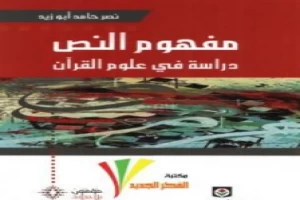
مفهوم النص – دراسة في علوم القرآن book pdf download

Auther : Nasr Hamed Abu Zeid
Date of Coming : 2022-08-10
book quality : Good
Department : Religions
Section : Islam
Number of Pages : 50
Language : Arabic
Size of file : 7.25MB

Author: Nasr Hamed Abu Zeid

About the Author: Nasr Hamed Abu Zaid (July 10, 1943 – July 5, 2010) was an Egyptian academic, researcher specializing in Islamic studies and a specialist in Arabic philology and humanities. Nasr Abu Zeid was born in one of the villages of Tanta on July 10, 1943, and grew up in a simple rural family. At first, he did not obtain the General Secondary School Certificate to be able to complete his university studies, because his family was not able to support him at the university, so he was satisfied at first by obtaining Industrial Secondary School Diploma, Wireless Department, 1960 AD. Nasr obtained a BA from the Department of Arabic Language and Literature, Faculty of Arts, Cairo University, 1972, with an excellent grade, then a master’s degree from the same department and college in Islamic studies in 1976 and also with an excellent grade, then a doctorate from the same department and college in Islamic studies in 1979 with a grade of first honor. The writings of the Egyptian researcher caused a sensation in the media in the mid-nineties of the last century. Because of his scientific research, he was accused of apostasy and atheism. Due to the lack of legal means in Egypt to prosecute the charge of apostasy, the opponents of Nasr Hamid Abu Zayd worked to take advantage of the conditions of the Personal Status Court, in which the jurisprudence of Imam Abu Hanifa is applied, and in which they found a principle called “hesba” on the basis of which they demanded the court to differentiate between Abu Zaid and his wife . The court responded and ruled that Nasr Hamid Abu Zaid and his wife be forcibly separated, on the grounds that “a Muslim woman is not allowed to marry a non-Muslim.” After that, the couple’s life became in danger, and eventually Nasr Hamed Abu Zaid and his wife, Dr. Ibtihal Younes, a professor of French literature, moved from Cairo to exile to the Netherlands, to live there, where Nasr Hamid Abu Zeid worked as a professor of Islamic studies at Leiden University.

مفهوم النص – دراسة في علوم القرآن book pdf download By Nasr Hamed Abu Zeid

إذا كانت الثقافة العربية ثقافة تعطي للنص القرآني دوراً أساسياً، وتجعل من التأويل منهجاً فلا بد أن لهذه الثقافة مفهوماً-ولو ضمنياً-لماهية النص ولطرائق التأويل. ومع ذلك فقد حظي جانب “التأويل” ببعض الدراسات التي ركزت على العلوم الدينية وتجاهلت ما سواها، ولم يحظ مفهوم “النص” بدراسة تحاول استكشاف هذا المفهوم في تراثنا إن كان له وجود، أو تحاول صياغته وبلورته إن لم يكن له وجود. والدكتور نصر حامد أبو زيد يحاول في كتابه هذا البحث عن مفهوم “النص القرآني” من حيث كون القرآن كتاب العربية الأكبر لرصد أثره الأدبي الخالد. وهذا البحث لن يكون مجرد رحلة فكرية في التراث، ولكنه فوق ذلك هو بحث عن “البعد” المفقود في هذا التراث، وهو البعد الذي يمكن أن يساعد على الاقتراب من صياغة “الوعي العلمي” بهذا التراث.

Download PDF of مفهوم النص – دراسة في علوم القرآن book pdf download By Nasr Hamed Abu Zeid
-Adrian Agency Library

Download Now

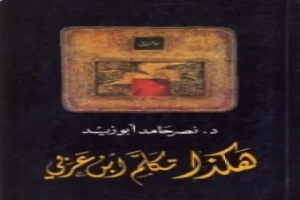
هكذا تكلم ابن عربي book pdf download

book quality : Good
Section : Islam
Size of file : 7.19MB
Date of Coming : 2022-08-10
Department : Religions
Auther : Nasr Hamed Abu Zeid
Number of Pages : 244
Language : Arabic

Author: Nasr Hamed Abu Zeid

About the Author: Nasr Hamed Abu Zaid (July 10, 1943 – July 5, 2010) was an Egyptian academic, researcher specializing in Islamic studies and a specialist in Arabic philology and humanities. Nasr Abu Zeid was born in one of the villages of Tanta on July 10, 1943, and grew up in a simple rural family. At first, he did not obtain the General Secondary School Certificate to be able to complete his university studies, because his family was not able to support him at the university, so he was satisfied at first by obtaining Industrial Secondary School Diploma, Wireless Department, 1960 AD. Nasr obtained a BA from the Department of Arabic Language and Literature, Faculty of Arts, Cairo University, 1972, with an excellent grade, then a master’s degree from the same department and college in Islamic studies in 1976 and also with an excellent grade, then a doctorate from the same department and college in Islamic studies in 1979 with a grade of first honor. The writings of the Egyptian researcher caused a sensation in the media in the mid-nineties of the last century. Because of his scientific research, he was accused of apostasy and atheism. Due to the lack of legal means in Egypt to prosecute the charge of apostasy, the opponents of Nasr Hamid Abu Zayd worked to take advantage of the conditions of the Personal Status Court, in which the jurisprudence of Imam Abu Hanifa is applied, and in which they found a principle called “hesba” on the basis of which they demanded the court to differentiate between Abu Zaid and his wife . The court responded and ruled that Nasr Hamid Abu Zaid and his wife be forcibly separated, on the grounds that “a Muslim woman is not allowed to marry a non-Muslim.” After that, the couple’s life became in danger, and eventually Nasr Hamed Abu Zaid and his wife, Dr. Ibtihal Younes, a professor of French literature, moved from Cairo to exile to the Netherlands, to live there, where Nasr Hamid Abu Zeid worked as a professor of Islamic studies at Leiden University.

هكذا تكلم ابن عربي book pdf download By Nasr Hamed Abu Zeid

تكمن أهمية ابن عربي كهمزة وصل لا تقف عند حدود استيعابه للتراث الإنساني وتوظيفه له في إقامة بنائه الفكري الفلسفي الشاهق، بل تتجاوز ذلك إلى المساهمة في إعادة تشكيل التراث الإنساني بالتأثير فيه تأثيراً خلاقاً بالدرجة نفسها. ويمكن للتدليل على ذلك العودة إلى دراسات المستشرق الياباني توشيكو إيزوتسو عن “ابن عربي والتاوية”، وكذلك دراسات المستعرب الإسباني آسين بلاسيوس عن تأثير كتابات ابن عربي في ريمون لول وتأثيره في دانتي اليجيري مؤلف “الكوميديا الإلهية”. أما استيعابه للتراث الإسلامي السابق عليه وتأثيره في التراث التالي له فهو أوضح من أن يحتاج إلى استدلال، وتتبدى أهمية قراءة ابن عربي للتراث السابق عليه في أنها قراءة ساهمت في بلورة كثير من المفاهيم والتصورات التي كانت مضمرة في كتابات السابقين من هنا يرى الدكتور نصر حامد أبو زيد بأن استدعاء ابن عربي، مع غيره من أعلام الروحانية في كل الثقافات، يمثل مطلباً، حيث في تجربته، وفي تجاربهم ما يمكن أن يمثل مصدراً للإلهام في عالمنا الذي يعاني ما يعانيه من مشكلات حياتية. ويضيف قائلاً بأن التجربة الروحية هي مصدر التجربة الفنية، الموسيقى والأدب وكل الفنون السمعية والبصرية والحركية، فهي الإطار الجامع للدين والفن، هذه أهمية استحضار ابن عربي بالنسبة للكاتب أبو زيد في السياق العام. لكن، وبالنسبة له أيضاً، استحضار ابن عربي في السياق الإسلامي، واستعادته من أفق التهميش إلى فضاء المتن مرة أخرى، لا يقل أهمية، وذلك بسبب سيطرة بعض الاتجاهات والأفكار والرؤى السلفية على مجمل الخطاب الإسلامي في السنوات الثلاثين الأخيرة من القرن العشرين بالإضافة إلى ذلك فإنه وفي مجال المساهمة في تأكيد قيم الحوار والتفاهم والإقدام المتبادل بين الشرق والغرب، يمثل فكر ابن عربي رصيداً ثرياً يستأهل تأمله والغرض منه لتحرير العقل المسلم المعاصر من آثار المشكلات السياسية والاجتماعية والثقافية التي سببت حالة التوتر والاحتقان في الفكر الإسلامي. هذا من جهة، ومن جهة أخرى يقدم فكر ابن عربي للقارئ غير المسلم صورة أخرى لروحانية الإسلام، ولمفهوم “الجهاد” الذي أصابه من التشوه الكثير. من هذا المنطلق وضمن هذا الإطار يمضي الدكتور نصر حامد أبو زيد في نصوص ابن عربي وقبلاً في سيرة حياته لتعريف القارئ على فكر ابن عربي.

Download PDF of هكذا تكلم ابن عربي book pdf download By Nasr Hamed Abu Zeid
-Adrian Agency Library

Download Now