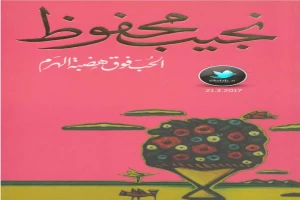
الحب فوق هضبة الهرم book pdf download

Section : Drama novels
Size of file : 2.90MB
Auther : Naguib Mahfouz
Department : literature
Language : Arabic
Number of Pages : 302
book quality : Good
Date of Coming : 2022-08-10

Author: Naguib Mahfouz

About the Author: Naguib Mahfouz: The pioneer of the Arabic novel, and the winner of the highest literary prize in the world.
He was born on December 11, 1911 in Al-Gamaliya neighborhood in Cairo, to a middle-class family. His father was a government employee. He chose the name of the doctor who supervised his birth, Dr. Naguib Mahfouz Pasha, so that his name would be compounded by Naguib Mahfouz.
He was sent to writers at a young age, and then enrolled in primary school, during which he learned about the adventures of “Ben Johnson”, which he borrowed from a colleague to read, to be Mahfouz’s first experience in the world of reading. He also experienced the 1919 revolution at the age of eight, and it left a profound impact on him that later appeared in his novels.
After high school, Mahfouz decided to study philosophy and joined the Egyptian University, and there he met the Dean of Arabic Literature, Taha Hussein, to tell him of his desire to study the origin of existence. At this stage, his passion for reading increased, and he was preoccupied with the ideas of philosophers, which had the greatest impact on his way of thinking.
After graduating from the university, he worked as an administrative employee there for a year, then held several government jobs such as his work as a secretary in the Ministry of Awqaf. He also held several other positions, including: Head of the Oversight Authority at the Ministry of Guidance, Chairman of the Board of Directors of the Cinema Support Foundation, and Adviser to the Ministry of Culture.
Mahfouz had intended to complete academic studies and prepare for a master’s degree in philosophy on the subject of “Beauty in Islamic Philosophy,” but he fought a struggle with himself between his love for philosophy on the one hand, and his love for tales and literature, which began from his childhood on the other, and ended this internal conflict in favor of literature; He saw that philosophy could be presented through literature.
Mahfouz began to feel his first steps in the world of literature by writing stories, so he published eighty stories without payment. In 1939, his first creative experiments came to light. The novel “The Abatement of Destinies”, after which he continued writing the novel and the short story in addition to the play, as well as press articles and scenarios for some Egyptian films.
Mahfouz’s novelist experience went through several stages, starting with the historical stage in which he returned to ancient Egyptian history, and issued his three historical trilogy: “The Absurdity of Predestination,” “Radopis,” and “The Good Struggle.” Then the realistic stage that began in 1945 AD, coinciding with the Second World War; At this stage, he approached reality and society, and published his realistic novels such as “New Cairo” and “Khan Al-Khalili”, reaching the peak of novelistic creativity with the famous trilogy: “Bain Al Qasrain”, “Qasr Al-Shouq” and “Al-Sukaria”. Then the symbolic or intellectual stage, whose most prominent works were: “The Road”, “The Beggar”, “Gossip over the Nile”, and “The Children of Our Neighborhood” (which caused widespread controversy in religious circles, and its publication was banned for a while).
In 1994, Mahfouz was subjected to an assassination attempt, from which he survived, but it affected the nerves of the upper right side of the neck, negatively affecting his ability to write.
He received many international and local awards, most notably: the “Nobel Prize in Literature” in 1988, and the “Nile Necklace” in the same year.
The icon of Egyptian and Arabic literature “Naguib Mahfouz” passed away on August 30, 2006 AD, after a life full of creativity and giving, during which he presented many literary works close to humans and loaded with the philosophy of life, which is a great legacy that every Egyptian, every Arab, and every human celebrates.

الحب فوق هضبة الهرم book pdf download By Naguib Mahfouz

عن الرواية: مجموعة قصصية تتكون من 8 قصص قصيرة من أروع ما يكون، 8 قصص اختلطت فيها الرمزية بالواقعية بصورة متناسقةبصورة مذهلة. كل قصة حياة متكاملة لا يوجد بها شبهة اختصار، فالجرعة الأدبية متكاملة الاركان وثيقة الوضوح بديعة التكوين. كل قصة تقدم لك درسًا حياتيا كاملا، مع تركيز على المساوئ البشعة لما فعلته الرأسمالية والجشمع المصري بالبشر، وخاصة خلال حقبة السبعينات والثمانينات وكيف تحولت الغرائز الإنسانية لوحوش كاسرة تلتهم فينا ولا نقدر على مواجهتها ونترك أنفسنا مستسلمين لما تفعله فينا .

Download PDF of الحب فوق هضبة الهرم book pdf download By Naguib Mahfouz
-Adrian Agency Library

Download Now

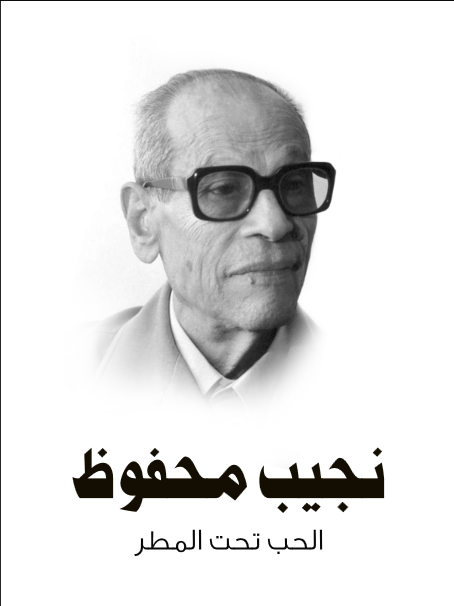
الحب تحت المطر book pdf download

Date of Coming : 2022-08-10
Section : Drama novels
Department : literature
Auther : Naguib Mahfouz
Size of file : 2.32MB
Language : Arabic
book quality : Excellent
Number of Pages : 98

Author: Naguib Mahfouz

About the Author: Naguib Mahfouz: The pioneer of the Arabic novel, and the winner of the highest literary prize in the world.
He was born on December 11, 1911 in Al-Gamaliya neighborhood in Cairo, to a middle-class family. His father was a government employee. He chose the name of the doctor who supervised his birth, Dr. Naguib Mahfouz Pasha, so that his name would be compounded by Naguib Mahfouz.
He was sent to writers at a young age, and then enrolled in primary school, during which he learned about the adventures of “Ben Johnson”, which he borrowed from a colleague to read, to be Mahfouz’s first experience in the world of reading. He also experienced the 1919 revolution at the age of eight, and it left a profound impact on him that later appeared in his novels.
After high school, Mahfouz decided to study philosophy and joined the Egyptian University, and there he met the Dean of Arabic Literature, Taha Hussein, to tell him of his desire to study the origin of existence. At this stage, his passion for reading increased, and he was preoccupied with the ideas of philosophers, which had the greatest impact on his way of thinking.
After graduating from the university, he worked as an administrative employee there for a year, then held several government jobs such as his work as a secretary in the Ministry of Awqaf. He also held several other positions, including: Head of the Oversight Authority at the Ministry of Guidance, Chairman of the Board of Directors of the Cinema Support Foundation, and Adviser to the Ministry of Culture.
Mahfouz had intended to complete academic studies and prepare for a master’s degree in philosophy on the subject of “Beauty in Islamic Philosophy,” but he fought a struggle with himself between his love for philosophy on the one hand, and his love for tales and literature, which began from his childhood on the other, and ended this internal conflict in favor of literature; He saw that philosophy could be presented through literature.
Mahfouz began to feel his first steps in the world of literature by writing stories, so he published eighty stories without payment. In 1939, his first creative experiments came to light. The novel “The Abatement of Destinies”, after which he continued writing the novel and the short story in addition to the play, as well as press articles and scenarios for some Egyptian films.
Mahfouz’s novelist experience went through several stages, starting with the historical stage in which he returned to ancient Egyptian history, and issued his three historical trilogy: “The Absurdity of Predestination,” “Radopis,” and “The Good Struggle.” Then the realistic stage that began in 1945 AD, coinciding with the Second World War; At this stage, he approached reality and society, and published his realistic novels such as “New Cairo” and “Khan Al-Khalili”, reaching the peak of novelistic creativity with the famous trilogy: “Bain Al Qasrain”, “Qasr Al-Shouq” and “Al-Sukaria”. Then the symbolic or intellectual stage, whose most prominent works were: “The Road”, “The Beggar”, “Gossip over the Nile”, and “The Children of Our Neighborhood” (which caused widespread controversy in religious circles, and its publication was banned for a while).
In 1994, Mahfouz was subjected to an assassination attempt, from which he survived, but it affected the nerves of the upper right side of the neck, negatively affecting his ability to write.
He received many international and local awards, most notably: the “Nobel Prize in Literature” in 1988, and the “Nile Necklace” in the same year.
The icon of Egyptian and Arabic literature “Naguib Mahfouz” passed away on August 30, 2006 AD, after a life full of creativity and giving, during which he presented many literary works close to humans and loaded with the philosophy of life, which is a great legacy that every Egyptian, every Arab, and every human celebrates.

الحب تحت المطر book pdf download By Naguib Mahfouz

«لم يبقَ في الحجرة إلا إبراهيم، بمجلسه فوق الكنبة بين سنية خطيبته، وعليات شقيقته. ارتدى جلبابًا فضفاضًا، برز من طوقه رأسه الحليق ووجهه النحيل الشاحب، والنظارة السوداء التي أخفت عينَيه. ذاك أول يوم رجع فيه إلى بيته، حيث تلقَّى سيلًا من كلمات العزاء والتشجيع، ثم أُخليت الحجرة إلا من ثلاثتهم.»

Download PDF of الحب تحت المطر book pdf download By Naguib Mahfouz
-Adrian Agency Library

Download Now

الباقي من الزمن ساعة book pdf download

Language : Arabic
Section : Drama novels
Number of Pages : 158
Auther : Naguib Mahfouz
Size of file : 1.97MB
Department : literature
book quality : Good
Date of Coming : 2022-08-10

Author: Naguib Mahfouz

About the Author: Naguib Mahfouz: The pioneer of the Arabic novel, and the winner of the highest literary prize in the world.
He was born on December 11, 1911 in Al-Gamaliya neighborhood in Cairo, to a middle-class family. His father was a government employee. He chose the name of the doctor who supervised his birth, Dr. Naguib Mahfouz Pasha, so that his name would be compounded by Naguib Mahfouz.
He was sent to writers at a young age, and then enrolled in primary school, during which he learned about the adventures of “Ben Johnson”, which he borrowed from a colleague to read, to be Mahfouz’s first experience in the world of reading. He also experienced the 1919 revolution at the age of eight, and it left a profound impact on him that later appeared in his novels.
After high school, Mahfouz decided to study philosophy and joined the Egyptian University, and there he met the Dean of Arabic Literature, Taha Hussein, to tell him of his desire to study the origin of existence. At this stage, his passion for reading increased, and he was preoccupied with the ideas of philosophers, which had the greatest impact on his way of thinking.
After graduating from the university, he worked as an administrative employee there for a year, then held several government jobs such as his work as a secretary in the Ministry of Awqaf. He also held several other positions, including: Head of the Oversight Authority at the Ministry of Guidance, Chairman of the Board of Directors of the Cinema Support Foundation, and Adviser to the Ministry of Culture.
Mahfouz had intended to complete academic studies and prepare for a master’s degree in philosophy on the subject of “Beauty in Islamic Philosophy,” but he fought a struggle with himself between his love for philosophy on the one hand, and his love for tales and literature, which began from his childhood on the other, and ended this internal conflict in favor of literature; He saw that philosophy could be presented through literature.
Mahfouz began to feel his first steps in the world of literature by writing stories, so he published eighty stories without payment. In 1939, his first creative experiments came to light. The novel “The Abatement of Destinies”, after which he continued writing the novel and the short story in addition to the play, as well as press articles and scenarios for some Egyptian films.
Mahfouz’s novelist experience went through several stages, starting with the historical stage in which he returned to ancient Egyptian history, and issued his three historical trilogy: “The Absurdity of Predestination,” “Radopis,” and “The Good Struggle.” Then the realistic stage that began in 1945 AD, coinciding with the Second World War; At this stage, he approached reality and society, and published his realistic novels such as “New Cairo” and “Khan Al-Khalili”, reaching the peak of novelistic creativity with the famous trilogy: “Bain Al Qasrain”, “Qasr Al-Shouq” and “Al-Sukaria”. Then the symbolic or intellectual stage, whose most prominent works were: “The Road”, “The Beggar”, “Gossip over the Nile”, and “The Children of Our Neighborhood” (which caused widespread controversy in religious circles, and its publication was banned for a while).
In 1994, Mahfouz was subjected to an assassination attempt, from which he survived, but it affected the nerves of the upper right side of the neck, negatively affecting his ability to write.
He received many international and local awards, most notably: the “Nobel Prize in Literature” in 1988, and the “Nile Necklace” in the same year.
The icon of Egyptian and Arabic literature “Naguib Mahfouz” passed away on August 30, 2006 AD, after a life full of creativity and giving, during which he presented many literary works close to humans and loaded with the philosophy of life, which is a great legacy that every Egyptian, every Arab, and every human celebrates.

الباقي من الزمن ساعة book pdf download By Naguib Mahfouz

عن الرواية: تدور الأحداث.. وتتقلب الحياة في وجوه كثيرة.. يكبر الأبناء فيصيروا آباء ويشب الأحفاد عيداناً شابة يافعة إنها رواية الأجيال التى أتقنها دائما الأديب المحنك ” نجيب محفوظ”. رواية تدور بنا فى أروقة الملكية والوفدية والإخوان، ومنها إلى الثورة والناصرية وحروب لا تنقطع.. وفي نهاية الرحلة إنفتاح ونصر أردف بسلام غير ذى رونق فى كامب ديفيد. هذه هى أحداث الوطن ولكن مع هذه الرواية نتابعها فى البيت القديم القاطن بحلوان .. نراها فى “كوثر” و “محمد” و “منيرة” و “سهام” و “شفيق” و”علي” .. و”سنية” التى رافقت كل هذا بعين مطمئنة وقلب لاينسسى “البيت” وجدارنه المشتاقة إلى التجديد والحياة.. فهل تستقر الأمور ويسمح الزمان بما يهفو قلبها إليه؟ .. هل يبقى بينهما ساعة أم أكثر؟ وهل هناك علاقة ترادف بين البيت والوطن؟

Download PDF of الباقي من الزمن ساعة book pdf download By Naguib Mahfouz
-Adrian Agency Library
Download Now

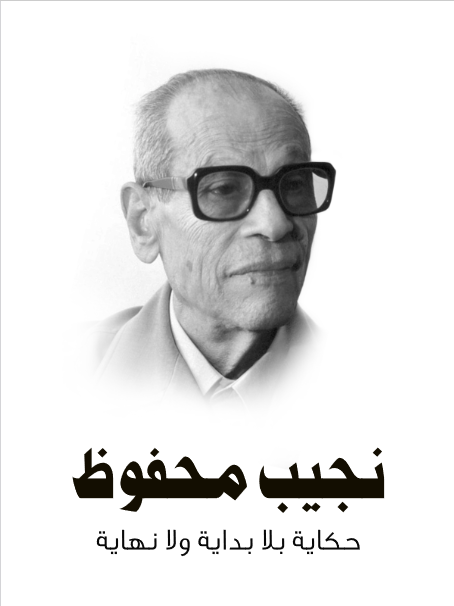
حكاية بلابداية ولا نهاية book pdf download

Language : Arabic
Date of Coming : 2022-08-10
book quality : Excellent
Auther : Naguib Mahfouz
Number of Pages : 162
Size of file : 2.48MB
Section : Drama novels
Department : literature

Author: Naguib Mahfouz

About the Author: Naguib Mahfouz: The pioneer of the Arabic novel, and the winner of the highest literary prize in the world.
He was born on December 11, 1911 in Al-Gamaliya neighborhood in Cairo, to a middle-class family. His father was a government employee. He chose the name of the doctor who supervised his birth, Dr. Naguib Mahfouz Pasha, so that his name would be compounded by Naguib Mahfouz.
He was sent to writers at a young age, and then enrolled in primary school, during which he learned about the adventures of “Ben Johnson”, which he borrowed from a colleague to read, to be Mahfouz’s first experience in the world of reading. He also experienced the 1919 revolution at the age of eight, and it left a profound impact on him that later appeared in his novels.
After high school, Mahfouz decided to study philosophy and joined the Egyptian University, and there he met the Dean of Arabic Literature, Taha Hussein, to tell him of his desire to study the origin of existence. At this stage, his passion for reading increased, and he was preoccupied with the ideas of philosophers, which had the greatest impact on his way of thinking.
After graduating from the university, he worked as an administrative employee there for a year, then held several government jobs such as his work as a secretary in the Ministry of Awqaf. He also held several other positions, including: Head of the Oversight Authority at the Ministry of Guidance, Chairman of the Board of Directors of the Cinema Support Foundation, and Adviser to the Ministry of Culture.
Mahfouz had intended to complete academic studies and prepare for a master’s degree in philosophy on the subject of “Beauty in Islamic Philosophy,” but he fought a struggle with himself between his love for philosophy on the one hand, and his love for tales and literature, which began from his childhood on the other, and ended this internal conflict in favor of literature; He saw that philosophy could be presented through literature.
Mahfouz began to feel his first steps in the world of literature by writing stories, so he published eighty stories without payment. In 1939, his first creative experiments came to light. The novel “The Abatement of Destinies”, after which he continued writing the novel and the short story in addition to the play, as well as press articles and scenarios for some Egyptian films.
Mahfouz’s novelist experience went through several stages, starting with the historical stage in which he returned to ancient Egyptian history, and issued his three historical trilogy: “The Absurdity of Predestination,” “Radopis,” and “The Good Struggle.” Then the realistic stage that began in 1945 AD, coinciding with the Second World War; At this stage, he approached reality and society, and published his realistic novels such as “New Cairo” and “Khan Al-Khalili”, reaching the peak of novelistic creativity with the famous trilogy: “Bain Al Qasrain”, “Qasr Al-Shouq” and “Al-Sukaria”. Then the symbolic or intellectual stage, whose most prominent works were: “The Road”, “The Beggar”, “Gossip over the Nile”, and “The Children of Our Neighborhood” (which caused widespread controversy in religious circles, and its publication was banned for a while).
In 1994, Mahfouz was subjected to an assassination attempt, from which he survived, but it affected the nerves of the upper right side of the neck, negatively affecting his ability to write.
He received many international and local awards, most notably: the “Nobel Prize in Literature” in 1988, and the “Nile Necklace” in the same year.
The icon of Egyptian and Arabic literature “Naguib Mahfouz” passed away on August 30, 2006 AD, after a life full of creativity and giving, during which he presented many literary works close to humans and loaded with the philosophy of life, which is a great legacy that every Egyptian, every Arab, and every human celebrates.

حكاية بلابداية ولا نهاية book pdf download By Naguib Mahfouz

قال الرجل ذلك وذهب. وقف الشاب والفتاة يتبادلان النظر سألها: أأنت مترددة مثل أبيك. فقالت بهدوء عذب: أنت تعرف رأيي تماماً. أترغبين أن أنتظر حتى يتكشف لي الماضي. لا يهمني أن تهتدي إلى ماضيك أو أن يهتدي ماضيك إليك. أنا سعيد ولكن القلق يطاردني. وتحبني أليس كذلك. لا يربطني بهذا المكان إلا حبك. حسبنا ذلك. سأعمل وأتزوج ولكن والدك متردد. كلا، إني أعرف والدي تماماً. يخيّل إليّ أني نلت ثقته. أنت أهل للثقة. لندع الله يهيء لنا السعادة. لندعه من صميم قلوبنا. وفي شرفة الفيلا، فوق الجبل، جرى الحديث في ظلام دامس، سأل الشيخ الجالس فوق الكرسي الهزاز: ما وراءك. فأجاب الشيخ الماثل بين يديه: أواه صاحب الفندق. رجل طيب وداهية ماكر، وعمل كل ما يمكن عمله للاهتداء إلى هوايته. ولو لم ينظر الفتى في نفسه مباشرة! إنهم يفضلون الوسائل غير المباشرة. وثار فضول الناس. لم يعد يثيرني فضولهم. حسن، وظل مجهولاً كاللغز. تعني في نظر نفسه. طبعاً.. وكيف مضت القصة. ظهر الحب. من جديد”.فندق ونزلاء وخيال نجيب محفوظ يحلق باحثاً عن حكاية هي بلا بداية ولا نهاية. ولا ريب في أن نجيب محفوظ في حكايته تلك لم يغب الواقع عنه، إذ أنه، كان يكتب قصصه بعد تلمسها حقيقة على أرض الواقع، إذ أنه كان يعيش قصته في مناخاتها الحقيقية. لينسج وبشيء من الخيال إبداعاته التي تستمد أهميتها وانتشارها من واقعيتها. ونجيب محفوظ في حكايته هذه لم يبتعد عن منهجيته هذه، وما أبطال تلك القصة إلا أشخاص حقيقيون، وما الأحداث إلا أحداث جرت على أرض الواقع. لذا ومن خلال أسلوبه البسيط يشدك نجيب محفوظ لتتابع أحداث تلك القصة مركزاً على شخصياتها زينب علي عويس الشيخ محمود الشيخ عمار.. وغيرهم تلك الشخصيات التي وظفها نجيب محفوظ لتصوير المجتمع المصري في تلك الآونة، ليحاول من خلالها ومن خلال حواراتهم واسترسالاتهم تقديم نقد لما كان يخيم على ذلك المجتمع من أفكار وعادات وسلوكيات (عقدية اجتماعية سلوكية). وقد نجح الكاتب إلى حدّ كبير في حكايته تلك التي على الرغم من كونها بلا بداية ولا نهاية، فإنها أقحمت القارئ في ما بين سطورها متصوراً بداية ونهاية يحددها هو بنفسه.

Download PDF of حكاية بلابداية ولا نهاية book pdf download By Naguib Mahfouz
-Adrian Agency Library

Download Now

تحت المظلة book pdf download

Auther : Naguib Mahfouz
Department : literature
Language : Arabic
Number of Pages : 110
Section : Drama novels
Date of Coming : 2022-08-10
book quality : Good
Size of file : 1.17MB

Author: Naguib Mahfouz

About the Author: Naguib Mahfouz: The pioneer of the Arabic novel, and the winner of the highest literary prize in the world.
He was born on December 11, 1911 in Al-Gamaliya neighborhood in Cairo, to a middle-class family. His father was a government employee. He chose the name of the doctor who supervised his birth, Dr. Naguib Mahfouz Pasha, so that his name would be compounded by Naguib Mahfouz.
He was sent to writers at a young age, and then enrolled in primary school, during which he learned about the adventures of “Ben Johnson”, which he borrowed from a colleague to read, to be Mahfouz’s first experience in the world of reading. He also experienced the 1919 revolution at the age of eight, and it left a profound impact on him that later appeared in his novels.
After high school, Mahfouz decided to study philosophy and joined the Egyptian University, and there he met the Dean of Arabic Literature, Taha Hussein, to tell him of his desire to study the origin of existence. At this stage, his passion for reading increased, and he was preoccupied with the ideas of philosophers, which had the greatest impact on his way of thinking.
After graduating from the university, he worked as an administrative employee there for a year, then held several government jobs such as his work as a secretary in the Ministry of Awqaf. He also held several other positions, including: Head of the Oversight Authority at the Ministry of Guidance, Chairman of the Board of Directors of the Cinema Support Foundation, and Adviser to the Ministry of Culture.
Mahfouz had intended to complete academic studies and prepare for a master’s degree in philosophy on the subject of “Beauty in Islamic Philosophy,” but he fought a struggle with himself between his love for philosophy on the one hand, and his love for tales and literature, which began from his childhood on the other, and ended this internal conflict in favor of literature; He saw that philosophy could be presented through literature.
Mahfouz began to feel his first steps in the world of literature by writing stories, so he published eighty stories without payment. In 1939, his first creative experiments came to light. The novel “The Abatement of Destinies”, after which he continued writing the novel and the short story in addition to the play, as well as press articles and scenarios for some Egyptian films.
Mahfouz’s novelist experience went through several stages, starting with the historical stage in which he returned to ancient Egyptian history, and issued his three historical trilogy: “The Absurdity of Predestination,” “Radopis,” and “The Good Struggle.” Then the realistic stage that began in 1945 AD, coinciding with the Second World War; At this stage, he approached reality and society, and published his realistic novels such as “New Cairo” and “Khan Al-Khalili”, reaching the peak of novelistic creativity with the famous trilogy: “Bain Al Qasrain”, “Qasr Al-Shouq” and “Al-Sukaria”. Then the symbolic or intellectual stage, whose most prominent works were: “The Road”, “The Beggar”, “Gossip over the Nile”, and “The Children of Our Neighborhood” (which caused widespread controversy in religious circles, and its publication was banned for a while).
In 1994, Mahfouz was subjected to an assassination attempt, from which he survived, but it affected the nerves of the upper right side of the neck, negatively affecting his ability to write.
He received many international and local awards, most notably: the “Nobel Prize in Literature” in 1988, and the “Nile Necklace” in the same year.
The icon of Egyptian and Arabic literature “Naguib Mahfouz” passed away on August 30, 2006 AD, after a life full of creativity and giving, during which he presented many literary works close to humans and loaded with the philosophy of life, which is a great legacy that every Egyptian, every Arab, and every human celebrates.

تحت المظلة book pdf download By Naguib Mahfouz

افتتح محفوظ مجموعته القصصية “تحت المظلة”- التي كتبها عام 1967- بقصّة لها نفس العنوان تتسارع فيها أحداث مُبهمة تخلّى عنها المنطِق. جاء فيها المَطر الغزير جدارًا فاصلًا بين شارعٍ تسارعت فيه الأحداث بشكل كابوسي، وعلى الوجه الآخر مِظلّة يجتمع أسفلها نَفرٌ راكدون ركودًا لم يتماشَ مع احتداد الوجه المُقابل. أقرّوا في أنفسهم أن المطر لَمُغرِقِهُم وأنه مانعهم عن التدخل في شؤون الشارع. يشتد ذهولهم بتطوّر ما يرون. لصٌ يُضْرَبُ ثم يَخطُبُ بضاربيه فتلين الآذان، ثم يرقص لهم. ممارسات علنيّة للحب. جثثٌ مُمزقة ومطاردات سيارات. عرضٌ كثيف لرموز تبني بتداخلها صورةَ مجتمعِ ما بعد النكسة المذهول على أثرها، والذي صفعه العجز فأصبح سلبيًا لا يقوى على التغيير . عَكَس الكاتب هذا المجتمع في نصٍ تجرّد من أسماء شُخوصه ولم يغرق في موازاة الواقِع، بل جعله مليئًا بالانفعالات والحالات الشعورية التي وضّحها من خلال الرمز. فجعل منه عملًا إنسانيًا يلمس من لا يجمعهم مع الكاتب سوى التجربة الشعورية مجرِّدةً من الأحداث المرتبطة بها.

Download PDF of تحت المظلة book pdf download By Naguib Mahfouz
-Adrian Agency Library
Download Now

أهل الهوي book pdf download

Department : literature
Auther : Naguib Mahfouz
Date of Coming : 2022-08-10
Language : Arabic
Number of Pages : 200
book quality : Good
Size of file : 4.83MB
Section : Drama novels

Author: Naguib Mahfouz

About the Author: Naguib Mahfouz: The pioneer of the Arabic novel, and the winner of the highest literary prize in the world.
He was born on December 11, 1911 in Al-Gamaliya neighborhood in Cairo, to a middle-class family. His father was a government employee. He chose the name of the doctor who supervised his birth, Dr. Naguib Mahfouz Pasha, so that his name would be compounded by Naguib Mahfouz.
He was sent to writers at a young age, and then enrolled in primary school, during which he learned about the adventures of “Ben Johnson”, which he borrowed from a colleague to read, to be Mahfouz’s first experience in the world of reading. He also experienced the 1919 revolution at the age of eight, and it left a profound impact on him that later appeared in his novels.
After high school, Mahfouz decided to study philosophy and joined the Egyptian University, and there he met the Dean of Arabic Literature, Taha Hussein, to tell him of his desire to study the origin of existence. At this stage, his passion for reading increased, and he was preoccupied with the ideas of philosophers, which had the greatest impact on his way of thinking.
After graduating from the university, he worked as an administrative employee there for a year, then held several government jobs such as his work as a secretary in the Ministry of Awqaf. He also held several other positions, including: Head of the Oversight Authority at the Ministry of Guidance, Chairman of the Board of Directors of the Cinema Support Foundation, and Adviser to the Ministry of Culture.
Mahfouz had intended to complete academic studies and prepare for a master’s degree in philosophy on the subject of “Beauty in Islamic Philosophy,” but he fought a struggle with himself between his love for philosophy on the one hand, and his love for tales and literature, which began from his childhood on the other, and ended this internal conflict in favor of literature; He saw that philosophy could be presented through literature.
Mahfouz began to feel his first steps in the world of literature by writing stories, so he published eighty stories without payment. In 1939, his first creative experiments came to light. The novel “The Abatement of Destinies”, after which he continued writing the novel and the short story in addition to the play, as well as press articles and scenarios for some Egyptian films.
Mahfouz’s novelist experience went through several stages, starting with the historical stage in which he returned to ancient Egyptian history, and issued his three historical trilogy: “The Absurdity of Predestination,” “Radopis,” and “The Good Struggle.” Then the realistic stage that began in 1945 AD, coinciding with the Second World War; At this stage, he approached reality and society, and published his realistic novels such as “New Cairo” and “Khan Al-Khalili”, reaching the peak of novelistic creativity with the famous trilogy: “Bain Al Qasrain”, “Qasr Al-Shouq” and “Al-Sukaria”. Then the symbolic or intellectual stage, whose most prominent works were: “The Road”, “The Beggar”, “Gossip over the Nile”, and “The Children of Our Neighborhood” (which caused widespread controversy in religious circles, and its publication was banned for a while).
In 1994, Mahfouz was subjected to an assassination attempt, from which he survived, but it affected the nerves of the upper right side of the neck, negatively affecting his ability to write.
He received many international and local awards, most notably: the “Nobel Prize in Literature” in 1988, and the “Nile Necklace” in the same year.
The icon of Egyptian and Arabic literature “Naguib Mahfouz” passed away on August 30, 2006 AD, after a life full of creativity and giving, during which he presented many literary works close to humans and loaded with the philosophy of life, which is a great legacy that every Egyptian, every Arab, and every human celebrates.

أهل الهوي book pdf download By Naguib Mahfouz

السبك الروائي الأخاذ الذي يمتاز به الأستاذ الكبير نجيب محفوظ يكاد لا يضاهيه فيه أحد ، ورغم تجسيد معظم رواياته في مسلسلات تلفزيونية إلا أن قراءة تلك الروايات يبقى محتفظا بنكهته الخاصة وطابعه الأدبي المميز، و رواية أهل الهوى هى أول عمل روائى يستهل به نجيب محفوظ عقب حصوله على جائزة نوبل

Download PDF of أهل الهوي book pdf download By Naguib Mahfouz
-Adrian Agency Library

Download Now

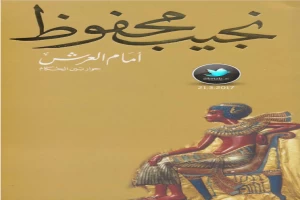
أمام العرش book pdf download

Section : Drama novels
Auther : Naguib Mahfouz
book quality : Good
Department : literature
Language : Arabic
Date of Coming : 2022-08-10
Number of Pages : 144
Size of file : 1.65MB

Author: Naguib Mahfouz

About the Author: Naguib Mahfouz: The pioneer of the Arabic novel, and the winner of the highest literary prize in the world.
He was born on December 11, 1911 in Al-Gamaliya neighborhood in Cairo, to a middle-class family. His father was a government employee. He chose the name of the doctor who supervised his birth, Dr. Naguib Mahfouz Pasha, so that his name would be compounded by Naguib Mahfouz.
He was sent to writers at a young age, and then enrolled in primary school, during which he learned about the adventures of “Ben Johnson”, which he borrowed from a colleague to read, to be Mahfouz’s first experience in the world of reading. He also experienced the 1919 revolution at the age of eight, and it left a profound impact on him that later appeared in his novels.
After high school, Mahfouz decided to study philosophy and joined the Egyptian University, and there he met the Dean of Arabic Literature, Taha Hussein, to tell him of his desire to study the origin of existence. At this stage, his passion for reading increased, and he was preoccupied with the ideas of philosophers, which had the greatest impact on his way of thinking.
After graduating from the university, he worked as an administrative employee there for a year, then held several government jobs such as his work as a secretary in the Ministry of Awqaf. He also held several other positions, including: Head of the Oversight Authority at the Ministry of Guidance, Chairman of the Board of Directors of the Cinema Support Foundation, and Adviser to the Ministry of Culture.
Mahfouz had intended to complete academic studies and prepare for a master’s degree in philosophy on the subject of “Beauty in Islamic Philosophy,” but he fought a struggle with himself between his love for philosophy on the one hand, and his love for tales and literature, which began from his childhood on the other, and ended this internal conflict in favor of literature; He saw that philosophy could be presented through literature.
Mahfouz began to feel his first steps in the world of literature by writing stories, so he published eighty stories without payment. In 1939, his first creative experiments came to light. The novel “The Abatement of Destinies”, after which he continued writing the novel and the short story in addition to the play, as well as press articles and scenarios for some Egyptian films.
Mahfouz’s novelist experience went through several stages, starting with the historical stage in which he returned to ancient Egyptian history, and issued his three historical trilogy: “The Absurdity of Predestination,” “Radopis,” and “The Good Struggle.” Then the realistic stage that began in 1945 AD, coinciding with the Second World War; At this stage, he approached reality and society, and published his realistic novels such as “New Cairo” and “Khan Al-Khalili”, reaching the peak of novelistic creativity with the famous trilogy: “Bain Al Qasrain”, “Qasr Al-Shouq” and “Al-Sukaria”. Then the symbolic or intellectual stage, whose most prominent works were: “The Road”, “The Beggar”, “Gossip over the Nile”, and “The Children of Our Neighborhood” (which caused widespread controversy in religious circles, and its publication was banned for a while).
In 1994, Mahfouz was subjected to an assassination attempt, from which he survived, but it affected the nerves of the upper right side of the neck, negatively affecting his ability to write.
He received many international and local awards, most notably: the “Nobel Prize in Literature” in 1988, and the “Nile Necklace” in the same year.
The icon of Egyptian and Arabic literature “Naguib Mahfouz” passed away on August 30, 2006 AD, after a life full of creativity and giving, during which he presented many literary works close to humans and loaded with the philosophy of life, which is a great legacy that every Egyptian, every Arab, and every human celebrates.

أمام العرش book pdf download By Naguib Mahfouz

من الرواية: “فقال أبنوم: أتسائل عما يحبط الثورات فأجاب سمعان الجرجاوي قوة الخلافة لا تقهر و كنا شعبا أعزل قد فقد روحه القتالية كما فقدنا مشاركة إخواننا الذين أعتنقوا الإسلام و أخلصوا قلوبهم للخلافة”

Download PDF of أمام العرش book pdf download By Naguib Mahfouz
-Adrian Agency Library
Download Now

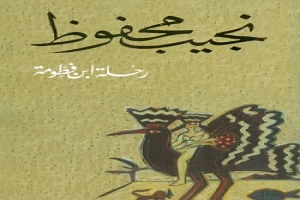
رحلة ابن فطومة book pdf download

Number of Pages : 81
Size of file : 14.1MB
Auther : Naguib Mahfouz
Date of Coming : 2022-08-10
Language : Arabic
Section : Drama novels
book quality : Good
Department : literature

Author: Naguib Mahfouz

About the Author: Naguib Mahfouz: The pioneer of the Arabic novel, and the winner of the highest literary prize in the world.
He was born on December 11, 1911 in Al-Gamaliya neighborhood in Cairo, to a middle-class family. His father was a government employee. He chose the name of the doctor who supervised his birth, Dr. Naguib Mahfouz Pasha, so that his name would be compounded by Naguib Mahfouz.
He was sent to writers at a young age, and then enrolled in primary school, during which he learned about the adventures of “Ben Johnson”, which he borrowed from a colleague to read, to be Mahfouz’s first experience in the world of reading. He also experienced the 1919 revolution at the age of eight, and it left a profound impact on him that later appeared in his novels.
After high school, Mahfouz decided to study philosophy and joined the Egyptian University, and there he met the Dean of Arabic Literature, Taha Hussein, to tell him of his desire to study the origin of existence. At this stage, his passion for reading increased, and he was preoccupied with the ideas of philosophers, which had the greatest impact on his way of thinking.
After graduating from the university, he worked as an administrative employee there for a year, then held several government jobs such as his work as a secretary in the Ministry of Awqaf. He also held several other positions, including: Head of the Oversight Authority at the Ministry of Guidance, Chairman of the Board of Directors of the Cinema Support Foundation, and Adviser to the Ministry of Culture.
Mahfouz had intended to complete academic studies and prepare for a master’s degree in philosophy on the subject of “Beauty in Islamic Philosophy,” but he fought a struggle with himself between his love for philosophy on the one hand, and his love for tales and literature, which began from his childhood on the other, and ended this internal conflict in favor of literature; He saw that philosophy could be presented through literature.
Mahfouz began to feel his first steps in the world of literature by writing stories, so he published eighty stories without payment. In 1939, his first creative experiments came to light. The novel “The Abatement of Destinies”, after which he continued writing the novel and the short story in addition to the play, as well as press articles and scenarios for some Egyptian films.
Mahfouz’s novelist experience went through several stages, starting with the historical stage in which he returned to ancient Egyptian history, and issued his three historical trilogy: “The Absurdity of Predestination,” “Radopis,” and “The Good Struggle.” Then the realistic stage that began in 1945 AD, coinciding with the Second World War; At this stage, he approached reality and society, and published his realistic novels such as “New Cairo” and “Khan Al-Khalili”, reaching the peak of novelistic creativity with the famous trilogy: “Bain Al Qasrain”, “Qasr Al-Shouq” and “Al-Sukaria”. Then the symbolic or intellectual stage, whose most prominent works were: “The Road”, “The Beggar”, “Gossip over the Nile”, and “The Children of Our Neighborhood” (which caused widespread controversy in religious circles, and its publication was banned for a while).
In 1994, Mahfouz was subjected to an assassination attempt, from which he survived, but it affected the nerves of the upper right side of the neck, negatively affecting his ability to write.
He received many international and local awards, most notably: the “Nobel Prize in Literature” in 1988, and the “Nile Necklace” in the same year.
The icon of Egyptian and Arabic literature “Naguib Mahfouz” passed away on August 30, 2006 AD, after a life full of creativity and giving, during which he presented many literary works close to humans and loaded with the philosophy of life, which is a great legacy that every Egyptian, every Arab, and every human celebrates.

رحلة ابن فطومة book pdf download By Naguib Mahfouz

حكي عن رحالة عربي هاجر من بلاده بعد فشلة في الزواج من محبوبته إلى دار الجبل بحثا عن الكمال والعدالة المفقودين في بلاده. يشجعه على ذلك استاذه الذي فشل في اكمال الرحلة بسبب الحرب التي كانت تدور بين البلاد المتجاورة. و يمر في رحلته على عدة بلاد ويتعطل في رحلته أكثر من مرة بسبب زواجه وسجنه. يمر في رحلته على بلاد المشرق حيث يلتقي بعروسة ويتزوجها وينجب منها 5 اطفال. ولكنه يفرق بينه وبينهم بسبب محاولته تعليم اطفاله عقيدته. ثم بعد ذلك يرحل إلى البلد التالية وهي بلاد الحيرة. يرى فيها ان الملك يعتبر تمثيل لله وتدور حرب بين الحيرة والمشرق وتنتصر جيوش الحيرة وتصبح عروسة إحدى السبايا ويشتريها. ولكن الحكيم الأكبر للملك يريدها لنفسه فيتسبب في دخول ابن فطومة إلى السجن لمدة 20 عاما. يقوم انقلاب على الملك الحالي وياتي ملك جديد ويحرر ابن فطومة. يترك دار الحيرة راحلا إلى” بلاد الحلبة ” حيث يجد ان الشعوب شديدة الحرية الدينية وان كل الديانات تتعايش في البلد بما فيها الالحاد. يتزوج للمرة الثانية من سامية وهي ممرضة وينجب منها. يرحل إلى دار الامان بحثا عن استكمال رحلته ويرى في دار الامان ان كل فرد مشجع على التجسس على صاحبه.و ان كل فرد لا يحق له ابداء ارائه في غير مجاله وعمله ثم يتركها راحالا إلى بلاد الغروب التي تعتبر المحطة النهائية قبل وصولة إلى دار الجبل ومنها يرحل إلى دار الجبل بسبب الحرب الدائرة وبعد سفر شهر متواصل يصل بوابات دار الجبل وعندها يصل إلى نهاية الرواية ويترك القارئ لاستنتاج النهاية.

Download PDF of رحلة ابن فطومة book pdf download By Naguib Mahfouz
-Adrian Agency Library

Download Now

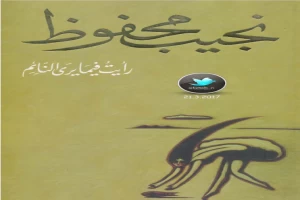
رأيت فيما يرى النائم book pdf download

Section : Drama novels
Auther : Naguib Mahfouz
Size of file : 1.57MB
book quality : Good
Number of Pages : 140
Language : Arabic
Department : literature
Date of Coming : 2022-08-10

Author: Naguib Mahfouz

About the Author: Naguib Mahfouz: The pioneer of the Arabic novel, and the winner of the highest literary prize in the world.
He was born on December 11, 1911 in Al-Gamaliya neighborhood in Cairo, to a middle-class family. His father was a government employee. He chose the name of the doctor who supervised his birth, Dr. Naguib Mahfouz Pasha, so that his name would be compounded by Naguib Mahfouz.
He was sent to writers at a young age, and then enrolled in primary school, during which he learned about the adventures of “Ben Johnson”, which he borrowed from a colleague to read, to be Mahfouz’s first experience in the world of reading. He also experienced the 1919 revolution at the age of eight, and it left a profound impact on him that later appeared in his novels.
After high school, Mahfouz decided to study philosophy and joined the Egyptian University, and there he met the Dean of Arabic Literature, Taha Hussein, to tell him of his desire to study the origin of existence. At this stage, his passion for reading increased, and he was preoccupied with the ideas of philosophers, which had the greatest impact on his way of thinking.
After graduating from the university, he worked as an administrative employee there for a year, then held several government jobs such as his work as a secretary in the Ministry of Awqaf. He also held several other positions, including: Head of the Oversight Authority at the Ministry of Guidance, Chairman of the Board of Directors of the Cinema Support Foundation, and Adviser to the Ministry of Culture.
Mahfouz had intended to complete academic studies and prepare for a master’s degree in philosophy on the subject of “Beauty in Islamic Philosophy,” but he fought a struggle with himself between his love for philosophy on the one hand, and his love for tales and literature, which began from his childhood on the other, and ended this internal conflict in favor of literature; He saw that philosophy could be presented through literature.
Mahfouz began to feel his first steps in the world of literature by writing stories, so he published eighty stories without payment. In 1939, his first creative experiments came to light. The novel “The Abatement of Destinies”, after which he continued writing the novel and the short story in addition to the play, as well as press articles and scenarios for some Egyptian films.
Mahfouz’s novelist experience went through several stages, starting with the historical stage in which he returned to ancient Egyptian history, and issued his three historical trilogy: “The Absurdity of Predestination,” “Radopis,” and “The Good Struggle.” Then the realistic stage that began in 1945 AD, coinciding with the Second World War; At this stage, he approached reality and society, and published his realistic novels such as “New Cairo” and “Khan Al-Khalili”, reaching the peak of novelistic creativity with the famous trilogy: “Bain Al Qasrain”, “Qasr Al-Shouq” and “Al-Sukaria”. Then the symbolic or intellectual stage, whose most prominent works were: “The Road”, “The Beggar”, “Gossip over the Nile”, and “The Children of Our Neighborhood” (which caused widespread controversy in religious circles, and its publication was banned for a while).
In 1994, Mahfouz was subjected to an assassination attempt, from which he survived, but it affected the nerves of the upper right side of the neck, negatively affecting his ability to write.
He received many international and local awards, most notably: the “Nobel Prize in Literature” in 1988, and the “Nile Necklace” in the same year.
The icon of Egyptian and Arabic literature “Naguib Mahfouz” passed away on August 30, 2006 AD, after a life full of creativity and giving, during which he presented many literary works close to humans and loaded with the philosophy of life, which is a great legacy that every Egyptian, every Arab, and every human celebrates.

رأيت فيما يرى النائم book pdf download By Naguib Mahfouz

رأيت فيما يرى النائم هي مجموعة قصصية لنجيب محفوظ صدرت عام 1982. احتوت المجموعة خمس قصص قصيرة وقسما بعنوان “رأيت فيما يرى النائم” احتوى 17 حلما. وتعتبر هذه الأحلام أحلامًا روائية مؤلفة بعكس أحلام فترة النقاهة التي تعد ترجمة لأحلام واقعية. قصص المجموعة: أهل الهوى، من فضلك وإحسانك، قسمتي ونصيبي، العين والساعة، الليلة المباركة. وقد حوّلت قصة “أهل الهوى” لفيلم سينمائي بعنوان وكالة البلح.

Download PDF of رأيت فيما يرى النائم book pdf download By Naguib Mahfouz
-Adrian Agency Library

Download Now

خمارة القط الأسود book pdf download

Department : literature
Language : Arabic
Auther : Naguib Mahfouz
Date of Coming : 2022-08-10
Section : Drama novels
Number of Pages : 232
Size of file : 2.23MB
book quality : Good

Author: Naguib Mahfouz

About the Author: Naguib Mahfouz: The pioneer of the Arabic novel, and the winner of the highest literary prize in the world.
He was born on December 11, 1911 in Al-Gamaliya neighborhood in Cairo, to a middle-class family. His father was a government employee. He chose the name of the doctor who supervised his birth, Dr. Naguib Mahfouz Pasha, so that his name would be compounded by Naguib Mahfouz.
He was sent to writers at a young age, and then enrolled in primary school, during which he learned about the adventures of “Ben Johnson”, which he borrowed from a colleague to read, to be Mahfouz’s first experience in the world of reading. He also experienced the 1919 revolution at the age of eight, and it left a profound impact on him that later appeared in his novels.
After high school, Mahfouz decided to study philosophy and joined the Egyptian University, and there he met the Dean of Arabic Literature, Taha Hussein, to tell him of his desire to study the origin of existence. At this stage, his passion for reading increased, and he was preoccupied with the ideas of philosophers, which had the greatest impact on his way of thinking.
After graduating from the university, he worked as an administrative employee there for a year, then held several government jobs such as his work as a secretary in the Ministry of Awqaf. He also held several other positions, including: Head of the Oversight Authority at the Ministry of Guidance, Chairman of the Board of Directors of the Cinema Support Foundation, and Adviser to the Ministry of Culture.
Mahfouz had intended to complete academic studies and prepare for a master’s degree in philosophy on the subject of “Beauty in Islamic Philosophy,” but he fought a struggle with himself between his love for philosophy on the one hand, and his love for tales and literature, which began from his childhood on the other, and ended this internal conflict in favor of literature; He saw that philosophy could be presented through literature.
Mahfouz began to feel his first steps in the world of literature by writing stories, so he published eighty stories without payment. In 1939, his first creative experiments came to light. The novel “The Abatement of Destinies”, after which he continued writing the novel and the short story in addition to the play, as well as press articles and scenarios for some Egyptian films.
Mahfouz’s novelist experience went through several stages, starting with the historical stage in which he returned to ancient Egyptian history, and issued his three historical trilogy: “The Absurdity of Predestination,” “Radopis,” and “The Good Struggle.” Then the realistic stage that began in 1945 AD, coinciding with the Second World War; At this stage, he approached reality and society, and published his realistic novels such as “New Cairo” and “Khan Al-Khalili”, reaching the peak of novelistic creativity with the famous trilogy: “Bain Al Qasrain”, “Qasr Al-Shouq” and “Al-Sukaria”. Then the symbolic or intellectual stage, whose most prominent works were: “The Road”, “The Beggar”, “Gossip over the Nile”, and “The Children of Our Neighborhood” (which caused widespread controversy in religious circles, and its publication was banned for a while).
In 1994, Mahfouz was subjected to an assassination attempt, from which he survived, but it affected the nerves of the upper right side of the neck, negatively affecting his ability to write.
He received many international and local awards, most notably: the “Nobel Prize in Literature” in 1988, and the “Nile Necklace” in the same year.
The icon of Egyptian and Arabic literature “Naguib Mahfouz” passed away on August 30, 2006 AD, after a life full of creativity and giving, during which he presented many literary works close to humans and loaded with the philosophy of life, which is a great legacy that every Egyptian, every Arab, and every human celebrates.

خمارة القط الأسود book pdf download By Naguib Mahfouz

نجيب محفوظ وخمارة القط الأسود صور من الحياة مرسومة بدقة العارف في خفايا النفوس، وموشاة بخيال الروائي الذي يُكسب القصص سمة التشويق، ومكتوبة بأسلوب البارع في الإقناع إلى حدّ اليقين. لم يبتعد الروائي أبداً عن الحقيقة بل جال في عمق ذاك الشارع المصري القاطن في عمقها الشعبي، اقتنص منها شذرات، واختار منها نظرات يتطلع من خلالها القارئ بشغف ملتهماً السطور والصفحات ماضياً في دروب تلك القصص التي جسدتها حية حروف نجيب محفوظ.

Download PDF of خمارة القط الأسود book pdf download By Naguib Mahfouz
-Adrian Agency Library

Download Now