القاهرة الجديدة book pdf download

Size of file : 2.58MB
Number of Pages : 138
book quality : Excellent
Auther : Naguib Mahfouz
Language : Arabic
Date of Coming : 2022-08-10
Department : literature
Section : Drama novels

Author: Naguib Mahfouz

About the Author: Naguib Mahfouz: The pioneer of the Arabic novel, and the winner of the highest literary prize in the world.
He was born on December 11, 1911 in Al-Gamaliya neighborhood in Cairo, to a middle-class family. His father was a government employee. He chose the name of the doctor who supervised his birth, Dr. Naguib Mahfouz Pasha, so that his name would be compounded by Naguib Mahfouz.
He was sent to writers at a young age, and then enrolled in primary school, during which he learned about the adventures of “Ben Johnson”, which he borrowed from a colleague to read, to be Mahfouz’s first experience in the world of reading. He also experienced the 1919 revolution at the age of eight, and it left a profound impact on him that later appeared in his novels.
After high school, Mahfouz decided to study philosophy and joined the Egyptian University, and there he met the Dean of Arabic Literature, Taha Hussein, to tell him of his desire to study the origin of existence. At this stage, his passion for reading increased, and he was preoccupied with the ideas of philosophers, which had the greatest impact on his way of thinking.
After graduating from the university, he worked as an administrative employee there for a year, then held several government jobs such as his work as a secretary in the Ministry of Awqaf. He also held several other positions, including: Head of the Oversight Authority at the Ministry of Guidance, Chairman of the Board of Directors of the Cinema Support Foundation, and Adviser to the Ministry of Culture.
Mahfouz had intended to complete academic studies and prepare for a master’s degree in philosophy on the subject of “Beauty in Islamic Philosophy,” but he fought a struggle with himself between his love for philosophy on the one hand, and his love for tales and literature, which began from his childhood on the other, and ended this internal conflict in favor of literature; He saw that philosophy could be presented through literature.
Mahfouz began to feel his first steps in the world of literature by writing stories, so he published eighty stories without payment. In 1939, his first creative experiments came to light. The novel “The Abatement of Destinies”, after which he continued writing the novel and the short story in addition to the play, as well as press articles and scenarios for some Egyptian films.
Mahfouz’s novelist experience went through several stages, starting with the historical stage in which he returned to ancient Egyptian history, and issued his three historical trilogy: “The Absurdity of Predestination,” “Radopis,” and “The Good Struggle.” Then the realistic stage that began in 1945 AD, coinciding with the Second World War; At this stage, he approached reality and society, and published his realistic novels such as “New Cairo” and “Khan Al-Khalili”, reaching the peak of novelistic creativity with the famous trilogy: “Bain Al Qasrain”, “Qasr Al-Shouq” and “Al-Sukaria”. Then the symbolic or intellectual stage, whose most prominent works were: “The Road”, “The Beggar”, “Gossip over the Nile”, and “The Children of Our Neighborhood” (which caused widespread controversy in religious circles, and its publication was banned for a while).
In 1994, Mahfouz was subjected to an assassination attempt, from which he survived, but it affected the nerves of the upper right side of the neck, negatively affecting his ability to write.
He received many international and local awards, most notably: the “Nobel Prize in Literature” in 1988, and the “Nile Necklace” in the same year.
The icon of Egyptian and Arabic literature “Naguib Mahfouz” passed away on August 30, 2006 AD, after a life full of creativity and giving, during which he presented many literary works close to humans and loaded with the philosophy of life, which is a great legacy that every Egyptian, every Arab, and every human celebrates.

القاهرة الجديدة book pdf download By Naguib Mahfouz

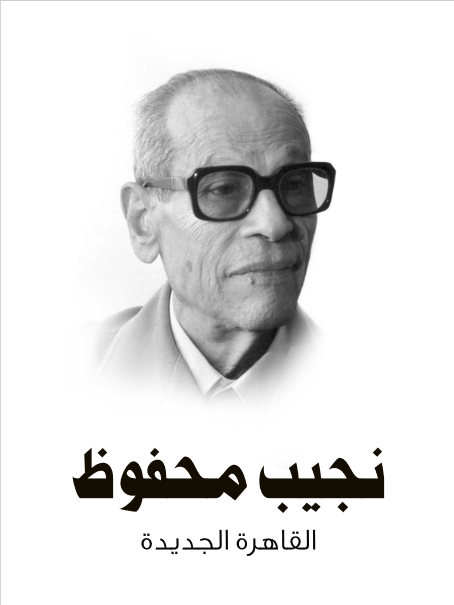
القاهرة الجديدة رواية للأديب المصري نجيب محفوظ نشرت لأول مرة سنة 1945 وتم تحويلها لفيلم سينمائي سنة 1966 باسم (القاهرة 30) من إخراج صلاح أبو سيف. تناقش الرواية العديد من القضايا الاجتماعية. البطل الرئيسي للرواية هو محجوب عبد الدايم وهو شخص متسلق وصولي يتزوج من إحسان ويتم تعيينه في وظيفة كبيرة بشرط أن يسمح لمديره في العمل بأن يشاركه زوجته وينتهى الأمر بافتضاح أمره ونقله إلى أسوان. وشخصيتين أخريين هما مأمون رضوان الذي يمثل التيار الدينى وعلي طه الاشتراكي. هي أول رواية يكتبها نجيب محفوظ عن القاهرة. ومن هذه الرواية بدأ محفوظ يتخذ أسلوب الواقعية الاجتماعية. ويرى محمود أمين العالم تشابها بين هذه الرواية ورواية محفوظ الأولى عبث الأقدار.

Download PDF of القاهرة الجديدة book pdf download By Naguib Mahfouz
-Adrian Agency Library

Download Now

بداية ونهاية book pdf download

Section : Drama novels
Date of Coming : 2022-08-10
Language : Arabic
book quality : Good
Auther : Naguib Mahfouz
Department : literature
Size of file : 0.14MB
Number of Pages : 68

Author: Naguib Mahfouz

About the Author: Naguib Mahfouz: The pioneer of the Arabic novel, and the winner of the highest literary prize in the world.
He was born on December 11, 1911 in Al-Gamaliya neighborhood in Cairo, to a middle-class family. His father was a government employee. He chose the name of the doctor who supervised his birth, Dr. Naguib Mahfouz Pasha, so that his name would be compounded by Naguib Mahfouz.
He was sent to writers at a young age, and then enrolled in primary school, during which he learned about the adventures of “Ben Johnson”, which he borrowed from a colleague to read, to be Mahfouz’s first experience in the world of reading. He also experienced the 1919 revolution at the age of eight, and it left a profound impact on him that later appeared in his novels.
After high school, Mahfouz decided to study philosophy and joined the Egyptian University, and there he met the Dean of Arabic Literature, Taha Hussein, to tell him of his desire to study the origin of existence. At this stage, his passion for reading increased, and he was preoccupied with the ideas of philosophers, which had the greatest impact on his way of thinking.
After graduating from the university, he worked as an administrative employee there for a year, then held several government jobs such as his work as a secretary in the Ministry of Awqaf. He also held several other positions, including: Head of the Oversight Authority at the Ministry of Guidance, Chairman of the Board of Directors of the Cinema Support Foundation, and Adviser to the Ministry of Culture.
Mahfouz had intended to complete academic studies and prepare for a master’s degree in philosophy on the subject of “Beauty in Islamic Philosophy,” but he fought a struggle with himself between his love for philosophy on the one hand, and his love for tales and literature, which began from his childhood on the other, and ended this internal conflict in favor of literature; He saw that philosophy could be presented through literature.
Mahfouz began to feel his first steps in the world of literature by writing stories, so he published eighty stories without payment. In 1939, his first creative experiments came to light. The novel “The Abatement of Destinies”, after which he continued writing the novel and the short story in addition to the play, as well as press articles and scenarios for some Egyptian films.
Mahfouz’s novelist experience went through several stages, starting with the historical stage in which he returned to ancient Egyptian history, and issued his three historical trilogy: “The Absurdity of Predestination,” “Radopis,” and “The Good Struggle.” Then the realistic stage that began in 1945 AD, coinciding with the Second World War; At this stage, he approached reality and society, and published his realistic novels such as “New Cairo” and “Khan Al-Khalili”, reaching the peak of novelistic creativity with the famous trilogy: “Bain Al Qasrain”, “Qasr Al-Shouq” and “Al-Sukaria”. Then the symbolic or intellectual stage, whose most prominent works were: “The Road”, “The Beggar”, “Gossip over the Nile”, and “The Children of Our Neighborhood” (which caused widespread controversy in religious circles, and its publication was banned for a while).
In 1994, Mahfouz was subjected to an assassination attempt, from which he survived, but it affected the nerves of the upper right side of the neck, negatively affecting his ability to write.
He received many international and local awards, most notably: the “Nobel Prize in Literature” in 1988, and the “Nile Necklace” in the same year.
The icon of Egyptian and Arabic literature “Naguib Mahfouz” passed away on August 30, 2006 AD, after a life full of creativity and giving, during which he presented many literary works close to humans and loaded with the philosophy of life, which is a great legacy that every Egyptian, every Arab, and every human celebrates.

بداية ونهاية book pdf download By Naguib Mahfouz

بداية ونهاية رواية لنجيب محفوظ صدرت عام 1949. وهي مستوحاة من قصة حقيقية لأسرة كان يعرفها نجيب محفوظ. تعالج الرواية حياة أسرة فقيرة تتكون من الأمّ وأبنائها الأربعة تعيش على راتب تقاعد الأب المتوفى. والرواية ذات طابع تراجيدي، فيها تتبع وتصوير تعقيد الحياة وعلاقات الأفراد، والتقاء التفاعلات الاجتماعية مع الواقع. هي أول رواية لمحفوظ تحوّل إلى فيلم سينمائي (عام 1960 من إخراج صلاح أبو سيف). وقد حوّلت عام 1993 إلى فيلم مكسيكي. ملخصها تحكي هذه القصة عن حياة الاسرة بعد موت والدهم و معيلهم فتتعب الام في تربية ابنائها فمن جهة ابنها البكر حسن عاطل عن العمل وابنها حسنين الذي يقع في حب فتاة ليست من طبقتهم و حسين الطيب و ابنتها نفيسة التي تصبح عاهرة بعد ان خذلها حبيبها السابق

Download PDF of بداية ونهاية book pdf download By Naguib Mahfouz
-Adrian Agency Library

Download Now

زقاق المدق book pdf download

Number of Pages : 202
Date of Coming : 2022-08-10
Auther : Naguib Mahfouz
Department : literature
Section : Drama novels
Size of file : 2.86MB
book quality : Excellent
Language : Arabic

Author: Naguib Mahfouz

About the Author: Naguib Mahfouz: The pioneer of the Arabic novel, and the winner of the highest literary prize in the world.
He was born on December 11, 1911 in Al-Gamaliya neighborhood in Cairo, to a middle-class family. His father was a government employee. He chose the name of the doctor who supervised his birth, Dr. Naguib Mahfouz Pasha, so that his name would be compounded by Naguib Mahfouz.
He was sent to writers at a young age, and then enrolled in primary school, during which he learned about the adventures of “Ben Johnson”, which he borrowed from a colleague to read, to be Mahfouz’s first experience in the world of reading. He also experienced the 1919 revolution at the age of eight, and it left a profound impact on him that later appeared in his novels.
After high school, Mahfouz decided to study philosophy and joined the Egyptian University, and there he met the Dean of Arabic Literature, Taha Hussein, to tell him of his desire to study the origin of existence. At this stage, his passion for reading increased, and he was preoccupied with the ideas of philosophers, which had the greatest impact on his way of thinking.
After graduating from the university, he worked as an administrative employee there for a year, then held several government jobs such as his work as a secretary in the Ministry of Awqaf. He also held several other positions, including: Head of the Oversight Authority at the Ministry of Guidance, Chairman of the Board of Directors of the Cinema Support Foundation, and Adviser to the Ministry of Culture.
Mahfouz had intended to complete academic studies and prepare for a master’s degree in philosophy on the subject of “Beauty in Islamic Philosophy,” but he fought a struggle with himself between his love for philosophy on the one hand, and his love for tales and literature, which began from his childhood on the other, and ended this internal conflict in favor of literature; He saw that philosophy could be presented through literature.
Mahfouz began to feel his first steps in the world of literature by writing stories, so he published eighty stories without payment. In 1939, his first creative experiments came to light. The novel “The Abatement of Destinies”, after which he continued writing the novel and the short story in addition to the play, as well as press articles and scenarios for some Egyptian films.
Mahfouz’s novelist experience went through several stages, starting with the historical stage in which he returned to ancient Egyptian history, and issued his three historical trilogy: “The Absurdity of Predestination,” “Radopis,” and “The Good Struggle.” Then the realistic stage that began in 1945 AD, coinciding with the Second World War; At this stage, he approached reality and society, and published his realistic novels such as “New Cairo” and “Khan Al-Khalili”, reaching the peak of novelistic creativity with the famous trilogy: “Bain Al Qasrain”, “Qasr Al-Shouq” and “Al-Sukaria”. Then the symbolic or intellectual stage, whose most prominent works were: “The Road”, “The Beggar”, “Gossip over the Nile”, and “The Children of Our Neighborhood” (which caused widespread controversy in religious circles, and its publication was banned for a while).
In 1994, Mahfouz was subjected to an assassination attempt, from which he survived, but it affected the nerves of the upper right side of the neck, negatively affecting his ability to write.
He received many international and local awards, most notably: the “Nobel Prize in Literature” in 1988, and the “Nile Necklace” in the same year.
The icon of Egyptian and Arabic literature “Naguib Mahfouz” passed away on August 30, 2006 AD, after a life full of creativity and giving, during which he presented many literary works close to humans and loaded with the philosophy of life, which is a great legacy that every Egyptian, every Arab, and every human celebrates.

زقاق المدق book pdf download By Naguib Mahfouz

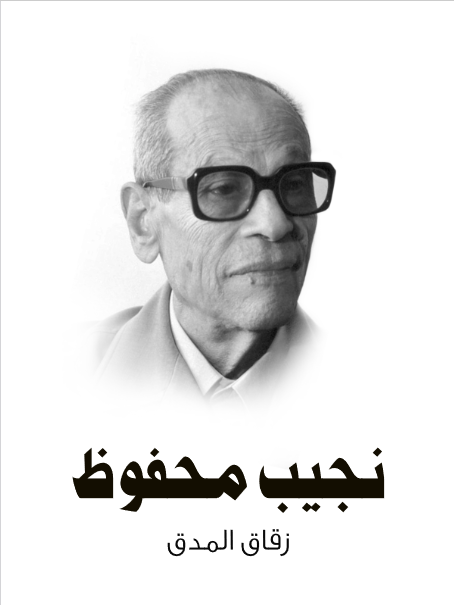
زقاق المدق رواية من تأليف الروائي المصري نجيب محفوظ نشرت عام 1947، وتعد إحدى رواياته الشهير المسماة. تتخذ الرواية اسمها من أحد الأزقّة المتفرّعة من حارة الصنادقية بمنطقة الحسين بحي الأزهر الشريف بالقاهرة، وتدور أحداث الرواية في هذا الزقاق الصغير في أربعينات القرن العشرين، وصور الأديب الكبير، والذي كان سيفوز بجائزة نوبل في الآداب عام 1988، الحياة في هذا الزقاق تصويرا أدبيا رائعا كعادته.

Download PDF of زقاق المدق book pdf download By Naguib Mahfouz
-Adrian Agency Library

Download Now

عبث الاقدار book pdf download

Department : literature
Auther : Naguib Mahfouz
Section : Drama novels
book quality : Good
Language : Arabic
Date of Coming : 2022-08-10
Number of Pages : 208
Size of file : 2.27MB

Author: Naguib Mahfouz

About the Author: Naguib Mahfouz: The pioneer of the Arabic novel, and the winner of the highest literary prize in the world.
He was born on December 11, 1911 in Al-Gamaliya neighborhood in Cairo, to a middle-class family. His father was a government employee. He chose the name of the doctor who supervised his birth, Dr. Naguib Mahfouz Pasha, so that his name would be compounded by Naguib Mahfouz.
He was sent to writers at a young age, and then enrolled in primary school, during which he learned about the adventures of “Ben Johnson”, which he borrowed from a colleague to read, to be Mahfouz’s first experience in the world of reading. He also experienced the 1919 revolution at the age of eight, and it left a profound impact on him that later appeared in his novels.
After high school, Mahfouz decided to study philosophy and joined the Egyptian University, and there he met the Dean of Arabic Literature, Taha Hussein, to tell him of his desire to study the origin of existence. At this stage, his passion for reading increased, and he was preoccupied with the ideas of philosophers, which had the greatest impact on his way of thinking.
After graduating from the university, he worked as an administrative employee there for a year, then held several government jobs such as his work as a secretary in the Ministry of Awqaf. He also held several other positions, including: Head of the Oversight Authority at the Ministry of Guidance, Chairman of the Board of Directors of the Cinema Support Foundation, and Adviser to the Ministry of Culture.
Mahfouz had intended to complete academic studies and prepare for a master’s degree in philosophy on the subject of “Beauty in Islamic Philosophy,” but he fought a struggle with himself between his love for philosophy on the one hand, and his love for tales and literature, which began from his childhood on the other, and ended this internal conflict in favor of literature; He saw that philosophy could be presented through literature.
Mahfouz began to feel his first steps in the world of literature by writing stories, so he published eighty stories without payment. In 1939, his first creative experiments came to light. The novel “The Abatement of Destinies”, after which he continued writing the novel and the short story in addition to the play, as well as press articles and scenarios for some Egyptian films.
Mahfouz’s novelist experience went through several stages, starting with the historical stage in which he returned to ancient Egyptian history, and issued his three historical trilogy: “The Absurdity of Predestination,” “Radopis,” and “The Good Struggle.” Then the realistic stage that began in 1945 AD, coinciding with the Second World War; At this stage, he approached reality and society, and published his realistic novels such as “New Cairo” and “Khan Al-Khalili”, reaching the peak of novelistic creativity with the famous trilogy: “Bain Al Qasrain”, “Qasr Al-Shouq” and “Al-Sukaria”. Then the symbolic or intellectual stage, whose most prominent works were: “The Road”, “The Beggar”, “Gossip over the Nile”, and “The Children of Our Neighborhood” (which caused widespread controversy in religious circles, and its publication was banned for a while).
In 1994, Mahfouz was subjected to an assassination attempt, from which he survived, but it affected the nerves of the upper right side of the neck, negatively affecting his ability to write.
He received many international and local awards, most notably: the “Nobel Prize in Literature” in 1988, and the “Nile Necklace” in the same year.
The icon of Egyptian and Arabic literature “Naguib Mahfouz” passed away on August 30, 2006 AD, after a life full of creativity and giving, during which he presented many literary works close to humans and loaded with the philosophy of life, which is a great legacy that every Egyptian, every Arab, and every human celebrates.

عبث الاقدار book pdf download By Naguib Mahfouz

عبث الأقدار (أو حكمة خوفو) هي أول رواية لنجيب محفوظ بدأ فيها مسيرته معتمدا على الوسائل التقليدية للرواية. مثلت هذه الرواية مع روايتي رادوبيس وكفاح طيبة المرحلة التاريخية في مسيرة نجيب محفوظ الروائية. تمازجت الأسطورة مع التاريخ في هذه الرواية وألقت الضوء على العلاقات داخل الأسرة الفرعونية الحاكمة في عصر بناء هرم الفرعون خوفو. تناقش الرواية الاستبداد والقوة وتطرح قضية الصراع بين الإرادة الفردية وحتمية القدر. حولت هذه الرواية إلى مسلسل يدعى الأقدار بعد حذف كلمة “عبث” للتعارض مع المفاهيم الدينية. المسلسل بطولة عزت العلايلي وأحمد سلامة وعبد الله محمود.أصدرت دار الشروق عام 1989 نسخة مبسطة للناشئين من الرواية تحت عنوان «عجائب الأقدار» مع رسومات لحلمي التوني. تُرجمت الرواية إلى الإنجليزية عام 2003، وإلى الألمانية في 2007 بعنوان “خوفو”، وترجمت إلى الفرنسية والإسبانية تحت عنوان “لعنة رع”.

Download PDF of عبث الاقدار book pdf download By Naguib Mahfouz
-Adrian Agency Library

Download Now

يوم قتل الزعيم book pdf download

Date of Coming : 2022-08-10
Auther : Naguib Mahfouz
Section : Drama novels
Size of file : 2.92MB
Department : literature
Number of Pages : 100
book quality : Good
Language : Arabic

Author: Naguib Mahfouz

About the Author: Naguib Mahfouz: The pioneer of the Arabic novel, and the winner of the highest literary prize in the world.
He was born on December 11, 1911 in Al-Gamaliya neighborhood in Cairo, to a middle-class family. His father was a government employee. He chose the name of the doctor who supervised his birth, Dr. Naguib Mahfouz Pasha, so that his name would be compounded by Naguib Mahfouz.
He was sent to writers at a young age, and then enrolled in primary school, during which he learned about the adventures of “Ben Johnson”, which he borrowed from a colleague to read, to be Mahfouz’s first experience in the world of reading. He also experienced the 1919 revolution at the age of eight, and it left a profound impact on him that later appeared in his novels.
After high school, Mahfouz decided to study philosophy and joined the Egyptian University, and there he met the Dean of Arabic Literature, Taha Hussein, to tell him of his desire to study the origin of existence. At this stage, his passion for reading increased, and he was preoccupied with the ideas of philosophers, which had the greatest impact on his way of thinking.
After graduating from the university, he worked as an administrative employee there for a year, then held several government jobs such as his work as a secretary in the Ministry of Awqaf. He also held several other positions, including: Head of the Oversight Authority at the Ministry of Guidance, Chairman of the Board of Directors of the Cinema Support Foundation, and Adviser to the Ministry of Culture.
Mahfouz had intended to complete academic studies and prepare for a master’s degree in philosophy on the subject of “Beauty in Islamic Philosophy,” but he fought a struggle with himself between his love for philosophy on the one hand, and his love for tales and literature, which began from his childhood on the other, and ended this internal conflict in favor of literature; He saw that philosophy could be presented through literature.
Mahfouz began to feel his first steps in the world of literature by writing stories, so he published eighty stories without payment. In 1939, his first creative experiments came to light. The novel “The Abatement of Destinies”, after which he continued writing the novel and the short story in addition to the play, as well as press articles and scenarios for some Egyptian films.
Mahfouz’s novelist experience went through several stages, starting with the historical stage in which he returned to ancient Egyptian history, and issued his three historical trilogy: “The Absurdity of Predestination,” “Radopis,” and “The Good Struggle.” Then the realistic stage that began in 1945 AD, coinciding with the Second World War; At this stage, he approached reality and society, and published his realistic novels such as “New Cairo” and “Khan Al-Khalili”, reaching the peak of novelistic creativity with the famous trilogy: “Bain Al Qasrain”, “Qasr Al-Shouq” and “Al-Sukaria”. Then the symbolic or intellectual stage, whose most prominent works were: “The Road”, “The Beggar”, “Gossip over the Nile”, and “The Children of Our Neighborhood” (which caused widespread controversy in religious circles, and its publication was banned for a while).
In 1994, Mahfouz was subjected to an assassination attempt, from which he survived, but it affected the nerves of the upper right side of the neck, negatively affecting his ability to write.
He received many international and local awards, most notably: the “Nobel Prize in Literature” in 1988, and the “Nile Necklace” in the same year.
The icon of Egyptian and Arabic literature “Naguib Mahfouz” passed away on August 30, 2006 AD, after a life full of creativity and giving, during which he presented many literary works close to humans and loaded with the philosophy of life, which is a great legacy that every Egyptian, every Arab, and every human celebrates.

يوم قتل الزعيم book pdf download By Naguib Mahfouz

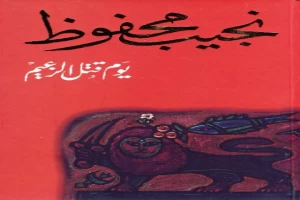
يوم قتل الزعيم هي رواية للأديب العالمي والكاتب الروائي الشهير نجيب محفوظ. ويُعد نجيب محفوظ من أهم كتاب القرن العشرين. وهو أول مصري يحصل على جائزة نوبل في الأدب. له إنتاج أدبي وافر يتسم بالجودة والواقعية، فكل أعماله الأدبية كانت تدور في مصر وتناقش مشاكلها الإجتماعية. من أشهر أعماله رواية “بين القصرين” ورواية “أولاد حارتنا“.

Download PDF of يوم قتل الزعيم book pdf download By Naguib Mahfouz
-Adrian Agency Library
Download Now

احلام فترة النقاهة book pdf download

Size of file : 1.64MB
Auther : Naguib Mahfouz
book quality : Good
Date of Coming : 2022-08-10
Section : Drama novels
Language : Arabic
Department : literature
Number of Pages : 138

Author: Naguib Mahfouz

About the Author: Naguib Mahfouz: The pioneer of the Arabic novel, and the winner of the highest literary prize in the world.
He was born on December 11, 1911 in Al-Gamaliya neighborhood in Cairo, to a middle-class family. His father was a government employee. He chose the name of the doctor who supervised his birth, Dr. Naguib Mahfouz Pasha, so that his name would be compounded by Naguib Mahfouz.
He was sent to writers at a young age, and then enrolled in primary school, during which he learned about the adventures of “Ben Johnson”, which he borrowed from a colleague to read, to be Mahfouz’s first experience in the world of reading. He also experienced the 1919 revolution at the age of eight, and it left a profound impact on him that later appeared in his novels.
After high school, Mahfouz decided to study philosophy and joined the Egyptian University, and there he met the Dean of Arabic Literature, Taha Hussein, to tell him of his desire to study the origin of existence. At this stage, his passion for reading increased, and he was preoccupied with the ideas of philosophers, which had the greatest impact on his way of thinking.
After graduating from the university, he worked as an administrative employee there for a year, then held several government jobs such as his work as a secretary in the Ministry of Awqaf. He also held several other positions, including: Head of the Oversight Authority at the Ministry of Guidance, Chairman of the Board of Directors of the Cinema Support Foundation, and Adviser to the Ministry of Culture.
Mahfouz had intended to complete academic studies and prepare for a master’s degree in philosophy on the subject of “Beauty in Islamic Philosophy,” but he fought a struggle with himself between his love for philosophy on the one hand, and his love for tales and literature, which began from his childhood on the other, and ended this internal conflict in favor of literature; He saw that philosophy could be presented through literature.
Mahfouz began to feel his first steps in the world of literature by writing stories, so he published eighty stories without payment. In 1939, his first creative experiments came to light. The novel “The Abatement of Destinies”, after which he continued writing the novel and the short story in addition to the play, as well as press articles and scenarios for some Egyptian films.
Mahfouz’s novelist experience went through several stages, starting with the historical stage in which he returned to ancient Egyptian history, and issued his three historical trilogy: “The Absurdity of Predestination,” “Radopis,” and “The Good Struggle.” Then the realistic stage that began in 1945 AD, coinciding with the Second World War; At this stage, he approached reality and society, and published his realistic novels such as “New Cairo” and “Khan Al-Khalili”, reaching the peak of novelistic creativity with the famous trilogy: “Bain Al Qasrain”, “Qasr Al-Shouq” and “Al-Sukaria”. Then the symbolic or intellectual stage, whose most prominent works were: “The Road”, “The Beggar”, “Gossip over the Nile”, and “The Children of Our Neighborhood” (which caused widespread controversy in religious circles, and its publication was banned for a while).
In 1994, Mahfouz was subjected to an assassination attempt, from which he survived, but it affected the nerves of the upper right side of the neck, negatively affecting his ability to write.
He received many international and local awards, most notably: the “Nobel Prize in Literature” in 1988, and the “Nile Necklace” in the same year.
The icon of Egyptian and Arabic literature “Naguib Mahfouz” passed away on August 30, 2006 AD, after a life full of creativity and giving, during which he presented many literary works close to humans and loaded with the philosophy of life, which is a great legacy that every Egyptian, every Arab, and every human celebrates.

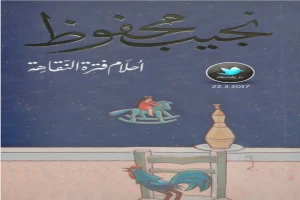
احلام فترة النقاهة book pdf download By Naguib Mahfouz

نجيب محفوظ

Download PDF of احلام فترة النقاهة book pdf download By Naguib Mahfouz
-Adrian Agency Library

Download Now

كقاح طيبة book pdf download

Department : literature
Section : Drama novels
Language : Arabic
Auther : Naguib Mahfouz
book quality : Good
Number of Pages : 258
Date of Coming : 2022-08-10
Size of file : 3.21MB

Author: Naguib Mahfouz

About the Author: Naguib Mahfouz: The pioneer of the Arabic novel, and the winner of the highest literary prize in the world.
He was born on December 11, 1911 in Al-Gamaliya neighborhood in Cairo, to a middle-class family. His father was a government employee. He chose the name of the doctor who supervised his birth, Dr. Naguib Mahfouz Pasha, so that his name would be compounded by Naguib Mahfouz.
He was sent to writers at a young age, and then enrolled in primary school, during which he learned about the adventures of “Ben Johnson”, which he borrowed from a colleague to read, to be Mahfouz’s first experience in the world of reading. He also experienced the 1919 revolution at the age of eight, and it left a profound impact on him that later appeared in his novels.
After high school, Mahfouz decided to study philosophy and joined the Egyptian University, and there he met the Dean of Arabic Literature, Taha Hussein, to tell him of his desire to study the origin of existence. At this stage, his passion for reading increased, and he was preoccupied with the ideas of philosophers, which had the greatest impact on his way of thinking.
After graduating from the university, he worked as an administrative employee there for a year, then held several government jobs such as his work as a secretary in the Ministry of Awqaf. He also held several other positions, including: Head of the Oversight Authority at the Ministry of Guidance, Chairman of the Board of Directors of the Cinema Support Foundation, and Adviser to the Ministry of Culture.
Mahfouz had intended to complete academic studies and prepare for a master’s degree in philosophy on the subject of “Beauty in Islamic Philosophy,” but he fought a struggle with himself between his love for philosophy on the one hand, and his love for tales and literature, which began from his childhood on the other, and ended this internal conflict in favor of literature; He saw that philosophy could be presented through literature.
Mahfouz began to feel his first steps in the world of literature by writing stories, so he published eighty stories without payment. In 1939, his first creative experiments came to light. The novel “The Abatement of Destinies”, after which he continued writing the novel and the short story in addition to the play, as well as press articles and scenarios for some Egyptian films.
Mahfouz’s novelist experience went through several stages, starting with the historical stage in which he returned to ancient Egyptian history, and issued his three historical trilogy: “The Absurdity of Predestination,” “Radopis,” and “The Good Struggle.” Then the realistic stage that began in 1945 AD, coinciding with the Second World War; At this stage, he approached reality and society, and published his realistic novels such as “New Cairo” and “Khan Al-Khalili”, reaching the peak of novelistic creativity with the famous trilogy: “Bain Al Qasrain”, “Qasr Al-Shouq” and “Al-Sukaria”. Then the symbolic or intellectual stage, whose most prominent works were: “The Road”, “The Beggar”, “Gossip over the Nile”, and “The Children of Our Neighborhood” (which caused widespread controversy in religious circles, and its publication was banned for a while).
In 1994, Mahfouz was subjected to an assassination attempt, from which he survived, but it affected the nerves of the upper right side of the neck, negatively affecting his ability to write.
He received many international and local awards, most notably: the “Nobel Prize in Literature” in 1988, and the “Nile Necklace” in the same year.
The icon of Egyptian and Arabic literature “Naguib Mahfouz” passed away on August 30, 2006 AD, after a life full of creativity and giving, during which he presented many literary works close to humans and loaded with the philosophy of life, which is a great legacy that every Egyptian, every Arab, and every human celebrates.

كقاح طيبة book pdf download By Naguib Mahfouz

كفاح طيبة رواية تاريخية للروائي المصري نجيب محفوظ نشرت للمرة الأولى سنة 1944، وهي الثالثة بين رواياته التاريخية بعد عبث الأقدار (1939) ورادوبيس (1943) وتصور كفاح شعب مصر في سبيل استرداد حريته وطرد الغزاة الهكسوس من بلادهم، في إسقاط تاريخي للأحداث على كفاح الشعب المصري في أوائل القرن العشرين للتحرر من الاحتلال البريطاني وتحقيق استقلاله. “… أردت بذلك أن أقول انه مثلما نجح الشعب المصري في تحقيق استقلاله في العصور الغابرة فإنه سينجح أيضا في العصر الحديث”.يمزج نجيب محفوظ في روايته قصة كفاح أهل طيبة بقصة حب الملك أحمس، فالبطل أحمس رغم حصوله على النصر لم تغب عن ذهنه صورة تلك الأميرة القادمة من الصحراء (ابنة عدوه الهكسوسي) والتي ظلت ملامحها محفورة في قلبه كأول يوم رآها فيه على ظهر السفينة الفرعونية. ومع ذلك يضحي بعاطفته في سبيل طيبة.

Download PDF of كقاح طيبة book pdf download By Naguib Mahfouz
-Adrian Agency Library

Download Now

الكرنك book pdf download

Date of Coming : 2022-08-10
Department : literature
book quality : Good
Language : Arabic
Size of file : 1.03MB
Auther : Naguib Mahfouz
Number of Pages : 92
Section : Drama novels

Author: Naguib Mahfouz

About the Author: Naguib Mahfouz: The pioneer of the Arabic novel, and the winner of the highest literary prize in the world.
He was born on December 11, 1911 in Al-Gamaliya neighborhood in Cairo, to a middle-class family. His father was a government employee. He chose the name of the doctor who supervised his birth, Dr. Naguib Mahfouz Pasha, so that his name would be compounded by Naguib Mahfouz.
He was sent to writers at a young age, and then enrolled in primary school, during which he learned about the adventures of “Ben Johnson”, which he borrowed from a colleague to read, to be Mahfouz’s first experience in the world of reading. He also experienced the 1919 revolution at the age of eight, and it left a profound impact on him that later appeared in his novels.
After high school, Mahfouz decided to study philosophy and joined the Egyptian University, and there he met the Dean of Arabic Literature, Taha Hussein, to tell him of his desire to study the origin of existence. At this stage, his passion for reading increased, and he was preoccupied with the ideas of philosophers, which had the greatest impact on his way of thinking.
After graduating from the university, he worked as an administrative employee there for a year, then held several government jobs such as his work as a secretary in the Ministry of Awqaf. He also held several other positions, including: Head of the Oversight Authority at the Ministry of Guidance, Chairman of the Board of Directors of the Cinema Support Foundation, and Adviser to the Ministry of Culture.
Mahfouz had intended to complete academic studies and prepare for a master’s degree in philosophy on the subject of “Beauty in Islamic Philosophy,” but he fought a struggle with himself between his love for philosophy on the one hand, and his love for tales and literature, which began from his childhood on the other, and ended this internal conflict in favor of literature; He saw that philosophy could be presented through literature.
Mahfouz began to feel his first steps in the world of literature by writing stories, so he published eighty stories without payment. In 1939, his first creative experiments came to light. The novel “The Abatement of Destinies”, after which he continued writing the novel and the short story in addition to the play, as well as press articles and scenarios for some Egyptian films.
Mahfouz’s novelist experience went through several stages, starting with the historical stage in which he returned to ancient Egyptian history, and issued his three historical trilogy: “The Absurdity of Predestination,” “Radopis,” and “The Good Struggle.” Then the realistic stage that began in 1945 AD, coinciding with the Second World War; At this stage, he approached reality and society, and published his realistic novels such as “New Cairo” and “Khan Al-Khalili”, reaching the peak of novelistic creativity with the famous trilogy: “Bain Al Qasrain”, “Qasr Al-Shouq” and “Al-Sukaria”. Then the symbolic or intellectual stage, whose most prominent works were: “The Road”, “The Beggar”, “Gossip over the Nile”, and “The Children of Our Neighborhood” (which caused widespread controversy in religious circles, and its publication was banned for a while).
In 1994, Mahfouz was subjected to an assassination attempt, from which he survived, but it affected the nerves of the upper right side of the neck, negatively affecting his ability to write.
He received many international and local awards, most notably: the “Nobel Prize in Literature” in 1988, and the “Nile Necklace” in the same year.
The icon of Egyptian and Arabic literature “Naguib Mahfouz” passed away on August 30, 2006 AD, after a life full of creativity and giving, during which he presented many literary works close to humans and loaded with the philosophy of life, which is a great legacy that every Egyptian, every Arab, and every human celebrates.

الكرنك book pdf download By Naguib Mahfouz

عن الرواية: رواية الكرنك تتحدث عن الفترة مابين حربين حرب النكسة و حرب التحرير، وما بينهما فضيحة فساد المخابرات المصرية وما نتج عنها من الاتهامات التي تلقى جزافا، ونصيب متلقيها من التعذيب وخاصة الشباب. واسم الرواية يعود لمقهى الكرنك التي تملكه قرنفلة الراقصة المعتزلة، والتي تقدم مع المشروبات بيئة مناسبة للقاءات الثقافية، وشباب الرواية حلمي واسماعيل وزينت ابناء الثورة، ومثقفوها.

Download PDF of الكرنك book pdf download By Naguib Mahfouz
-Adrian Agency Library

Download Now

القرار الاخير book pdf download

Language : Arabic
Date of Coming : 2022-08-10
Number of Pages : 150
Size of file : 1.40MB
Department : literature
Section : Drama novels
book quality : Good
Auther : Naguib Mahfouz

Author: Naguib Mahfouz

About the Author: Naguib Mahfouz: The pioneer of the Arabic novel, and the winner of the highest literary prize in the world.
He was born on December 11, 1911 in Al-Gamaliya neighborhood in Cairo, to a middle-class family. His father was a government employee. He chose the name of the doctor who supervised his birth, Dr. Naguib Mahfouz Pasha, so that his name would be compounded by Naguib Mahfouz.
He was sent to writers at a young age, and then enrolled in primary school, during which he learned about the adventures of “Ben Johnson”, which he borrowed from a colleague to read, to be Mahfouz’s first experience in the world of reading. He also experienced the 1919 revolution at the age of eight, and it left a profound impact on him that later appeared in his novels.
After high school, Mahfouz decided to study philosophy and joined the Egyptian University, and there he met the Dean of Arabic Literature, Taha Hussein, to tell him of his desire to study the origin of existence. At this stage, his passion for reading increased, and he was preoccupied with the ideas of philosophers, which had the greatest impact on his way of thinking.
After graduating from the university, he worked as an administrative employee there for a year, then held several government jobs such as his work as a secretary in the Ministry of Awqaf. He also held several other positions, including: Head of the Oversight Authority at the Ministry of Guidance, Chairman of the Board of Directors of the Cinema Support Foundation, and Adviser to the Ministry of Culture.
Mahfouz had intended to complete academic studies and prepare for a master’s degree in philosophy on the subject of “Beauty in Islamic Philosophy,” but he fought a struggle with himself between his love for philosophy on the one hand, and his love for tales and literature, which began from his childhood on the other, and ended this internal conflict in favor of literature; He saw that philosophy could be presented through literature.
Mahfouz began to feel his first steps in the world of literature by writing stories, so he published eighty stories without payment. In 1939, his first creative experiments came to light. The novel “The Abatement of Destinies”, after which he continued writing the novel and the short story in addition to the play, as well as press articles and scenarios for some Egyptian films.
Mahfouz’s novelist experience went through several stages, starting with the historical stage in which he returned to ancient Egyptian history, and issued his three historical trilogy: “The Absurdity of Predestination,” “Radopis,” and “The Good Struggle.” Then the realistic stage that began in 1945 AD, coinciding with the Second World War; At this stage, he approached reality and society, and published his realistic novels such as “New Cairo” and “Khan Al-Khalili”, reaching the peak of novelistic creativity with the famous trilogy: “Bain Al Qasrain”, “Qasr Al-Shouq” and “Al-Sukaria”. Then the symbolic or intellectual stage, whose most prominent works were: “The Road”, “The Beggar”, “Gossip over the Nile”, and “The Children of Our Neighborhood” (which caused widespread controversy in religious circles, and its publication was banned for a while).
In 1994, Mahfouz was subjected to an assassination attempt, from which he survived, but it affected the nerves of the upper right side of the neck, negatively affecting his ability to write.
He received many international and local awards, most notably: the “Nobel Prize in Literature” in 1988, and the “Nile Necklace” in the same year.
The icon of Egyptian and Arabic literature “Naguib Mahfouz” passed away on August 30, 2006 AD, after a life full of creativity and giving, during which he presented many literary works close to humans and loaded with the philosophy of life, which is a great legacy that every Egyptian, every Arab, and every human celebrates.

القرار الاخير book pdf download By Naguib Mahfouz

«لا شيء يستحق الحزن، دع الحزن للحمقى» نجيب محفوظ يحكي لك؛ فهناك قصة الأب المتسلط الذي يحكم القبضة على أبنائه، وقصة المرأة التي تغوي الرجل بجمالها فتفقده أعزَّ أصدقائه، وقصة ذكريات الطفولة والصبا وأصدقاء العمر والانسحاق في عصر الانفتاح بعد انتهاء وهم الاشتراكية. و”القرار الأخير” مجموعة قصصية تتكون من 24 قصة قصيرة، صدرت طبعتها الأولى عام 1996، عالمها الحارة المصرية بأزقتها وحوانيتها، وحكايات البيوت والدكاكين والأضرحة ومزارات الأولياء، والفتوات والفقراء، إنها حكاياتنا. «القانون مسكين، ولا يطبق إلا على المساكين»

Download PDF of القرار الاخير book pdf download By Naguib Mahfouz
-Adrian Agency Library
Download Now

الشيطان يعظ book pdf download

Section : Drama novels
Date of Coming : 2022-08-10
Number of Pages : 400
Language : Arabic
book quality : Good
Department : literature
Auther : Naguib Mahfouz
Size of file : 3.86MB

Author: Naguib Mahfouz

About the Author: Naguib Mahfouz: The pioneer of the Arabic novel, and the winner of the highest literary prize in the world.
He was born on December 11, 1911 in Al-Gamaliya neighborhood in Cairo, to a middle-class family. His father was a government employee. He chose the name of the doctor who supervised his birth, Dr. Naguib Mahfouz Pasha, so that his name would be compounded by Naguib Mahfouz.
He was sent to writers at a young age, and then enrolled in primary school, during which he learned about the adventures of “Ben Johnson”, which he borrowed from a colleague to read, to be Mahfouz’s first experience in the world of reading. He also experienced the 1919 revolution at the age of eight, and it left a profound impact on him that later appeared in his novels.
After high school, Mahfouz decided to study philosophy and joined the Egyptian University, and there he met the Dean of Arabic Literature, Taha Hussein, to tell him of his desire to study the origin of existence. At this stage, his passion for reading increased, and he was preoccupied with the ideas of philosophers, which had the greatest impact on his way of thinking.
After graduating from the university, he worked as an administrative employee there for a year, then held several government jobs such as his work as a secretary in the Ministry of Awqaf. He also held several other positions, including: Head of the Oversight Authority at the Ministry of Guidance, Chairman of the Board of Directors of the Cinema Support Foundation, and Adviser to the Ministry of Culture.
Mahfouz had intended to complete academic studies and prepare for a master’s degree in philosophy on the subject of “Beauty in Islamic Philosophy,” but he fought a struggle with himself between his love for philosophy on the one hand, and his love for tales and literature, which began from his childhood on the other, and ended this internal conflict in favor of literature; He saw that philosophy could be presented through literature.
Mahfouz began to feel his first steps in the world of literature by writing stories, so he published eighty stories without payment. In 1939, his first creative experiments came to light. The novel “The Abatement of Destinies”, after which he continued writing the novel and the short story in addition to the play, as well as press articles and scenarios for some Egyptian films.
Mahfouz’s novelist experience went through several stages, starting with the historical stage in which he returned to ancient Egyptian history, and issued his three historical trilogy: “The Absurdity of Predestination,” “Radopis,” and “The Good Struggle.” Then the realistic stage that began in 1945 AD, coinciding with the Second World War; At this stage, he approached reality and society, and published his realistic novels such as “New Cairo” and “Khan Al-Khalili”, reaching the peak of novelistic creativity with the famous trilogy: “Bain Al Qasrain”, “Qasr Al-Shouq” and “Al-Sukaria”. Then the symbolic or intellectual stage, whose most prominent works were: “The Road”, “The Beggar”, “Gossip over the Nile”, and “The Children of Our Neighborhood” (which caused widespread controversy in religious circles, and its publication was banned for a while).
In 1994, Mahfouz was subjected to an assassination attempt, from which he survived, but it affected the nerves of the upper right side of the neck, negatively affecting his ability to write.
He received many international and local awards, most notably: the “Nobel Prize in Literature” in 1988, and the “Nile Necklace” in the same year.
The icon of Egyptian and Arabic literature “Naguib Mahfouz” passed away on August 30, 2006 AD, after a life full of creativity and giving, during which he presented many literary works close to humans and loaded with the philosophy of life, which is a great legacy that every Egyptian, every Arab, and every human celebrates.

الشيطان يعظ book pdf download By Naguib Mahfouz

لدى ظهور الإنسان انعقدت عليه آمال كبار. ألم يئن الأوان لإعادة النظر؟ رائحته تفسد جو الأرض وفعاله يندى لها جبين الحيوان. “حبنا ثابت راسخ، إنه مثل الضوء لايعني اختفاؤه حيناً إلا أنه يدور دورته ليريق ضحكته الإلهية في الصباح التالي.”

Download PDF of الشيطان يعظ book pdf download By Naguib Mahfouz
-Adrian Agency Library

Download Now