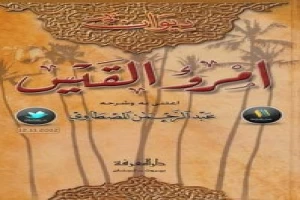
شرح ديوان امرؤ القيس book pdf download

book quality : Good
Department : literature
Language : Arabic
Auther : Imru’ al-Qays
Size of file : 8.33MB
Number of Pages : 478
Section : Novel and poetry collections
Date of Coming : 2022-08-10

Author: Imru’ al-Qays

About the Author: Jandah bin Hajar bin Al-Harith Al-Kindi (500-540 AD), better known as Imru’ al-Qays, is an Arab poet of high stature. Sources differ in his name, Ford as Jandah, Handaj, Malika and Uday, and he is from the Kinda tribe. He is known in the Arabic heritage books by several titles, including: Al-Malik Al-Dhayl and Dhul-Qrouh, Kunni Abi Wahb, Abi Zaid, and Abu Al-Harith. Foundation He was born in Najd, in the Kinda tribe. He grew up affluent and inclined to luxury. His father was Hajar, the king of Banu Asad and Ghatfan, and his mother was Fatimah bint Rabia al-Taghlibih, sister of Kulaib and the poet al-Muhalhal al-Taghlibi. He learned poetry from a young age from his sloppy uncle, and he did not stop organizing pornographic poetry and mixing with tramps, despite his father’s forbidding him to do so, so he expelled him to the homeland of his tribe; Damoun in Hadhramaut when he was twenty years old, and no sooner had he spent five years there than he walked in the Arab countries with his companions, seeking after amusement, absurdity, conquest and joy. He was blasphemous in his flirting and obscene in recounting his romantic stories, and he is considered one of the first poets who introduced poetry to women’s deceptions. Umru’ al-Qays in poetry took a path in which he violated the traditions of the environment, so he took for himself a lame biography that was reviled by kings, as Ibn al-Kalbi mentions when he said: He was walking in The neighborhoods of the Arabs, and with him were mixtures of Arab deviants, such as Tai, Kalb, Bakr bin Wael, and if he encountered a stream, a kindergarten, or a place for hunting, he would stay, slaughter and drink wine, and give them a drink, and he would sing it as a means of devouring it. He adhered to a lifestyle that did not suit his father, so he expelled him and returned him to Hadramout among his uncles and his people, hoping to change him. But Handaj (Imru’ al-Qays) continued with his promiscuity and perpetuated the escort of Arab brats and adapted their lifestyle of loitering among Arab neighborhoods, hunting, attacking other tribes and plundering their goods. A new stage began in his life after Banu Asad revolted against his father and killed him. The news came to him while he was sitting drinking wine, and he said: “May God have mercy on my father. Neither awake today nor drunkenness tomorrow, today is wine and tomorrow is command.” So he took upon himself the responsibility of avenging his father, and regaining the sway of the rule of Kinda. They ransomed him with a hundred of them, but he refused, so the Bakr tribes abandoned him and overpowered him, and he composed a great deal of poetry in these events. He had to confront Al-Mundhir, the king of Al-Hira, who sought the help of Kisra, the king of the Persians, against him. Imru Al-Qais fled to the tribes for help. He was called the misguided king, until he decided to seek help from Samuel in Tayma. And to strengthen it with his allies from the Arab tribes. He went to Taima and entrusted the shields that had been inherited by the kings of Kinda with Al-Samawal, and he went to Constantinople for the purpose of meeting Caesar Justinian I, with Amr ibn Qamiya, one of his father’s servants who complained about the hardship of the journey and said to Imru’ Al-Qais: “You deceived us.” He replied with a poem that encouraged him, and described the conditions of those When he arrived at Caesar, he honored him and brought him close to him, and sent an army with him to restore his father’s kingship, but he was deceived by Caesar, so he hated him and sent him a poisoned robe. He promised him, but did not poison him; Rather, his death was due to being infected with smallpox on his return, and his whole body ulcerated and died as a result, and that is why he was called with ulcers. Ibn Qutayba said: He is from the people of Kinda from the first class. He was considered one of the lovers of the Arabs, and one of the most famous of his loved ones was Fatima bint Al-Ubaid, about which he said in his famous commentary, including: his religion Imru’ al-Qays’ religion was paganism and he was unfaithful to it. It was narrated that when he went out to avenge his father, he passed by an idol of Arabs whom he venerated, called Dhu Khalsa. So he divided it with his lighter, which were three: the commanding, the prohibiting, and the stalker, so he postponed it. And hit the fetish’s face. He said: “If your father had been killed, you would not have punished me.”

شرح ديوان امرؤ القيس book pdf download By Imru’ al-Qays

ولد في نجد ونشأ ميالا إلى الترف واللهو شأن أولاد الملوك وكان يتهتك في غزله ويفحش في سرد قصصه الغرامية وهو يعتبر من أوائل الشعراء الذين ادخلوا الشعر إلى مخادع النساء . كان كثير التسكع مع صعاليك العرب ومعاقرا للخمر. سلك امرؤ القيس في الشعر مسلكاً خالف فيه تقاليد البيئة، فاتخد لنفسه سيرة لاهية تأنفها الملوك كما يذكر ابن الكلبي حيث قال: كان يسير في أحياء العرب ومعه أخلاط من شذاذ العرب من طيء وكلب وبكر بن وائل فإذا صادف غديراً أو روضة أو موضع صيد أقام فذبح وشرب الخمر وسقاهم وتغنيه قيانة، لايزال كذلك حتى يذهب ماء الغدير وينتقل عنه إلى غيره. التزم نمط حياة لم يرق لوالده فقام بطرده ورده إلى حضرموت بين أعمامه وبني قومه أملا في تغييره. لكن حندج استمر في ما كان عليه من مجون وأدام مرافقة صعاليك العرب وألف نمط حياتهم من تسكع بين أحياء العرب والصيد والهجوم على القبائل الأخرى وسلب متاعها.

Download PDF of شرح ديوان امرؤ القيس book pdf download By Imru’ al-Qays
-Adrian Agency Library

Download Now

ديوان امرؤ القيس book pdf download

book quality : Good
Department : literature
Date of Coming : 2022-08-10
Number of Pages : 172
Size of file : 2.20MB
Language : Arabic
Section : Novel and poetry collections
Auther : Imru’ al-Qays

Author: Imru’ al-Qays

About the Author: Jandah bin Hajar bin Al-Harith Al-Kindi (500-540 AD), better known as Imru’ al-Qays, is an Arab poet of high stature. Sources differ in his name, Ford as Jandah, Handaj, Malika and Uday, and he is from the Kinda tribe. He is known in the Arabic heritage books by several titles, including: Al-Malik Al-Dhayl and Dhul-Qrouh, Kunni Abi Wahb, Abi Zaid, and Abu Al-Harith. Foundation He was born in Najd, in the Kinda tribe. He grew up affluent and inclined to luxury. His father was Hajar, the king of Banu Asad and Ghatfan, and his mother was Fatimah bint Rabia al-Taghlibih, sister of Kulaib and the poet al-Muhalhal al-Taghlibi. He learned poetry from a young age from his sloppy uncle, and he did not stop organizing pornographic poetry and mixing with tramps, despite his father’s forbidding him to do so, so he expelled him to the homeland of his tribe; Damoun in Hadhramaut when he was twenty years old, and no sooner had he spent five years there than he walked in the Arab countries with his companions, seeking after amusement, absurdity, conquest and joy. He was blasphemous in his flirting and obscene in recounting his romantic stories, and he is considered one of the first poets who introduced poetry to women’s deceptions. Umru’ al-Qays in poetry took a path in which he violated the traditions of the environment, so he took for himself a lame biography that was reviled by kings, as Ibn al-Kalbi mentions when he said: He was walking in The neighborhoods of the Arabs, and with him were mixtures of Arab deviants, such as Tai, Kalb, Bakr bin Wael, and if he encountered a stream, a kindergarten, or a place for hunting, he would stay, slaughter and drink wine, and give them a drink, and he would sing it as a means of devouring it. He adhered to a lifestyle that did not suit his father, so he expelled him and returned him to Hadramout among his uncles and his people, hoping to change him. But Handaj (Imru’ al-Qays) continued with his promiscuity and perpetuated the escort of Arab brats and adapted their lifestyle of loitering among Arab neighborhoods, hunting, attacking other tribes and plundering their goods. A new stage began in his life after Banu Asad revolted against his father and killed him. The news came to him while he was sitting drinking wine, and he said: “May God have mercy on my father. Neither awake today nor drunkenness tomorrow, today is wine and tomorrow is command.” So he took upon himself the responsibility of avenging his father, and regaining the sway of the rule of Kinda. They ransomed him with a hundred of them, but he refused, so the Bakr tribes abandoned him and overpowered him, and he composed a great deal of poetry in these events. He had to confront Al-Mundhir, the king of Al-Hira, who sought the help of Kisra, the king of the Persians, against him. Imru Al-Qais fled to the tribes for help. He was called the misguided king, until he decided to seek help from Samuel in Tayma. And to strengthen it with his allies from the Arab tribes. He went to Taima and entrusted the shields that had been inherited by the kings of Kinda with Al-Samawal, and he went to Constantinople for the purpose of meeting Caesar Justinian I, with Amr ibn Qamiya, one of his father’s servants who complained about the hardship of the journey and said to Imru’ Al-Qais: “You deceived us.” He replied with a poem that encouraged him, and described the conditions of those When he arrived at Caesar, he honored him and brought him close to him, and sent an army with him to restore his father’s kingship, but he was deceived by Caesar, so he hated him and sent him a poisoned robe. He promised him, but did not poison him; Rather, his death was due to being infected with smallpox on his return, and his whole body ulcerated and died as a result, and that is why he was called with ulcers. Ibn Qutayba said: He is from the people of Kinda from the first class. He was considered one of the lovers of the Arabs, and one of the most famous of his loved ones was Fatima bint Al-Ubaid, about which he said in his famous commentary, including: his religion Imru’ al-Qays’ religion was paganism and he was unfaithful to it. It was narrated that when he went out to avenge his father, he passed by an idol of Arabs whom he venerated, called Dhu Khalsa. So he divided it with his lighter, which were three: the commanding, the prohibiting, and the stalker, so he postponed it. And hit the fetish’s face. He said: “If your father had been killed, you would not have punished me.”

ديوان امرؤ القيس book pdf download By Imru’ al-Qays

يكتسب هذا الديوان أهميته من أهمية شاعره الذي اعتبر زعيم الشعر الجاهلي، ورائد الشعراء قبل الإسلام في أكثر معاني الشعر والصور، بما فيها من أخيلة جميلة، واستعارات مبتكرة، وتشابيه دقيقة، وأسلوب واقعي في التعبير وجزالة في اللفظ ومتانة في التركيب، حتى اندفع اللغويون والنحاة، في العصر العباسي، إلى الاستشهاد بأبياته في كتبهم ومعاجمهم، واستنباطهم مبادئ العربية في الصرف والنحو والفصاحة والبيان. وهذا الديوان أكبر شاهد على كل ذلك. وقد عمد المحقق إلى تسهيل فهم العبارت والألفاظ الواردة في الأبيات من خلال دراسة مفصلة للمعلقة (قفا نبك) مأخوذة عن دراسة من كتاب “الأدب الجاهلي” لـ”غازي طليمات”.

Download PDF of ديوان امرؤ القيس book pdf download By Imru’ al-Qays
-Adrian Agency Library

Download Now

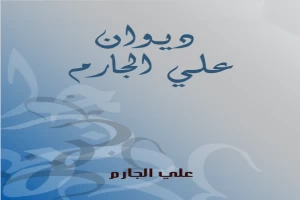
ديوان علي الجارم book pdf download

Number of Pages : 658
Size of file : 6.49MB
Department : literature
Auther : Ali Al-Garm
book quality : Good
Section : Novel and poetry collections
Date of Coming : 2022-08-10
Language : Arabic

Author: Ali Al-Garm

About the Author: Ali Al-Garm: An Egyptian writer, poet, and pioneer of the School of Revival and Resurrection, along with Ahmed Shawky and Hafez Ibrahim. His books enriched the Arabic literary library. Where he varied and varied between poetry collections, literary and historical novels, in addition to school books, and he had effective contributions in the field of the Arabic language. He was famous for his zeal for religion, language and literature, and was able to attain a leading poetic position. Ali Saleh Abdel Fattah Al-Garm was born in the city of Rashid in 1881 AD, a city that witnessed many historical events in Egypt. His father, Sheikh Muhammad Salih Al-Jarem, was a scholar of Al-Azhar, and a legal judge in the city of Damanhour. Ali received his first lessons in the city of Rashid, where he completed primary education, and continued his secondary education in Cairo, where he joined Al-Azhar Al-Sharif, and after that chose to enroll in the Faculty of Dar Al-Uloom, Cairo University. In 1908, he traveled to England, specifically Nottingham, to complete his studies. There he studied the basics of education, then returned to Egypt in 1912, after four years spent in exile. After his return, Al-Garm was appointed as a teacher at the Intermediate School of Commerce, and then rose in the positions of education until he was appointed chief inspector of the Arabic language in Egypt. Al-Jarem harnessed his creative energies and cultural capabilities in the completion of many historical literary novels that take Arab history as their subject, such as: “Faris Bani Hamdan”, “Hatif Min Al-Andalus”, “Marah Al-Waleed”, “The Final End” and “The End of Al-Mutanabbi”. Ali Al-Jarem died in 1949 at the age of sixty-eight, and he was lamented by the great writers and thinkers of his time.

ديوان علي الجارم book pdf download By Ali Al-Garm

يُميز شعرَ الجارم إحساسٌ مرهف وذوق رفيع راقٍ انطلق من الشكل الكلاسيكي التقليدي المعتمِد على القافية الموحدة، إضافة لتعدد الأغراض الشعرية عنده، حيث شعر المناسبات، والمراثي، والمديح، رغم أن النصيب الأكبر كان في شعر المناسبات القومية والوطنية. ويعتبر ديوان الجارم نموذجًا للاتجاه المحافظ في الشعر العربي الحديث خاصة في الجانب المحفلي والرسمي. وسيظل هذا الديوان الشعري الذي جمع بين القصائد السياسية والأدبية والاجتماعية شاهدًا على العطاء الشعري الوفير والغزير الذي يمثل طبقة سامية من طبقات الشعر المحافظ، تضع صاحبها في مكان المتصدرين من أصحاب هذا الاتجاه الفني الرصين.

Download PDF of ديوان علي الجارم book pdf download By Ali Al-Garm
-Adrian Agency Library

Download Now

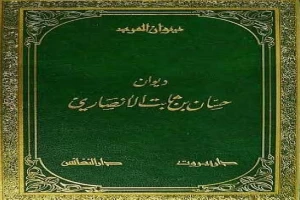
ديوان حسان بن ثابت book pdf download

Section : Novel and poetry collections
Date of Coming : 2022-08-10
Auther : Hassan bin thabet
book quality : Good
Number of Pages : 260
Language : Arabic
Size of file : 4.14MB
Department : literature

Author: Hassan bin thabet

About the Author: Abu Al-Walid Hassan bin Thabit bin Al-Mundhir Al-Khazraji Al-Ansari is an Arab poet and companion of the Ansar. He belongs to the Al-Khazraj tribe from the people of Madinah. He was also a respected poet who came to the kings of the Ghassan family in the Levant before his conversion to Islam. He converted to Islam and became the poet of the Messenger after the emigration. He died during the caliphate of Ali bin Abi Talib between the years 35-40 AH.

ديوان حسان بن ثابت book pdf download By Hassan bin thabet

هذا ديوان حسان بن ثابت الأنصاري شاعر الرسول صلى الله عليه وسلم، يجمع بين طياته شعره موزعا على ترتيب القافية على حسب حروف المعجم.

Download PDF of ديوان حسان بن ثابت book pdf download By Hassan bin thabet
-Adrian Agency Library

Download Now

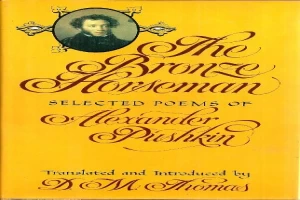
The Bronze Horseman: Selected Poems book pdf download

Department : literature
Language : English
Auther : Alexander Pushkin
book quality : Good
Date of Coming : 2022-08-10
Size of file : 1.67MB
Section : Novel and poetry collections
Number of Pages : 50

Author: Alexander Pushkin

About the Author: Prince of Russian poets, novelist and playwright, born in Moscow on June 6, 1799. I grew up in a family of nobles had been living the life of luxury. His father was a prominent poet, and this contributed to the development of his poetic talent. Its roots back to the origins of Ethiopian. His mother, Nadezhd Osipavna, was the granddaughter of Ibrahim Janipal an African and a close officer of Tsar Peter I. He inherited some African features, as he had curly hair and thick lips. He is considered one of the greatest Russian poets of the nineteenth century, and the title of Prince of Poets. The study of this poet leads to the study of Russian literature as a whole, and knowledge of the stages of Russian tsarism from Peter I to Nicholas I, as well as knowledge of historical events that occurred in the first half of the nineteenth century. The period of his production was called the golden age of Russian poetry, an era of convergence between Russian literature on the one hand, and Arabic and Oriental literature on the other. His era was also known as social despotism. Where the authorities were concentrated between the Tsar and the nobility. Pushkin, with his poetic production, expressed the dissolution of his midst, and demanded the freedom of the people, as the first and last reference to power. He was the first to call for limiting the sovereignty of the nobility in Russia, and was resentful of his society, demanding the restriction of tsarist rule and the upholding of the democratic system among the people. Although Pushkin did not live more than 38 years as a result of his resentment against one of his wife’s friends, Baron Datin, one of the supervisors of the French, especially after the Baron married his wife’s sister, Natalie, to make it easier for him to contact Natalie, and the matter ended in a duel, and at the hour they agreed to duel, he was shot twice The poet was seriously injured and died. He died in 1837 AD. He left many literary traces; So much so that his readers feel that he has outlived himself.

The Bronze Horseman: Selected Poems book pdf download By Alexander Pushkin

In his memoirs The Oak and the Ca lf, Solzhenitsyn describes The fateful moment when, as an unknown author of the tale Around the labor camps, walked towards the Navy offices mir. Questions swirled in his head. Why were they called? him in Moscow? Was it a trap? What concessions would Trying to force him to do? When he crossed Strastnaya Square, he said He stopped in front of the Pushkin statue, “to beg for his support in part, and I promise in part that I know the path to follow and You will not walk away from her. It was a kind of prayer. Regardless of the coincidence that they both owe their education Straight to Caesar Today – Pushkin in the Empire Founded by Alexander I, Solzhenitsyn at work The camps founded by Stalin – it seems that the great writers Little in common. However, Solzhenitsyn’s words make it touching His stopping the statue was clearly more than piety A gesture to a dead poet. It was, in a sense, a real conversation As if the poet is not dead. The same is true for the Russians Not. This is something other than the immortality of all the great artists. Pushkin is more alive to Russians than Shakespeare or Wordsworth for us.

Download PDF of The Bronze Horseman: Selected Poems book pdf download By Alexander Pushkin
-Adrian Agency Library

Download Now

البهاء زهير book pdf download

Department : literature
Number of Pages : 76
Auther : Mustafa Abdel Razek
Section : Novel and poetry collections
Language : Arabic
Size of file : 1.69MB
Date of Coming : 2022-08-10
book quality : Good

Author: Mustafa Abdel Razek

About the Author: Mustafa Abdel Razek: Sheikh of the Al-Azhar Mosque, the renewer of Islamic philosophy in the modern era, the author of its first history in Arabic, and the founder of the Arab philosophical school, which he established on purely Islamic foundations. Sheikh Mustafa Abdel Razek was born in the year 1885 AD in the village of Abu Garg, affiliated to the Bani Mazar Center in the Minya Governorate in Upper Egypt, and grew up in the care of his father, Hassan Abdel Razek, who was a member of the semi-parliamentary councils that Egypt has known since the era of Khedive Ismail. He is also one of the founders of Al-Jarida newspaper and the Umma Party. He spent his childhood in his village, learning the principles of reading and writing and memorizing the Holy Quran. Then he moved at the age of ten to Cairo and joined Al-Azhar to obtain legal and linguistic sciences. He studied Shafi’i jurisprudence, the sciences of rhetoric, logic, literature, presentations, grammar and others. Since 1903 CE, he has been reluctant to attend the lessons of “Imam Muhammad Abdo” in the Abbasid hall, and he became one of the characteristics of his students, and was influenced by him. And his approach and reformist ideas. After obtaining the Al-Alameya certificate from Al-Azhar (bachelor’s degree) in 1908, he began his public life, and showed an interest in participating in scientific and literary societies, such as the Al-Azhar Society established by Muhammad Abdo, and became its president. Then, in 1911, it seemed to him that he would travel to Paris to complete his higher studies, learn about Western culture and know its sources. He joined the Sorbonne University to study the French language, attended philosophy classes, and studied sociology at the hands of Durkheim, then moved to the University of Lyon. To study the foundations of Islamic law on his teacher “Edward Lamper”. After the outbreak of World War I, he returned to Egypt in 1914. He was then appointed as an employee in the Supreme Council of Al-Azhar, and as an inspector in the Sharia courts, then as a teacher of philosophy at the Egyptian University, then as Minister of Endowments twice, then was appointed Sheikh of Al-Azhar to succeed Sheikh “Al-Maraghi” in 1945 AD. The Sheikh left a number of books, so he wrote a small literary study on the well-known poet, Al-Baha Zuhair, and published his book “Preface to the History of Islamic Philosophy”, which is his most famous and most important book. It also includes: the book “The Arab Philosopher and the Second Teacher”, “Imam Al-Shafi’i” and “Sheikh Muhammad Abdo”, in addition to a group of articles compiled by his brother in a book entitled: “From the effects of Mustafa Abdel Razek”. He passed away in 1947.

البهاء زهير book pdf download By Mustafa Abdel Razek

يَعرضُ مصطفى عبد الرازق في هذه الدراسة لأحد أئمة النهضة الشعرية . في العصرين الفاطمي والأيُّوبي؛ وهو «البهاء زهير»، صاحب الحِسِّ المُرهَف، والأسلوب المصري الخالص في كتابة الشعر وانتقاء الموضوعات. ويُطوِّف بنا الكاتب بين نماذج شعرية فريدة في موضوعاتها وأسلوبها، تشعر في ألفاظها باللهجة المصرية من غير إخلال بقواعد اللغة العربية. كما يعرض لأهم عوامل النهوض في شعر زهير؛ وهي: الأسلوب الفريد، والأوزان الخفيفة، والموضوعات المتعددة التي أبحرت في كل نواحي الحياة المصرية. وقد وثَّقَت الدراسة اتصال البهاء زهير بكلٍّ من الأمير «مجد الدين اللَّمَطي» أثناء توليه إمارة قوص، والملك «الصالح نجم الدين أيوب» بعد انتقاله للقاهرة. ومثل هذه الدراسات التي تتناول سِيَر أعلام الشعر العربي تُخرج لنا ما يحويه تاريخنا الأدبي من كنوز لها مذاقها الفني الخاص.

Download PDF of البهاء زهير book pdf download By Mustafa Abdel Razek
-Adrian Agency Library

Download Now

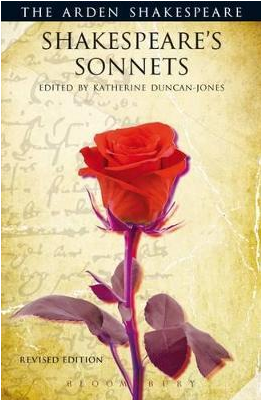
Shakespeare’s Sonnets book pdf download

Number of Pages : 506
Auther : William Shakespeare
book quality : Excellent
Size of file : 8.76MB
Department : literature
Section : Novel and poetry collections
Date of Coming : 2022-08-10
Language : English

Author: William Shakespeare

About the Author: William Shakespeare (English: William Shakespeare) is a prominent English poet, playwright and actor in English literature in particular and world literature in general. He has been called the “Patriotic Poet” and the “Epic Poet of Avon.” Poetics (two long narrative poems) and some poems His plays and works have been translated into all living languages ​​and performed far more than any other playwright. Shakespeare was born and raised in Stratford-upon-Avon, Warwickshire. He married Anne Hathaway at the age of 18, and had three children: Susanna and twins, Judith and Hamnet. Between 1585 and 1592, he began his successful career in London as an actor, writer, and partner in a theater company called the Lord Chamberlain’s Men, later known as the King’s Men. At the age of 49 (about 1613), he retired to Stratford, where he died three years later. Few and limited records of Shakespeare’s private life have been found; This led to much speculation about his physical appearance, sexuality, religious beliefs, and whether or not the works attributed to him were written by others. Such views and speculations are often criticized because they did not refer to the fact that few records of his life survived at that time. Shakespeare produced most of his best known works between 1589 and 1613. His early plays focused on comedy and history, and were considered to be some of the best works of this genre ever produced. Then, until about 1608, he turned to writing tragedians, as among his works in that period were Hamlet, Othello, King Lear, and Macbeth, all of which are considered among the best works in English literature at all. In the latter phase of his life, he turned to writing tragicomedies (also known as romances) in collaboration with other playwrights. Many of his plays were published in editions of varying quality and accuracy during his lifetime. In 1623 two of his fellow actors, John Hemings and Henry Condell, published a definite text known as the First Folio, a version of a posthumously collected collection of Shakespeare’s dramatic works that included most of the plays we know about him now. This volume has been published along with a poem by Ben Jonson, in which the poet sternly pays tribute to the playwright in his now-famous quote, “Not for this age, but for all ages.” Throughout the twentieth and twenty-first centuries, Shakespeare’s works have been continually modified and rediscovered through new movements in study and performance. His plays and culture are still very popular and are studied, constantly performed and reinterpreted in diverse cultural and political contexts around the world.

Shakespeare’s Sonnets book pdf download By William Shakespeare

Shakespeare’s Sonnets are universally loved and much-quoted throughout the world, while debates still rage as to the identity of the Dark Lady and how autobiographical the sonnets really are. First published in 1997 to much critical acclaim, the Sonnets has been a consistent best-seller in the Arden Shakespeare series. Katherine Duncan Jones tackles the controversies and mysteries surrounding these beautiful poems head on, and explores the issues of sexuality to be found in them, making this a truly modern edition for today’s readers and students. This revised edition has been updated and corrected in the light of new scholarship and critical thinking since its first publication.

Download PDF of Shakespeare’s Sonnets book pdf download By William Shakespeare
-Adrian Agency Library

Download Now

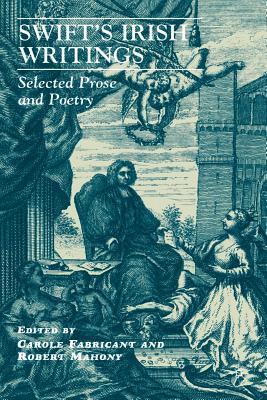
Swift S Irish Writings book pdf download

Size of file : 2.38MB
Date of Coming : 2022-09-11
Section : Novel and poetry collections
Auther : Jonathan Swift
Number of Pages : 308
Department : literature
Language : English
book quality : Excellent

Author: Jonathan Swift

About the Author: Jonathan Swift is an Irish writer, political critic, and clergyman. He published many books and literature, the most important and most famous of which was “Gulliver’s Travels”, which includes four parts.
Jonathan Swift, one of the first critics of the English language, was a noted political writer, poet, and clergyman. He was born in Ireland and lost his father at an early age to be taken care of by his uncle.
With the beginnings of the glorious revolution in Ireland he was forced to emigrate to England, where he worked with Sir William Temple and got to experience a life of luxury and power. At a young age, he often moved between Ireland and England, and Swift entered the Church of Ireland at the same time as his poor cousin in the Church of England.
When he returned to Ireland he held the position of Dean of Saints at Patrick’s Cathedral and continued to do so until his death. As a writer, he wrote most of his works under pseudonyms, and today we mention his best satirical prose work, Gulliver’s Travels.
Gulliver’s Travels, his most famous work, was first published on September 28, 1726 and modified in 1735, and it is considered a classic English literature, and many were mistaken in thinking that it was a children’s book and in fact it was satirical prose. He mocks not only British policy against the Irish but also the oppression of the poor.|Swift lived for a long time in Trim, and a frequent satirical festival called the Trim Swift Festival was held.

Swift S Irish Writings book pdf download By Jonathan Swift

This edition presents Jonathan Swift’s most important Irish writings in both prose and verse, together with an introduction, head notes and annotations that shed new light on the full context and significance of each piece. Familiar works such as “Gulliver’s Travels” and “A Tale of a Tub” acquire new and deeper meanings when considered within the Irish frameworks presented in the edition. Differing in noteworthy ways from the more traditional, canonical, Anglocentric picture conveyed by other published volumes, the Swift that emerges from these pages is a brilliant polemicist, popular satirist, political agitator, playful versifier, tormented Jeremiah, and Irish patriot

Download PDF of Swift S Irish Writings book pdf download By Jonathan Swift
-Adrian Agency Library

Download Now