القراءة الراشدة – ج 3 book pdf download

Date of Coming : 2022-08-10
Number of Pages : 152
Auther : Abu Al-Hassan Al-Nadwi
Section : Arabic
book quality : Good
Language : Arabic
Department : Languages
Size of file : 2.97MB

Author: Abu Al-Hassan Al-Nadwi

About the Author: Ali Abu Al-Hassan Bin Abdul Hai Bin Fakhr Al-Din Al-Hasani – His lineage ends with Abdullah Al-Ashtar Bin Muhammad Dhi Al-Nafs Al-Zakiya Bin Abdullah Al-Mahad Bin Al-Hassan Al-Muthanna Bin Al-Imam Al-Hassan the greatest grandson Bin Ali Ibn Abi Talib. Some of his grandfathers, Prince Sayyid Qutb al-Din Muhammad al-Madani (AD 677 AH), immigrated to India at the beginning of the seventh century AH. He was born in the village of Tekkeh in the district of Rai Bareilly – in the northern state – (Uttar Pardash) in India. He began learning the Holy Quran at home with the help of his mother, then he began to learn the Urdu and Persian languages. His father passed away in the year 1341 AH (1923 AD) when he was still less than ten years old. His virtuous mother, and his older brother, Dr. Abd al-Ali al-Hassani, who was also a medical student after graduating from Dar al-Ulum Nadwat al-Ulama and Dar al-Uloom Deoband, raised him. He started learning Arabic on Sheikh Khalil bin Muhammad Al-Ansari Al-Yamani in 1342 AH / 1924 AD and graduated from it. He also benefited – in studying the Arabic language and its literature – from his uncles Sheikh Aziz al-Rahman and Sheikh Muhammad Talha, and expanded on it and specialized in Professor Dr. Taqi al-Din al-Hilali when he presented his presentation in the Symposium of Scholars 1930 AD. He attended the celebration of the Scholars Symposium in Canfort in 1926 AD, and attracted the attention of the participants in the celebration with his Arabic words, and some Arab guests used him for his travels outside the venue of the ceremony. He joined the University of Lucknow in the Arabic department in 1927 – he was the youngest student at the university – and he obtained a certificate of Fadel of Literature in Arabic language and literature. He read – during the first days of studying the Arabic language – books considered to be at the top in the Urdu language and literature, which helped him to carry out the duty of advocacy, explain the correct Islamic idea, and convince the educated class of modern culture. He studied the English language between 1928 – 1930 AD, which enabled him to read books written – in English – on Islamic subjects, Western civilization, its history and development, and benefit from them directly. He joined the House of Science for the Symposium of Scholars in 1929 AD, and attended the lessons of the noble hadith of the scholar, the hadith educator Haider Hassan Khan – and he had studied the book of Jihad from Sahih Muslim on his sheikh Khalil al-Ansari – and he needed two whole years, so he read to him the two Sahihs, the Sunan Abi Dawood, and Sunan al-Tirmidhi letter by letter. Lessons in the interpretation of al-Baydawi also, and he read some books of jurisprudence to the sheikh, the jurist, the Mufti Shibli Al-Jiragpuri Al-Azami He received the interpretation of selected surahs from his Sheikh Khalil Al-Ansari, then he received lessons in interpretation from Sheikh Abdul Hai Al-Faruqi, and attended the lessons of Al-Baydawi by the modernist Haider Hassan Khan, and studied the interpretation of the entire Holy Qur’an – according to the special curriculum for graduates from Islamic schools – on the scholar Ahmed Ali Al-Lahori in Lahore In the year 1351 AH / 1932 AD. He resided with the Mujahid scholar Hussain Ahmad Al-Madani in 1932 in the Dar Al-Ulum Deoband for several months, and attended his lessons in Sahih Al-Bukhari and Sunan Al-Tirmidhi, and benefited from it in interpretation and the sciences of the Noble Qur’an as well. He also benefited from the scholarly jurist and writer Azaz Ali in jurisprudence, and from the reciter Sheikh Asghar Ali in Tajweed on the narration of Hafs. He died on Friday, Ramadan 23, 1420 AH corresponding to December 31, 1999. In the village of Tekke Klan in the Ra’i Barili District (Yobi), India Dr. Syed Abdul Majid Al-Ghouri has an extensive book in his biography entitled (Abu Al-Hasan Al-Nadawi, the Imam, the Thinker, the Preacher, the Educator, the Writer), which was printed several times in the House of Ibn Kathir in Damascus. He also wrote in his biography Dr. Muhammad Akram Al-Nadawi, Dr. Muhammad Ejtba Al-Nadawi, Sheikh Yusuf Al-Qaradawi and others.

القراءة الراشدة – ج 3 book pdf download By Abu Al-Hassan Al-Nadwi

القراءة الراشدة لتعليم اللغة العربية والثقافة الإسلامية pdf

Download PDF of القراءة الراشدة – ج 3 book pdf download By Abu Al-Hassan Al-Nadwi
-Adrian Agency Library

Download Now

القراءة الراشدة – ج 1-2 book pdf download

Number of Pages : 247
Date of Coming : 2022-08-10
Language : Arabic
Section : Arabic
book quality : Good
Size of file : 8.07MB
Auther : Abu Al-Hassan Al-Nadwi
Department : Languages

Author: Abu Al-Hassan Al-Nadwi

About the Author: Ali Abu Al-Hassan Bin Abdul Hai Bin Fakhr Al-Din Al-Hasani – His lineage ends with Abdullah Al-Ashtar Bin Muhammad Dhi Al-Nafs Al-Zakiya Bin Abdullah Al-Mahad Bin Al-Hassan Al-Muthanna Bin Al-Imam Al-Hassan the greatest grandson Bin Ali Ibn Abi Talib. Some of his grandfathers, Prince Sayyid Qutb al-Din Muhammad al-Madani (AD 677 AH), immigrated to India at the beginning of the seventh century AH. He was born in the village of Tekkeh in the district of Rai Bareilly – in the northern state – (Uttar Pardash) in India. He began learning the Holy Quran at home with the help of his mother, then he began to learn the Urdu and Persian languages. His father passed away in the year 1341 AH (1923 AD) when he was still less than ten years old. His virtuous mother, and his older brother, Dr. Abd al-Ali al-Hassani, who was also a medical student after graduating from Dar al-Ulum Nadwat al-Ulama and Dar al-Uloom Deoband, raised him. He started learning Arabic on Sheikh Khalil bin Muhammad Al-Ansari Al-Yamani in 1342 AH / 1924 AD and graduated from it. He also benefited – in studying the Arabic language and its literature – from his uncles Sheikh Aziz al-Rahman and Sheikh Muhammad Talha, and expanded on it and specialized in Professor Dr. Taqi al-Din al-Hilali when he presented his presentation in the Symposium of Scholars 1930 AD. He attended the celebration of the Scholars Symposium in Canfort in 1926 AD, and attracted the attention of the participants in the celebration with his Arabic words, and some Arab guests used him for his travels outside the venue of the ceremony. He joined the University of Lucknow in the Arabic department in 1927 – he was the youngest student at the university – and he obtained a certificate of Fadel of Literature in Arabic language and literature. He read – during the first days of studying the Arabic language – books considered to be at the top in the Urdu language and literature, which helped him to carry out the duty of advocacy, explain the correct Islamic idea, and convince the educated class of modern culture. He studied the English language between 1928 – 1930 AD, which enabled him to read books written – in English – on Islamic subjects, Western civilization, its history and development, and benefit from them directly. He joined the House of Science for the Symposium of Scholars in 1929 AD, and attended the lessons of the noble hadith of the scholar, the hadith educator Haider Hassan Khan – and he had studied the book of Jihad from Sahih Muslim on his sheikh Khalil al-Ansari – and he needed two whole years, so he read to him the two Sahihs, the Sunan Abi Dawood, and Sunan al-Tirmidhi letter by letter. Lessons in the interpretation of al-Baydawi also, and he read some books of jurisprudence to the sheikh, the jurist, the Mufti Shibli Al-Jiragpuri Al-Azami He received the interpretation of selected surahs from his Sheikh Khalil Al-Ansari, then he received lessons in interpretation from Sheikh Abdul Hai Al-Faruqi, and attended the lessons of Al-Baydawi by the modernist Haider Hassan Khan, and studied the interpretation of the entire Holy Qur’an – according to the special curriculum for graduates from Islamic schools – on the scholar Ahmed Ali Al-Lahori in Lahore In the year 1351 AH / 1932 AD. He resided with the Mujahid scholar Hussain Ahmad Al-Madani in 1932 in the Dar Al-Ulum Deoband for several months, and attended his lessons in Sahih Al-Bukhari and Sunan Al-Tirmidhi, and benefited from it in interpretation and the sciences of the Noble Qur’an as well. He also benefited from the scholarly jurist and writer Azaz Ali in jurisprudence, and from the reciter Sheikh Asghar Ali in Tajweed on the narration of Hafs. He died on Friday, Ramadan 23, 1420 AH corresponding to December 31, 1999. In the village of Tekke Klan in the Ra’i Barili District (Yobi), India Dr. Syed Abdul Majid Al-Ghouri has an extensive book in his biography entitled (Abu Al-Hasan Al-Nadawi, the Imam, the Thinker, the Preacher, the Educator, the Writer), which was printed several times in the House of Ibn Kathir in Damascus. He also wrote in his biography Dr. Muhammad Akram Al-Nadawi, Dr. Muhammad Ejtba Al-Nadawi, Sheikh Yusuf Al-Qaradawi and others.

القراءة الراشدة – ج 1-2 book pdf download By Abu Al-Hassan Al-Nadwi

تحميل كتاب القراءة الراشدة – ج 1-2 pdf

Download PDF of القراءة الراشدة – ج 1-2 book pdf download By Abu Al-Hassan Al-Nadwi
-Adrian Agency Library
Download Now

البلاغة العصرية واللغة العربية book pdf download

Department : Languages
Date of Coming : 2022-08-10
Number of Pages : 148
Language : Arabic
Size of file : 2.01MB
Auther : Salama Moussa
book quality : Good
Section : Arabic

Author: Salama Moussa

About the Author: Salama Mousa (1887 – 4 August 1958), ed. He is the pioneer of Egyptian socialism and one of the first promoters of its ideas. He was born in the village of Behnbay, seven kilometers from Zagazig, to Coptic parents. He was known for his extensive interest in culture, and his firm conviction in thought as a guarantor of progress and prosperity. Salama Moussa belonged to a group of Egyptian intellectuals, including Ahmed Lotfi El-Sayed, who called for the simplification of the Arabic language and its grammar and the recognition of the Egyptian colloquial. Their argument was that the Arabic language had not changed for generations, and that most Egyptians were illiterate, prompting Moses and others to demand writing in the vernacular. He was a student of Naguib Mahfouz, who influenced him by saying to him, “You have a great talent, but your articles are bad,” which prompted Naguib Mahfouz to carefully select his subjects. His upbringing Salama Moussa was born in 1887 in the village of Hanbay, which is seven kilometers from the city of Zagazig in Egypt, to a Christian father working as a government employee, and soon died two years after the birth of his son. The son enrolled in a Coptic school, then joined the elementary school in Zagazig until he obtained his primary certificate. He then moved to Cairo, where he joined the Tawfiqia School and then the Khedivial School until he obtained his baccalaureate (high school) in 1903. Meeting the West in 1906, and due to family problems, he decided to travel to Europe when he was nineteen years old. This decision had an important impact on the formation of his consciousness and his thought (1). He traveled to France, where he spent 3 years of his life, through which he became acquainted with Western thought and philosophy and read many books. He got to know Voltaire and was influenced by his ideas, as he read Karl Marx and the writings of other socialists, as he was briefed there on the findings of Egyptology. After spending three years in Paris, he moved to England to study law, where he lived for another four years, but he neglected his studies and went to reading, and joined the Intellectual Society, and the Fabian Society, where he met the Irish thinker and playwright George Bernard Shaw and was influenced by Charles Darwin, especially his theory about evolution and evolution. Source: Wikipedia, the free encyclopedia, under a Creative Commons license

البلاغة العصرية واللغة العربية book pdf download By Salama Moussa

هي أصوات نصدرها، ورموز ننقشها، إنها اللغة. لا توجد أمة من الأمم لا تعرفها، فهي ضرورة إنسانية اجتماعية، حيث يفكر كل إنسان من خلالها، ويتواصل مع الآخرين عبرها. فهي أداة للتفكير والتواصل. وبرغم أن هناك أشكال كثيرة للتعبير عن المعنى الإنساني كالرسم والنحت والرقص وغيرها، إلا أن للغة قدرة فريدة على تجسيد ذلك المعنى، فهي وعاء الثقافة الإنسانية، فإذا أريد لها أن تؤدي وظيفة دينية أو أدبية كانت مركبة تعكس تركيبية العالم الداخلي للإنسان، وإذا أريد لها أن تكون فلسفية أصبحت مجردة تعبر عن الكليات، وإذا تحولت إلى رياضية صارت أكثر تجريدًا. هي باختصار تشكل الوعاء الثقافي الأساسي لكل حضارة، بما تحمله هذه الحضارة من فلسفة وأدب وعلم وفن وعلاقات اجتماعية بين البشر.

Download PDF of البلاغة العصرية واللغة العربية book pdf download By Salama Moussa
-Adrian Agency Library

Download Now

مقدمة في فقه اللغة العربية book pdf download

Date of Coming : 2022-08-10
Department : Languages
Size of file : 16.5MB
Auther : Louis Awad
book quality : Good
Language : Arabic
Section : Arabic
Number of Pages : 582

Author: Louis Awad

About the Author: Louis Awad 1915 – 1990, an Egyptian thinker and author, was born in Minya in 1915. He obtained a Bachelor of Arts, Department of English with honors in 1937. He received a Master’s degree in English Literature from Cambridge University in 1943 and a Ph.D. in Literature from Preston University in 1953. These certificates worked as an assistant teacher of English literature, then a teacher and then an assistant professor in the Department of English Language, Faculty of Arts, Cairo University (1940 – 1954 AD), then head of the English Language Department, in 1954 AD, and supervised the literary section of Al Gomhouria newspaper in 1953 AD.

مقدمة في فقه اللغة العربية book pdf download By Louis Awad

الكتاب هو “مقدمة في فقه اللغة العربية” للدكتور لويس عوض وهو موسوعة فكرية ولغوية ضخمة، واختراق قوي لعوامل العزلة والجمود التي تفصل بيننا وبين عهود ازدهار الفكر والحضارة العربية. ولا يملك أي دارس لحياة لويس عوض وإنتاجه الفكري والأدبي إلا أن يطيل الوقوف والتأمل أمام هذا الجهد الهائل محاولاً التعرف على مضمونه ومرماه وفهم ما ثار حوله من مطاعن واتهامات وصلت به إلى نهاية مأساوية تمثلت في مصادرة الكتب وعدم تداوله في مصر. ويقول الدكتور لويس عوض عن كتابه هذا: “هناك في الكتاب منهج، وهناك قضايا. أما المنهج فهو باختصار شديد ضرورة امتحان اللغة العربية بتطبيق كافة قوانين الفونوطيقيا (علم الصوتيات) والمورفولوجيا (علم الصرف أو علم صور الكلمات)، وقوانين الايتمولوجيا (قوانين الاشتقاق)، وقد فرغ علماء اللغة في أوروبا من كل هذه العلوم في القرن التاسع عشر والثلث الأول من القرن العشرين، من إرساء قواعدها، بحيث أن أي دارس للفيلولوجيا، أي فقه اللغة، يجب أن يكون مسلحاً، منذ البداية، بهذه القوانين والقواعد”. وهنا يضيف الدكتور عوض قائلاً: “وأنا لا أطالب إلا بتطبيق هذه القوانين على اللغة العربية بعقل مفتوح حتى نستطيع أن نهتدي إلى ما بين لهجاتها من صلات، وما بين مفرداتها ومفردات اللغات الأخرى من علاقة وإلى الوشائج التي تربط النحو العربي بالنحو في مجموعات اللغات الأخرى” هو ذا هدف المؤلف، وذاك كان منهجه في كتابه هذا. فالكتاب يمهد الطريق لوضع أسس وقواعد لدراسة فقه اللغة العربية، بما يتماشى مع المناهج العلمية الحديثة التي تربط بين هذه المناهج والانثروبولوجيا الاجتماعية، وكما يقول المؤلف، فإن الاعتماد على الفيلولوجيا والأنثروبولوجيا الطبيعية والفونوطيقا وحدها؛ غير كافٍ لوضع أسس علم تاريخ اللغات وتحديد علاقته بتاريخ الأجناس، إذ ينبغي أيضاً الاستهداء بالأثنولوجيا أو ما يفضل علماء اليوم أن يسموه بالأنثروبولوجيا الاجتماعية التي تمتد فتشمل الأديان المقارنة والأساطير المقارنة والفولكلور المقارن والنظم والعادات والتقاليد المقارنة، لأن الاستعانة بدراسة الأثنولوجيا والأنثروبولوجيا الاجتماعية يمكن أن تساعد على تحديد الحالات التي يتطابق فيها توزيع الجنس مع توزيع اللغات. وكل مسح أثنولوجي لمصر والمصريين الناطقين بالعربية يوضح بأنهم ينتمون أساساً إلى مجموعات أثنولوجية مختلفة عن المجموعات العربية بالإضافة إلى اختلافهم السلالي عن العرب.

Download PDF of مقدمة في فقه اللغة العربية book pdf download By Louis Awad
-Adrian Agency Library

Download Now

معجم الكلمات الدخيلة في لغتنا الدارجة book pdf download

Department : Languages
Auther : Mohammed bin Nasser Al-Aboudi
Date of Coming : 2022-08-10
book quality : Good
Number of Pages : 1609
Size of file : 15.1MB
Section : Arabic
Language : Arabic

Author: Mohammed bin Nasser Al-Aboudi

About the Author: Muhammad bin Nasser Al-Aboudi (1345 A.H. – 1930 A.D.) is a Saudi writer, author and traveler. He was born in the city of Buraidah, and holds the position of Assistant Secretary-General of the Muslim World League. His work in the Association allowed him to visit most parts of the world, and his numerous observations and insights resulted in more than one hundred and sixty books on travel literature. Awarded the Medal of Merit in Literature in the year 1394 AH, 1974 AD. His books despite the fact that the education of Sheikh Muhammad bin Nasser Al-Aboudi was a religious education in the field of Islamic law. However, most of his books were literary, and the bulk of them are in the field of travel literature, as he is considered one of the pioneers in this field in Saudi Arabia, and the other part of his works are in the field of language, and the number of his printed books has reached about 128 books, and he has about 100 other books still in manuscript. Waiting to print. He is the author of 125 books on trips, 15 books on advocacy, and 15 books on literature and laps. In travel literature, from his writings in travel literature: * In green Africa. Madagascar, the land of the lost Muslims. * A tour of the islands of the Negro Sea. * In Nepal, the country of mountains. * Trip to the Maldives. * A trip to Ceylon. * Link to talk about African. * Views in the country of racists. * A month in West Africa. * A visit to the Islamic Sultanate of Brunei. * Tours in Central America. A view of the southern end of the world. * To the far south of America. * Memories in Africa. * A tour of the islands of the Caribbean. * On the tops of the Andes Mountains. * A tour of the islands of the South Pacific. * On the banks of the Amazon. *A view of Australia. * Deep in the People’s Republic of China. In other fields * News of Abu Al-Aina Al-Yamami. * Colloquial Proverbs in Najd, 5 vols. * The Book of Weights. * Puffs of Quranic tranquility. * Popular aphorisms. * Swaneh Literary. * Heavy pictures. * The Islamic world and the League. * Scenes from Buraydah. * Mullah bin Saif News. * Mutawa Al-Lusaib News. * This is what I got from people. * Efforts of King Fahd, may God have mercy on him, to serve Islam and Muslims. * Martinique and Barbados. * Relations between Saudi Arabia and Turkey. * Puerto Rico and the Dominican Republic.

معجم الكلمات الدخيلة في لغتنا الدارجة book pdf download By Mohammed bin Nasser Al-Aboudi

معجم الكلمات الدخيلة في لغتنا الدارجة pdf

Download PDF of معجم الكلمات الدخيلة في لغتنا الدارجة book pdf download By Mohammed bin Nasser Al-Aboudi
-Adrian Agency Library

Download Now

اللغة العربية كائن حي book pdf download

Date of Coming : 2022-08-10
Size of file : 5.57MB
Auther : Gerji Zidane
Language : Arabic
Section : Arabic
Number of Pages : 86
book quality : Good
Department : Languages

Author: Gerji Zidane

About the Author: Georgy Zeidan was born in Beirut on December 14, 1861 to a poor Christian family from the village of Ain Enab in Mount Lebanon. His father, Habib Zeidan, was an illiterate man who owned a restaurant in the Burj Square in Beirut, which was frequented by men of literature, language, and students of the American College. His father sent him to a modest school to learn reading, writing and arithmetic so that he could help him in managing the restaurant and controlling accounts. Then he joined Al-Shawam School and learned the French language. Then he joined an evening school to learn English after which he worked in his father’s restaurant, but his mother, Maryam Matar, was not satisfied with that and asked his father to He is learning another craft, so he went to learn to make shoes at the age of twelve for two years, but he left it because he did not want to do that work. He began to tend to knowledge, knowledge and a passion for literature, and he came into contact with graduates from the American College, men of the press and people of thought and literature, such as Yaqoub Sarouf, Faris Nimr, Ibrahim Al-Yazji, Salim Al-Bustani and others, and they were inviting him to attend the college celebrations. He joined the Syrian Protestant College (American University), where he passed the entrance exam to learn medicine, but he studied for a year, where he left studying medicine and went to study pharmacy, but he decided to go to Egypt to study medicine, so he borrowed six pounds from a neighbor in Beirut. He immigrated to Egypt and joined the Faculty of Medicine, but his financial conditions and the length of his studies made him look for work. He worked in editing Al-Zaman newspaper, which was owned by a man of Armenian origin, and this newspaper was the only one in Cairo after English colonialism stopped the press of that era. Then he worked as a translator in the British intelligence office in Cairo and accompanied the English campaign that went to Sudan to save the English commander “Gordon” from the siege of the Mahdi Army. This enabled him to write the first book on the philosophy of the Arabic language in 1886, and then issued a new revised edition of it in 1904 entitled The History of the Arabic Language. Then he visited England and returned to Egypt, breaking away from writing and journalism. He settled in Cairo and worked in writing and translation. He ran Al-Muqtaf magazine and resigned from it after working in it for 18 months. He taught Arabic at the Al-Ubaidiya Al-Kubra School for two years, then left it and participated with Naguib Mitri in establishing a printing press. Al-Hilal, while Najib Mitri established an independent printing press called Al-Maaref Press. Georgy Zidan issued Al-Hilal magazine in 1892, and he was editing it himself, then his son Emile helped him. And writers such as Ahmed Zaki, Hussein Munis, Ali Al-Ra’i, the poet Saleh Jawdat and others. Georgy Zaidan died suddenly while he was among his books and papers on 27 Sha’ban 1332 AH / 21 July 1914. He was lamented by great poets such as Ahmed Shawqi, Hafez Ibrahim and Khalil Mutran. His novels have been translated into Persian, Turkish and Azerbaijani, however, these novels have not been without criticism in form and content. It is also that Jurji Zaidan did not resort to the bright periods of Islamic history and highlight its glories, but turned to the periods that represent a struggle for power and influence. He was influenced by the Western view of the Islamic world.

اللغة العربية كائن حي book pdf download By Gerji Zidane

كان جرجي زيدان على دراية واسعة بالحقل اللغوي نظريًّا وعمليًّا، فمن الناحية النظرية اهتم زيدان بالدراسات المتعلق بفلسفة اللغة وتاريخها، بالإضافة إلى دراسته لفقه اللغة المقارن، كما أنه كان على اطلاع بالنظريات اللغوية الحديثة في زمنه، أما من الناحية العملية، فقد أجاد العربية، والعبرية، والسريانية، واللاتينية، والإنجليزية، والفرنسية، الألمانية، كما كان على دراية بالإيطالية والإسبانية تمكنه من فهم ما يقرأ، وقد دفعه هذا الإلمام الكبير بالميدان اللغوي، إلى تقديم هذا الكتاب الذي يتناول فيه تاريخ اللغة العربية، وما طرأ عليها من التغيير بالتجدد أو الدثور، فبين لنا كيف تندثر ألفاظ وتراكيب وتولد أخرى، وكيف تقضي الأحوال بهذا المولد الجديد وذاك الدثور القديم. وهو يقسم المتابعة التاريخية للغة العربية في هذا الكتاب إلى عدة نقاط هي: العصر الجاهلي، والعصر الإسلامي، والألفاظ الإدارية في الدولة العربية، والألفاظ العلمية في الدولة العربية، والألفاظ العامة في الدولة العربية، والألفاظ المسيحية واليهودية، والألفاظ الدخيلة من اللغات الأعجمية كالتركية والكردية، والنهضة الحديثة التي اقتبست فيها العربية من اللغات الإفرنجية.

Download PDF of اللغة العربية كائن حي book pdf download By Gerji Zidane
-Adrian Agency Library
Download Now

تاريخ آداب اللغة العربية book pdf download

Section : Arabic
book quality : Good
Language : Arabic
Number of Pages : 1519
Date of Coming : 2022-08-10
Department : Languages
Size of file : 24.1MB
Auther : Gerji Zidane

Author: Gerji Zidane

About the Author: Georgy Zeidan was born in Beirut on December 14, 1861 to a poor Christian family from the village of Ain Enab in Mount Lebanon. His father, Habib Zeidan, was an illiterate man who owned a restaurant in the Burj Square in Beirut, which was frequented by men of literature, language, and students of the American College. His father sent him to a modest school to learn reading, writing and arithmetic so that he could help him in managing the restaurant and controlling accounts. Then he joined Al-Shawam School and learned the French language. Then he joined an evening school to learn English after which he worked in his father’s restaurant, but his mother, Maryam Matar, was not satisfied with that and asked his father to He is learning another craft, so he went to learn to make shoes at the age of twelve for two years, but he left it because he did not want to do that work. He began to tend to knowledge, knowledge and a passion for literature, and he came into contact with graduates from the American College, men of the press and people of thought and literature, such as Yaqoub Sarouf, Faris Nimr, Ibrahim Al-Yazji, Salim Al-Bustani and others, and they were inviting him to attend the college celebrations. He joined the Syrian Protestant College (American University), where he passed the entrance exam to learn medicine, but he studied for a year, where he left studying medicine and went to study pharmacy, but he decided to go to Egypt to study medicine, so he borrowed six pounds from a neighbor in Beirut. He immigrated to Egypt and joined the Faculty of Medicine, but his financial conditions and the length of his studies made him look for work. He worked in editing Al-Zaman newspaper, which was owned by a man of Armenian origin, and this newspaper was the only one in Cairo after English colonialism stopped the press of that era. Then he worked as a translator in the British intelligence office in Cairo and accompanied the English campaign that went to Sudan to save the English commander “Gordon” from the siege of the Mahdi Army. This enabled him to write the first book on the philosophy of the Arabic language in 1886, and then issued a new revised edition of it in 1904 entitled The History of the Arabic Language. Then he visited England and returned to Egypt, breaking away from writing and journalism. He settled in Cairo and worked in writing and translation. He ran Al-Muqtaf magazine and resigned from it after working in it for 18 months. He taught Arabic at the Al-Ubaidiya Al-Kubra School for two years, then left it and participated with Naguib Mitri in establishing a printing press. Al-Hilal, while Najib Mitri established an independent printing press called Al-Maaref Press. Georgy Zidan issued Al-Hilal magazine in 1892, and he was editing it himself, then his son Emile helped him. And writers such as Ahmed Zaki, Hussein Munis, Ali Al-Ra’i, the poet Saleh Jawdat and others. Georgy Zaidan died suddenly while he was among his books and papers on 27 Sha’ban 1332 AH / 21 July 1914. He was lamented by great poets such as Ahmed Shawqi, Hafez Ibrahim and Khalil Mutran. His novels have been translated into Persian, Turkish and Azerbaijani, however, these novels have not been without criticism in form and content. It is also that Jurji Zaidan did not resort to the bright periods of Islamic history and highlight its glories, but turned to the periods that represent a struggle for power and influence. He was influenced by the Western view of the Islamic world.

تاريخ آداب اللغة العربية book pdf download By Gerji Zidane

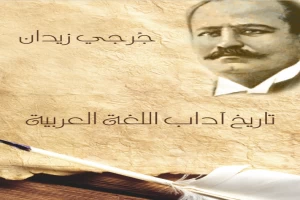
يُعد هذا الكتاب من أنفس الذخائر الأدبية التي أفصحت عن عِظَمِ تاريخ آدابِ اللغة العربية في مُخْتلف أطواره، ويتسمُ جرجي زيدان في دراسته تلك بالتهذيب، والتنظيم ، وعدم الاكتفاء بقراءة النصوص في محيطها الأدبي؛ بل يستقصي أخبارها في دروبِ بيئات المستشرقين متأثرًا بكتاب تاريخ الأدب «لبروكلمان». فهو يدرس العلل والأسباب السياسية والاجتماعية التي أثرت في الآداب العربية على مَرِ العصور، كما يُفْرِدُ فصولًا للحياة العقلية وأثرها في الواقع العربي، ويرى أن الأدب لا يعيش بمعزلٍ عن غيره من شُعَبِ الحياة والفكر في الأمة؛ لأنَّه النسيجُ المُؤَلف لملامح طبيعتها الثقافية والفكرية.

Download PDF of تاريخ آداب اللغة العربية book pdf download By Gerji Zidane
-Adrian Agency Library

Download Now

كلمات القرآن التي لا نستعملها – دراسة تطبيقية لنظرية العينات اللفظية book pdf download

Section : Arabic
Date of Coming : 2022-08-10
Auther : Mohammed Al-Jawadi
book quality : Good
Language : Arabic
Size of file : 1.21MB
Department : Languages
Number of Pages : 61

Author: Mohammed Al-Jawadi

About the Author: Egyptian professor of medicine and writer. He is Dr. Muhammad Muhammad al-Jawadi Abd al-Wahhab al-Jawadi. He was born on October 23, 1958 in Faraskour, Damietta Governorate. Professor of Cardiology, Zagazig University, Egypt. He received the State Appreciation Award in Literature in 2004, and he is also the youngest to receive the State Incentive Award in the literature of translations in 1983. Dr. Muhammad Al-Gawadi’s writings varied, but most of his writings were about the translations of medical pioneers in Egypt and senior military leaders, in addition to some Islamic and literary writings Al-Siyasa is a member of: The Egyptian Writers Union, the Egyptian Society for Scientific Culture, the Council of Scientific Culture at the Academy of Scientific Research and Technology, the Societies for the History of Science, the History of Medicine, and the Revival of the Arab-Islamic Heritage, the Egyptian Cardiologists Association, a member of the Board of Directors of the Egyptian Society of Young Doctors, a member of the Board of Directors The Arab Office for Youth and Environment, Chairman of the Board of Directors of the Zagazig University Club for Youth of Science and Environment, the Arabic Language Academy Award in 1978 for his book “Dr. Muhammad Kamel Hussein: A Scholar, Thinker and Writer.” The State Incentive Award for Literary Translation in 1983 for his book “Mosharafa between the Atom and the Peak”. Medal of Science and Arts. State Appreciation Award in Literature 2004.

كلمات القرآن التي لا نستعملها – دراسة تطبيقية لنظرية العينات اللفظية book pdf download By Mohammed Al-Jawadi

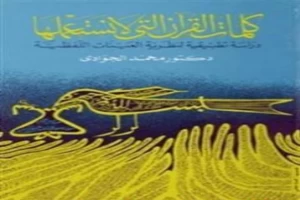
تبحث هذه الدراسة فى فرع من فروع علم اللغة التاريخى وهو فرع الأتيمولوجيا الذى يبحث فى تاريخ الكلمات فى لغة من اللغات والتغيرات التى أصابتها وكان التطبيق العلمى لهذه الدراسة منحصرة فى ألفاظ القرآن الكريم التى لا نستعملها فى كتابات المجتمع القاهرى.

Download PDF of كلمات القرآن التي لا نستعملها – دراسة تطبيقية لنظرية العينات اللفظية book pdf download By Mohammed Al-Jawadi
-Adrian Agency Library
Download Now

رؤساء المجامع اللغوية العربية book pdf download

Department : Languages
book quality : Good
Size of file : 3.76MB
Auther : Mohammed Al-Jawadi
Language : Arabic
Section : Arabic
Date of Coming : 2022-08-10
Number of Pages : 50

Author: Mohammed Al-Jawadi

About the Author: Egyptian professor of medicine and writer. He is Dr. Muhammad Muhammad al-Jawadi Abd al-Wahhab al-Jawadi. He was born on October 23, 1958 in Faraskour, Damietta Governorate. Professor of Cardiology, Zagazig University, Egypt. He received the State Appreciation Award in Literature in 2004, and he is also the youngest to receive the State Incentive Award in the literature of translations in 1983. Dr. Muhammad Al-Gawadi’s writings varied, but most of his writings were about the translations of medical pioneers in Egypt and senior military leaders, in addition to some Islamic and literary writings Al-Siyasa is a member of: The Egyptian Writers Union, the Egyptian Society for Scientific Culture, the Council of Scientific Culture at the Academy of Scientific Research and Technology, the Societies for the History of Science, the History of Medicine, and the Revival of the Arab-Islamic Heritage, the Egyptian Cardiologists Association, a member of the Board of Directors of the Egyptian Society of Young Doctors, a member of the Board of Directors The Arab Office for Youth and Environment, Chairman of the Board of Directors of the Zagazig University Club for Youth of Science and Environment, the Arabic Language Academy Award in 1978 for his book “Dr. Muhammad Kamel Hussein: A Scholar, Thinker and Writer.” The State Incentive Award for Literary Translation in 1983 for his book “Mosharafa between the Atom and the Peak”. Medal of Science and Arts. State Appreciation Award in Literature 2004.

رؤساء المجامع اللغوية العربية book pdf download By Mohammed Al-Jawadi

تحميل كتاب رؤساء المجامع اللغوية العربية PDF – محمد الجوادي

Download PDF of رؤساء المجامع اللغوية العربية book pdf download By Mohammed Al-Jawadi
-Adrian Agency Library

Download Now

لغة الجرائد book pdf download

Department : Languages
Size of file : 1.05MB
Auther : Ibrahim Al-Yazji
Section : Arabic
Date of Coming : 2022-08-10
book quality : Good
Language : Arabic
Number of Pages : 50

Author: Ibrahim Al-Yazji

لغة الجرائد book pdf download By Ibrahim Al-Yazji

طرأ العديد من التغيُّرات على لغتنا العربية وقواعدها، واختفت بعض الكلمات نظرًا لقِلة استخدامها أو استبدالِ كلماتٍ جديدة مُحدثة بها، متأثرة بالاختلاط الأعجمي. وقد تجلَّى أثرُ هذه التغيُّرات اللُّغوية في كتابة الجرائد والصحف والمجلات. ولما كانت الجرائد اليومية من أهم الوسائل التي تُؤثر بصورةٍ مباشرة في ثقافة العامة، فإن الاهتمام بسلامة اللغة التي تُكتب بها أمرٌ ضروري؛ فأثر تلك اللغة لا يقف عند حد قراءتها، بل تصاحب الناس في أحاديثهم ونقاشاتهم اليومية. ويأتي «إبراهيم اليازجي» ليَلفتَ الأنظارَ إلى زُمرةٍ من الأخطاء الشائعة في «لغة الجرائد»؛ سعيًا للإسهام في تنقيتها وتقويمها.

Download PDF of لغة الجرائد book pdf download By Ibrahim Al-Yazji
-Adrian Agency Library

Download Now