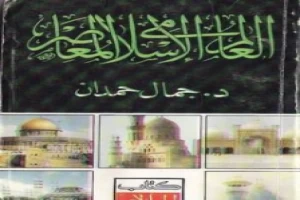
العالم الإسلامي المعاصر book pdf download

Date of Coming : 2022-08-10
Size of file : 3.60MB
Auther : Jamal Hamdan
Number of Pages : 157
Language : Arabic
Department : History
book quality : Good
Section : Islamic history

Author: Jamal Hamdan

About the Author: Jamal Mahmoud Saleh Hamdan, one of the flags of geography in the twentieth century. He was born in the village of Nai, Qalyubia Governorate, Egypt, on February 4, 1928 AD. He was raised in a kind and generous family, descended from the Arab tribe of Bani Hamdan, which migrated to Egypt during the Islamic conquest. After primary, Jamal Hamdan joined the “Al-Tawfiqia Secondary School”, and obtained a certificate of culture in 1362 AH – 1943 AD, then obtained secondary guidance in 1363 AH – 1944 AD, and was ranked sixth in the Egyptian country. Studying at the university, where he was devoted to research and study, full-time for education and collection. In 1367 AH – 1948 AD, he graduated from his college, and was appointed as a teaching assistant, then the university sent him on a mission to Britain in 1368 AH – 1949 AD, during which he obtained a doctorate in the philosophy of geography from the University of Reading in 1372 AH 1953 AD. After returning from his mission, he joined the teaching staff at the Department of Geography at the Faculty of Arts, Cairo University, then was promoted as assistant professor. During his time at the university, he published his first three books: “Geography of Cities”, “Geographical Aspects of the Khartoum City Group” (The Triangular City), and “Studies on the Arab World,” and with these books he was awarded the State Incentive Award in 1379 AH – 1959 AD, and drew the attention of the cultural movement in general, and at the same time earned him the jealousy of some of his colleagues and professors within the university. In the year 1383 AH / 1963 AD, he submitted his resignation from the university; Protesting that he skipped being promoted to a professor position, and devoted himself to research and writing until his death, and this sabbatical period was the crucible that produced the scientific, intellectual and psychological interactions of Jamal Hamdan. Jamal Hamdan left 29 books and 79 research and articles, foremost of which is the book “The Character of Egypt.. The genius of the place.” He had issued his first formulation in the year 1387 AH 1967 AD in about 300 pages of small pieces, then he devoted himself to completing his final formulation for ten years, until it was issued complete in four volumes during the years between 1401 AH 1981 AD: 1404 AH 1984 AD. Jamal Hamdan was the first In exposing the lie that the current Jews are the descendants of the Children of Israel who left Palestine during the pre-Christian era, and he proved in his book “Jews Anthropology” issued in 1967, with practical evidence that the modern Jews who claim that they belong to Palestine are not the descendants of the Jews who came out of Palestine Palestine BC, but they belonged to the “Tatar Khazar” empire that was established between the “Caspian Sea” and the “Black Sea”, and they embraced Judaism in the eighth century AD, which was confirmed ten years later by “Arthur Koestler”, author of the book The Third Tribe p. It was published in 1976. Jamal Hamdan is one of a very limited group of Muslim intellectuals who succeeded in solving the difficult equation of employing their research and studies in order to serve the issues of the nation. Through a clear strategic vision, he fought a fierce battle to refute the weak foundations on which he was based. The Zionist project in Palestine. He was offered many positions for which many leaders were eager, and he responded to these offers with an apology, affecting his emptiness in the silo of scientific research, for example, he was nominated in 1403 AH – 1983 AD to represent Egypt in one of the important committees at the United Nations, but he apologized for that, despite the attempts repeated to discourage him from apologizing. Despite Jamal Hamdan’s geographical contributions, and his mastery of his tools; He did not care about theorizing and the embodiment of his thought and philosophy on which it is based. He died on the seventeenth of April, 1993 AD. His body was found with the lower half of it burned, and everyone believed that Dr. Hamdan died of burns, but d. Youssef El-Gendy, the health inspector in Giza, proved in his report that the deceased did not die of asphyxiation, and that burns were not the cause of his death, because they did not reach the point of death. Those close to Dr. Hamdan discovered the disappearance of drafts of some books he was about to write, on top of which was writing about Judaism and Zionism, knowing that the fire that broke out in the apartment did not reach the books and papers of Dr. Hamdan, which means the disappearance of these drafts by an active act and until this moment no one knows the cause of death or where the drafts of books that were talking about the Jews disappeared. The former intelligence chief, Amin Huwaidi, blew a heavy-caliber surprise about how Jamal Hamdan died, and Huwaidi confirmed that he had evidence that the Israeli Mossad was the one who killed Hamdan!

العالم الإسلامي المعاصر book pdf download By Jamal Hamdan

الكتاب و ان كان بوضوح يمثل اراء الكاتب وفقا للشكل العام للعالم الاسلامي في وقت كتابته موضحا تأثيره و تأثره بالمتغيرات المحيطة به و هو باستخدام هذه المدخلات يذهب الي ان وحدة العالم الاسلامي أمر لابد من السعي اليه و وضع الخطط و التوجهات اليه هن طريق ما أسماه توحيد العقيده و ليس توحيد العرق حتى نستطيع ان ننبذ الاختلافات الناشئة عن المذاهب والفرق التي تكونت في صدر الاسلام لخلافات سياسية ثم اصدرتها لنا اختلافات عقائدية يحار المرء في تفسيرها .

Download PDF of العالم الإسلامي المعاصر book pdf download By Jamal Hamdan
-Adrian Agency Library

Download Now

أدب مصر الإسلامية: عصر الولاة book pdf download

Auther : Muhammad Kamel Hussain
Number of Pages : 224
Size of file : 0.94MB
Date of Coming : 2022-08-10
Department : History
Section : Islamic history
book quality : Good
Language : Arabic

Author: Muhammad Kamel Hussain

About the Author: Dr. Muhammad Kamel Hussein (1901 – 1977), born in a village in Menoufia Governorate, was raised by his older brother after the death of his father while he was still young. He was the first in the baccalaureate (currently high school), and also remained the first in his squad at the Faculty of Medicine in Qasr Al-Aini, where he graduated at the age of only twenty-two years, after which he was sent on a study mission to Britain, where he obtained a fellowship degree at the Royal College of Surgeons. He was the first Egyptian to obtain a master’s degree in orthopedic surgery from the University of Liverpool. He is rightfully considered the pioneer of orthopedic medicine in Egypt, as he established the Department of Orthopedics and contributed to the establishment of the Red Crescent Hospital in Cairo. In 1950, Dr. Taha Hussein chose him as the first director of Ibrahim University (currently Ain Shams), but the administrative complexities and political maneuvers prompted him to resign from it after two years. He was a member of the Arabic Language Academy and the Egyptian Scientific Academy, which he headed more than once.

أدب مصر الإسلامية: عصر الولاة book pdf download By Muhammad Kamel Hussain

نظرًا لتوهُّمِ البعضِ أنَّ مصرَ لم تَكنْ بالأرضِ الخصبةِ لفُنونِ الأدبِ في العصرِ الإسلاميِّ في أعقابِ فتحِها على يدِ «عمرو بن العاص»؛ أُهمِلتْ هذهِ الحِقْبةُ الأدبيةُ وذابَتْ ملامحُها انشغالًا بأحداثِ التاريخِ وصِراعاتِه. ولكن لم تَعدَمْ «مِصْرُ» شعراءَها وأدباءَها على مرِّ العُصور، ويأتي هذا الكتابُ «أدبُ مِصرَ الإسلاميَّة»؛ لِيعْبُرَ بنا سدودَ الظنِّ ويُعِيدَ إلى الأَذهانِ مكانةَ مِصرَ كأحدِ أهمِّ المراكزِ الثقافيةِ الإسلاميةِ في عهدِ ما بعدَ الفتحِ وما جرى خلالَهُ مِن تحوُّلاتٍ عقائديةٍ وثقافية؛ فتحوُّلُ غالبيةِ المصريِّينِ مِنَ المسيحيةِ إلى الإِسْلام، ومِنَ اللُّغةِ القِبطيةِ إلى اللُّغةِ العربية؛ لم يَكُنْ بالأَمرِ الهيِّن؛ إذ إنَّ أُولى حلقاتِ ذلك التحوُّلِ لم تَكُنْ يَسيرة، غيرَ أنَّها ما لبثَتْ أن تمَّتْ وتولَّدتْ في أثنائِها إرهاصاتٌ لحياةٍ أدبيةٍ زاخرةٍ انطلَقتْ من مِصرَ الإسلامية. تحميل كتاب أدب مصر الإسلامية: عصر الولاة PDF – محمد كامل حسين

Download PDF of أدب مصر الإسلامية: عصر الولاة book pdf download By Muhammad Kamel Hussain
-Adrian Agency Library

Download Now

الإسلام في الصين book pdf download

Size of file : 0.76MB
Number of Pages : 213
Department : History
Section : Islamic history
Language : Arabic
Auther : Fahmy Howeidi
Date of Coming : 2022-08-10
book quality : Good

Author: Fahmy Howeidi

About the Author: He graduated from the Faculty of Law at Cairo University in 1960, and joined the research department of the Cairo newspaper Al-Ahram since 1958, where he spent 18 years during which he was included in the workplace until he became the editor-in-chief of the newspaper. Since 1976, he joined the family of the Kuwaiti Al-Arabi magazine and became its editor-in-chief. For years, he specialized in dealing with Islamic affairs, where he participated in most Islamic dialogue seminars and conferences, and made field visits to various countries of the Islamic world in Asia and Africa, and introduced them to the series of surveys of Al-Araby magazine. He was greatly influenced by the thought of Sheikh Muhammad Al-Ghazali, may God have mercy on him. He devoted most of his efforts to addressing the problems of Islamic and Arab thought in our contemporary reality, calling for the rationalization of religious discourse, and keeping pace with the ABCs of the times. His strong linguistic skill and grandiose establishment qualified him with distinction to be one of the most prominent Arab writers and contemporary Islamic thinkers. The predominance of intellectual concerns did not prevent him from paying attention to internal Egyptian issues, as he took great care in his articles on issues of political and social reform in Egypt, and even dedicated a number of his books to them. He also paid special attention to the Palestinian cause, like most Arab writers. Most of his recent books. It is noteworthy that Mr. Howeidi originally belonged to a Brotherhood family, but he separated organizationally from the Brotherhood since he was young, and was arrested during the days of the late President Gamal Abdel Nasser for two years, and he was then seventeen years old, and he says that this experience affected his life a lot. His books include: Iran from the Inside – 1988. The Crisis of Religious Awareness – 1988. Disgraced Citizens – 1990. So that there is no sedition – 1992. Islam and democracy – 1993. Inferior religiosity – 1994. The slanderers: the discourse of secular extremism in the balance – 1996. Fulfilling the Truth – 1998. Banned Articles – 1998. Egypt Wants a Solution – 1998. Falsifying Consciousness – 1999. Taliban: God’s Soldiers in the Wrong Battle – 2001. On Corruption and its Years – 2006. Our Horses That Don’t Harvest – 2007.

الإسلام في الصين book pdf download By Fahmy Howeidi

يأخذنا الكاتب فهمي في هذا الكتاب في رحلة للبحث عن ملف مسلمي الصين الضائع أو المفقود كما يسميه، كيف وصلوا إلى هناك؟ وكيف انتشر الإسلام اصلاً في الصين ليتحول المسلمون من أقليات إلى أهل قرى كاملة جيل بعد جيل؟ الكثير من الأحداث المفرحة والمحزنة في هذا الكتاب، من بينها أزمة انقطاع مسلمي الصين عن بقية مسلمي العالم مما يضطرهم إلى أداء صلاة الجمعة ١٤ ركعة.

Download PDF of الإسلام في الصين book pdf download By Fahmy Howeidi
-Adrian Agency Library
Download Now

ضحى الإسلام book pdf download

Department : History
Number of Pages : 968
Section : Islamic history
book quality : Good
Language : Arabic
Auther : Ahmed Amin
Date of Coming : 2022-08-10
Size of file : 8.33MB

Author: Ahmed Amin

About the Author: Ahmed Amin Ibrahim (October 1, 1886 – May 30, 1954) was an Egyptian writer, thinker, historian and writer, born in the Manshiyya district of Cairo. In his education, he graduated from “Al-Kitab” to “Abbas Pasha’s mother’s primary school”, to “Al-Azhar”, to the “Shari’a Judiciary School”, from which he obtained a Judicial Certificate in 1911. After two years, he studied at the Sharia Judiciary School. Then, in 1913, he moved to the judiciary and worked A judge for a period of 3 months, after which he returned as a teacher at the School of the Judiciary.In 1926, his friend Taha Hussein offered him to work as a teacher at the Faculty of Arts at Cairo University, where he worked as a teacher and then an assistant professor until he became its dean in 1939. He established with some of his colleagues in 1914 the “Committee for Authoring, Translation and Publishing.” He remained its president until his death in 1954. He participated in the production of “Al-Risala Magazine” (1936 AD). He also established the weekly literary magazine “Culture” (1939 AD). In 1946 AD, after taking over the Cultural Department at the Ministry of Education, he established what was known as the “People’s University” and his goal was Including the dissemination of culture among the people through lectures and seminars.In the same period, the Arab Manuscripts Institute of the League of Arab States established his death. Ahmed Amin contracted an eye disease before his death, then a leg ailment, so he did not leave his house except for an extreme necessity. He will stop writing and research until God passes away on the 27th of Ramadan 1373 AH corresponding to May 30, 1954 AD, many who knew his fate cried. Perhaps his word: “I want to work, not dominate” is an important key in understanding this great personality.

ضحى الإسلام book pdf download By Ahmed Amin

سرت في «ضحى الإسلام» سيري في «فجر الإسلام» رائدي الصدق والإخلاص للحق، فإن أصبت فحمدًا لله على توفيقه، وإن أخطأت فالحق أردت، ولكل امرئ ما نوى، عنيت بضحى الإسلام المائة سنة الأولى للعصر العباسي (١٣٢–٢٣٢) هـ أعني إلى خلافة الواثق بالله، فهو عصر له لون علمي خاص، كما أن له لون في السياسة والأدب خاصًّا، امتاز بغلبة العنصر الفارسي، وبحرية الفكر إلى حد ما، وبدولة المعتزلة وسلطانهم، وبتلوين الأدب من شعر ونثر لونًا احتذي على كر الدهور، واختلاف العصور، كما امتاز بتحويل ما باللسان العربي إلى قيد في الدفاتر وتسجيل في الكتب، وما باللسان الأجنبي إلى لغة العرب، وهو في كل هذا يخالف العصور قبله والعصور بعده، مخالفة تجعله حلقة قائمة بنفسها، يصح أن تسمى، وأن تدرس، وأن تمَيَّز.

Download PDF of ضحى الإسلام book pdf download By Ahmed Amin
-Adrian Agency Library

Download Now

الصعلكة والفتوة في الإسلام book pdf download

Date of Coming : 2022-08-10
Section : Islamic history
Auther : Ahmed Amin
book quality : Good
Department : History
Size of file : 4.30MB
Number of Pages : 58
Language : Arabic

Author: Ahmed Amin

About the Author: Ahmed Amin Ibrahim (October 1, 1886 – May 30, 1954) was an Egyptian writer, thinker, historian and writer, born in the Manshiyya district of Cairo. In his education, he graduated from “Al-Kitab” to “Abbas Pasha’s mother’s primary school”, to “Al-Azhar”, to the “Shari’a Judiciary School”, from which he obtained a Judicial Certificate in 1911. After two years, he studied at the Sharia Judiciary School. Then, in 1913, he moved to the judiciary and worked A judge for a period of 3 months, after which he returned as a teacher at the School of the Judiciary.In 1926, his friend Taha Hussein offered him to work as a teacher at the Faculty of Arts at Cairo University, where he worked as a teacher and then an assistant professor until he became its dean in 1939. He established with some of his colleagues in 1914 the “Committee for Authoring, Translation and Publishing.” He remained its president until his death in 1954. He participated in the production of “Al-Risala Magazine” (1936 AD). He also established the weekly literary magazine “Culture” (1939 AD). In 1946 AD, after taking over the Cultural Department at the Ministry of Education, he established what was known as the “People’s University” and his goal was Including the dissemination of culture among the people through lectures and seminars.In the same period, the Arab Manuscripts Institute of the League of Arab States established his death. Ahmed Amin contracted an eye disease before his death, then a leg ailment, so he did not leave his house except for an extreme necessity. He will stop writing and research until God passes away on the 27th of Ramadan 1373 AH corresponding to May 30, 1954 AD, many who knew his fate cried. Perhaps his word: “I want to work, not dominate” is an important key in understanding this great personality.

الصعلكة والفتوة في الإسلام book pdf download By Ahmed Amin

يوِّثق أحمد أمين في هذا الكتاب كلمتي «الفتوةِ» و«الصعلكة» توثيقًا لغويًا وتاريخيًا يوضح فيه تغيُّر المدلولات اللفظية لهاتين الكلمتين عبر الزمن؛ حيث استهل حديثه عنهما بالعصر الجاهلي وصدر الإسلام، مرورًا بالعصر الأموي والعباسي، وانتهاءً بالعصر المملوكي، كما أشار إلى مدلول هاتين الكلمتين عند الصوفية. وقد استطاع الكاتب أن يجمع بين الأصالة والمعاصرة؛ فلم يوصِدُ الأبواب الدلالية والتاريخية للكلمة عند العصر المملوكي، بل فتحها لتطل على ساحات الحاضر؛ فربط بين الدلالة اللفظية لكلمة الفتوة والمدلول الواقعي والسياسي لها أوائل القرن العشرين. بهذه المقاربة التاريخية والدلالية نجح الكاتب إلى حد كبير في إبراز المعنى الإنساني لكلمتي «الفتوة» و«الصعلكة».

Download PDF of الصعلكة والفتوة في الإسلام book pdf download By Ahmed Amin
-Adrian Agency Library
Download Now

ظهر الإسلام book pdf download

book quality : Good
Department : History
Size of file : 7.78MB
Language : Arabic
Auther : Ahmed Amin
Number of Pages : 916
Date of Coming : 2022-08-10
Section : Islamic history

Author: Ahmed Amin

About the Author: Ahmed Amin Ibrahim (October 1, 1886 – May 30, 1954) was an Egyptian writer, thinker, historian and writer, born in the Manshiyya district of Cairo. In his education, he graduated from “Al-Kitab” to “Abbas Pasha’s mother’s primary school”, to “Al-Azhar”, to the “Shari’a Judiciary School”, from which he obtained a Judicial Certificate in 1911. After two years, he studied at the Sharia Judiciary School. Then, in 1913, he moved to the judiciary and worked A judge for a period of 3 months, after which he returned as a teacher at the School of the Judiciary.In 1926, his friend Taha Hussein offered him to work as a teacher at the Faculty of Arts at Cairo University, where he worked as a teacher and then an assistant professor until he became its dean in 1939. He established with some of his colleagues in 1914 the “Committee for Authoring, Translation and Publishing.” He remained its president until his death in 1954. He participated in the production of “Al-Risala Magazine” (1936 AD). He also established the weekly literary magazine “Culture” (1939 AD). In 1946 AD, after taking over the Cultural Department at the Ministry of Education, he established what was known as the “People’s University” and his goal was Including the dissemination of culture among the people through lectures and seminars.In the same period, the Arab Manuscripts Institute of the League of Arab States established his death. Ahmed Amin contracted an eye disease before his death, then a leg ailment, so he did not leave his house except for an extreme necessity. He will stop writing and research until God passes away on the 27th of Ramadan 1373 AH corresponding to May 30, 1954 AD, many who knew his fate cried. Perhaps his word: “I want to work, not dominate” is an important key in understanding this great personality.

ظهر الإسلام book pdf download By Ahmed Amin

ألَّف أحمد أمين «ظهر الإسلام» في أربعة أجزاء، تتناول في جملتها الحركات الاجتماعية والأدبية والفِرَقَ الدينية التي ظهرت في العصر العباسي الثاني، ويرتكز محور التحليل في الجزء الأول على وصف الحالتين الاجتماعية والعقلية بما اشتملت عليه الأخيرة من أعلام وتيارات ومدارس، وذلك منذ عهد المتوكل حتى أواخر القرن الرابع الهجري، وتُعد تلك الفترة هي الأوسع مجالًا والأخصب إنتاجًا في تاريخ الحضارة الإسلامية. وينتقل المؤلف في الجزء الثاني ليتناول تاريخ العلوم والفنون والآداب في القرن الرابع الهجري؛ وذلك في بحث بانورامي يحلق فيه فوق علوم التفسير والحديث والفقه وعلم الكلام وعلم الأخلاق والفلسفة والتصوُّف والنحو والصرف والبلاغة والأدب والجغرافيا والفن والزراعة والتجارة والإدارة والقضاء. أما الجزء الثالث فيخصصه المؤلف لدراسة الحياة العقلية في الأندلس منذ أن فتحها المسلمون إلى أن أُخرجوا منها. ويتناول الجزء الرابع من «ظهر الإسلام» المذاهب والعقائد الإسلامية وتطورها وصراعها ومستقبلها. وتجدر الإشارة إلى أن هذا الجزء هو آخر ما خطته يد أحمد أمين قبل وفاته.

Download PDF of ظهر الإسلام book pdf download By Ahmed Amin
-Adrian Agency Library

Download Now

تاريخ التمدن الإسلامي – الجزء الثالث book pdf download

Number of Pages : 292
Size of file : 6.27MB
Auther : Gerji Zidane
Department : History
Section : Islamic history
book quality : Good
Language : Arabic
Date of Coming : 2022-08-10

Author: Gerji Zidane

About the Author: Georgy Zeidan was born in Beirut on December 14, 1861 to a poor Christian family from the village of Ain Enab in Mount Lebanon. His father, Habib Zeidan, was an illiterate man who owned a restaurant in the Burj Square in Beirut, which was frequented by men of literature, language, and students of the American College. His father sent him to a modest school to learn reading, writing and arithmetic so that he could help him in managing the restaurant and controlling accounts. Then he joined Al-Shawam School and learned the French language. Then he joined an evening school to learn English after which he worked in his father’s restaurant, but his mother, Maryam Matar, was not satisfied with that and asked his father to He is learning another craft, so he went to learn to make shoes at the age of twelve for two years, but he left it because he did not want to do that work. He began to tend to knowledge, knowledge and a passion for literature, and he came into contact with graduates from the American College, men of the press and people of thought and literature, such as Yaqoub Sarouf, Faris Nimr, Ibrahim Al-Yazji, Salim Al-Bustani and others, and they were inviting him to attend the college celebrations. He joined the Syrian Protestant College (American University), where he passed the entrance exam to learn medicine, but he studied for a year, where he left studying medicine and went to study pharmacy, but he decided to go to Egypt to study medicine, so he borrowed six pounds from a neighbor in Beirut. He immigrated to Egypt and joined the Faculty of Medicine, but his financial conditions and the length of his studies made him look for work. He worked in editing Al-Zaman newspaper, which was owned by a man of Armenian origin, and this newspaper was the only one in Cairo after English colonialism stopped the press of that era. Then he worked as a translator in the British intelligence office in Cairo and accompanied the English campaign that went to Sudan to save the English commander “Gordon” from the siege of the Mahdi Army. This enabled him to write the first book on the philosophy of the Arabic language in 1886, and then issued a new revised edition of it in 1904 entitled The History of the Arabic Language. Then he visited England and returned to Egypt, breaking away from writing and journalism. He settled in Cairo and worked in writing and translation. He ran Al-Muqtaf magazine and resigned from it after working in it for 18 months. He taught Arabic at the Al-Ubaidiya Al-Kubra School for two years, then left it and participated with Naguib Mitri in establishing a printing press. Al-Hilal, while Najib Mitri established an independent printing press called Al-Maaref Press. Georgy Zidan issued Al-Hilal magazine in 1892, and he was editing it himself, then his son Emile helped him. And writers such as Ahmed Zaki, Hussein Munis, Ali Al-Ra’i, the poet Saleh Jawdat and others. Georgy Zaidan died suddenly while he was among his books and papers on 27 Sha’ban 1332 AH / 21 July 1914. He was lamented by great poets such as Ahmed Shawqi, Hafez Ibrahim and Khalil Mutran. His novels have been translated into Persian, Turkish and Azerbaijani, however, these novels have not been without criticism in form and content. It is also that Jurji Zaidan did not resort to the bright periods of Islamic history and highlight its glories, but turned to the periods that represent a struggle for power and influence. He was influenced by the Western view of the Islamic world.

تاريخ التمدن الإسلامي – الجزء الثالث book pdf download By Gerji Zidane

يرْسُمُ لنا جرجي زيدان بِذَائِقَتِهِ التاريخية تاريخ التمدن في الحضارة الإسلامية، ويَذْكُر أنه كان مُتَهيِّبًا من الدخولِ في هذا الميدان التاريخي؛ لأنه كان مجهولًا غيرَ محدَّد المعالم، ويتجلَّى وجهُ تفرُّد الكاتب من خلال تطرُّقِهِ لنواحٍ عسيرة من التاريخ الإسلامي كالناحية المالية بوصفها من أكثر النواحي إشْكالًا في التاريخ الإسلامي، ويَكْمُنُ ثراء هذا التاريخ في تضمُّنه تاريخَ العالمِ المتمدِّنِ في العصور الوسطى، فهو التاريخ الذي يمتلكُ جسرًا يربطُ التاريخ القديم بالتاريخ الحديث، كما يرى الكاتبُ أن الوجهَ الحقيقيَّ الذي يُفْصِح عن تاريخ الأمم؛ هو تاريخ تمدُّنِها وحضارتِها لا تاريخُ حروبِها وفتوحاتِها، وقد استهلَّ الكاتبُ كتابَهُ بمقدماتٍ تمهيدية تتناولُ تاريخ التمدن العربي، وحالَ العرب قبْل الإسلام، كما بحث عن ثروة المملكة الإسلامية وحضارتِها وعلاقتِها بالدُّول المعاصِرة لها، ووصف أحوال الخلفاء في مجالسهم ومدى اهتمامهم بالعلماء والشعراء، ثم تطرَّق إلى أحوال العلوم والفنون في الأقطار العربية والعادات والتقاليد الاجتماعية المُتَعارَفِ عليها.

Download PDF of تاريخ التمدن الإسلامي – الجزء الثالث book pdf download By Gerji Zidane
-Adrian Agency Library

Download Now

تاريخ التمدن الإسلامي – الجزء الثاني book pdf download

book quality : Good
Department : History
Section : Islamic history
Auther : Gerji Zidane
Size of file : 5.90MB
Date of Coming : 2022-08-10
Language : Arabic
Number of Pages : 192

Author: Gerji Zidane

About the Author: Georgy Zeidan was born in Beirut on December 14, 1861 to a poor Christian family from the village of Ain Enab in Mount Lebanon. His father, Habib Zeidan, was an illiterate man who owned a restaurant in the Burj Square in Beirut, which was frequented by men of literature, language, and students of the American College. His father sent him to a modest school to learn reading, writing and arithmetic so that he could help him in managing the restaurant and controlling accounts. Then he joined Al-Shawam School and learned the French language. Then he joined an evening school to learn English after which he worked in his father’s restaurant, but his mother, Maryam Matar, was not satisfied with that and asked his father to He is learning another craft, so he went to learn to make shoes at the age of twelve for two years, but he left it because he did not want to do that work. He began to tend to knowledge, knowledge and a passion for literature, and he came into contact with graduates from the American College, men of the press and people of thought and literature, such as Yaqoub Sarouf, Faris Nimr, Ibrahim Al-Yazji, Salim Al-Bustani and others, and they were inviting him to attend the college celebrations. He joined the Syrian Protestant College (American University), where he passed the entrance exam to learn medicine, but he studied for a year, where he left studying medicine and went to study pharmacy, but he decided to go to Egypt to study medicine, so he borrowed six pounds from a neighbor in Beirut. He immigrated to Egypt and joined the Faculty of Medicine, but his financial conditions and the length of his studies made him look for work. He worked in editing Al-Zaman newspaper, which was owned by a man of Armenian origin, and this newspaper was the only one in Cairo after English colonialism stopped the press of that era. Then he worked as a translator in the British intelligence office in Cairo and accompanied the English campaign that went to Sudan to save the English commander “Gordon” from the siege of the Mahdi Army. This enabled him to write the first book on the philosophy of the Arabic language in 1886, and then issued a new revised edition of it in 1904 entitled The History of the Arabic Language. Then he visited England and returned to Egypt, breaking away from writing and journalism. He settled in Cairo and worked in writing and translation. He ran Al-Muqtaf magazine and resigned from it after working in it for 18 months. He taught Arabic at the Al-Ubaidiya Al-Kubra School for two years, then left it and participated with Naguib Mitri in establishing a printing press. Al-Hilal, while Najib Mitri established an independent printing press called Al-Maaref Press. Georgy Zidan issued Al-Hilal magazine in 1892, and he was editing it himself, then his son Emile helped him. And writers such as Ahmed Zaki, Hussein Munis, Ali Al-Ra’i, the poet Saleh Jawdat and others. Georgy Zaidan died suddenly while he was among his books and papers on 27 Sha’ban 1332 AH / 21 July 1914. He was lamented by great poets such as Ahmed Shawqi, Hafez Ibrahim and Khalil Mutran. His novels have been translated into Persian, Turkish and Azerbaijani, however, these novels have not been without criticism in form and content. It is also that Jurji Zaidan did not resort to the bright periods of Islamic history and highlight its glories, but turned to the periods that represent a struggle for power and influence. He was influenced by the Western view of the Islamic world.

تاريخ التمدن الإسلامي – الجزء الثاني book pdf download By Gerji Zidane

يرْسُمُ لنا جُرجي زيدان بِذَائِقَتِهِ التاريخية تاريخ التمدُّن في الحضارة الإسلامية، ويَذْكُر أنه كان مُتَهيبًا من الدخولِ في هذا الميدان التاريخي؛ لأنه كان مجهولًا غير محدد المعالم، ويتجلَّى وجه تفرُّد الكاتب من خلال تطرُّقِهِ لنواحٍ عسيرة من التاريخ الإسلامي كالناحية المالية بوصفها من أكثر النواحي إشْكالًا في التاريخ الإسلامي، ويَكْمُنُ ثراء هذا التاريخ في تضمُّنه تاريخ العالم المتمدن في العصور الوسطى، فهو التاريخ الذي يمتلكُ جسرًا يربطُ التاريخ القديم بالتاريخ الحديث، كما يرى الكاتبُ أن الوجه الحقيقي الذي يُفْصِح عن تاريخ الأمم هو تاريخ تمدنها وحضارتها لا تاريخ حروبها وفتوحاتها، وقد استهلَّ الكاتب كتابهُ بمقدماتٍ تمهيدية تتناولُ تاريخ التمدن العربي وحال العرب قبل الإسلام، كما بحث عن ثروة المملكة الإسلامية وحضارتها وعلاقتها بالدول المعاصرة لها، ووصف أحوال الخلفاء في مجالسهم ومدى اهتمامهم بالعلماء والشعراء، ثم تطرَّق إلى أحوال العلوم والفنون في الأقطار العربية والعادات والتقاليد الاجتماعية المُتَعارَفِ عليها.

Download PDF of تاريخ التمدن الإسلامي – الجزء الثاني book pdf download By Gerji Zidane
-Adrian Agency Library

Download Now

تاريخ التمدن الإسلامي – الجزء الأول book pdf download

Department : History
Number of Pages : 50
Language : Arabic
Section : Islamic history
Size of file : 19.9MB
Auther : Gerji Zidane
Date of Coming : 2022-08-10
book quality : Good

Author: Gerji Zidane

About the Author: Georgy Zeidan was born in Beirut on December 14, 1861 to a poor Christian family from the village of Ain Enab in Mount Lebanon. His father, Habib Zeidan, was an illiterate man who owned a restaurant in the Burj Square in Beirut, which was frequented by men of literature, language, and students of the American College. His father sent him to a modest school to learn reading, writing and arithmetic so that he could help him in managing the restaurant and controlling accounts. Then he joined Al-Shawam School and learned the French language. Then he joined an evening school to learn English after which he worked in his father’s restaurant, but his mother, Maryam Matar, was not satisfied with that and asked his father to He is learning another craft, so he went to learn to make shoes at the age of twelve for two years, but he left it because he did not want to do that work. He began to tend to knowledge, knowledge and a passion for literature, and he came into contact with graduates from the American College, men of the press and people of thought and literature, such as Yaqoub Sarouf, Faris Nimr, Ibrahim Al-Yazji, Salim Al-Bustani and others, and they were inviting him to attend the college celebrations. He joined the Syrian Protestant College (American University), where he passed the entrance exam to learn medicine, but he studied for a year, where he left studying medicine and went to study pharmacy, but he decided to go to Egypt to study medicine, so he borrowed six pounds from a neighbor in Beirut. He immigrated to Egypt and joined the Faculty of Medicine, but his financial conditions and the length of his studies made him look for work. He worked in editing Al-Zaman newspaper, which was owned by a man of Armenian origin, and this newspaper was the only one in Cairo after English colonialism stopped the press of that era. Then he worked as a translator in the British intelligence office in Cairo and accompanied the English campaign that went to Sudan to save the English commander “Gordon” from the siege of the Mahdi Army. This enabled him to write the first book on the philosophy of the Arabic language in 1886, and then issued a new revised edition of it in 1904 entitled The History of the Arabic Language. Then he visited England and returned to Egypt, breaking away from writing and journalism. He settled in Cairo and worked in writing and translation. He ran Al-Muqtaf magazine and resigned from it after working in it for 18 months. He taught Arabic at the Al-Ubaidiya Al-Kubra School for two years, then left it and participated with Naguib Mitri in establishing a printing press. Al-Hilal, while Najib Mitri established an independent printing press called Al-Maaref Press. Georgy Zidan issued Al-Hilal magazine in 1892, and he was editing it himself, then his son Emile helped him. And writers such as Ahmed Zaki, Hussein Munis, Ali Al-Ra’i, the poet Saleh Jawdat and others. Georgy Zaidan died suddenly while he was among his books and papers on 27 Sha’ban 1332 AH / 21 July 1914. He was lamented by great poets such as Ahmed Shawqi, Hafez Ibrahim and Khalil Mutran. His novels have been translated into Persian, Turkish and Azerbaijani, however, these novels have not been without criticism in form and content. It is also that Jurji Zaidan did not resort to the bright periods of Islamic history and highlight its glories, but turned to the periods that represent a struggle for power and influence. He was influenced by the Western view of the Islamic world.

تاريخ التمدن الإسلامي – الجزء الأول book pdf download By Gerji Zidane

يرْسُمُ لنا جرجي زيدان بِذَائِقَتِهِ التاريخية تاريخ التمدن في الحضارة الإسلامية، ويَذْكُر أنه كان مُتَهيبًا من الدخولِ في هذا الميدان التاريخي؛ لأنه كان مجهولًا غير محدد المعالم، ويتجلَّى وجه تفرُّد الكاتب من خلال تطرُّقِهِ لنواحٍ عسيرة من التاريخ الإسلامي كالناحية المالية بوصفها من أكثر النواحي إشْكالًا في التاريخ الإسلامي، ويَكْمُنُ ثراء هذا التاريخ في تضمُنه تاريخ العالم المتمدن في العصور الوسطى، فهو التاريخ الذي يمتلكُ جسرًا يربطُ التاريخ القديم بالتاريخ الحديث، كما يرى الكاتبُ أن الوجه الحقيقي الذي يُفْصِح عن تاريخ الأمم؛ هو تاريخ تمدنها وحضارتها لا تاريخ حروبها وفتوحاتها، وقد استهلَّ الكاتب كتابهُ بمقدماتٍ تمهيدية تتناولُ تاريخ التمدن العربي، وحال العرب قبل الإسلام، كما بحث عن ثروة المملكة الإسلامية وحضارتها وعلاقتها بالدول المعاصرة لها، ووصف أحوال الخلفاء في مجالسهم ومدى اهتمامهم بالعلماء والشعراء، ثم تطرق إلى أحوال العلوم والفنون في الأقطار العربية والعادات والتقاليد الاجتماعية المُتَعارَفِ عليها.

Download PDF of تاريخ التمدن الإسلامي – الجزء الأول book pdf download By Gerji Zidane
-Adrian Agency Library

Download Now

تاريخ التمدن الإسلامي – الجزء الخامس book pdf download

Department : History
Date of Coming : 2022-08-10
Auther : Gerji Zidane
Number of Pages : 200
Language : Arabic
Size of file : 5.93MB
Section : Islamic history
book quality : Good

Author: Gerji Zidane

About the Author: Georgy Zeidan was born in Beirut on December 14, 1861 to a poor Christian family from the village of Ain Enab in Mount Lebanon. His father, Habib Zeidan, was an illiterate man who owned a restaurant in the Burj Square in Beirut, which was frequented by men of literature, language, and students of the American College. His father sent him to a modest school to learn reading, writing and arithmetic so that he could help him in managing the restaurant and controlling accounts. Then he joined Al-Shawam School and learned the French language. Then he joined an evening school to learn English after which he worked in his father’s restaurant, but his mother, Maryam Matar, was not satisfied with that and asked his father to He is learning another craft, so he went to learn to make shoes at the age of twelve for two years, but he left it because he did not want to do that work. He began to tend to knowledge, knowledge and a passion for literature, and he came into contact with graduates from the American College, men of the press and people of thought and literature, such as Yaqoub Sarouf, Faris Nimr, Ibrahim Al-Yazji, Salim Al-Bustani and others, and they were inviting him to attend the college celebrations. He joined the Syrian Protestant College (American University), where he passed the entrance exam to learn medicine, but he studied for a year, where he left studying medicine and went to study pharmacy, but he decided to go to Egypt to study medicine, so he borrowed six pounds from a neighbor in Beirut. He immigrated to Egypt and joined the Faculty of Medicine, but his financial conditions and the length of his studies made him look for work. He worked in editing Al-Zaman newspaper, which was owned by a man of Armenian origin, and this newspaper was the only one in Cairo after English colonialism stopped the press of that era. Then he worked as a translator in the British intelligence office in Cairo and accompanied the English campaign that went to Sudan to save the English commander “Gordon” from the siege of the Mahdi Army. This enabled him to write the first book on the philosophy of the Arabic language in 1886, and then issued a new revised edition of it in 1904 entitled The History of the Arabic Language. Then he visited England and returned to Egypt, breaking away from writing and journalism. He settled in Cairo and worked in writing and translation. He ran Al-Muqtaf magazine and resigned from it after working in it for 18 months. He taught Arabic at the Al-Ubaidiya Al-Kubra School for two years, then left it and participated with Naguib Mitri in establishing a printing press. Al-Hilal, while Najib Mitri established an independent printing press called Al-Maaref Press. Georgy Zidan issued Al-Hilal magazine in 1892, and he was editing it himself, then his son Emile helped him. And writers such as Ahmed Zaki, Hussein Munis, Ali Al-Ra’i, the poet Saleh Jawdat and others. Georgy Zaidan died suddenly while he was among his books and papers on 27 Sha’ban 1332 AH / 21 July 1914. He was lamented by great poets such as Ahmed Shawqi, Hafez Ibrahim and Khalil Mutran. His novels have been translated into Persian, Turkish and Azerbaijani, however, these novels have not been without criticism in form and content. It is also that Jurji Zaidan did not resort to the bright periods of Islamic history and highlight its glories, but turned to the periods that represent a struggle for power and influence. He was influenced by the Western view of the Islamic world.

تاريخ التمدن الإسلامي – الجزء الخامس book pdf download By Gerji Zidane

يرْسُم لنا جرجي زيدان بِذَائِقَتِهِ التاريخية تاريخ التمدن في الحضارة الإسلامية، ويَذْكُر أنه كان مُتَهيبًا من الدخولِ في هذا الميدان التاريخي؛ لأنه كان مجهولًا غير محدد المعالم، ويتجلَّى وجه تفرُّد الكاتب من خلال تطرُّقِهِ لنواحٍ عسيرة من التاريخ الإسلامي كالناحية المالية بوصفها من أكثر النواحي إشْكالًا في التاريخ الإسلامي، ويَكْمُن ثراء هذا التاريخ في تضمُّنه تاريخ العالم المتمدن في العصور الوسطى، فهو التاريخ الذي يمتلكُ جسرًا يربطُ التاريخ القديم بالتاريخ الحديث، كما يرى الكاتبُ أن الوجه الحقيقي الذي يُفْصِح عن تاريخ الأمم هو تاريخ تمدنها وحضارتها لا تاريخ حروبها وفتوحاتها، وقد استهلَّ الكاتب كتابهُ بمقدماتٍ تمهيدية تتناولُ تاريخ التمدن العربي، وحال العرب قبل الإسلام، كما بحث عن ثروة المملكة الإسلامية وحضارتها وعلاقتها بالدول المعاصرة لها، ووصف أحوال الخلفاء في مجالسهم ومدى اهتمامهم بالعلماء والشعراء، ثم تطرق إلى أحوال العلوم والفنون في الأقطار العربية والعادات والتقاليد الاجتماعية المُتَعارَفِ عليها.

Download PDF of تاريخ التمدن الإسلامي – الجزء الخامس book pdf download By Gerji Zidane
-Adrian Agency Library

Download Now