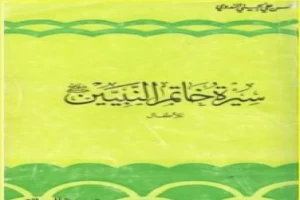
سيرة خاتم النبيين صلى الله عليه وسلم book pdf download

Size of file : 4.74MB
book quality : Good
Date of Coming : 2022-08-10
Auther : Abu Al-Hassan Al-Nadwi
Department : History
Section : CV
Number of Pages : 355
Language : Arabic

Author: Abu Al-Hassan Al-Nadwi

About the Author: Ali Abu Al-Hassan Bin Abdul Hai Bin Fakhr Al-Din Al-Hasani – His lineage ends with Abdullah Al-Ashtar Bin Muhammad Dhi Al-Nafs Al-Zakiya Bin Abdullah Al-Mahad Bin Al-Hassan Al-Muthanna Bin Al-Imam Al-Hassan the greatest grandson Bin Ali Ibn Abi Talib. Some of his grandfathers, Prince Sayyid Qutb al-Din Muhammad al-Madani (AD 677 AH), immigrated to India at the beginning of the seventh century AH. He was born in the village of Tekkeh in the district of Rai Bareilly – in the northern state – (Uttar Pardash) in India. He began learning the Holy Quran at home with the help of his mother, then he began to learn the Urdu and Persian languages. His father passed away in the year 1341 AH (1923 AD) when he was still less than ten years old. His virtuous mother, and his older brother, Dr. Abd al-Ali al-Hassani, who was also a medical student after graduating from Dar al-Ulum Nadwat al-Ulama and Dar al-Uloom Deoband, raised him. He started learning Arabic on Sheikh Khalil bin Muhammad Al-Ansari Al-Yamani in 1342 AH / 1924 AD and graduated from it. He also benefited – in studying the Arabic language and its literature – from his uncles Sheikh Aziz al-Rahman and Sheikh Muhammad Talha, and expanded on it and specialized in Professor Dr. Taqi al-Din al-Hilali when he presented his presentation in the Symposium of Scholars 1930 AD. He attended the celebration of the Scholars Symposium in Canfort in 1926 AD, and attracted the attention of the participants in the celebration with his Arabic words, and some Arab guests used him for his travels outside the venue of the ceremony. He joined the University of Lucknow in the Arabic department in 1927 – he was the youngest student at the university – and he obtained a certificate of Fadel of Literature in Arabic language and literature. He read – during the first days of studying the Arabic language – books considered to be at the top in the Urdu language and literature, which helped him to carry out the duty of advocacy, explain the correct Islamic idea, and convince the educated class of modern culture. He studied the English language between 1928 – 1930 AD, which enabled him to read books written – in English – on Islamic subjects, Western civilization, its history and development, and benefit from them directly. He joined the House of Science for the Symposium of Scholars in 1929 AD, and attended the lessons of the noble hadith of the scholar, the hadith educator Haider Hassan Khan – and he had studied the book of Jihad from Sahih Muslim on his sheikh Khalil al-Ansari – and he needed two whole years, so he read to him the two Sahihs, the Sunan Abi Dawood, and Sunan al-Tirmidhi letter by letter. Lessons in the interpretation of al-Baydawi also, and he read some books of jurisprudence to the sheikh, the jurist, the Mufti Shibli Al-Jiragpuri Al-Azami He received the interpretation of selected surahs from his Sheikh Khalil Al-Ansari, then he received lessons in interpretation from Sheikh Abdul Hai Al-Faruqi, and attended the lessons of Al-Baydawi by the modernist Haider Hassan Khan, and studied the interpretation of the entire Holy Qur’an – according to the special curriculum for graduates from Islamic schools – on the scholar Ahmed Ali Al-Lahori in Lahore In the year 1351 AH / 1932 AD. He resided with the Mujahid scholar Hussain Ahmad Al-Madani in 1932 in the Dar Al-Ulum Deoband for several months, and attended his lessons in Sahih Al-Bukhari and Sunan Al-Tirmidhi, and benefited from it in interpretation and the sciences of the Noble Qur’an as well. He also benefited from the scholarly jurist and writer Azaz Ali in jurisprudence, and from the reciter Sheikh Asghar Ali in Tajweed on the narration of Hafs. He died on Friday, Ramadan 23, 1420 AH corresponding to December 31, 1999. In the village of Tekke Klan in the Ra’i Barili District (Yobi), India Dr. Syed Abdul Majid Al-Ghouri has an extensive book in his biography entitled (Abu Al-Hasan Al-Nadawi, the Imam, the Thinker, the Preacher, the Educator, the Writer), which was printed several times in the House of Ibn Kathir in Damascus. He also wrote in his biography Dr. Muhammad Akram Al-Nadawi, Dr. Muhammad Ejtba Al-Nadawi, Sheikh Yusuf Al-Qaradawi and others.

سيرة خاتم النبيين صلى الله عليه وسلم book pdf download By Abu Al-Hassan Al-Nadwi

اعتمد الشيخ الندوي في تأليف هذا الكاتب علي تلخيص السيرة النبوية لإبن هشام الذي هو من اقدم كتب السيرة الموجودة الآن مستندا في ذلك علي بعض المراجع القديمة وكتب الصحاح،ولم ير المؤلف ضرورة إحالة القاريء إلي هذه المراجع بقيد الطبعات والصفحات،لأن الكتاب قد ألف للصغار الناهضين لا للباحثين والمحققين مقتصرا علي النصوص والروايات،ولم يمزجها بالبحوث العلمية والتعليلات الفلسفية،لأن ذلك يشغل القاريء عن التشبع بروح السيرة وتذوق جمالها. سيرة خاتم النبيين صلى الله عليه وسلم للأطفال pdf

Download PDF of سيرة خاتم النبيين صلى الله عليه وسلم book pdf download By Abu Al-Hassan Al-Nadwi
-Adrian Agency Library

Download Now

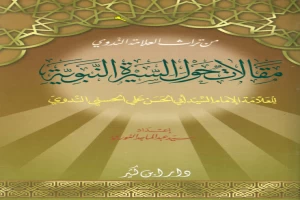
مقالات حول السيرة النبوية book pdf download

Size of file : 5.60MB
Language : Arabic
Date of Coming : 2022-08-10
Auther : Abu Al-Hassan Al-Nadwi
Department : History
Number of Pages : 253
book quality : Good
Section : CV

Author: Abu Al-Hassan Al-Nadwi

About the Author: Ali Abu Al-Hassan Bin Abdul Hai Bin Fakhr Al-Din Al-Hasani – His lineage ends with Abdullah Al-Ashtar Bin Muhammad Dhi Al-Nafs Al-Zakiya Bin Abdullah Al-Mahad Bin Al-Hassan Al-Muthanna Bin Al-Imam Al-Hassan the greatest grandson Bin Ali Ibn Abi Talib. Some of his grandfathers, Prince Sayyid Qutb al-Din Muhammad al-Madani (AD 677 AH), immigrated to India at the beginning of the seventh century AH. He was born in the village of Tekkeh in the district of Rai Bareilly – in the northern state – (Uttar Pardash) in India. He began learning the Holy Quran at home with the help of his mother, then he began to learn the Urdu and Persian languages. His father passed away in the year 1341 AH (1923 AD) when he was still less than ten years old. His virtuous mother, and his older brother, Dr. Abd al-Ali al-Hassani, who was also a medical student after graduating from Dar al-Ulum Nadwat al-Ulama and Dar al-Uloom Deoband, raised him. He started learning Arabic on Sheikh Khalil bin Muhammad Al-Ansari Al-Yamani in 1342 AH / 1924 AD and graduated from it. He also benefited – in studying the Arabic language and its literature – from his uncles Sheikh Aziz al-Rahman and Sheikh Muhammad Talha, and expanded on it and specialized in Professor Dr. Taqi al-Din al-Hilali when he presented his presentation in the Symposium of Scholars 1930 AD. He attended the celebration of the Scholars Symposium in Canfort in 1926 AD, and attracted the attention of the participants in the celebration with his Arabic words, and some Arab guests used him for his travels outside the venue of the ceremony. He joined the University of Lucknow in the Arabic department in 1927 – he was the youngest student at the university – and he obtained a certificate of Fadel of Literature in Arabic language and literature. He read – during the first days of studying the Arabic language – books considered to be at the top in the Urdu language and literature, which helped him to carry out the duty of advocacy, explain the correct Islamic idea, and convince the educated class of modern culture. He studied the English language between 1928 – 1930 AD, which enabled him to read books written – in English – on Islamic subjects, Western civilization, its history and development, and benefit from them directly. He joined the House of Science for the Symposium of Scholars in 1929 AD, and attended the lessons of the noble hadith of the scholar, the hadith educator Haider Hassan Khan – and he had studied the book of Jihad from Sahih Muslim on his sheikh Khalil al-Ansari – and he needed two whole years, so he read to him the two Sahihs, the Sunan Abi Dawood, and Sunan al-Tirmidhi letter by letter. Lessons in the interpretation of al-Baydawi also, and he read some books of jurisprudence to the sheikh, the jurist, the Mufti Shibli Al-Jiragpuri Al-Azami He received the interpretation of selected surahs from his Sheikh Khalil Al-Ansari, then he received lessons in interpretation from Sheikh Abdul Hai Al-Faruqi, and attended the lessons of Al-Baydawi by the modernist Haider Hassan Khan, and studied the interpretation of the entire Holy Qur’an – according to the special curriculum for graduates from Islamic schools – on the scholar Ahmed Ali Al-Lahori in Lahore In the year 1351 AH / 1932 AD. He resided with the Mujahid scholar Hussain Ahmad Al-Madani in 1932 in the Dar Al-Ulum Deoband for several months, and attended his lessons in Sahih Al-Bukhari and Sunan Al-Tirmidhi, and benefited from it in interpretation and the sciences of the Noble Qur’an as well. He also benefited from the scholarly jurist and writer Azaz Ali in jurisprudence, and from the reciter Sheikh Asghar Ali in Tajweed on the narration of Hafs. He died on Friday, Ramadan 23, 1420 AH corresponding to December 31, 1999. In the village of Tekke Klan in the Ra’i Barili District (Yobi), India Dr. Syed Abdul Majid Al-Ghouri has an extensive book in his biography entitled (Abu Al-Hasan Al-Nadawi, the Imam, the Thinker, the Preacher, the Educator, the Writer), which was printed several times in the House of Ibn Kathir in Damascus. He also wrote in his biography Dr. Muhammad Akram Al-Nadawi, Dr. Muhammad Ejtba Al-Nadawi, Sheikh Yusuf Al-Qaradawi and others.

مقالات حول السيرة النبوية book pdf download By Abu Al-Hassan Al-Nadwi

كتاب مصور قابل للبحث والنسخ – قال محقق الكتاب في مقدمته: “وهذا الكتاب الذي بين يديك أيها القارىء هو مجموعة من المقالات التي جاد بها قلم العلامة الندوي في هذا الموضوع بين الفترة والفترة في مجلات مختلفة ، فوددت أن أفرزها من طيات تلك المجلات في كتاب مستقل ليسهل الاطلاع عليها لمن أراد ، ولتعتم بها الفائدة.

Download PDF of مقالات حول السيرة النبوية book pdf download By Abu Al-Hassan Al-Nadwi
-Adrian Agency Library
Download Now

الامام الشهيد حسن البنا book pdf download

Section : CV
Language : Arabic
Auther : Abu Al-Hassan Al-Nadwi
Number of Pages : 53
book quality : Good
Department : History
Size of file : 0.37MB
Date of Coming : 2022-08-10

Author: Abu Al-Hassan Al-Nadwi

About the Author: Ali Abu Al-Hassan Bin Abdul Hai Bin Fakhr Al-Din Al-Hasani – His lineage ends with Abdullah Al-Ashtar Bin Muhammad Dhi Al-Nafs Al-Zakiya Bin Abdullah Al-Mahad Bin Al-Hassan Al-Muthanna Bin Al-Imam Al-Hassan the greatest grandson Bin Ali Ibn Abi Talib. Some of his grandfathers, Prince Sayyid Qutb al-Din Muhammad al-Madani (AD 677 AH), immigrated to India at the beginning of the seventh century AH. He was born in the village of Tekkeh in the district of Rai Bareilly – in the northern state – (Uttar Pardash) in India. He began learning the Holy Quran at home with the help of his mother, then he began to learn the Urdu and Persian languages. His father passed away in the year 1341 AH (1923 AD) when he was still less than ten years old. His virtuous mother, and his older brother, Dr. Abd al-Ali al-Hassani, who was also a medical student after graduating from Dar al-Ulum Nadwat al-Ulama and Dar al-Uloom Deoband, raised him. He started learning Arabic on Sheikh Khalil bin Muhammad Al-Ansari Al-Yamani in 1342 AH / 1924 AD and graduated from it. He also benefited – in studying the Arabic language and its literature – from his uncles Sheikh Aziz al-Rahman and Sheikh Muhammad Talha, and expanded on it and specialized in Professor Dr. Taqi al-Din al-Hilali when he presented his presentation in the Symposium of Scholars 1930 AD. He attended the celebration of the Scholars Symposium in Canfort in 1926 AD, and attracted the attention of the participants in the celebration with his Arabic words, and some Arab guests used him for his travels outside the venue of the ceremony. He joined the University of Lucknow in the Arabic department in 1927 – he was the youngest student at the university – and he obtained a certificate of Fadel of Literature in Arabic language and literature. He read – during the first days of studying the Arabic language – books considered to be at the top in the Urdu language and literature, which helped him to carry out the duty of advocacy, explain the correct Islamic idea, and convince the educated class of modern culture. He studied the English language between 1928 – 1930 AD, which enabled him to read books written – in English – on Islamic subjects, Western civilization, its history and development, and benefit from them directly. He joined the House of Science for the Symposium of Scholars in 1929 AD, and attended the lessons of the noble hadith of the scholar, the hadith educator Haider Hassan Khan – and he had studied the book of Jihad from Sahih Muslim on his sheikh Khalil al-Ansari – and he needed two whole years, so he read to him the two Sahihs, the Sunan Abi Dawood, and Sunan al-Tirmidhi letter by letter. Lessons in the interpretation of al-Baydawi also, and he read some books of jurisprudence to the sheikh, the jurist, the Mufti Shibli Al-Jiragpuri Al-Azami He received the interpretation of selected surahs from his Sheikh Khalil Al-Ansari, then he received lessons in interpretation from Sheikh Abdul Hai Al-Faruqi, and attended the lessons of Al-Baydawi by the modernist Haider Hassan Khan, and studied the interpretation of the entire Holy Qur’an – according to the special curriculum for graduates from Islamic schools – on the scholar Ahmed Ali Al-Lahori in Lahore In the year 1351 AH / 1932 AD. He resided with the Mujahid scholar Hussain Ahmad Al-Madani in 1932 in the Dar Al-Ulum Deoband for several months, and attended his lessons in Sahih Al-Bukhari and Sunan Al-Tirmidhi, and benefited from it in interpretation and the sciences of the Noble Qur’an as well. He also benefited from the scholarly jurist and writer Azaz Ali in jurisprudence, and from the reciter Sheikh Asghar Ali in Tajweed on the narration of Hafs. He died on Friday, Ramadan 23, 1420 AH corresponding to December 31, 1999. In the village of Tekke Klan in the Ra’i Barili District (Yobi), India Dr. Syed Abdul Majid Al-Ghouri has an extensive book in his biography entitled (Abu Al-Hasan Al-Nadawi, the Imam, the Thinker, the Preacher, the Educator, the Writer), which was printed several times in the House of Ibn Kathir in Damascus. He also wrote in his biography Dr. Muhammad Akram Al-Nadawi, Dr. Muhammad Ejtba Al-Nadawi, Sheikh Yusuf Al-Qaradawi and others.

الامام الشهيد حسن البنا book pdf download By Abu Al-Hassan Al-Nadwi

تحميل كتاب الامام الشهيد حسن البنا pdf

Download PDF of الامام الشهيد حسن البنا book pdf download By Abu Al-Hassan Al-Nadwi
-Adrian Agency Library

Download Now

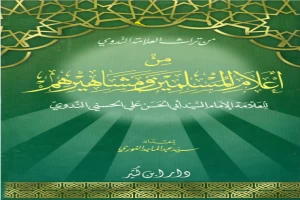
من أعلام المسلمين ومشاهيرهم book pdf download

Auther : Abu Al-Hassan Al-Nadwi
Section : CV
Number of Pages : 367
Size of file : 7.42MB
book quality : Good
Department : History
Date of Coming : 2022-08-10
Language : Arabic

Author: Abu Al-Hassan Al-Nadwi

About the Author: Ali Abu Al-Hassan Bin Abdul Hai Bin Fakhr Al-Din Al-Hasani – His lineage ends with Abdullah Al-Ashtar Bin Muhammad Dhi Al-Nafs Al-Zakiya Bin Abdullah Al-Mahad Bin Al-Hassan Al-Muthanna Bin Al-Imam Al-Hassan the greatest grandson Bin Ali Ibn Abi Talib. Some of his grandfathers, Prince Sayyid Qutb al-Din Muhammad al-Madani (AD 677 AH), immigrated to India at the beginning of the seventh century AH. He was born in the village of Tekkeh in the district of Rai Bareilly – in the northern state – (Uttar Pardash) in India. He began learning the Holy Quran at home with the help of his mother, then he began to learn the Urdu and Persian languages. His father passed away in the year 1341 AH (1923 AD) when he was still less than ten years old. His virtuous mother, and his older brother, Dr. Abd al-Ali al-Hassani, who was also a medical student after graduating from Dar al-Ulum Nadwat al-Ulama and Dar al-Uloom Deoband, raised him. He started learning Arabic on Sheikh Khalil bin Muhammad Al-Ansari Al-Yamani in 1342 AH / 1924 AD and graduated from it. He also benefited – in studying the Arabic language and its literature – from his uncles Sheikh Aziz al-Rahman and Sheikh Muhammad Talha, and expanded on it and specialized in Professor Dr. Taqi al-Din al-Hilali when he presented his presentation in the Symposium of Scholars 1930 AD. He attended the celebration of the Scholars Symposium in Canfort in 1926 AD, and attracted the attention of the participants in the celebration with his Arabic words, and some Arab guests used him for his travels outside the venue of the ceremony. He joined the University of Lucknow in the Arabic department in 1927 – he was the youngest student at the university – and he obtained a certificate of Fadel of Literature in Arabic language and literature. He read – during the first days of studying the Arabic language – books considered to be at the top in the Urdu language and literature, which helped him to carry out the duty of advocacy, explain the correct Islamic idea, and convince the educated class of modern culture. He studied the English language between 1928 – 1930 AD, which enabled him to read books written – in English – on Islamic subjects, Western civilization, its history and development, and benefit from them directly. He joined the House of Science for the Symposium of Scholars in 1929 AD, and attended the lessons of the noble hadith of the scholar, the hadith educator Haider Hassan Khan – and he had studied the book of Jihad from Sahih Muslim on his sheikh Khalil al-Ansari – and he needed two whole years, so he read to him the two Sahihs, the Sunan Abi Dawood, and Sunan al-Tirmidhi letter by letter. Lessons in the interpretation of al-Baydawi also, and he read some books of jurisprudence to the sheikh, the jurist, the Mufti Shibli Al-Jiragpuri Al-Azami He received the interpretation of selected surahs from his Sheikh Khalil Al-Ansari, then he received lessons in interpretation from Sheikh Abdul Hai Al-Faruqi, and attended the lessons of Al-Baydawi by the modernist Haider Hassan Khan, and studied the interpretation of the entire Holy Qur’an – according to the special curriculum for graduates from Islamic schools – on the scholar Ahmed Ali Al-Lahori in Lahore In the year 1351 AH / 1932 AD. He resided with the Mujahid scholar Hussain Ahmad Al-Madani in 1932 in the Dar Al-Ulum Deoband for several months, and attended his lessons in Sahih Al-Bukhari and Sunan Al-Tirmidhi, and benefited from it in interpretation and the sciences of the Noble Qur’an as well. He also benefited from the scholarly jurist and writer Azaz Ali in jurisprudence, and from the reciter Sheikh Asghar Ali in Tajweed on the narration of Hafs. He died on Friday, Ramadan 23, 1420 AH corresponding to December 31, 1999. In the village of Tekke Klan in the Ra’i Barili District (Yobi), India Dr. Syed Abdul Majid Al-Ghouri has an extensive book in his biography entitled (Abu Al-Hasan Al-Nadawi, the Imam, the Thinker, the Preacher, the Educator, the Writer), which was printed several times in the House of Ibn Kathir in Damascus. He also wrote in his biography Dr. Muhammad Akram Al-Nadawi, Dr. Muhammad Ejtba Al-Nadawi, Sheikh Yusuf Al-Qaradawi and others.

من أعلام المسلمين ومشاهيرهم book pdf download By Abu Al-Hassan Al-Nadwi

فهرس الكتاب: مقدمة الكتاب ملامح من حياة العلامة الإمام السيد أبي الحسن الندوي وشخصيته الإمام محمد بن إسماعيل البخاري وكتابه صحيح البخاري شيخ الإسلام الحافظ ابن تيمية ومآثره الكبرى صلاح الدين الأيوبي البطل الناصر لدين الله الإمام السرهندي ومنهجه في الإصلاح والتربية الملك الصالح المصلح السلطان محصي الدين أورنغ زيب عالمكير شيخ الإسلام أحمد بن عبد الرحمن الدهلوي وخطته في الإصلاح والتجديد الإمام أحمد بن عرفان الشهيد – رحمه الله – ورففته ، وتأثيرهم في الحياة السيد الإمام أحمد بن عرفان الشهيد مجدد القرن الثالث عشر جماعته: الشيخ إسماعيل بن عبد الغني الدهلوي مولانا عبد الحي البرهانوي مولانا ولاية علي الصادقبوري مولانا كرامت علي الجونبوري مولانا محمد علي الرامبوري مولانا سخاوت علي الجونبوري الإمام الذي لم يوت حقه من الإنصاف والاعتراف العلامة الشيخ رحمة الله بن خليل الرحمن العئماني الكيرانوي وكتابه ” إظهارالحق ” العلامة السيد صديق حسن القنوجي شاعر الإسلام : الدكتور محمد إقبال حياته وثقافته ، شاعريته وإنتاجه من روائع محمد إقبال العلامة الشريف السيد عبد الحي الحسني ومكانته في تاريخ الهند الإسلامي الداعية الكبير الشيخ محمد إلياس الكاندهلوي منشئ جماعة التبليغ والدعوة صلتي بمولانا حسين أحمد المدني صفحة من صفحات حياتي مولانا أبو الكلام آزاد الشيخ عبد القادر الرائيبوري شيخ الحديث مولانا محمد زكريا الكاندهلوي الأمير الفاضل الشيخ حبيب الرحمن الشرواني الشيخ خليل بن محمد اليماني الإمام الشهيد الشيخ حسن البئا كما عرفته سماحة المفتي السيد أمين الحسيني الأستاذ سيد فطب الدكتور مصطفى السباعي العلامة الشيخ الداعي الى الله محمد يوسف الكاندهلوي وكتابه ” حياة الصحابة ” العلامة عبد العزيز الميمني المفكر الإسلامي الكبير الأستاذ أبو الأعلى المودودي الأستاذ محمد الحسني رئيس تحرير مجلة ” البعث الإسلامي ” العلامة الدكتور يوسف الفرضاوي الأستاذ محمد ناظم الندوي وكتابه ” باقة الأزهار “

Download PDF of من أعلام المسلمين ومشاهيرهم book pdf download By Abu Al-Hassan Al-Nadwi
-Adrian Agency Library
Download Now

الحسن البصري book pdf download

Department : History
Size of file : 4.40MB
Language : Arabic
book quality : Good
Date of Coming : 2022-08-10
Number of Pages : 12
Section : CV
Auther : Abu Al-Hassan Al-Nadwi

Author: Abu Al-Hassan Al-Nadwi

About the Author: Ali Abu Al-Hassan Bin Abdul Hai Bin Fakhr Al-Din Al-Hasani – His lineage ends with Abdullah Al-Ashtar Bin Muhammad Dhi Al-Nafs Al-Zakiya Bin Abdullah Al-Mahad Bin Al-Hassan Al-Muthanna Bin Al-Imam Al-Hassan the greatest grandson Bin Ali Ibn Abi Talib. Some of his grandfathers, Prince Sayyid Qutb al-Din Muhammad al-Madani (AD 677 AH), immigrated to India at the beginning of the seventh century AH. He was born in the village of Tekkeh in the district of Rai Bareilly – in the northern state – (Uttar Pardash) in India. He began learning the Holy Quran at home with the help of his mother, then he began to learn the Urdu and Persian languages. His father passed away in the year 1341 AH (1923 AD) when he was still less than ten years old. His virtuous mother, and his older brother, Dr. Abd al-Ali al-Hassani, who was also a medical student after graduating from Dar al-Ulum Nadwat al-Ulama and Dar al-Uloom Deoband, raised him. He started learning Arabic on Sheikh Khalil bin Muhammad Al-Ansari Al-Yamani in 1342 AH / 1924 AD and graduated from it. He also benefited – in studying the Arabic language and its literature – from his uncles Sheikh Aziz al-Rahman and Sheikh Muhammad Talha, and expanded on it and specialized in Professor Dr. Taqi al-Din al-Hilali when he presented his presentation in the Symposium of Scholars 1930 AD. He attended the celebration of the Scholars Symposium in Canfort in 1926 AD, and attracted the attention of the participants in the celebration with his Arabic words, and some Arab guests used him for his travels outside the venue of the ceremony. He joined the University of Lucknow in the Arabic department in 1927 – he was the youngest student at the university – and he obtained a certificate of Fadel of Literature in Arabic language and literature. He read – during the first days of studying the Arabic language – books considered to be at the top in the Urdu language and literature, which helped him to carry out the duty of advocacy, explain the correct Islamic idea, and convince the educated class of modern culture. He studied the English language between 1928 – 1930 AD, which enabled him to read books written – in English – on Islamic subjects, Western civilization, its history and development, and benefit from them directly. He joined the House of Science for the Symposium of Scholars in 1929 AD, and attended the lessons of the noble hadith of the scholar, the hadith educator Haider Hassan Khan – and he had studied the book of Jihad from Sahih Muslim on his sheikh Khalil al-Ansari – and he needed two whole years, so he read to him the two Sahihs, the Sunan Abi Dawood, and Sunan al-Tirmidhi letter by letter. Lessons in the interpretation of al-Baydawi also, and he read some books of jurisprudence to the sheikh, the jurist, the Mufti Shibli Al-Jiragpuri Al-Azami He received the interpretation of selected surahs from his Sheikh Khalil Al-Ansari, then he received lessons in interpretation from Sheikh Abdul Hai Al-Faruqi, and attended the lessons of Al-Baydawi by the modernist Haider Hassan Khan, and studied the interpretation of the entire Holy Qur’an – according to the special curriculum for graduates from Islamic schools – on the scholar Ahmed Ali Al-Lahori in Lahore In the year 1351 AH / 1932 AD. He resided with the Mujahid scholar Hussain Ahmad Al-Madani in 1932 in the Dar Al-Ulum Deoband for several months, and attended his lessons in Sahih Al-Bukhari and Sunan Al-Tirmidhi, and benefited from it in interpretation and the sciences of the Noble Qur’an as well. He also benefited from the scholarly jurist and writer Azaz Ali in jurisprudence, and from the reciter Sheikh Asghar Ali in Tajweed on the narration of Hafs. He died on Friday, Ramadan 23, 1420 AH corresponding to December 31, 1999. In the village of Tekke Klan in the Ra’i Barili District (Yobi), India Dr. Syed Abdul Majid Al-Ghouri has an extensive book in his biography entitled (Abu Al-Hasan Al-Nadawi, the Imam, the Thinker, the Preacher, the Educator, the Writer), which was printed several times in the House of Ibn Kathir in Damascus. He also wrote in his biography Dr. Muhammad Akram Al-Nadawi, Dr. Muhammad Ejtba Al-Nadawi, Sheikh Yusuf Al-Qaradawi and others.

الحسن البصري book pdf download By Abu Al-Hassan Al-Nadwi

تحميل كتاب الحسن البصري pdf

Download PDF of الحسن البصري book pdf download By Abu Al-Hassan Al-Nadwi
-Adrian Agency Library

Download Now

ترجمة السيد الإمام أحمد بن عرفان الشهيد مجدد القرن الثالث عشر book pdf download

Auther : Abu Al-Hassan Al-Nadwi
book quality : Good
Department : History
Language : Arabic
Date of Coming : 2022-08-10
Section : CV
Size of file : 0.88MB
Number of Pages : 110

Author: Abu Al-Hassan Al-Nadwi

About the Author: Ali Abu Al-Hassan Bin Abdul Hai Bin Fakhr Al-Din Al-Hasani – His lineage ends with Abdullah Al-Ashtar Bin Muhammad Dhi Al-Nafs Al-Zakiya Bin Abdullah Al-Mahad Bin Al-Hassan Al-Muthanna Bin Al-Imam Al-Hassan the greatest grandson Bin Ali Ibn Abi Talib. Some of his grandfathers, Prince Sayyid Qutb al-Din Muhammad al-Madani (AD 677 AH), immigrated to India at the beginning of the seventh century AH. He was born in the village of Tekkeh in the district of Rai Bareilly – in the northern state – (Uttar Pardash) in India. He began learning the Holy Quran at home with the help of his mother, then he began to learn the Urdu and Persian languages. His father passed away in the year 1341 AH (1923 AD) when he was still less than ten years old. His virtuous mother, and his older brother, Dr. Abd al-Ali al-Hassani, who was also a medical student after graduating from Dar al-Ulum Nadwat al-Ulama and Dar al-Uloom Deoband, raised him. He started learning Arabic on Sheikh Khalil bin Muhammad Al-Ansari Al-Yamani in 1342 AH / 1924 AD and graduated from it. He also benefited – in studying the Arabic language and its literature – from his uncles Sheikh Aziz al-Rahman and Sheikh Muhammad Talha, and expanded on it and specialized in Professor Dr. Taqi al-Din al-Hilali when he presented his presentation in the Symposium of Scholars 1930 AD. He attended the celebration of the Scholars Symposium in Canfort in 1926 AD, and attracted the attention of the participants in the celebration with his Arabic words, and some Arab guests used him for his travels outside the venue of the ceremony. He joined the University of Lucknow in the Arabic department in 1927 – he was the youngest student at the university – and he obtained a certificate of Fadel of Literature in Arabic language and literature. He read – during the first days of studying the Arabic language – books considered to be at the top in the Urdu language and literature, which helped him to carry out the duty of advocacy, explain the correct Islamic idea, and convince the educated class of modern culture. He studied the English language between 1928 – 1930 AD, which enabled him to read books written – in English – on Islamic subjects, Western civilization, its history and development, and benefit from them directly. He joined the House of Science for the Symposium of Scholars in 1929 AD, and attended the lessons of the noble hadith of the scholar, the hadith educator Haider Hassan Khan – and he had studied the book of Jihad from Sahih Muslim on his sheikh Khalil al-Ansari – and he needed two whole years, so he read to him the two Sahihs, the Sunan Abi Dawood, and Sunan al-Tirmidhi letter by letter. Lessons in the interpretation of al-Baydawi also, and he read some books of jurisprudence to the sheikh, the jurist, the Mufti Shibli Al-Jiragpuri Al-Azami He received the interpretation of selected surahs from his Sheikh Khalil Al-Ansari, then he received lessons in interpretation from Sheikh Abdul Hai Al-Faruqi, and attended the lessons of Al-Baydawi by the modernist Haider Hassan Khan, and studied the interpretation of the entire Holy Qur’an – according to the special curriculum for graduates from Islamic schools – on the scholar Ahmed Ali Al-Lahori in Lahore In the year 1351 AH / 1932 AD. He resided with the Mujahid scholar Hussain Ahmad Al-Madani in 1932 in the Dar Al-Ulum Deoband for several months, and attended his lessons in Sahih Al-Bukhari and Sunan Al-Tirmidhi, and benefited from it in interpretation and the sciences of the Noble Qur’an as well. He also benefited from the scholarly jurist and writer Azaz Ali in jurisprudence, and from the reciter Sheikh Asghar Ali in Tajweed on the narration of Hafs. He died on Friday, Ramadan 23, 1420 AH corresponding to December 31, 1999. In the village of Tekke Klan in the Ra’i Barili District (Yobi), India Dr. Syed Abdul Majid Al-Ghouri has an extensive book in his biography entitled (Abu Al-Hasan Al-Nadawi, the Imam, the Thinker, the Preacher, the Educator, the Writer), which was printed several times in the House of Ibn Kathir in Damascus. He also wrote in his biography Dr. Muhammad Akram Al-Nadawi, Dr. Muhammad Ejtba Al-Nadawi, Sheikh Yusuf Al-Qaradawi and others.

ترجمة السيد الإمام أحمد بن عرفان الشهيد مجدد القرن الثالث عشر book pdf download By Abu Al-Hassan Al-Nadwi

تحميل كتاب ترجمة السيد الإمام أحمد بن عرفان الشهيد مجدد القرن الثالث عشر pdf

Download PDF of ترجمة السيد الإمام أحمد بن عرفان الشهيد مجدد القرن الثالث عشر book pdf download By Abu Al-Hassan Al-Nadwi
-Adrian Agency Library
Download Now

مولانا جلال الدين الرومي book pdf download

book quality : Good
Auther : Abu Al-Hassan Al-Nadwi
Number of Pages : 129
Department : History
Language : Arabic
Date of Coming : 2022-08-10
Section : CV
Size of file : 0.92MB

Author: Abu Al-Hassan Al-Nadwi

About the Author: Ali Abu Al-Hassan Bin Abdul Hai Bin Fakhr Al-Din Al-Hasani – His lineage ends with Abdullah Al-Ashtar Bin Muhammad Dhi Al-Nafs Al-Zakiya Bin Abdullah Al-Mahad Bin Al-Hassan Al-Muthanna Bin Al-Imam Al-Hassan the greatest grandson Bin Ali Ibn Abi Talib. Some of his grandfathers, Prince Sayyid Qutb al-Din Muhammad al-Madani (AD 677 AH), immigrated to India at the beginning of the seventh century AH. He was born in the village of Tekkeh in the district of Rai Bareilly – in the northern state – (Uttar Pardash) in India. He began learning the Holy Quran at home with the help of his mother, then he began to learn the Urdu and Persian languages. His father passed away in the year 1341 AH (1923 AD) when he was still less than ten years old. His virtuous mother, and his older brother, Dr. Abd al-Ali al-Hassani, who was also a medical student after graduating from Dar al-Ulum Nadwat al-Ulama and Dar al-Uloom Deoband, raised him. He started learning Arabic on Sheikh Khalil bin Muhammad Al-Ansari Al-Yamani in 1342 AH / 1924 AD and graduated from it. He also benefited – in studying the Arabic language and its literature – from his uncles Sheikh Aziz al-Rahman and Sheikh Muhammad Talha, and expanded on it and specialized in Professor Dr. Taqi al-Din al-Hilali when he presented his presentation in the Symposium of Scholars 1930 AD. He attended the celebration of the Scholars Symposium in Canfort in 1926 AD, and attracted the attention of the participants in the celebration with his Arabic words, and some Arab guests used him for his travels outside the venue of the ceremony. He joined the University of Lucknow in the Arabic department in 1927 – he was the youngest student at the university – and he obtained a certificate of Fadel of Literature in Arabic language and literature. He read – during the first days of studying the Arabic language – books considered to be at the top in the Urdu language and literature, which helped him to carry out the duty of advocacy, explain the correct Islamic idea, and convince the educated class of modern culture. He studied the English language between 1928 – 1930 AD, which enabled him to read books written – in English – on Islamic subjects, Western civilization, its history and development, and benefit from them directly. He joined the House of Science for the Symposium of Scholars in 1929 AD, and attended the lessons of the noble hadith of the scholar, the hadith educator Haider Hassan Khan – and he had studied the book of Jihad from Sahih Muslim on his sheikh Khalil al-Ansari – and he needed two whole years, so he read to him the two Sahihs, the Sunan Abi Dawood, and Sunan al-Tirmidhi letter by letter. Lessons in the interpretation of al-Baydawi also, and he read some books of jurisprudence to the sheikh, the jurist, the Mufti Shibli Al-Jiragpuri Al-Azami He received the interpretation of selected surahs from his Sheikh Khalil Al-Ansari, then he received lessons in interpretation from Sheikh Abdul Hai Al-Faruqi, and attended the lessons of Al-Baydawi by the modernist Haider Hassan Khan, and studied the interpretation of the entire Holy Qur’an – according to the special curriculum for graduates from Islamic schools – on the scholar Ahmed Ali Al-Lahori in Lahore In the year 1351 AH / 1932 AD. He resided with the Mujahid scholar Hussain Ahmad Al-Madani in 1932 in the Dar Al-Ulum Deoband for several months, and attended his lessons in Sahih Al-Bukhari and Sunan Al-Tirmidhi, and benefited from it in interpretation and the sciences of the Noble Qur’an as well. He also benefited from the scholarly jurist and writer Azaz Ali in jurisprudence, and from the reciter Sheikh Asghar Ali in Tajweed on the narration of Hafs. He died on Friday, Ramadan 23, 1420 AH corresponding to December 31, 1999. In the village of Tekke Klan in the Ra’i Barili District (Yobi), India Dr. Syed Abdul Majid Al-Ghouri has an extensive book in his biography entitled (Abu Al-Hasan Al-Nadawi, the Imam, the Thinker, the Preacher, the Educator, the Writer), which was printed several times in the House of Ibn Kathir in Damascus. He also wrote in his biography Dr. Muhammad Akram Al-Nadawi, Dr. Muhammad Ejtba Al-Nadawi, Sheikh Yusuf Al-Qaradawi and others.

مولانا جلال الدين الرومي book pdf download By Abu Al-Hassan Al-Nadwi

كان العالم الإسلامي في حاجة إلى شخصية تستطيع أن تنفخ، بقلبها الولوع وعاطفتها القوية؛ روحًا جديدة في المجتمع، الذي طغى عليه العقل على حساب العاطفة، وساد عليه الخمود. شخصية تستطيع أن تؤسِّس كلامًا جديدًا لا يُصارِع العقول، ولا يكتفي بإفحام المجادلين؛ بل يحِل العقد النفسية والفكرية التي خلَّفها علم الكلام، ويملأ القلوب سكينة وإيمانًا. لقد وجِد هذا الرجل المطلوب في شخصية مولانا “جلال الدين الرومي”. وقد كان ديوان شعره، الذي يعرف عادة بـ”المثنوي المعنوي”؛ ثورة على علم الكلام الذي فقد جِدَّته وقوَّته، ونقد للفلسفة في اتجاهها ومنهجها، وعلى الفلسفة التي تجاوزت حدودها، وبالغت في تقدير الحواس وتقديس العقل؛ وكان أساسًا لكلام جديد أكثر إقناعًا للعقول الجامحة الثائِرة والنفوس المضطربة الحائرة من علم الكلام، الذي تزعَّم ذلك وتكفَّل به طوال القرون.

Download PDF of مولانا جلال الدين الرومي book pdf download By Abu Al-Hassan Al-Nadwi
-Adrian Agency Library

Download Now

كلمة عن أدب التراجم والحديث عن الكتب book pdf download

Number of Pages : 15
Department : History
Size of file : 2.54MB
Language : Arabic
book quality : Good
Auther : Abu Al-Hassan Al-Nadwi
Date of Coming : 2022-08-10
Section : CV

Author: Abu Al-Hassan Al-Nadwi

About the Author: Ali Abu Al-Hassan Bin Abdul Hai Bin Fakhr Al-Din Al-Hasani – His lineage ends with Abdullah Al-Ashtar Bin Muhammad Dhi Al-Nafs Al-Zakiya Bin Abdullah Al-Mahad Bin Al-Hassan Al-Muthanna Bin Al-Imam Al-Hassan the greatest grandson Bin Ali Ibn Abi Talib. Some of his grandfathers, Prince Sayyid Qutb al-Din Muhammad al-Madani (AD 677 AH), immigrated to India at the beginning of the seventh century AH. He was born in the village of Tekkeh in the district of Rai Bareilly – in the northern state – (Uttar Pardash) in India. He began learning the Holy Quran at home with the help of his mother, then he began to learn the Urdu and Persian languages. His father passed away in the year 1341 AH (1923 AD) when he was still less than ten years old. His virtuous mother, and his older brother, Dr. Abd al-Ali al-Hassani, who was also a medical student after graduating from Dar al-Ulum Nadwat al-Ulama and Dar al-Uloom Deoband, raised him. He started learning Arabic on Sheikh Khalil bin Muhammad Al-Ansari Al-Yamani in 1342 AH / 1924 AD and graduated from it. He also benefited – in studying the Arabic language and its literature – from his uncles Sheikh Aziz al-Rahman and Sheikh Muhammad Talha, and expanded on it and specialized in Professor Dr. Taqi al-Din al-Hilali when he presented his presentation in the Symposium of Scholars 1930 AD. He attended the celebration of the Scholars Symposium in Canfort in 1926 AD, and attracted the attention of the participants in the celebration with his Arabic words, and some Arab guests used him for his travels outside the venue of the ceremony. He joined the University of Lucknow in the Arabic department in 1927 – he was the youngest student at the university – and he obtained a certificate of Fadel of Literature in Arabic language and literature. He read – during the first days of studying the Arabic language – books considered to be at the top in the Urdu language and literature, which helped him to carry out the duty of advocacy, explain the correct Islamic idea, and convince the educated class of modern culture. He studied the English language between 1928 – 1930 AD, which enabled him to read books written – in English – on Islamic subjects, Western civilization, its history and development, and benefit from them directly. He joined the House of Science for the Symposium of Scholars in 1929 AD, and attended the lessons of the noble hadith of the scholar, the hadith educator Haider Hassan Khan – and he had studied the book of Jihad from Sahih Muslim on his sheikh Khalil al-Ansari – and he needed two whole years, so he read to him the two Sahihs, the Sunan Abi Dawood, and Sunan al-Tirmidhi letter by letter. Lessons in the interpretation of al-Baydawi also, and he read some books of jurisprudence to the sheikh, the jurist, the Mufti Shibli Al-Jiragpuri Al-Azami He received the interpretation of selected surahs from his Sheikh Khalil Al-Ansari, then he received lessons in interpretation from Sheikh Abdul Hai Al-Faruqi, and attended the lessons of Al-Baydawi by the modernist Haider Hassan Khan, and studied the interpretation of the entire Holy Qur’an – according to the special curriculum for graduates from Islamic schools – on the scholar Ahmed Ali Al-Lahori in Lahore In the year 1351 AH / 1932 AD. He resided with the Mujahid scholar Hussain Ahmad Al-Madani in 1932 in the Dar Al-Ulum Deoband for several months, and attended his lessons in Sahih Al-Bukhari and Sunan Al-Tirmidhi, and benefited from it in interpretation and the sciences of the Noble Qur’an as well. He also benefited from the scholarly jurist and writer Azaz Ali in jurisprudence, and from the reciter Sheikh Asghar Ali in Tajweed on the narration of Hafs. He died on Friday, Ramadan 23, 1420 AH corresponding to December 31, 1999. In the village of Tekke Klan in the Ra’i Barili District (Yobi), India Dr. Syed Abdul Majid Al-Ghouri has an extensive book in his biography entitled (Abu Al-Hasan Al-Nadawi, the Imam, the Thinker, the Preacher, the Educator, the Writer), which was printed several times in the House of Ibn Kathir in Damascus. He also wrote in his biography Dr. Muhammad Akram Al-Nadawi, Dr. Muhammad Ejtba Al-Nadawi, Sheikh Yusuf Al-Qaradawi and others.

كلمة عن أدب التراجم والحديث عن الكتب book pdf download By Abu Al-Hassan Al-Nadwi

كلمة عن أدب التراجم والحديث عن الكتب pdf

Download PDF of كلمة عن أدب التراجم والحديث عن الكتب book pdf download By Abu Al-Hassan Al-Nadwi
-Adrian Agency Library
Download Now

أسبوعان في المغرب الأقصى، ويليه: نحن الآن في المغرب book pdf download

book quality : Good
Number of Pages : 132
Section : CV
Date of Coming : 2022-08-10
Size of file : 3.18MB
Language : Arabic
Department : History
Auther : Abu Al-Hassan Al-Nadwi

Author: Abu Al-Hassan Al-Nadwi

About the Author: Ali Abu Al-Hassan Bin Abdul Hai Bin Fakhr Al-Din Al-Hasani – His lineage ends with Abdullah Al-Ashtar Bin Muhammad Dhi Al-Nafs Al-Zakiya Bin Abdullah Al-Mahad Bin Al-Hassan Al-Muthanna Bin Al-Imam Al-Hassan the greatest grandson Bin Ali Ibn Abi Talib. Some of his grandfathers, Prince Sayyid Qutb al-Din Muhammad al-Madani (AD 677 AH), immigrated to India at the beginning of the seventh century AH. He was born in the village of Tekkeh in the district of Rai Bareilly – in the northern state – (Uttar Pardash) in India. He began learning the Holy Quran at home with the help of his mother, then he began to learn the Urdu and Persian languages. His father passed away in the year 1341 AH (1923 AD) when he was still less than ten years old. His virtuous mother, and his older brother, Dr. Abd al-Ali al-Hassani, who was also a medical student after graduating from Dar al-Ulum Nadwat al-Ulama and Dar al-Uloom Deoband, raised him. He started learning Arabic on Sheikh Khalil bin Muhammad Al-Ansari Al-Yamani in 1342 AH / 1924 AD and graduated from it. He also benefited – in studying the Arabic language and its literature – from his uncles Sheikh Aziz al-Rahman and Sheikh Muhammad Talha, and expanded on it and specialized in Professor Dr. Taqi al-Din al-Hilali when he presented his presentation in the Symposium of Scholars 1930 AD. He attended the celebration of the Scholars Symposium in Canfort in 1926 AD, and attracted the attention of the participants in the celebration with his Arabic words, and some Arab guests used him for his travels outside the venue of the ceremony. He joined the University of Lucknow in the Arabic department in 1927 – he was the youngest student at the university – and he obtained a certificate of Fadel of Literature in Arabic language and literature. He read – during the first days of studying the Arabic language – books considered to be at the top in the Urdu language and literature, which helped him to carry out the duty of advocacy, explain the correct Islamic idea, and convince the educated class of modern culture. He studied the English language between 1928 – 1930 AD, which enabled him to read books written – in English – on Islamic subjects, Western civilization, its history and development, and benefit from them directly. He joined the House of Science for the Symposium of Scholars in 1929 AD, and attended the lessons of the noble hadith of the scholar, the hadith educator Haider Hassan Khan – and he had studied the book of Jihad from Sahih Muslim on his sheikh Khalil al-Ansari – and he needed two whole years, so he read to him the two Sahihs, the Sunan Abi Dawood, and Sunan al-Tirmidhi letter by letter. Lessons in the interpretation of al-Baydawi also, and he read some books of jurisprudence to the sheikh, the jurist, the Mufti Shibli Al-Jiragpuri Al-Azami He received the interpretation of selected surahs from his Sheikh Khalil Al-Ansari, then he received lessons in interpretation from Sheikh Abdul Hai Al-Faruqi, and attended the lessons of Al-Baydawi by the modernist Haider Hassan Khan, and studied the interpretation of the entire Holy Qur’an – according to the special curriculum for graduates from Islamic schools – on the scholar Ahmed Ali Al-Lahori in Lahore In the year 1351 AH / 1932 AD. He resided with the Mujahid scholar Hussain Ahmad Al-Madani in 1932 in the Dar Al-Ulum Deoband for several months, and attended his lessons in Sahih Al-Bukhari and Sunan Al-Tirmidhi, and benefited from it in interpretation and the sciences of the Noble Qur’an as well. He also benefited from the scholarly jurist and writer Azaz Ali in jurisprudence, and from the reciter Sheikh Asghar Ali in Tajweed on the narration of Hafs. He died on Friday, Ramadan 23, 1420 AH corresponding to December 31, 1999. In the village of Tekke Klan in the Ra’i Barili District (Yobi), India Dr. Syed Abdul Majid Al-Ghouri has an extensive book in his biography entitled (Abu Al-Hasan Al-Nadawi, the Imam, the Thinker, the Preacher, the Educator, the Writer), which was printed several times in the House of Ibn Kathir in Damascus. He also wrote in his biography Dr. Muhammad Akram Al-Nadawi, Dr. Muhammad Ejtba Al-Nadawi, Sheikh Yusuf Al-Qaradawi and others.

أسبوعان في المغرب الأقصى، ويليه: نحن الآن في المغرب book pdf download By Abu Al-Hassan Al-Nadwi

نبذة عن الكتاب: رحلة ومذكرة ومشاهدات وانطباعات

Download PDF of أسبوعان في المغرب الأقصى، ويليه: نحن الآن في المغرب book pdf download By Abu Al-Hassan Al-Nadwi
-Adrian Agency Library

Download Now

الإمام السرهندي حياته وأعماله book pdf download

Auther : Abu Al-Hassan Al-Nadwi
Department : History
Section : CV
Language : Arabic
Date of Coming : 2022-08-10
Size of file : 10.4MB
book quality : Good
Number of Pages : 349

Author: Abu Al-Hassan Al-Nadwi

About the Author: Ali Abu Al-Hassan Bin Abdul Hai Bin Fakhr Al-Din Al-Hasani – His lineage ends with Abdullah Al-Ashtar Bin Muhammad Dhi Al-Nafs Al-Zakiya Bin Abdullah Al-Mahad Bin Al-Hassan Al-Muthanna Bin Al-Imam Al-Hassan the greatest grandson Bin Ali Ibn Abi Talib. Some of his grandfathers, Prince Sayyid Qutb al-Din Muhammad al-Madani (AD 677 AH), immigrated to India at the beginning of the seventh century AH. He was born in the village of Tekkeh in the district of Rai Bareilly – in the northern state – (Uttar Pardash) in India. He began learning the Holy Quran at home with the help of his mother, then he began to learn the Urdu and Persian languages. His father passed away in the year 1341 AH (1923 AD) when he was still less than ten years old. His virtuous mother, and his older brother, Dr. Abd al-Ali al-Hassani, who was also a medical student after graduating from Dar al-Ulum Nadwat al-Ulama and Dar al-Uloom Deoband, raised him. He started learning Arabic on Sheikh Khalil bin Muhammad Al-Ansari Al-Yamani in 1342 AH / 1924 AD and graduated from it. He also benefited – in studying the Arabic language and its literature – from his uncles Sheikh Aziz al-Rahman and Sheikh Muhammad Talha, and expanded on it and specialized in Professor Dr. Taqi al-Din al-Hilali when he presented his presentation in the Symposium of Scholars 1930 AD. He attended the celebration of the Scholars Symposium in Canfort in 1926 AD, and attracted the attention of the participants in the celebration with his Arabic words, and some Arab guests used him for his travels outside the venue of the ceremony. He joined the University of Lucknow in the Arabic department in 1927 – he was the youngest student at the university – and he obtained a certificate of Fadel of Literature in Arabic language and literature. He read – during the first days of studying the Arabic language – books considered to be at the top in the Urdu language and literature, which helped him to carry out the duty of advocacy, explain the correct Islamic idea, and convince the educated class of modern culture. He studied the English language between 1928 – 1930 AD, which enabled him to read books written – in English – on Islamic subjects, Western civilization, its history and development, and benefit from them directly. He joined the House of Science for the Symposium of Scholars in 1929 AD, and attended the lessons of the noble hadith of the scholar, the hadith educator Haider Hassan Khan – and he had studied the book of Jihad from Sahih Muslim on his sheikh Khalil al-Ansari – and he needed two whole years, so he read to him the two Sahihs, the Sunan Abi Dawood, and Sunan al-Tirmidhi letter by letter. Lessons in the interpretation of al-Baydawi also, and he read some books of jurisprudence to the sheikh, the jurist, the Mufti Shibli Al-Jiragpuri Al-Azami He received the interpretation of selected surahs from his Sheikh Khalil Al-Ansari, then he received lessons in interpretation from Sheikh Abdul Hai Al-Faruqi, and attended the lessons of Al-Baydawi by the modernist Haider Hassan Khan, and studied the interpretation of the entire Holy Qur’an – according to the special curriculum for graduates from Islamic schools – on the scholar Ahmed Ali Al-Lahori in Lahore In the year 1351 AH / 1932 AD. He resided with the Mujahid scholar Hussain Ahmad Al-Madani in 1932 in the Dar Al-Ulum Deoband for several months, and attended his lessons in Sahih Al-Bukhari and Sunan Al-Tirmidhi, and benefited from it in interpretation and the sciences of the Noble Qur’an as well. He also benefited from the scholarly jurist and writer Azaz Ali in jurisprudence, and from the reciter Sheikh Asghar Ali in Tajweed on the narration of Hafs. He died on Friday, Ramadan 23, 1420 AH corresponding to December 31, 1999. In the village of Tekke Klan in the Ra’i Barili District (Yobi), India Dr. Syed Abdul Majid Al-Ghouri has an extensive book in his biography entitled (Abu Al-Hasan Al-Nadawi, the Imam, the Thinker, the Preacher, the Educator, the Writer), which was printed several times in the House of Ibn Kathir in Damascus. He also wrote in his biography Dr. Muhammad Akram Al-Nadawi, Dr. Muhammad Ejtba Al-Nadawi, Sheikh Yusuf Al-Qaradawi and others.

الإمام السرهندي حياته وأعماله book pdf download By Abu Al-Hassan Al-Nadwi

تحميل كتاب الإمام السرهندي حياته وأعماله pdf

Download PDF of الإمام السرهندي حياته وأعماله book pdf download By Abu Al-Hassan Al-Nadwi
-Adrian Agency Library
Download Now