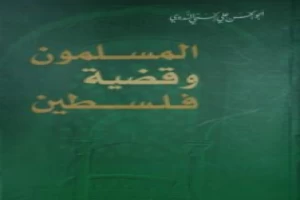
المسلمون وقضية فلسطين book pdf download

Auther : Abu Al-Hassan Al-Nadwi
Size of file : 37.0MB
Department : fields
book quality : Good
Section : Politics
Date of Coming : 2022-08-10
Language : Arabic
Number of Pages : 114

Author: Abu Al-Hassan Al-Nadwi

About the Author: Ali Abu Al-Hassan Bin Abdul Hai Bin Fakhr Al-Din Al-Hasani – His lineage ends with Abdullah Al-Ashtar Bin Muhammad Dhi Al-Nafs Al-Zakiya Bin Abdullah Al-Mahad Bin Al-Hassan Al-Muthanna Bin Al-Imam Al-Hassan the greatest grandson Bin Ali Ibn Abi Talib. Some of his grandfathers, Prince Sayyid Qutb al-Din Muhammad al-Madani (AD 677 AH), immigrated to India at the beginning of the seventh century AH. He was born in the village of Tekkeh in the district of Rai Bareilly – in the northern state – (Uttar Pardash) in India. He began learning the Holy Quran at home with the help of his mother, then he began to learn the Urdu and Persian languages. His father passed away in the year 1341 AH (1923 AD) when he was still less than ten years old. His virtuous mother, and his older brother, Dr. Abd al-Ali al-Hassani, who was also a medical student after graduating from Dar al-Ulum Nadwat al-Ulama and Dar al-Uloom Deoband, raised him. He started learning Arabic on Sheikh Khalil bin Muhammad Al-Ansari Al-Yamani in 1342 AH / 1924 AD and graduated from it. He also benefited – in studying the Arabic language and its literature – from his uncles Sheikh Aziz al-Rahman and Sheikh Muhammad Talha, and expanded on it and specialized in Professor Dr. Taqi al-Din al-Hilali when he presented his presentation in the Symposium of Scholars 1930 AD. He attended the celebration of the Scholars Symposium in Canfort in 1926 AD, and attracted the attention of the participants in the celebration with his Arabic words, and some Arab guests used him for his travels outside the venue of the ceremony. He joined the University of Lucknow in the Arabic department in 1927 – he was the youngest student at the university – and he obtained a certificate of Fadel of Literature in Arabic language and literature. He read – during the first days of studying the Arabic language – books considered to be at the top in the Urdu language and literature, which helped him to carry out the duty of advocacy, explain the correct Islamic idea, and convince the educated class of modern culture. He studied the English language between 1928 – 1930 AD, which enabled him to read books written – in English – on Islamic subjects, Western civilization, its history and development, and benefit from them directly. He joined the House of Science for the Symposium of Scholars in 1929 AD, and attended the lessons of the noble hadith of the scholar, the hadith educator Haider Hassan Khan – and he had studied the book of Jihad from Sahih Muslim on his sheikh Khalil al-Ansari – and he needed two whole years, so he read to him the two Sahihs, the Sunan Abi Dawood, and Sunan al-Tirmidhi letter by letter. Lessons in the interpretation of al-Baydawi also, and he read some books of jurisprudence to the sheikh, the jurist, the Mufti Shibli Al-Jiragpuri Al-Azami He received the interpretation of selected surahs from his Sheikh Khalil Al-Ansari, then he received lessons in interpretation from Sheikh Abdul Hai Al-Faruqi, and attended the lessons of Al-Baydawi by the modernist Haider Hassan Khan, and studied the interpretation of the entire Holy Qur’an – according to the special curriculum for graduates from Islamic schools – on the scholar Ahmed Ali Al-Lahori in Lahore In the year 1351 AH / 1932 AD. He resided with the Mujahid scholar Hussain Ahmad Al-Madani in 1932 in the Dar Al-Ulum Deoband for several months, and attended his lessons in Sahih Al-Bukhari and Sunan Al-Tirmidhi, and benefited from it in interpretation and the sciences of the Noble Qur’an as well. He also benefited from the scholarly jurist and writer Azaz Ali in jurisprudence, and from the reciter Sheikh Asghar Ali in Tajweed on the narration of Hafs. He died on Friday, Ramadan 23, 1420 AH corresponding to December 31, 1999. In the village of Tekke Klan in the Ra’i Barili District (Yobi), India Dr. Syed Abdul Majid Al-Ghouri has an extensive book in his biography entitled (Abu Al-Hasan Al-Nadawi, the Imam, the Thinker, the Preacher, the Educator, the Writer), which was printed several times in the House of Ibn Kathir in Damascus. He also wrote in his biography Dr. Muhammad Akram Al-Nadawi, Dr. Muhammad Ejtba Al-Nadawi, Sheikh Yusuf Al-Qaradawi and others.

المسلمون وقضية فلسطين book pdf download By Abu Al-Hassan Al-Nadwi

المسلمون وقضية فلسطين كتاب جميل يتحدث فيه مؤلفه الشيخ العلامة أبو الحسن الندوي عن المسلمين وموقفهم والمفترض عليهم تجاه قضية فلسطين. الكتاب في أصله محاضرات ومقالات ألقاها وكتبها الشيخ أبو الحسن الندوي، عناوين المحاضرات هي : التربية والأخلاق التي مهدت للتخاذل في فلسطين. العوامل الأساسية لكارثة فلسطين. كارثة العالم العربي وأسبابها الحقيقية. قارنوا بين الربح والخسارة يازعماء العرب. تعالوا نحاسب نفوسنا وقادتنا. نظامان إلهيان للغلبة والإنتصار. نداء إلى رجال الصحافة والإذاعة والكتاب والأدباء وقادة الفكر وزعماء الإصلاح في الأقطار العربية. إزالة أسباب الخذلان أهم وأقدم من إزالة أسباب العدوان. ارتباط قضية فلسطين بالوعي الإسلامي. العاقبة للعرب والمسلمين. يتضح من عناوين المقالات تركيز الشيخ على أشياء معينة يرى أنها السبب في محنة فلسطين فالتربية والأخلاق وكذلك قادة العرب ورجال الصحافة والإعلام هم من أهم الأسباب في ماوصل إليه الحال من تدهور وسوء.

Download PDF of المسلمون وقضية فلسطين book pdf download By Abu Al-Hassan Al-Nadwi
-Adrian Agency Library

Download Now

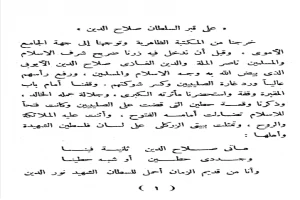
صلاح الدين الأيوبي البطل الناصر لدين الله book pdf download

Size of file : 0.99MB
Section : Politics
Language : Arabic
Department : fields
Number of Pages : 152
Auther : Abu Al-Hassan Al-Nadwi
book quality : Good
Date of Coming : 2022-08-10

Author: Abu Al-Hassan Al-Nadwi

About the Author: Ali Abu Al-Hassan Bin Abdul Hai Bin Fakhr Al-Din Al-Hasani – His lineage ends with Abdullah Al-Ashtar Bin Muhammad Dhi Al-Nafs Al-Zakiya Bin Abdullah Al-Mahad Bin Al-Hassan Al-Muthanna Bin Al-Imam Al-Hassan the greatest grandson Bin Ali Ibn Abi Talib. Some of his grandfathers, Prince Sayyid Qutb al-Din Muhammad al-Madani (AD 677 AH), immigrated to India at the beginning of the seventh century AH. He was born in the village of Tekkeh in the district of Rai Bareilly – in the northern state – (Uttar Pardash) in India. He began learning the Holy Quran at home with the help of his mother, then he began to learn the Urdu and Persian languages. His father passed away in the year 1341 AH (1923 AD) when he was still less than ten years old. His virtuous mother, and his older brother, Dr. Abd al-Ali al-Hassani, who was also a medical student after graduating from Dar al-Ulum Nadwat al-Ulama and Dar al-Uloom Deoband, raised him. He started learning Arabic on Sheikh Khalil bin Muhammad Al-Ansari Al-Yamani in 1342 AH / 1924 AD and graduated from it. He also benefited – in studying the Arabic language and its literature – from his uncles Sheikh Aziz al-Rahman and Sheikh Muhammad Talha, and expanded on it and specialized in Professor Dr. Taqi al-Din al-Hilali when he presented his presentation in the Symposium of Scholars 1930 AD. He attended the celebration of the Scholars Symposium in Canfort in 1926 AD, and attracted the attention of the participants in the celebration with his Arabic words, and some Arab guests used him for his travels outside the venue of the ceremony. He joined the University of Lucknow in the Arabic department in 1927 – he was the youngest student at the university – and he obtained a certificate of Fadel of Literature in Arabic language and literature. He read – during the first days of studying the Arabic language – books considered to be at the top in the Urdu language and literature, which helped him to carry out the duty of advocacy, explain the correct Islamic idea, and convince the educated class of modern culture. He studied the English language between 1928 – 1930 AD, which enabled him to read books written – in English – on Islamic subjects, Western civilization, its history and development, and benefit from them directly. He joined the House of Science for the Symposium of Scholars in 1929 AD, and attended the lessons of the noble hadith of the scholar, the hadith educator Haider Hassan Khan – and he had studied the book of Jihad from Sahih Muslim on his sheikh Khalil al-Ansari – and he needed two whole years, so he read to him the two Sahihs, the Sunan Abi Dawood, and Sunan al-Tirmidhi letter by letter. Lessons in the interpretation of al-Baydawi also, and he read some books of jurisprudence to the sheikh, the jurist, the Mufti Shibli Al-Jiragpuri Al-Azami He received the interpretation of selected surahs from his Sheikh Khalil Al-Ansari, then he received lessons in interpretation from Sheikh Abdul Hai Al-Faruqi, and attended the lessons of Al-Baydawi by the modernist Haider Hassan Khan, and studied the interpretation of the entire Holy Qur’an – according to the special curriculum for graduates from Islamic schools – on the scholar Ahmed Ali Al-Lahori in Lahore In the year 1351 AH / 1932 AD. He resided with the Mujahid scholar Hussain Ahmad Al-Madani in 1932 in the Dar Al-Ulum Deoband for several months, and attended his lessons in Sahih Al-Bukhari and Sunan Al-Tirmidhi, and benefited from it in interpretation and the sciences of the Noble Qur’an as well. He also benefited from the scholarly jurist and writer Azaz Ali in jurisprudence, and from the reciter Sheikh Asghar Ali in Tajweed on the narration of Hafs. He died on Friday, Ramadan 23, 1420 AH corresponding to December 31, 1999. In the village of Tekke Klan in the Ra’i Barili District (Yobi), India Dr. Syed Abdul Majid Al-Ghouri has an extensive book in his biography entitled (Abu Al-Hasan Al-Nadawi, the Imam, the Thinker, the Preacher, the Educator, the Writer), which was printed several times in the House of Ibn Kathir in Damascus. He also wrote in his biography Dr. Muhammad Akram Al-Nadawi, Dr. Muhammad Ejtba Al-Nadawi, Sheikh Yusuf Al-Qaradawi and others.

صلاح الدين الأيوبي البطل الناصر لدين الله book pdf download By Abu Al-Hassan Al-Nadwi

صلاح الدين الأيوبي البطل الناصر لدين الله pdf

Download PDF of صلاح الدين الأيوبي البطل الناصر لدين الله book pdf download By Abu Al-Hassan Al-Nadwi
-Adrian Agency Library
Download Now

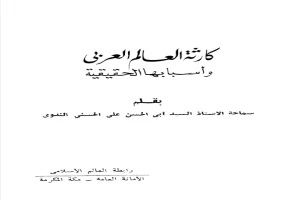
كارثة العالم العربي وأسبابها الحقيقية book pdf download

Auther : Abu Al-Hassan Al-Nadwi
Date of Coming : 2022-08-10
Size of file : 0.50MB
Language : Arabic
Number of Pages : 32
Section : Politics
book quality : Good
Department : fields

Author: Abu Al-Hassan Al-Nadwi

About the Author: Ali Abu Al-Hassan Bin Abdul Hai Bin Fakhr Al-Din Al-Hasani – His lineage ends with Abdullah Al-Ashtar Bin Muhammad Dhi Al-Nafs Al-Zakiya Bin Abdullah Al-Mahad Bin Al-Hassan Al-Muthanna Bin Al-Imam Al-Hassan the greatest grandson Bin Ali Ibn Abi Talib. Some of his grandfathers, Prince Sayyid Qutb al-Din Muhammad al-Madani (AD 677 AH), immigrated to India at the beginning of the seventh century AH. He was born in the village of Tekkeh in the district of Rai Bareilly – in the northern state – (Uttar Pardash) in India. He began learning the Holy Quran at home with the help of his mother, then he began to learn the Urdu and Persian languages. His father passed away in the year 1341 AH (1923 AD) when he was still less than ten years old. His virtuous mother, and his older brother, Dr. Abd al-Ali al-Hassani, who was also a medical student after graduating from Dar al-Ulum Nadwat al-Ulama and Dar al-Uloom Deoband, raised him. He started learning Arabic on Sheikh Khalil bin Muhammad Al-Ansari Al-Yamani in 1342 AH / 1924 AD and graduated from it. He also benefited – in studying the Arabic language and its literature – from his uncles Sheikh Aziz al-Rahman and Sheikh Muhammad Talha, and expanded on it and specialized in Professor Dr. Taqi al-Din al-Hilali when he presented his presentation in the Symposium of Scholars 1930 AD. He attended the celebration of the Scholars Symposium in Canfort in 1926 AD, and attracted the attention of the participants in the celebration with his Arabic words, and some Arab guests used him for his travels outside the venue of the ceremony. He joined the University of Lucknow in the Arabic department in 1927 – he was the youngest student at the university – and he obtained a certificate of Fadel of Literature in Arabic language and literature. He read – during the first days of studying the Arabic language – books considered to be at the top in the Urdu language and literature, which helped him to carry out the duty of advocacy, explain the correct Islamic idea, and convince the educated class of modern culture. He studied the English language between 1928 – 1930 AD, which enabled him to read books written – in English – on Islamic subjects, Western civilization, its history and development, and benefit from them directly. He joined the House of Science for the Symposium of Scholars in 1929 AD, and attended the lessons of the noble hadith of the scholar, the hadith educator Haider Hassan Khan – and he had studied the book of Jihad from Sahih Muslim on his sheikh Khalil al-Ansari – and he needed two whole years, so he read to him the two Sahihs, the Sunan Abi Dawood, and Sunan al-Tirmidhi letter by letter. Lessons in the interpretation of al-Baydawi also, and he read some books of jurisprudence to the sheikh, the jurist, the Mufti Shibli Al-Jiragpuri Al-Azami He received the interpretation of selected surahs from his Sheikh Khalil Al-Ansari, then he received lessons in interpretation from Sheikh Abdul Hai Al-Faruqi, and attended the lessons of Al-Baydawi by the modernist Haider Hassan Khan, and studied the interpretation of the entire Holy Qur’an – according to the special curriculum for graduates from Islamic schools – on the scholar Ahmed Ali Al-Lahori in Lahore In the year 1351 AH / 1932 AD. He resided with the Mujahid scholar Hussain Ahmad Al-Madani in 1932 in the Dar Al-Ulum Deoband for several months, and attended his lessons in Sahih Al-Bukhari and Sunan Al-Tirmidhi, and benefited from it in interpretation and the sciences of the Noble Qur’an as well. He also benefited from the scholarly jurist and writer Azaz Ali in jurisprudence, and from the reciter Sheikh Asghar Ali in Tajweed on the narration of Hafs. He died on Friday, Ramadan 23, 1420 AH corresponding to December 31, 1999. In the village of Tekke Klan in the Ra’i Barili District (Yobi), India Dr. Syed Abdul Majid Al-Ghouri has an extensive book in his biography entitled (Abu Al-Hasan Al-Nadawi, the Imam, the Thinker, the Preacher, the Educator, the Writer), which was printed several times in the House of Ibn Kathir in Damascus. He also wrote in his biography Dr. Muhammad Akram Al-Nadawi, Dr. Muhammad Ejtba Al-Nadawi, Sheikh Yusuf Al-Qaradawi and others.

كارثة العالم العربي وأسبابها الحقيقية book pdf download By Abu Al-Hassan Al-Nadwi

تحميل كتاب كارثة العالم العربي وأسبابها الحقيقية pdf

Download PDF of كارثة العالم العربي وأسبابها الحقيقية book pdf download By Abu Al-Hassan Al-Nadwi
-Adrian Agency Library

Download Now

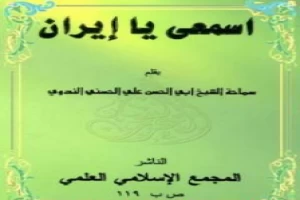
إسمعي يا إيران book pdf download

Auther : Abu Al-Hassan Al-Nadwi
Language : Arabic
Size of file : 0.64MB
Department : fields
book quality : Good
Date of Coming : 2022-08-10
Number of Pages : 65
Section : Politics

Author: Abu Al-Hassan Al-Nadwi

About the Author: Ali Abu Al-Hassan Bin Abdul Hai Bin Fakhr Al-Din Al-Hasani – His lineage ends with Abdullah Al-Ashtar Bin Muhammad Dhi Al-Nafs Al-Zakiya Bin Abdullah Al-Mahad Bin Al-Hassan Al-Muthanna Bin Al-Imam Al-Hassan the greatest grandson Bin Ali Ibn Abi Talib. Some of his grandfathers, Prince Sayyid Qutb al-Din Muhammad al-Madani (AD 677 AH), immigrated to India at the beginning of the seventh century AH. He was born in the village of Tekkeh in the district of Rai Bareilly – in the northern state – (Uttar Pardash) in India. He began learning the Holy Quran at home with the help of his mother, then he began to learn the Urdu and Persian languages. His father passed away in the year 1341 AH (1923 AD) when he was still less than ten years old. His virtuous mother, and his older brother, Dr. Abd al-Ali al-Hassani, who was also a medical student after graduating from Dar al-Ulum Nadwat al-Ulama and Dar al-Uloom Deoband, raised him. He started learning Arabic on Sheikh Khalil bin Muhammad Al-Ansari Al-Yamani in 1342 AH / 1924 AD and graduated from it. He also benefited – in studying the Arabic language and its literature – from his uncles Sheikh Aziz al-Rahman and Sheikh Muhammad Talha, and expanded on it and specialized in Professor Dr. Taqi al-Din al-Hilali when he presented his presentation in the Symposium of Scholars 1930 AD. He attended the celebration of the Scholars Symposium in Canfort in 1926 AD, and attracted the attention of the participants in the celebration with his Arabic words, and some Arab guests used him for his travels outside the venue of the ceremony. He joined the University of Lucknow in the Arabic department in 1927 – he was the youngest student at the university – and he obtained a certificate of Fadel of Literature in Arabic language and literature. He read – during the first days of studying the Arabic language – books considered to be at the top in the Urdu language and literature, which helped him to carry out the duty of advocacy, explain the correct Islamic idea, and convince the educated class of modern culture. He studied the English language between 1928 – 1930 AD, which enabled him to read books written – in English – on Islamic subjects, Western civilization, its history and development, and benefit from them directly. He joined the House of Science for the Symposium of Scholars in 1929 AD, and attended the lessons of the noble hadith of the scholar, the hadith educator Haider Hassan Khan – and he had studied the book of Jihad from Sahih Muslim on his sheikh Khalil al-Ansari – and he needed two whole years, so he read to him the two Sahihs, the Sunan Abi Dawood, and Sunan al-Tirmidhi letter by letter. Lessons in the interpretation of al-Baydawi also, and he read some books of jurisprudence to the sheikh, the jurist, the Mufti Shibli Al-Jiragpuri Al-Azami He received the interpretation of selected surahs from his Sheikh Khalil Al-Ansari, then he received lessons in interpretation from Sheikh Abdul Hai Al-Faruqi, and attended the lessons of Al-Baydawi by the modernist Haider Hassan Khan, and studied the interpretation of the entire Holy Qur’an – according to the special curriculum for graduates from Islamic schools – on the scholar Ahmed Ali Al-Lahori in Lahore In the year 1351 AH / 1932 AD. He resided with the Mujahid scholar Hussain Ahmad Al-Madani in 1932 in the Dar Al-Ulum Deoband for several months, and attended his lessons in Sahih Al-Bukhari and Sunan Al-Tirmidhi, and benefited from it in interpretation and the sciences of the Noble Qur’an as well. He also benefited from the scholarly jurist and writer Azaz Ali in jurisprudence, and from the reciter Sheikh Asghar Ali in Tajweed on the narration of Hafs. He died on Friday, Ramadan 23, 1420 AH corresponding to December 31, 1999. In the village of Tekke Klan in the Ra’i Barili District (Yobi), India Dr. Syed Abdul Majid Al-Ghouri has an extensive book in his biography entitled (Abu Al-Hasan Al-Nadawi, the Imam, the Thinker, the Preacher, the Educator, the Writer), which was printed several times in the House of Ibn Kathir in Damascus. He also wrote in his biography Dr. Muhammad Akram Al-Nadawi, Dr. Muhammad Ejtba Al-Nadawi, Sheikh Yusuf Al-Qaradawi and others.

إسمعي يا إيران book pdf download By Abu Al-Hassan Al-Nadwi

المؤلف: أبو الحسن علي الحسني الندوي الناشر: المجمع الاسلامى العلمى

Download PDF of إسمعي يا إيران book pdf download By Abu Al-Hassan Al-Nadwi
-Adrian Agency Library
Download Now

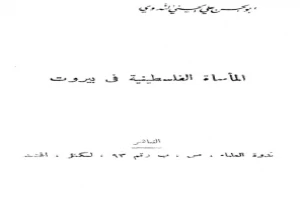
المأساة الفلسطينية في بيروت book pdf download

Number of Pages : 21
Auther : Abu Al-Hassan Al-Nadwi
book quality : Good
Size of file : 2.17MB
Date of Coming : 2022-08-10
Language : Arabic
Department : fields
Section : Politics

Author: Abu Al-Hassan Al-Nadwi

About the Author: Ali Abu Al-Hassan Bin Abdul Hai Bin Fakhr Al-Din Al-Hasani – His lineage ends with Abdullah Al-Ashtar Bin Muhammad Dhi Al-Nafs Al-Zakiya Bin Abdullah Al-Mahad Bin Al-Hassan Al-Muthanna Bin Al-Imam Al-Hassan the greatest grandson Bin Ali Ibn Abi Talib. Some of his grandfathers, Prince Sayyid Qutb al-Din Muhammad al-Madani (AD 677 AH), immigrated to India at the beginning of the seventh century AH. He was born in the village of Tekkeh in the district of Rai Bareilly – in the northern state – (Uttar Pardash) in India. He began learning the Holy Quran at home with the help of his mother, then he began to learn the Urdu and Persian languages. His father passed away in the year 1341 AH (1923 AD) when he was still less than ten years old. His virtuous mother, and his older brother, Dr. Abd al-Ali al-Hassani, who was also a medical student after graduating from Dar al-Ulum Nadwat al-Ulama and Dar al-Uloom Deoband, raised him. He started learning Arabic on Sheikh Khalil bin Muhammad Al-Ansari Al-Yamani in 1342 AH / 1924 AD and graduated from it. He also benefited – in studying the Arabic language and its literature – from his uncles Sheikh Aziz al-Rahman and Sheikh Muhammad Talha, and expanded on it and specialized in Professor Dr. Taqi al-Din al-Hilali when he presented his presentation in the Symposium of Scholars 1930 AD. He attended the celebration of the Scholars Symposium in Canfort in 1926 AD, and attracted the attention of the participants in the celebration with his Arabic words, and some Arab guests used him for his travels outside the venue of the ceremony. He joined the University of Lucknow in the Arabic department in 1927 – he was the youngest student at the university – and he obtained a certificate of Fadel of Literature in Arabic language and literature. He read – during the first days of studying the Arabic language – books considered to be at the top in the Urdu language and literature, which helped him to carry out the duty of advocacy, explain the correct Islamic idea, and convince the educated class of modern culture. He studied the English language between 1928 – 1930 AD, which enabled him to read books written – in English – on Islamic subjects, Western civilization, its history and development, and benefit from them directly. He joined the House of Science for the Symposium of Scholars in 1929 AD, and attended the lessons of the noble hadith of the scholar, the hadith educator Haider Hassan Khan – and he had studied the book of Jihad from Sahih Muslim on his sheikh Khalil al-Ansari – and he needed two whole years, so he read to him the two Sahihs, the Sunan Abi Dawood, and Sunan al-Tirmidhi letter by letter. Lessons in the interpretation of al-Baydawi also, and he read some books of jurisprudence to the sheikh, the jurist, the Mufti Shibli Al-Jiragpuri Al-Azami He received the interpretation of selected surahs from his Sheikh Khalil Al-Ansari, then he received lessons in interpretation from Sheikh Abdul Hai Al-Faruqi, and attended the lessons of Al-Baydawi by the modernist Haider Hassan Khan, and studied the interpretation of the entire Holy Qur’an – according to the special curriculum for graduates from Islamic schools – on the scholar Ahmed Ali Al-Lahori in Lahore In the year 1351 AH / 1932 AD. He resided with the Mujahid scholar Hussain Ahmad Al-Madani in 1932 in the Dar Al-Ulum Deoband for several months, and attended his lessons in Sahih Al-Bukhari and Sunan Al-Tirmidhi, and benefited from it in interpretation and the sciences of the Noble Qur’an as well. He also benefited from the scholarly jurist and writer Azaz Ali in jurisprudence, and from the reciter Sheikh Asghar Ali in Tajweed on the narration of Hafs. He died on Friday, Ramadan 23, 1420 AH corresponding to December 31, 1999. In the village of Tekke Klan in the Ra’i Barili District (Yobi), India Dr. Syed Abdul Majid Al-Ghouri has an extensive book in his biography entitled (Abu Al-Hasan Al-Nadawi, the Imam, the Thinker, the Preacher, the Educator, the Writer), which was printed several times in the House of Ibn Kathir in Damascus. He also wrote in his biography Dr. Muhammad Akram Al-Nadawi, Dr. Muhammad Ejtba Al-Nadawi, Sheikh Yusuf Al-Qaradawi and others.

المأساة الفلسطينية في بيروت book pdf download By Abu Al-Hassan Al-Nadwi

تحميل كتاب المأساة الفلسطينية في بيروت pdf

Download PDF of المأساة الفلسطينية في بيروت book pdf download By Abu Al-Hassan Al-Nadwi
-Adrian Agency Library

Download Now

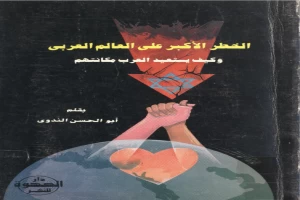
الخطر الأكبر على العالم العربى وكيف يستعيد العرب مكانتهم book pdf download

Language : Arabic
Auther : Abu Al-Hassan Al-Nadwi
Section : Politics
Number of Pages : 84
Department : fields
Size of file : 1.99MB
Date of Coming : 2022-08-10
book quality : Good

Author: Abu Al-Hassan Al-Nadwi

About the Author: Ali Abu Al-Hassan Bin Abdul Hai Bin Fakhr Al-Din Al-Hasani – His lineage ends with Abdullah Al-Ashtar Bin Muhammad Dhi Al-Nafs Al-Zakiya Bin Abdullah Al-Mahad Bin Al-Hassan Al-Muthanna Bin Al-Imam Al-Hassan the greatest grandson Bin Ali Ibn Abi Talib. Some of his grandfathers, Prince Sayyid Qutb al-Din Muhammad al-Madani (AD 677 AH), immigrated to India at the beginning of the seventh century AH. He was born in the village of Tekkeh in the district of Rai Bareilly – in the northern state – (Uttar Pardash) in India. He began learning the Holy Quran at home with the help of his mother, then he began to learn the Urdu and Persian languages. His father passed away in the year 1341 AH (1923 AD) when he was still less than ten years old. His virtuous mother, and his older brother, Dr. Abd al-Ali al-Hassani, who was also a medical student after graduating from Dar al-Ulum Nadwat al-Ulama and Dar al-Uloom Deoband, raised him. He started learning Arabic on Sheikh Khalil bin Muhammad Al-Ansari Al-Yamani in 1342 AH / 1924 AD and graduated from it. He also benefited – in studying the Arabic language and its literature – from his uncles Sheikh Aziz al-Rahman and Sheikh Muhammad Talha, and expanded on it and specialized in Professor Dr. Taqi al-Din al-Hilali when he presented his presentation in the Symposium of Scholars 1930 AD. He attended the celebration of the Scholars Symposium in Canfort in 1926 AD, and attracted the attention of the participants in the celebration with his Arabic words, and some Arab guests used him for his travels outside the venue of the ceremony. He joined the University of Lucknow in the Arabic department in 1927 – he was the youngest student at the university – and he obtained a certificate of Fadel of Literature in Arabic language and literature. He read – during the first days of studying the Arabic language – books considered to be at the top in the Urdu language and literature, which helped him to carry out the duty of advocacy, explain the correct Islamic idea, and convince the educated class of modern culture. He studied the English language between 1928 – 1930 AD, which enabled him to read books written – in English – on Islamic subjects, Western civilization, its history and development, and benefit from them directly. He joined the House of Science for the Symposium of Scholars in 1929 AD, and attended the lessons of the noble hadith of the scholar, the hadith educator Haider Hassan Khan – and he had studied the book of Jihad from Sahih Muslim on his sheikh Khalil al-Ansari – and he needed two whole years, so he read to him the two Sahihs, the Sunan Abi Dawood, and Sunan al-Tirmidhi letter by letter. Lessons in the interpretation of al-Baydawi also, and he read some books of jurisprudence to the sheikh, the jurist, the Mufti Shibli Al-Jiragpuri Al-Azami He received the interpretation of selected surahs from his Sheikh Khalil Al-Ansari, then he received lessons in interpretation from Sheikh Abdul Hai Al-Faruqi, and attended the lessons of Al-Baydawi by the modernist Haider Hassan Khan, and studied the interpretation of the entire Holy Qur’an – according to the special curriculum for graduates from Islamic schools – on the scholar Ahmed Ali Al-Lahori in Lahore In the year 1351 AH / 1932 AD. He resided with the Mujahid scholar Hussain Ahmad Al-Madani in 1932 in the Dar Al-Ulum Deoband for several months, and attended his lessons in Sahih Al-Bukhari and Sunan Al-Tirmidhi, and benefited from it in interpretation and the sciences of the Noble Qur’an as well. He also benefited from the scholarly jurist and writer Azaz Ali in jurisprudence, and from the reciter Sheikh Asghar Ali in Tajweed on the narration of Hafs. He died on Friday, Ramadan 23, 1420 AH corresponding to December 31, 1999. In the village of Tekke Klan in the Ra’i Barili District (Yobi), India Dr. Syed Abdul Majid Al-Ghouri has an extensive book in his biography entitled (Abu Al-Hasan Al-Nadawi, the Imam, the Thinker, the Preacher, the Educator, the Writer), which was printed several times in the House of Ibn Kathir in Damascus. He also wrote in his biography Dr. Muhammad Akram Al-Nadawi, Dr. Muhammad Ejtba Al-Nadawi, Sheikh Yusuf Al-Qaradawi and others.

الخطر الأكبر على العالم العربى وكيف يستعيد العرب مكانتهم book pdf download By Abu Al-Hassan Al-Nadwi

تحميل كتاب الخطر الأكبر على العالم العربى وكيف يستعيد العرب مكانتهم pdf

Download PDF of الخطر الأكبر على العالم العربى وكيف يستعيد العرب مكانتهم book pdf download By Abu Al-Hassan Al-Nadwi
-Adrian Agency Library
Download Now

بين العالم وجزيرة العرب book pdf download

Section : Politics
Date of Coming : 2022-08-10
Auther : Abu Al-Hassan Al-Nadwi
Language : Arabic
Size of file : 0.31MB
Department : fields
Number of Pages : 54
book quality : Good

Author: Abu Al-Hassan Al-Nadwi

About the Author: Ali Abu Al-Hassan Bin Abdul Hai Bin Fakhr Al-Din Al-Hasani – His lineage ends with Abdullah Al-Ashtar Bin Muhammad Dhi Al-Nafs Al-Zakiya Bin Abdullah Al-Mahad Bin Al-Hassan Al-Muthanna Bin Al-Imam Al-Hassan the greatest grandson Bin Ali Ibn Abi Talib. Some of his grandfathers, Prince Sayyid Qutb al-Din Muhammad al-Madani (AD 677 AH), immigrated to India at the beginning of the seventh century AH. He was born in the village of Tekkeh in the district of Rai Bareilly – in the northern state – (Uttar Pardash) in India. He began learning the Holy Quran at home with the help of his mother, then he began to learn the Urdu and Persian languages. His father passed away in the year 1341 AH (1923 AD) when he was still less than ten years old. His virtuous mother, and his older brother, Dr. Abd al-Ali al-Hassani, who was also a medical student after graduating from Dar al-Ulum Nadwat al-Ulama and Dar al-Uloom Deoband, raised him. He started learning Arabic on Sheikh Khalil bin Muhammad Al-Ansari Al-Yamani in 1342 AH / 1924 AD and graduated from it. He also benefited – in studying the Arabic language and its literature – from his uncles Sheikh Aziz al-Rahman and Sheikh Muhammad Talha, and expanded on it and specialized in Professor Dr. Taqi al-Din al-Hilali when he presented his presentation in the Symposium of Scholars 1930 AD. He attended the celebration of the Scholars Symposium in Canfort in 1926 AD, and attracted the attention of the participants in the celebration with his Arabic words, and some Arab guests used him for his travels outside the venue of the ceremony. He joined the University of Lucknow in the Arabic department in 1927 – he was the youngest student at the university – and he obtained a certificate of Fadel of Literature in Arabic language and literature. He read – during the first days of studying the Arabic language – books considered to be at the top in the Urdu language and literature, which helped him to carry out the duty of advocacy, explain the correct Islamic idea, and convince the educated class of modern culture. He studied the English language between 1928 – 1930 AD, which enabled him to read books written – in English – on Islamic subjects, Western civilization, its history and development, and benefit from them directly. He joined the House of Science for the Symposium of Scholars in 1929 AD, and attended the lessons of the noble hadith of the scholar, the hadith educator Haider Hassan Khan – and he had studied the book of Jihad from Sahih Muslim on his sheikh Khalil al-Ansari – and he needed two whole years, so he read to him the two Sahihs, the Sunan Abi Dawood, and Sunan al-Tirmidhi letter by letter. Lessons in the interpretation of al-Baydawi also, and he read some books of jurisprudence to the sheikh, the jurist, the Mufti Shibli Al-Jiragpuri Al-Azami He received the interpretation of selected surahs from his Sheikh Khalil Al-Ansari, then he received lessons in interpretation from Sheikh Abdul Hai Al-Faruqi, and attended the lessons of Al-Baydawi by the modernist Haider Hassan Khan, and studied the interpretation of the entire Holy Qur’an – according to the special curriculum for graduates from Islamic schools – on the scholar Ahmed Ali Al-Lahori in Lahore In the year 1351 AH / 1932 AD. He resided with the Mujahid scholar Hussain Ahmad Al-Madani in 1932 in the Dar Al-Ulum Deoband for several months, and attended his lessons in Sahih Al-Bukhari and Sunan Al-Tirmidhi, and benefited from it in interpretation and the sciences of the Noble Qur’an as well. He also benefited from the scholarly jurist and writer Azaz Ali in jurisprudence, and from the reciter Sheikh Asghar Ali in Tajweed on the narration of Hafs. He died on Friday, Ramadan 23, 1420 AH corresponding to December 31, 1999. In the village of Tekke Klan in the Ra’i Barili District (Yobi), India Dr. Syed Abdul Majid Al-Ghouri has an extensive book in his biography entitled (Abu Al-Hasan Al-Nadawi, the Imam, the Thinker, the Preacher, the Educator, the Writer), which was printed several times in the House of Ibn Kathir in Damascus. He also wrote in his biography Dr. Muhammad Akram Al-Nadawi, Dr. Muhammad Ejtba Al-Nadawi, Sheikh Yusuf Al-Qaradawi and others.

بين العالم وجزيرة العرب book pdf download By Abu Al-Hassan Al-Nadwi

تحميل كتاب بين العالم وجزيرة العرب pdf

Download PDF of بين العالم وجزيرة العرب book pdf download By Abu Al-Hassan Al-Nadwi
-Adrian Agency Library

Download Now

اسمعي يا مصر book pdf download

Number of Pages : 33
Section : Politics
book quality : Good
Language : Arabic
Department : fields
Size of file : 0.98MB
Date of Coming : 2022-08-10
Auther : Abu Al-Hassan Al-Nadwi

Author: Abu Al-Hassan Al-Nadwi

About the Author: Ali Abu Al-Hassan Bin Abdul Hai Bin Fakhr Al-Din Al-Hasani – His lineage ends with Abdullah Al-Ashtar Bin Muhammad Dhi Al-Nafs Al-Zakiya Bin Abdullah Al-Mahad Bin Al-Hassan Al-Muthanna Bin Al-Imam Al-Hassan the greatest grandson Bin Ali Ibn Abi Talib. Some of his grandfathers, Prince Sayyid Qutb al-Din Muhammad al-Madani (AD 677 AH), immigrated to India at the beginning of the seventh century AH. He was born in the village of Tekkeh in the district of Rai Bareilly – in the northern state – (Uttar Pardash) in India. He began learning the Holy Quran at home with the help of his mother, then he began to learn the Urdu and Persian languages. His father passed away in the year 1341 AH (1923 AD) when he was still less than ten years old. His virtuous mother, and his older brother, Dr. Abd al-Ali al-Hassani, who was also a medical student after graduating from Dar al-Ulum Nadwat al-Ulama and Dar al-Uloom Deoband, raised him. He started learning Arabic on Sheikh Khalil bin Muhammad Al-Ansari Al-Yamani in 1342 AH / 1924 AD and graduated from it. He also benefited – in studying the Arabic language and its literature – from his uncles Sheikh Aziz al-Rahman and Sheikh Muhammad Talha, and expanded on it and specialized in Professor Dr. Taqi al-Din al-Hilali when he presented his presentation in the Symposium of Scholars 1930 AD. He attended the celebration of the Scholars Symposium in Canfort in 1926 AD, and attracted the attention of the participants in the celebration with his Arabic words, and some Arab guests used him for his travels outside the venue of the ceremony. He joined the University of Lucknow in the Arabic department in 1927 – he was the youngest student at the university – and he obtained a certificate of Fadel of Literature in Arabic language and literature. He read – during the first days of studying the Arabic language – books considered to be at the top in the Urdu language and literature, which helped him to carry out the duty of advocacy, explain the correct Islamic idea, and convince the educated class of modern culture. He studied the English language between 1928 – 1930 AD, which enabled him to read books written – in English – on Islamic subjects, Western civilization, its history and development, and benefit from them directly. He joined the House of Science for the Symposium of Scholars in 1929 AD, and attended the lessons of the noble hadith of the scholar, the hadith educator Haider Hassan Khan – and he had studied the book of Jihad from Sahih Muslim on his sheikh Khalil al-Ansari – and he needed two whole years, so he read to him the two Sahihs, the Sunan Abi Dawood, and Sunan al-Tirmidhi letter by letter. Lessons in the interpretation of al-Baydawi also, and he read some books of jurisprudence to the sheikh, the jurist, the Mufti Shibli Al-Jiragpuri Al-Azami He received the interpretation of selected surahs from his Sheikh Khalil Al-Ansari, then he received lessons in interpretation from Sheikh Abdul Hai Al-Faruqi, and attended the lessons of Al-Baydawi by the modernist Haider Hassan Khan, and studied the interpretation of the entire Holy Qur’an – according to the special curriculum for graduates from Islamic schools – on the scholar Ahmed Ali Al-Lahori in Lahore In the year 1351 AH / 1932 AD. He resided with the Mujahid scholar Hussain Ahmad Al-Madani in 1932 in the Dar Al-Ulum Deoband for several months, and attended his lessons in Sahih Al-Bukhari and Sunan Al-Tirmidhi, and benefited from it in interpretation and the sciences of the Noble Qur’an as well. He also benefited from the scholarly jurist and writer Azaz Ali in jurisprudence, and from the reciter Sheikh Asghar Ali in Tajweed on the narration of Hafs. He died on Friday, Ramadan 23, 1420 AH corresponding to December 31, 1999. In the village of Tekke Klan in the Ra’i Barili District (Yobi), India Dr. Syed Abdul Majid Al-Ghouri has an extensive book in his biography entitled (Abu Al-Hasan Al-Nadawi, the Imam, the Thinker, the Preacher, the Educator, the Writer), which was printed several times in the House of Ibn Kathir in Damascus. He also wrote in his biography Dr. Muhammad Akram Al-Nadawi, Dr. Muhammad Ejtba Al-Nadawi, Sheikh Yusuf Al-Qaradawi and others.

اسمعي يا مصر book pdf download By Abu Al-Hassan Al-Nadwi

تحميل كتاب اسمعي يا مصر pdf

Download PDF of اسمعي يا مصر book pdf download By Abu Al-Hassan Al-Nadwi
-Adrian Agency Library
Download Now

المقالات المحظورة book pdf download

Department : fields
Number of Pages : 332
Auther : Fahmy Howeidi
Language : Arabic
Date of Coming : 2022-08-10
book quality : Good
Section : Politics
Size of file : 10.1MB

Author: Fahmy Howeidi

About the Author: He graduated from the Faculty of Law at Cairo University in 1960, and joined the research department of the Cairo newspaper Al-Ahram since 1958, where he spent 18 years during which he was included in the workplace until he became the editor-in-chief of the newspaper. Since 1976, he joined the family of the Kuwaiti Al-Arabi magazine and became its editor-in-chief. For years, he specialized in dealing with Islamic affairs, where he participated in most Islamic dialogue seminars and conferences, and made field visits to various countries of the Islamic world in Asia and Africa, and introduced them to the series of surveys of Al-Araby magazine. He was greatly influenced by the thought of Sheikh Muhammad Al-Ghazali, may God have mercy on him. He devoted most of his efforts to addressing the problems of Islamic and Arab thought in our contemporary reality, calling for the rationalization of religious discourse, and keeping pace with the ABCs of the times. His strong linguistic skill and grandiose establishment qualified him with distinction to be one of the most prominent Arab writers and contemporary Islamic thinkers. The predominance of intellectual concerns did not prevent him from paying attention to internal Egyptian issues, as he took great care in his articles on issues of political and social reform in Egypt, and even dedicated a number of his books to them. He also paid special attention to the Palestinian cause, like most Arab writers. Most of his recent books. It is noteworthy that Mr. Howeidi originally belonged to a Brotherhood family, but he separated organizationally from the Brotherhood since he was young, and was arrested during the days of the late President Gamal Abdel Nasser for two years, and he was then seventeen years old, and he says that this experience affected his life a lot. His books include: Iran from the Inside – 1988. The Crisis of Religious Awareness – 1988. Disgraced Citizens – 1990. So that there is no sedition – 1992. Islam and democracy – 1993. Inferior religiosity – 1994. The slanderers: the discourse of secular extremism in the balance – 1996. Fulfilling the Truth – 1998. Banned Articles – 1998. Egypt Wants a Solution – 1998. Falsifying Consciousness – 1999. Taliban: God’s Soldiers in the Wrong Battle – 2001. On Corruption and its Years – 2006. Our Horses That Don’t Harvest – 2007.

المقالات المحظورة book pdf download By Fahmy Howeidi

لأول وهلة حين يسمع المرء عبارة ” مقالة محظورة ” ، فقد يخطر على باله أنها من ذلك النوع الساخن والناري ، الذي يخترق الخطوط الحمراء ، ويصوب السهام نحو السياسات والمقامات العليا . وإذا ما أقبل أي قارئ على الكتاب بهذه النزعة ، فإنه سيصاب بخيبة أمل كبيرة لا ريب . أولا لأنني لست من أهل الكتابات النارية ، المهيجة أو التحريضية ، ولو حاولت أن أباشر ذلك النوع من الكتابة لفشلت ، لاقتناعي بأن كل امرئ خلق لما هو ميسر له . أما السبب الثاني فهو أنني كنت حريصا دائما على احترام الخطوط الحمراء ومراعاة السقوف ، في حدود إدراكي لها على الأقل . وظللت وما زلت أسعى لعدم تجاوز تلك الخطوط وعدم التصادم مع السقوف . وكان ظني في كل مرة أنني أتحرك في حدود الهوامش المتاحة ، برغم أنني لا أنكر أنني لم أتردد في كتابات عدة في الوصول إلى ” خطوط التماس ” ، مستثمرا الحدود القصوى لتلك الهوامش . وفي حالات استثنائية، حين كان يلوح أن الموضوع كله وقع داخل الخط الأحمر ، وكنت أرجح أن المقال لن ينشر بنسبة 99% ، فإنني كنت أراهن على الواحد في المائة ، وأجازف بكتابته لكي أسجل موقفي المتواضع ، وإرضاء لضميري ككاتب يعلم أن الله سبحانه وتعالى سيحاسبه يوم القيام على كل ما خطت يداه.

Download PDF of المقالات المحظورة book pdf download By Fahmy Howeidi
-Adrian Agency Library

Download Now

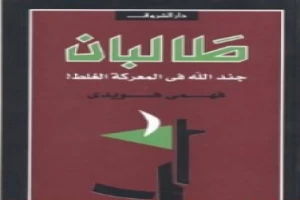
طالبان – جند الله في المعركة الغلط book pdf download

Language : Arabic
Date of Coming : 2022-08-10
Size of file : 6.08MB
Auther : Fahmy Howeidi
Section : Politics
Number of Pages : 192
Department : fields
book quality : Good

Author: Fahmy Howeidi

About the Author: He graduated from the Faculty of Law at Cairo University in 1960, and joined the research department of the Cairo newspaper Al-Ahram since 1958, where he spent 18 years during which he was included in the workplace until he became the editor-in-chief of the newspaper. Since 1976, he joined the family of the Kuwaiti Al-Arabi magazine and became its editor-in-chief. For years, he specialized in dealing with Islamic affairs, where he participated in most Islamic dialogue seminars and conferences, and made field visits to various countries of the Islamic world in Asia and Africa, and introduced them to the series of surveys of Al-Araby magazine. He was greatly influenced by the thought of Sheikh Muhammad Al-Ghazali, may God have mercy on him. He devoted most of his efforts to addressing the problems of Islamic and Arab thought in our contemporary reality, calling for the rationalization of religious discourse, and keeping pace with the ABCs of the times. His strong linguistic skill and grandiose establishment qualified him with distinction to be one of the most prominent Arab writers and contemporary Islamic thinkers. The predominance of intellectual concerns did not prevent him from paying attention to internal Egyptian issues, as he took great care in his articles on issues of political and social reform in Egypt, and even dedicated a number of his books to them. He also paid special attention to the Palestinian cause, like most Arab writers. Most of his recent books. It is noteworthy that Mr. Howeidi originally belonged to a Brotherhood family, but he separated organizationally from the Brotherhood since he was young, and was arrested during the days of the late President Gamal Abdel Nasser for two years, and he was then seventeen years old, and he says that this experience affected his life a lot. His books include: Iran from the Inside – 1988. The Crisis of Religious Awareness – 1988. Disgraced Citizens – 1990. So that there is no sedition – 1992. Islam and democracy – 1993. Inferior religiosity – 1994. The slanderers: the discourse of secular extremism in the balance – 1996. Fulfilling the Truth – 1998. Banned Articles – 1998. Egypt Wants a Solution – 1998. Falsifying Consciousness – 1999. Taliban: God’s Soldiers in the Wrong Battle – 2001. On Corruption and its Years – 2006. Our Horses That Don’t Harvest – 2007.

طالبان – جند الله في المعركة الغلط book pdf download By Fahmy Howeidi

يعتبر الكتاب إطلاله على أحوال أفغانستان وحركة طالبان وما تفعله الحركة داخل أفغانستان وما ترتب على أفعال هذه الحركة على الأمة الإسلامية فى كل مكان والدور الذي تلعبه الحركة فى الدفاع عن الإسلام وما ترتب عليه من تشويه صورة المسلمين والإسلام

Download PDF of طالبان – جند الله في المعركة الغلط book pdf download By Fahmy Howeidi
-Adrian Agency Library

Download Now