Critique de la Faculte de Juger book pdf download

Language : French
Section : Philosophy and logic
Date of Coming : 2022-08-10
Number of Pages : 539
Size of file : 8.34MB
Department : Social sciences
book quality : Good
Auther : immanuel kant

Author: immanuel kant

About the Author: Immanuel Kant was an eighteenth-century German philosopher (1724-1804). He lived his whole life in the city of Königsberg in the Kingdom of Prussia. He was the last influential philosopher in modern European culture. And one of the most important philosophers who wrote on classical epistemology. Immanuel Kant was the last of the Enlightenment philosophers, which began with British thinkers John Locke, George Berkeley, and David Hume.
Immanuel Kant put forward a new perspective in philosophy that influenced and continues to influence European philosophy until now, meaning that his influence extended from the eighteenth century until the twenty-first century. He published important and fundamental works on epistemology and other works on religion and on law and history.
The most famous of his works is his book Critique of Abstract Reason, which he published in 1781 when he was about sixty years old. In this book, Kant explores the limitations and structure of the human mind itself. In this book he attacks traditional metaphysics and classical epistemology. And the most beautiful and creative contributions were in this area in particular. Then he published other major works in his old age, including his book Critique of Practical Reason, in which he examined the aspect of morality and the human conscience, and his book, Critique of Judgment, in which he investigated the philosophy of beauty and teleology.

Critique de la Faculte de Juger book pdf download By immanuel kant

Longtemps sous-évalué dans la tradition exégétique, la Critique de la faculté de juger (1790) réapparaît aujourd hui, au fil du libre dialogue entretenu avec elle par une série de philosophes contemporains, pour ce qu elle est vraiment : le couronnement du criticisme en même temps que l un des plus profonds ouvrages auxquels la réflexion philosophique a donné naissance. En organisant sa réflexion autour de trois axes (la finalité de la nature, l expérience esthétique, les individualités biologiques), Kant affrontait le problème de l irrationnel qui, à travers le défi lancé aux Lumières par Jacobi, faisait vaciller la toute-puissance de la raison. Cette traduction, qui invite à relire la Critique de la faculté de juger à partir de sa première introduction, laissée inédite par Kant, montre que consolider la rationalité, c était aussi sauver l unité de la philosophie par la mise en évidence de l articulation entre raison théorique et raison pratique. Véritable lieu de la politique kantienne selon Hannah Arendt, émergence d une pensée de la communication selon Jürgen Habermas ou Karl Otto Appel, la dernière des trois Critiques constituait ainsi, surtout, la réponse la plus subtile de la modernité à l antirationalisme naissant. Traduction, présentation, notes, chronologie, bibliographie et index par Alain Renaut

Download PDF of Critique de la Faculte de Juger book pdf download By immanuel kant
-Adrian Agency Library

Download Now

Qu’est-ce qu’un livre book pdf download

Number of Pages : 87
book quality : Good
Size of file : 0.56MB
Auther : immanuel kant
Date of Coming : 2022-08-10
Department : Social sciences
Section : Philosophy and logic
Language : French

Author: immanuel kant

About the Author: Immanuel Kant was an eighteenth-century German philosopher (1724-1804). He lived his whole life in the city of Königsberg in the Kingdom of Prussia. He was the last influential philosopher in modern European culture. And one of the most important philosophers who wrote on classical epistemology. Immanuel Kant was the last of the Enlightenment philosophers, which began with British thinkers John Locke, George Berkeley, and David Hume.
Immanuel Kant put forward a new perspective in philosophy that influenced and continues to influence European philosophy until now, meaning that his influence extended from the eighteenth century until the twenty-first century. He published important and fundamental works on epistemology and other works on religion and on law and history.
The most famous of his works is his book Critique of Abstract Reason, which he published in 1781 when he was about sixty years old. In this book, Kant explores the limitations and structure of the human mind itself. In this book he attacks traditional metaphysics and classical epistemology. And the most beautiful and creative contributions were in this area in particular. Then he published other major works in his old age, including his book Critique of Practical Reason, in which he examined the aspect of morality and the human conscience, and his book, Critique of Judgment, in which he investigated the philosophy of beauty and teleology.

Qu’est-ce qu’un livre book pdf download By immanuel kant

Immanuel Kant : C’est un philosophe allemand, l’un des pionniers influents de la philosophie dans l’Europe moderne et la personne la plus célèbre qui a enseigné la philosophie à l’Université de Königsberg.

Download PDF of Qu’est-ce qu’un livre book pdf download By immanuel kant
-Adrian Agency Library
Download Now

Crítica de la facultad de juzgar book pdf download

Section : Philosophy and logic
Auther : immanuel kant
Number of Pages : 494
Date of Coming : 2022-08-10
Language : Spanish
Size of file : 7.52MB
Department : Social sciences
book quality : Good

Author: immanuel kant

About the Author: Immanuel Kant was an eighteenth-century German philosopher (1724-1804). He lived his whole life in the city of Königsberg in the Kingdom of Prussia. He was the last influential philosopher in modern European culture. And one of the most important philosophers who wrote on classical epistemology. Immanuel Kant was the last of the Enlightenment philosophers, which began with British thinkers John Locke, George Berkeley, and David Hume.
Immanuel Kant put forward a new perspective in philosophy that influenced and continues to influence European philosophy until now, meaning that his influence extended from the eighteenth century until the twenty-first century. He published important and fundamental works on epistemology and other works on religion and on law and history.
The most famous of his works is his book Critique of Abstract Reason, which he published in 1781 when he was about sixty years old. In this book, Kant explores the limitations and structure of the human mind itself. In this book he attacks traditional metaphysics and classical epistemology. And the most beautiful and creative contributions were in this area in particular. Then he published other major works in his old age, including his book Critique of Practical Reason, in which he examined the aspect of morality and the human conscience, and his book, Critique of Judgment, in which he investigated the philosophy of beauty and teleology.

Crítica de la facultad de juzgar book pdf download By immanuel kant

LA CRITICA DE LA FACULTAD DE JUZGAR (CFJ) es la tercera parte fundamental del proyecto de transformación de la filosofía que emprendió lmmanuel Kant. Tales partes, o fases.fueron expuestas al examen público entre 1781y1790. La última data corresponde a la primera edición de la obra presente.

Download PDF of Crítica de la facultad de juzgar book pdf download By immanuel kant
-Adrian Agency Library

Download Now

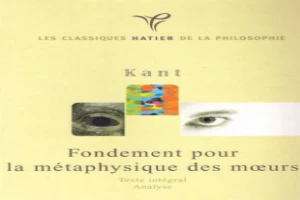
Fondements de la métaphysique des moeurs book pdf download

Department : Social sciences
Date of Coming : 2022-08-10
Number of Pages : 192
Section : Philosophy and logic
Auther : immanuel kant
book quality : Good
Size of file : 4.42MB
Language : French

Author: immanuel kant

About the Author: Immanuel Kant was an eighteenth-century German philosopher (1724-1804). He lived his whole life in the city of Königsberg in the Kingdom of Prussia. He was the last influential philosopher in modern European culture. And one of the most important philosophers who wrote on classical epistemology. Immanuel Kant was the last of the Enlightenment philosophers, which began with British thinkers John Locke, George Berkeley, and David Hume.
Immanuel Kant put forward a new perspective in philosophy that influenced and continues to influence European philosophy until now, meaning that his influence extended from the eighteenth century until the twenty-first century. He published important and fundamental works on epistemology and other works on religion and on law and history.
The most famous of his works is his book Critique of Abstract Reason, which he published in 1781 when he was about sixty years old. In this book, Kant explores the limitations and structure of the human mind itself. In this book he attacks traditional metaphysics and classical epistemology. And the most beautiful and creative contributions were in this area in particular. Then he published other major works in his old age, including his book Critique of Practical Reason, in which he examined the aspect of morality and the human conscience, and his book, Critique of Judgment, in which he investigated the philosophy of beauty and teleology.

Fondements de la métaphysique des moeurs book pdf download By immanuel kant

“Deux choses remplissent la conscience d’admiration et de respect qui se renouvellent et s’accroissent sans cesse à mesure que j’y pense : le ciel étoilé au-dessus de moi et la loi morale dans ma poitrine.” Si nous pouvions diviser l’histoire de la philosophie en deux étapes, la philosophie de Kant serait le pivot qui a lancé une révolution copernicienne sans précédent dans la pensée humaine qui a défini les paramètres d’une nouvelle étape. Kant est le géographe de l’esprit humain qui a su définir les cartes de la pensée moderne sous sa forme la plus abstraite et la plus idéale. Dans son livre, publié en 1785 après JC, qui représente un fruit mûr de la période critique de sa philosophie, Kant pose radicalement les jalons de l’éthique moderne. Elle fait de l’idée de « liberté » la seule condition d’existence de l’absolu moral ; Pour lui, la liberté n’est rien d’autre que la soumission volontaire à la loi (ou l’autodétermination, comme il l’appelle) qu’une personne légifère pour elle-même et pour les autres ; Tout être humain, lorsqu’il accomplit un acte moral, doit traiter l’humanité dans sa personne et dans la personne de tout être humain en dehors de lui, comme toujours une fin en soi, pas un moyen.

Download PDF of Fondements de la métaphysique des moeurs book pdf download By immanuel kant
-Adrian Agency Library
Download Now

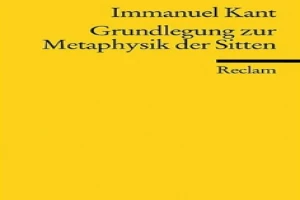
Grundelegung Zur Metaphysik book pdf download

book quality : Good
Department : Social sciences
Auther : immanuel kant
Language : German
Size of file : 6.55MB
Date of Coming : 2022-08-10
Section : Philosophy and logic
Number of Pages : 153

Author: immanuel kant

About the Author: Immanuel Kant was an eighteenth-century German philosopher (1724-1804). He lived his whole life in the city of Königsberg in the Kingdom of Prussia. He was the last influential philosopher in modern European culture. And one of the most important philosophers who wrote on classical epistemology. Immanuel Kant was the last of the Enlightenment philosophers, which began with British thinkers John Locke, George Berkeley, and David Hume.
Immanuel Kant put forward a new perspective in philosophy that influenced and continues to influence European philosophy until now, meaning that his influence extended from the eighteenth century until the twenty-first century. He published important and fundamental works on epistemology and other works on religion and on law and history.
The most famous of his works is his book Critique of Abstract Reason, which he published in 1781 when he was about sixty years old. In this book, Kant explores the limitations and structure of the human mind itself. In this book he attacks traditional metaphysics and classical epistemology. And the most beautiful and creative contributions were in this area in particular. Then he published other major works in his old age, including his book Critique of Practical Reason, in which he examined the aspect of morality and the human conscience, and his book, Critique of Judgment, in which he investigated the philosophy of beauty and teleology.

Grundelegung Zur Metaphysik book pdf download By immanuel kant

„Zwei Dinge erfüllen das Gewissen mit Bewunderung und Ehrfurcht, die sich immer wieder erneuern und steigern, je mehr ich darüber nachdenke: der Sternenhimmel über mir und das Sittengesetz in meiner Brust.“ Wenn wir die Geschichte der Philosophie in zwei Phasen unterteilen könnten, wäre Kants Philosophie der Dreh- und Angelpunkt, der eine beispiellose kopernikanische Revolution im menschlichen Denken auslöste, die die Parameter einer neuen Phase definierte. Kant ist der Geograph des menschlichen Geistes, der die Landkarten des modernen Denkens in seiner abstraktesten und idealsten Form definieren konnte. In seinem 1785 n. Chr. erschienenen Buch, das eine reife Frucht der kritischen Periode seiner Philosophie darstellt, setzt Kant radikal die Meilensteine ​​der modernen Ethik. Es macht die Idee der „Freiheit“ zur einzigen Bedingung für die Existenz des Moralischen Absoluten; Freiheit ist für ihn nichts anderes als freiwillige Unterwerfung unter das Gesetz (oder Selbstbestimmung, wie er es nennt), das eine Person für sich selbst und für andere erlässt; Jeder Mensch muss, wenn er eine moralische Handlung vollbringt, die Menschheit in seiner Person und in der Person jedes anderen Menschen neben ihm als immer als Selbstzweck, nicht als Mittel behandeln.

Download PDF of Grundelegung Zur Metaphysik book pdf download By immanuel kant
-Adrian Agency Library

Download Now

الأورجانون الجديد: إرشادات صادقة في تفسير الطبيعة book pdf download

Number of Pages : 206
Auther : Francis Bacon
Department : Social sciences
Language : Arabic
Section : Philosophy and logic
Date of Coming : 2022-08-10
book quality : Good
Size of file : 2.03MB

Author: Francis Bacon

About the Author: Francis Bacon: An English writer and philosopher, and one of the pioneers of modern philosophy, his philosophy caused a major scientific revolution, and went beyond Aristotelian and Aristotelian analogy. Francis Bacon was born in 1561 AD, his mother took over his education since childhood as her father was a teacher of the royal family, and was fluent in Greek, Latin, Italian, French, and has a culture and wide, as well as the teaching of theology functioning. Francis Bacon joined the University of Cambridge in 1573 AD, but quickly exited without obtaining a scientific degree; To disdain the curricula in which they are taught for relying mainly on Aristotle’s philosophy, which he considers a theoretical and useless. Bacon moved to France and mingled with all political and cultural circles, and worked in the English Embassy in Paris, then returned to England after he died and joined them. He was known for his eloquence, eloquence, and strength of argument, and he was close to Queen Elizabeth in his capacity as Chancellor of the British Crown, and for his nickname “The Queen” for his condescension. Bacon suffered a setback he lost political weight after he was stripped of his political posts on after he was accused of bribery, was jailed for four days and then received a royal pardon, and retired people Vantage at the end of his most important works, including: «the history of the reign of King Henry VII» in 1622, and six articles On the natural history, entitled “The History of the Winds”. Bacon remained devoted to his research and experiments until he died in 1626 AD of acute pneumonia as a result of exposure to severe cold during the course of the procedure.

الأورجانون الجديد: إرشادات صادقة في تفسير الطبيعة book pdf download By Francis Bacon

يُعَدُّ كِتابُ «الأُورجانُون الجَدِيد» الجُزْءَ الثانِيَ مِنْ مَشْروعِ «الإِحْياء العَظِيم» الَّذِي خطَّطَ «فرانسيس بيكون» فِي إِخْراجِهِ فِي سِتَّةِ أَجْزاء، لكِنَّه تُوفِّيَ قَبلَ إِتْمامِه، ولَمْ يُؤلِّفْ مِنْه إلَّا هَذا الجُزْء، وكَانَ قَدْ كَتبَ مِنْ قَبلُ كِتابَ «النُّهُوض بالعِلْم» فجَعلَه الجُزْءَ الأوَّلَ مِنَ «الإِحْياء العَظِيم». وكَانَ يَهدُفُ مِنْ خِلالِ مَشْروعِهِ هَذا إِلَى إِيضاحِ عَلاقةِ الإِنْسانِ بالطَّبِيعةِ وكَيْفيَّةِ سَيْطرتِهِ عَلَيْها مِنْ خِلالِ العِلْم. ولفْظُ «الأُورجانُون» يَعْني الأَداةَ أَوِ الآلةَ نَفْسَها، بوَصْفِها مَنطِقًا للتَّفْكِيرِ العِلْمي، وقَدِ اسْتخدَمَ بيكون هَذَا اللَّفظَ ليُعارِضَ مَنهجَ أرسطو الَّذِي كانَ يُعرَفُ بالاسْمِ نفْسِه «الأُورجانُون». يَحْتوِي الكِتابُ عَلى قِسْمَيْن: الأوَّلُ هُوَ القِسمُ السَّلْبيُّ «شَذَراتٌ فِي تَفْسيرِ الطَّبِيعةِ وفِي مَمْلكةِ الإِنْسان»، والثَّانِي الإِيجابِيُّ «شَذَراتٌ فِي تَفْسيرِ الطَّبِيعةِ أَوْ فِي مَمْلكةِ الإِنْسان»، ومِن أَشْهرِ أَجْزائِهِ «الأَوْهامُ الأَرْبعَة»: أَوْهامُ القَبِيلة، وأَوْهامُ الكَهْف، وأَوْهامُ السُّوق، وأَوْهامُ المَسْرَح.

Download PDF of الأورجانون الجديد: إرشادات صادقة في تفسير الطبيعة book pdf download By Francis Bacon
-Adrian Agency Library
Download Now

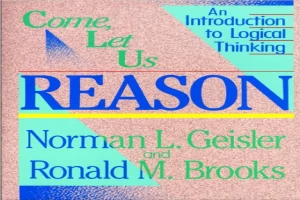
Come, Let Us Reason: An Introduction to Logical Thinking book pdf download

Size of file : 1.47MB
Language : English
Department : Social sciences
Date of Coming : 2022-08-10
Number of Pages : 222
Section : Philosophy and logic
book quality : Good
Auther : Norman L. Geisler

Author: Norman L. Geisler

About the Author: Norman L. Geisler (PhD, Loyola University) taught theology, philosophy, and apologetics on the college or graduate level for over 50 years. He served as a professor at Trinity Evangelical Seminary, Dallas Theological Seminary, and Liberty University. He was the co-founder of both Southern Evangelical Seminary and Veritas Evangelical Seminary (now Veritas International University). He was the Chancellor of Veritas International University and Distinguished Professor of Apologetics, and was President Emeritus of Southern Evangelical Seminary and Distinguished Senior Professor of Theology and Apologetics. He is the author/coauthor of more than 100 books including I Don’t Have Enough Faith to be an Atheist, Twelve Points that Show Christianity is True, The Big Book of Apologetics, Baker’s Encyclopedia of Apologetics, When Skeptics Ask, When Critics Ask, From God to Us, A History of Western Philosophy, Defending Inerrancy, Systematic Theology, If God Why Evil, Philosophy of Religion, Christian Apologetics, and Biblical Inerrancy.

Come, Let Us Reason: An Introduction to Logical Thinking book pdf download By Norman L. Geisler

The perfect introductory textbook, this simplified study of logic prepares readers to reason thoughtfully and to spot illogic in an argument.

Download PDF of Come, Let Us Reason: An Introduction to Logical Thinking book pdf download By Norman L. Geisler
-Adrian Agency Library

Download Now

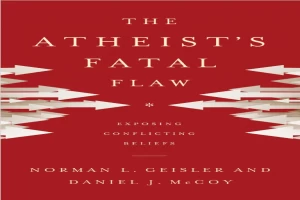
The Atheist’s Fatal Flaw Exposing conflicting beliefs book pdf download

Language : English
book quality : Good
Size of file : 2.97MB
Number of Pages : 146
Date of Coming : 2022-08-10
Section : Philosophy and logic
Department : Social sciences
Auther : Norman L. Geisler

Author: Norman L. Geisler

About the Author: Norman L. Geisler (PhD, Loyola University) taught theology, philosophy, and apologetics on the college or graduate level for over 50 years. He served as a professor at Trinity Evangelical Seminary, Dallas Theological Seminary, and Liberty University. He was the co-founder of both Southern Evangelical Seminary and Veritas Evangelical Seminary (now Veritas International University). He was the Chancellor of Veritas International University and Distinguished Professor of Apologetics, and was President Emeritus of Southern Evangelical Seminary and Distinguished Senior Professor of Theology and Apologetics. He is the author/coauthor of more than 100 books including I Don’t Have Enough Faith to be an Atheist, Twelve Points that Show Christianity is True, The Big Book of Apologetics, Baker’s Encyclopedia of Apologetics, When Skeptics Ask, When Critics Ask, From God to Us, A History of Western Philosophy, Defending Inerrancy, Systematic Theology, If God Why Evil, Philosophy of Religion, Christian Apologetics, and Biblical Inerrancy.

The Atheist’s Fatal Flaw Exposing conflicting beliefs book pdf download By Norman L. Geisler

A Popular Conservative evangelical apologist of his generation quotes prominent atheists to expose the self-refuting premise behind their attacks.

Download PDF of The Atheist’s Fatal Flaw Exposing conflicting beliefs book pdf download By Norman L. Geisler
-Adrian Agency Library
Download Now

A History of Western Philosophy book pdf download

Auther : Norman L. Geisler
Number of Pages : 350
Department : Social sciences
Language : English
Size of file : 3.55MB
Section : Philosophy and logic
Date of Coming : 2022-08-10
book quality : Good

Author: Norman L. Geisler

About the Author: Norman L. Geisler (PhD, Loyola University) taught theology, philosophy, and apologetics on the college or graduate level for over 50 years. He served as a professor at Trinity Evangelical Seminary, Dallas Theological Seminary, and Liberty University. He was the co-founder of both Southern Evangelical Seminary and Veritas Evangelical Seminary (now Veritas International University). He was the Chancellor of Veritas International University and Distinguished Professor of Apologetics, and was President Emeritus of Southern Evangelical Seminary and Distinguished Senior Professor of Theology and Apologetics. He is the author/coauthor of more than 100 books including I Don’t Have Enough Faith to be an Atheist, Twelve Points that Show Christianity is True, The Big Book of Apologetics, Baker’s Encyclopedia of Apologetics, When Skeptics Ask, When Critics Ask, From God to Us, A History of Western Philosophy, Defending Inerrancy, Systematic Theology, If God Why Evil, Philosophy of Religion, Christian Apologetics, and Biblical Inerrancy.

A History of Western Philosophy book pdf download By Norman L. Geisler

In A History of Philosophy by Frederick Copleston, he makes an interesting observation as philosophical thought proceeds from the Ancient and Medieval times into the period of the modern philosophers. This transition begins around the mid 1400’s. He notes that the ancient philosophers were more aesthetic, concerning themselves with the surrounding beauty, where they based their viewpoints primarily upon the world around them. However, the thinkers in the Middle Ages did consider the theological aspects associated with philosophy. When considering the beauty and goodness surrounding them, they reasoned as such and considered the ‘first cause’ of these events. Their reasoning regarding these first causes provided a link in the mind as to the true nature of things. Faith in ‘what ought to be’ reigned supreme in the medieval mind. This faith was solidified even more when divinely revealed truth was found. Therefore, these thinkers saw philosophy as a handmaiden to theology. As the modern era begins, philosophers began to focus more on a scientific plain in his search for truth. One of the results of this particular focus is that it becomes more individualized, but yet at the same time, and as the means for disseminating correspondence increases, these finding become more international. As, such, no two great thinkers of this era agreed fully regarding the important issues—each researcher examined his own evidence drawing his own conclusion. The modern scientist demonstrated probable truths based on empirical observations. Their reporting was confined to the facts that they had discovered. They did not regard science as the mere accumulation of data. They also were interested in explaining their findings. The entire focus of modern philosophical thought was to uncover those truths that were consistently held in the past, arrived in their time, and could carry them onto into future thought. However, these truths are encapsulated in a historical setting. The study of the history of philosophy is governed by rules of interpretation which comes into play when evaluations are made. Every philosophical method must be able to prove its worth by being able to evaluate other ideas. Using this format, the history of philosophy investigates the other philosophies to see how their conclusions stand up. The result of the investigation is to discover how to set aside errors.

Download PDF of A History of Western Philosophy book pdf download By Norman L. Geisler
-Adrian Agency Library

Download Now

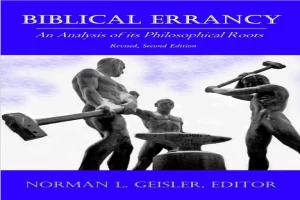
Biblical Errancy An Analysis of its philosophical roots book pdf download

Size of file : 1.75MB
book quality : Good
Language : English
Date of Coming : 2022-08-10
Number of Pages : 205
Department : Social sciences
Auther : Norman L. Geisler
Section : Philosophy and logic

Author: Norman L. Geisler

About the Author: Norman L. Geisler (PhD, Loyola University) taught theology, philosophy, and apologetics on the college or graduate level for over 50 years. He served as a professor at Trinity Evangelical Seminary, Dallas Theological Seminary, and Liberty University. He was the co-founder of both Southern Evangelical Seminary and Veritas Evangelical Seminary (now Veritas International University). He was the Chancellor of Veritas International University and Distinguished Professor of Apologetics, and was President Emeritus of Southern Evangelical Seminary and Distinguished Senior Professor of Theology and Apologetics. He is the author/coauthor of more than 100 books including I Don’t Have Enough Faith to be an Atheist, Twelve Points that Show Christianity is True, The Big Book of Apologetics, Baker’s Encyclopedia of Apologetics, When Skeptics Ask, When Critics Ask, From God to Us, A History of Western Philosophy, Defending Inerrancy, Systematic Theology, If God Why Evil, Philosophy of Religion, Christian Apologetics, and Biblical Inerrancy.

Biblical Errancy An Analysis of its philosophical roots book pdf download By Norman L. Geisler

Philosophy has given us insights into the reflections of thinkers on such subjects as God, mankind, the world, and the possibility of knowing ultimate reality. The processes of reasoning and the conclusions of logic are often intensely fascinating. Dr. Geisler reminds us, however, that the premises and the arguments of philosophy are often faulty, leading to a wholly inadequate view of knowledge and revelation. He reiterates Paul’s warning to the Colossian Christians: See to it that no one takes you captive through hollow and deceptive philosophy. The contributors to this volume show how the basic presuppositions of many philosophers lead to a denial of a divine, inerrant revelation. The views of some modern theologians regarding revelation find their roots in such deceptive philosophy. Chapter titles are: -‘Inductivism, Materialism, and Rationalism: Bacon, Hobbes, and Spinoza’ – Norman L. Geisler -‘Skepticism: Hume’ – Gary R. Habermas -‘Agnosticism: Kant’ – W. David Beck -‘Transcendentalism: Hegel’ – Winfried Corduan -‘Existentialism: Kierkegaard’ – E. Herbert Nygren -‘Atheism: Nietzsche’ – Terry L. Miethe -‘Noncognitivism: Wittgenstein’ – John S. Feinberg -‘Mysticism: Heidegger’ – Howard M. Ducharne, Jr.

Download PDF of Biblical Errancy An Analysis of its philosophical roots book pdf download By Norman L. Geisler
-Adrian Agency Library

Download Now