
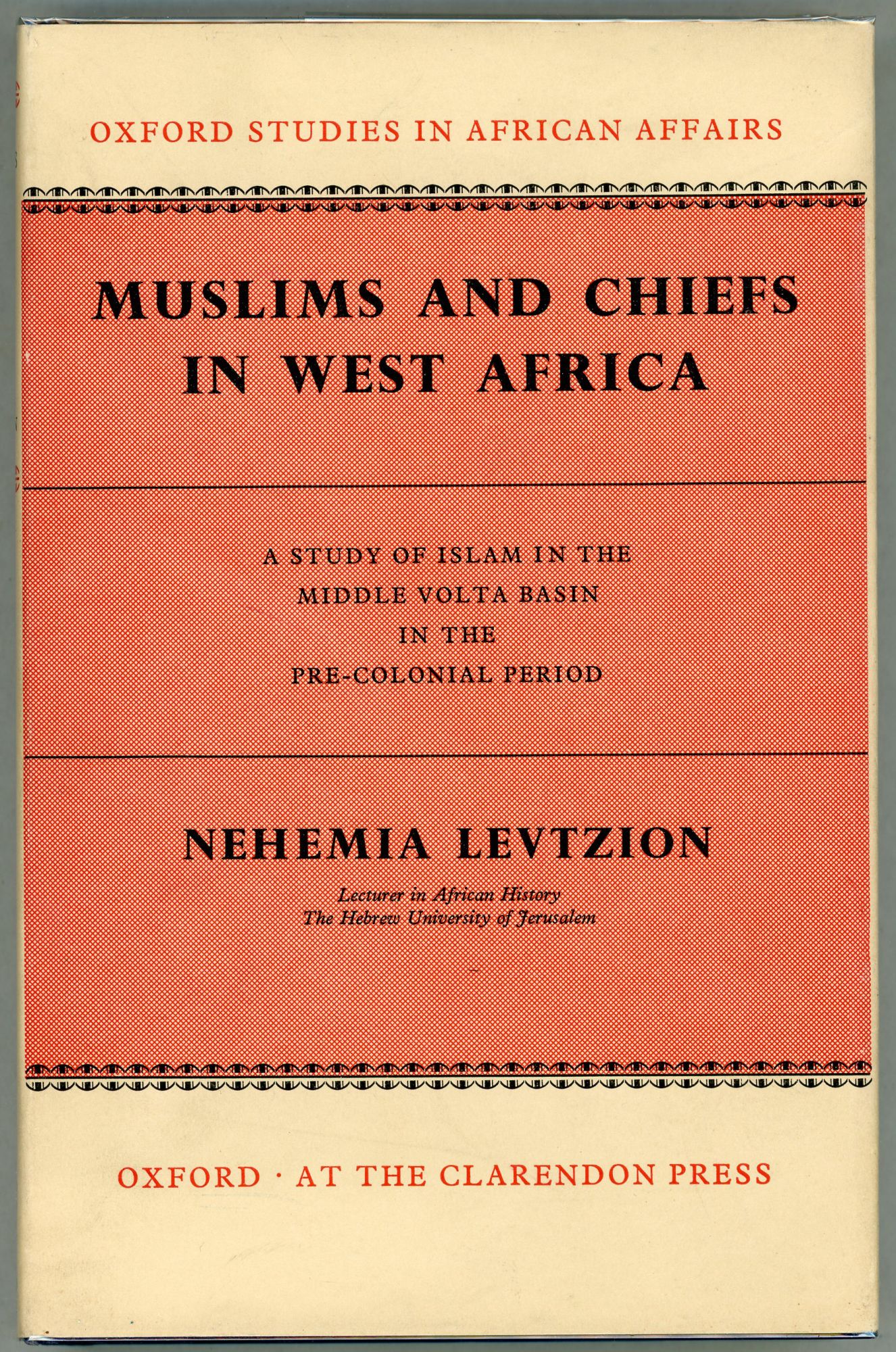
| Auther | : Nehemia Levtzion |
| Number of Pages | : 254 |
| Department | : History |
| Language | : English |
| Size of file | : 35.3MB |
| Section | : Islamic history |
| Date of Coming | : 2022-08-10 |
| book quality | : Excellent |
Author: Nehemia Levtzion
About the Author: Nehemia Levtzion was an Israeli scholar of African history, Near East, Islamic, and African studies, and the President of the Open University of Israel from 1987 to 1992 and the Executive Director of the Van Leer Jerusalem Institute from 1994 to 1997. Levtzion was a scholar of African history, Near East, Islamic, and African studies, and especially Islam in Africa. He taught at (starting in 1965) and was Professor of History and Asian and African Studies and the Dean of the Faculty of Humanities (1978-1981) at the Hebrew University of Jerusalem, the Director of the Ben-Zvi Institute for the Study of Jewish Communities in the East (1982-1987), the President of the Open University of Israel (1987-1992), the Executive Director of the Van Leer Jerusalem Institute (1994-1997), and the Chairman of the Council for Higher Education in Israel’s Planning and Budgeting Committee (1997-2003). The Nehemia Levtzion Center for Islamic Studies was established at the Hebrew University of Jerusalem in 2004.
Muslims And Chiefs In West Africa; A Study Of Islam In The Middle Volta Basin The Pre Colonial Period book pdf download By Nehemia Levtzion
he Geographical Setting With in the great bend of the Niger the Volta river system drains an extensive area, covering most of the republics of Upper Volta and Ghana, as well as parts of Togo and the Ivory Coast. The vegetation of the Volta Basin changes gradually, from north to south, with the increase of rainfall and the lengthening of the wet season. In the upper reaches of the Volta Basin the Sahel gives way to the Sudan savannah, and a predominantly nomad population is replaced by agricultural communities. Cereal crops, mainly millet, form the staple food, and as the area is relatively free of the tsetse fly, cattle breeding is still important. The Upper Volta Basin, dominated by the two Mossi states of Yatenga and Wagadugu, is densely popu lated, reaching about 130 inhabitants per square mile.1 The density of this area, compared with that of the drier country to the north, goes some way to explain the important historical fact that the Mossi states blocked the expansion of the northern Sudanese empire.
Download PDF of Muslims And Chiefs In West Africa; A Study Of Islam In The Middle Volta Basin The Pre Colonial Period book pdf download By Nehemia Levtzion
-Adrian Agency Library

No comment yet, add your voice below!