Psicologia e alchimia book pdf download

Date of Coming : 2022-08-31
Department : Social sciences
Language : Italian
Size of file : 16.1MB
Section : psychology
Auther : Carl Gustav Jung
Number of Pages : 588
book quality : Excellent

Author: Carl Gustav Jung

About the Author: Carl Gustav Jung (1875-1961) was a Swiss psychiatrist, an influential thinker and the founder of analytical psychology (also known as Jungian psychology). Jung’s radical approach to psychology has been influential in the field of depth psychology and in counter-cultural movements across the globe. Jung is considered as the first modern psychologist to state that the human psyche is “by nature religious” and to explore it in depth. His many major works include “Analytic Psychology: Its Theory and Practice,” “Man and His Symbols,” “Memories, Dreams, Reflections,” “The Collected Works of Carl G. Jung,” and “The Red Book.”

Psicologia e alchimia book pdf download By Carl Gustav Jung

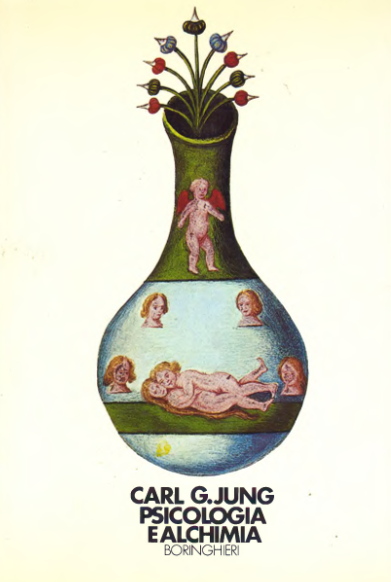
Verso la fine degli anni venti Jung scopre singolari affinita tra antichi simboli cinesi e i sogni dei suoi pazienti: comincia cosi a studiare i testi degli alchimisti. Dopo quindici anni di lavoro pubblica questo volume, che rimane fra i suoi testi più affascinanti. La tradizione alchimistica e la pratica analitica hanno in comune il tentativo di creare una realtà nuova e superiore: da una parte l’oro, la pietra filosofale, dall’altra la “presa di coscienza” della psicologia moderna.
L’alchimia e espressione di una pulsione a trasformare la materia prima dell’esperienza in conoscenza: vuole portare alla luce il lato divino che dorme nell’oscurita degli istinti, ed e quindi una psicologia che non dice il suo nome, qualcosa di affine alla moderna psicoterapia. Jung allarga la sua indagine alla saggezza orientale e a esperienze culturali che, pur appartenendo a epoche e a luoghi lontanissimi, hanno una radice comune, mostrando come le scoperte scientifiche possano essere in realta il ritrovamento di antichissime e universali esperienze che, appunto per questo, egli definisce “archetipiche”.

Download PDF of Psicologia e alchimia book pdf download By Carl Gustav Jung
-Adrian Agency Library

Download Now

Opere: La dinamica dell’inconscio book pdf download

Date of Coming : 2022-08-31
Size of file : 7.26MB
Section : psychology
Department : Social sciences
Number of Pages : 614
book quality : Excellent
Auther : Carl Gustav Jung
Language : Italian

Author: Carl Gustav Jung

About the Author: Carl Gustav Jung (1875-1961) was a Swiss psychiatrist, an influential thinker and the founder of analytical psychology (also known as Jungian psychology). Jung’s radical approach to psychology has been influential in the field of depth psychology and in counter-cultural movements across the globe. Jung is considered as the first modern psychologist to state that the human psyche is “by nature religious” and to explore it in depth. His many major works include “Analytic Psychology: Its Theory and Practice,” “Man and His Symbols,” “Memories, Dreams, Reflections,” “The Collected Works of Carl G. Jung,” and “The Red Book.”

Opere: La dinamica dell’inconscio book pdf download By Carl Gustav Jung

The Structure & Dynamics of the Psyche is one of the better volumes of the Princeton/Bollingen Collected Works.
1st comes “On Psychic Energy”, the most difficult essay in the volume. Generally, it discusses the “canalization of libido”. Jung redefines “libido” by moving away from its purely sexual connotation. For him, libido is simply a generic form of psychic energy which can be redirected into both sexual & non-sexual activities, such as religious rituals, dances, incantations & chants. Only when the intrinsic need for ritual is supressed does the libido tend to direct its energies into sexual perversion. Altho the concept is interesting, the writing style of this essay is rather opaque.
Next comes an essay called “The Transcendent Function”, which basically deals with the healing breakthru which is the goal of the patient in psychotherapy.
Next is an essay dealing with “Complex Theory”. This essay deals with word-association tests in which the experimenter observes the subjects reactions & hesitations when given a word that evokes embarrassing or painful memories.
Next are three short but profound & informative essays.
Then comes the centerpiece, a potent & spectacular classic of 20th century psychology entitled “On the Nature of the Psyche”. This, along with “Answer to Job”, is one of Jung’s best essays. It deals with a wide range of topics, including the limitations & paradoxes associated with epistemology, & the dualistic & paradoxical interrelationship between the subjective/inner psyche & the objective/outer world. This essay has much to say about the limitations of our subjectivity, & the degree to which we depend on other people & the outside world to attain consciousness. Jung does an excellent job in demarcating the thin line which divides the outer world & the sum of our subjective perceptions. This essay is a mind warping trip into a sea of paradoxical mysteries of the psyche.
After a short essay dealing with spirits, come a series of three: “Spirit & Life”, “Basic Postulates of Analytical Psychology” & “Analytical Psychology & Weltanschauung”. These deal with the delicate issue of fate & determinism vs free will, & the idea of achieving an objective attitude, a Weltanschauung. Jung warns against attempting to unite everyone under one objective attitude or “ism”. This can only lead to repression, nationalistic, racist, patriotic bias & war. According to him, when one nation unites under an “ism” or worldview which is erronously believed to be objective & appropriate for everyone, we’ll end up with a repression of indivdual, diverse opinions at best, & at worst, will have a worldwide tragedy resulting from the quest to force this attitude on other people. According to Jung, democracy also counts as one of those “ism’s” that we shouldn’t try to force on others.
Next we have three more short essays which are very good, especially “The Soul & Death”.
Finally, we have “Syncronicity”, a fascinating essay dealing with paranormal psychic phenomena such as ESP.
Overall, The Structure & Dynamics of the Psyche is a true magnum opus of psychology, recommended to anyone willing to take on a challenge for the pursuit of self-knowledge.

Download PDF of Opere: La dinamica dell’inconscio book pdf download By Carl Gustav Jung
-Adrian Agency Library
Download Now

Opere: Studi sull’alchimia book pdf download

Number of Pages : 509
Section : psychology
Date of Coming : 2022-08-31
Size of file : 19.4MB
book quality : Excellent
Auther : Carl Gustav Jung
Department : Social sciences
Language : Italian

Author: Carl Gustav Jung

About the Author: Carl Gustav Jung (1875-1961) was a Swiss psychiatrist, an influential thinker and the founder of analytical psychology (also known as Jungian psychology). Jung’s radical approach to psychology has been influential in the field of depth psychology and in counter-cultural movements across the globe. Jung is considered as the first modern psychologist to state that the human psyche is “by nature religious” and to explore it in depth. His many major works include “Analytic Psychology: Its Theory and Practice,” “Man and His Symbols,” “Memories, Dreams, Reflections,” “The Collected Works of Carl G. Jung,” and “The Red Book.”

Opere: Studi sull’alchimia book pdf download By Carl Gustav Jung

Five long essays that trace Jung’s developing interest in alchemy from 1929 onward. An introduction and supplement to his major works on the subject, illustrated with 42 patients’ drawings & paintings:
Commentary on ‘The Secret of the Golden Flower’, Commentary on the Visions of Zosimos, Paracelsus as a Spiritual Phenomenon, The Spirit Mercurius & The Philosophical Tree.

Download PDF of Opere: Studi sull’alchimia book pdf download By Carl Gustav Jung
-Adrian Agency Library

Download Now

Opere : Simboli della trasformazione book pdf download

Date of Coming : 2022-08-31
Department : Social sciences
Language : Italian
Auther : Carl Gustav Jung
book quality : Excellent
Section : psychology
Size of file : 10.8MB
Number of Pages : 602

Author: Carl Gustav Jung

About the Author: Carl Gustav Jung (1875-1961) was a Swiss psychiatrist, an influential thinker and the founder of analytical psychology (also known as Jungian psychology). Jung’s radical approach to psychology has been influential in the field of depth psychology and in counter-cultural movements across the globe. Jung is considered as the first modern psychologist to state that the human psyche is “by nature religious” and to explore it in depth. His many major works include “Analytic Psychology: Its Theory and Practice,” “Man and His Symbols,” “Memories, Dreams, Reflections,” “The Collected Works of Carl G. Jung,” and “The Red Book.”

Opere : Simboli della trasformazione book pdf download By Carl Gustav Jung

Scritta di getto nel 1912, «esplosione di tutti i contenuti psichici che non potevano trovar posto nelle strettoie opprimenti della psicologia freudiana e della sua visione del mondo», quest’opera non ha segnato soltanto il distacco di Jung dal suo maestro, ma è diventata per lui una specie di programma di lavoro da svolgere nei decenni successivi. Non a caso verso la fine della sua lunga attività Jung è tornato ad occuparsene, curandone una nuova stesura su cui è stata condotta la presente edizione. Lo spunto del libro è dato dall’esame di «alcuni esempi di immaginazione inconscia creativa»: lo scritto autobiografico di una giovane poetessa americana, indicata come Miss Miller. L’analisi di queste fantasie consente a Jung di cogliere straordinarie somiglianze tra mitologemi di varia origine, studiati con prodigiosa ampiezza di riferimenti culturali. Così facendo, Jung giunge ad ampliare il concetto freudiano di «libido», e ad individuare quei funzionamenti della psiche collettiva che definirà «archetipici».

Download PDF of Opere : Simboli della trasformazione book pdf download By Carl Gustav Jung
-Adrian Agency Library
Download Now

Opere: Gli archetipi e l’inconscio collettivo book pdf download

Department : Social sciences
Section : psychology
Number of Pages : 540
Auther : Carl Gustav Jung
Date of Coming : 2022-08-31
book quality : Excellent
Language : Italian
Size of file : 8.13MB

Author: Carl Gustav Jung

About the Author: Carl Gustav Jung (1875-1961) was a Swiss psychiatrist, an influential thinker and the founder of analytical psychology (also known as Jungian psychology). Jung’s radical approach to psychology has been influential in the field of depth psychology and in counter-cultural movements across the globe. Jung is considered as the first modern psychologist to state that the human psyche is “by nature religious” and to explore it in depth. His many major works include “Analytic Psychology: Its Theory and Practice,” “Man and His Symbols,” “Memories, Dreams, Reflections,” “The Collected Works of Carl G. Jung,” and “The Red Book.”

Opere: Gli archetipi e l’inconscio collettivo book pdf download By Carl Gustav Jung

L’opera di Jung si presenta come un intreccio di esperienze analitiche concrete e di una cultura profonda ed estesissima. Per lui l’osservazione dei meccanismi psichici individuali consente di analizzare i segreti della creazione artistica o la dinamica dei fenomeni storici; d’altronde, per orientarsi nei labirinto degli accadimenti individuali occorre studiare i fenomeni e i comportamenti collettivi.
I testi qui raccolti, tra cui “Gli archetipi dell’inconscio collettivo”, “Sull’archetipo”, “Fenomenologia dello spirito della fiaba” e “Coscienza, incoscio e individuazione”, sono stati pubblicati tra il 1934 e il 1955, e appartengono dunque alla piena maturità di Jung. È noto come i concetti di «archetipo» e di «inconscio collettivo» occupino un posto centrale nella sua riflessione, che ha esercitato su di essi un continuo sforzo di approfondimento, anche per rispondere a incomprensioni e fraintendimenti. Associando come sempre l’esperienza clinica alle ricerche scientifiche e umanistiche, Jung opera qui un vero rovesciamento della dimensione psichica, vista non più come l’appendice personale dell’organizzazione biologica, ma come l’aspetto significante degli istinti, la possibilità di rappresentarne il dinamismo.

Download PDF of Opere: Gli archetipi e l’inconscio collettivo book pdf download By Carl Gustav Jung
-Adrian Agency Library

Download Now

Opere: Psicoanalisi e psicologia analitica book pdf download

book quality : Excellent
Size of file : 3.89MB
Section : psychology
Auther : Carl Gustav Jung
Department : Social sciences
Language : Italian
Date of Coming : 2022-08-31
Number of Pages : 367

Author: Carl Gustav Jung

About the Author: Carl Gustav Jung (1875-1961) was a Swiss psychiatrist, an influential thinker and the founder of analytical psychology (also known as Jungian psychology). Jung’s radical approach to psychology has been influential in the field of depth psychology and in counter-cultural movements across the globe. Jung is considered as the first modern psychologist to state that the human psyche is “by nature religious” and to explore it in depth. His many major works include “Analytic Psychology: Its Theory and Practice,” “Man and His Symbols,” “Memories, Dreams, Reflections,” “The Collected Works of Carl G. Jung,” and “The Red Book.”

Opere: Psicoanalisi e psicologia analitica book pdf download By Carl Gustav Jung

Il volume ci presenta lo psichiatra zurighese nella veste di docente e divulgatore dei principi basilari del suo pensiero teorico. Il più ampio dei contributi – Fondamenti della psicologia analitica (1935) – riproduce infatti la trascrizione stenografica delle lezioni tenute da Jung nella londinese Tavistock Clinic, di fronte a un pubblico di circa duecento psichiatri e psicologi. Vi si parla di funzioni psichiche, di tipi psicologici, di struttura della coscienza, di inconscio personale e collettivo, di archetipi, con argomentazioni che anticipano alcune conquiste teoriche della ricerca psicologica successiva: «Rilevando che corpo e mente reagiscono come un’entità unica, Jung fu il primo clinico a riconoscere l’importanza dei fenomeni fisiologici che accompagnano le emozioni, – osserva E. A. Bennet nella sua prefazione alla prima edizione inglese – oggi comunemente noti come fenomeni psicosomatici». Le argomentazioni di Jung sono peraltro arricchite dagli interventi dei partecipanti, che interrogano e discutono.
Analoga struttura presenta La vita simbolica, trascrizione di un seminario tenuto nel 1939 alla Guild of Pastoral Psychology di Londra. Vi si presentano i vantaggi delle religioni capaci di dare un senso alla vita del singolo, preservandolo quindi dalla nevrosi e dal vuoto di simboli e valori, mentre il terapeuta si rivela un semplice surrogato del «curatore d’anime» cattolico o protestante. Il saggio Simboli e interpretazione dei sogni (1961) nasce invece dalla decisione (sia pur sofferta e travagliata), presa da Jung poco prima di morire, di presentare le proprie teorie a un ampio pubblico di non specialisti, dopo che era cresciuto l’interesse per la psicologia analitica, in seguito all’intervista filmata face to face da lui rilasciata alla BBC. Completano il volume due scritti sulla persona e sulle teorie di Freud nei quali Jung cerca di presentare senza acredine le luci e le ombre del suo rapporto con il maestro.

Download PDF of Opere: Psicoanalisi e psicologia analitica book pdf download By Carl Gustav Jung
-Adrian Agency Library
Download Now

Opere: Tipi psicologici book pdf download

Date of Coming : 2022-08-31
book quality : Excellent
Section : psychology
Number of Pages : 608
Department : Social sciences
Auther : Carl Gustav Jung
Size of file : 10.1MB
Language : Italian

Author: Carl Gustav Jung

About the Author: Carl Gustav Jung (1875-1961) was a Swiss psychiatrist, an influential thinker and the founder of analytical psychology (also known as Jungian psychology). Jung’s radical approach to psychology has been influential in the field of depth psychology and in counter-cultural movements across the globe. Jung is considered as the first modern psychologist to state that the human psyche is “by nature religious” and to explore it in depth. His many major works include “Analytic Psychology: Its Theory and Practice,” “Man and His Symbols,” “Memories, Dreams, Reflections,” “The Collected Works of Carl G. Jung,” and “The Red Book.”

Opere: Tipi psicologici book pdf download By Carl Gustav Jung

One of the most important of Jung’s longer works, and probably the most famous of his books, Psychological Types appeared in German in 1921 after a “fallow period” of eight years during which Jung had published little. He called it “the fruit of nearly twenty years’ work in the domain of practical psychology,” and in his autobiography he wrote: “This work sprang originally from my need to define the ways in which my outlook differed from Freud’s and Adler’s. In attempting to answer this question, I came across the problem of types; for it is one’s psychological type which from the outset determines and limits a person’s judgment. My book, therefore, was an effort to deal with the relationship of the individual to the world, to people and things. It discussed the various aspects of consciousness, the various attitudes the conscious mind might take toward the world, and thus constitutes a psychology of consciousness regarded from what might be called a clinical angle.”

Download PDF of Opere: Tipi psicologici book pdf download By Carl Gustav Jung
-Adrian Agency Library

Download Now

Opere: Pratica della psicoterapia book pdf download

Department : Social sciences
Size of file : 5.87MB
Section : psychology
Number of Pages : 351
Auther : Carl Gustav Jung
Language : Italian
Date of Coming : 2022-08-31
book quality : Excellent

Author: Carl Gustav Jung

About the Author: Carl Gustav Jung (1875-1961) was a Swiss psychiatrist, an influential thinker and the founder of analytical psychology (also known as Jungian psychology). Jung’s radical approach to psychology has been influential in the field of depth psychology and in counter-cultural movements across the globe. Jung is considered as the first modern psychologist to state that the human psyche is “by nature religious” and to explore it in depth. His many major works include “Analytic Psychology: Its Theory and Practice,” “Man and His Symbols,” “Memories, Dreams, Reflections,” “The Collected Works of Carl G. Jung,” and “The Red Book.”

Opere: Pratica della psicoterapia book pdf download By Carl Gustav Jung

La psicoterapia junghiana non privilegia la biografia personale del paziente, ma allarga la sua indagine all’ambiente, al peso della storia, all’incidenza dei miti e degli archetipi. Il linguaggio del sogno, il simbolismo dell’incesto, la psicologia della traslazione sono i tre grandi temi della riflessione junghiana, che interpreta l’attività psicoterapeutica come un’arte umanistica, fatta di intuizione, vastissime conoscenze culturali, esperienza totale e impegno etico.

Princìpi di psicoterapia pratica (1935)
Che cos’è la psicoterapia? (1935)
Alcuni aspetti della psicoterapia moderna (1930) Scopi della psicoterapia (1929)
I problemi della psicoterapia moderna (1929)
Psicoterapia e concezione del mondo (1943)
Medicina e psicoterapia (1945)
La psicoterapia oggi (1945)
Questioni fondamentali di psicoterapia (1951)
Il valore terapeutico dell’abreazione (1921 /1928)
L’applicabilità pratica dell’analisi dei sogni (1934)
La psicologia della traslazione (1946)
Scritti minori (1933-59)

Download PDF of Opere: Pratica della psicoterapia book pdf download By Carl Gustav Jung
-Adrian Agency Library
Download Now

Jung on active imagination book pdf download

Language : English
book quality : Excellent
Date of Coming : 2022-08-31
Number of Pages : 383
Section : psychology
Size of file : 2.95MB
Auther : Carl Gustav Jung
Department : Social sciences

Author: Carl Gustav Jung

About the Author: Carl Gustav Jung (1875-1961) was a Swiss psychiatrist, an influential thinker and the founder of analytical psychology (also known as Jungian psychology). Jung’s radical approach to psychology has been influential in the field of depth psychology and in counter-cultural movements across the globe. Jung is considered as the first modern psychologist to state that the human psyche is “by nature religious” and to explore it in depth. His many major works include “Analytic Psychology: Its Theory and Practice,” “Man and His Symbols,” “Memories, Dreams, Reflections,” “The Collected Works of Carl G. Jung,” and “The Red Book.”

Jung on active imagination book pdf download By Carl Gustav Jung

All the creative art psychotherapies (art, dance, music, drama, poetry) can trace their roots to C. G. Jung’s early work on active imagination. Joan Chodorow here offers a collection of Jung’s writings on active imagination, gathered together for the first time. Jung developed this concept between the years 1913 and 1916, following his break with Freud. During this time, he was disoriented and experienced intense inner turmoil –he suffered from lethargy and fears, and his moods threatened to overwhelm him. Jung searched for a method to heal himself from within, and finally decided to engage with the impulses and images of his unconscious. It was through the rediscovery of the symbolic play of his childhood that Jung was able to reconnect with his creative spirit. In a 1925 seminar and again in his memoirs, he tells the remarkable story of his experiments during this time that led to his self-healing. Jung learned to develop an ongoing relationship with his lively creative spirit through the power of imagination and fantasies. He termed this therapeutic method “active imagination.”

Download PDF of Jung on active imagination book pdf download By Carl Gustav Jung
-Adrian Agency Library

Download Now

Memories, Dreams, Reflections book pdf download

book quality : Excellent
Number of Pages : 455
Date of Coming : 2022-08-31
Size of file : 23.3MB
Department : Social sciences
Section : psychology
Auther : Carl Gustav Jung
Language : English

Author: Carl Gustav Jung

About the Author: Carl Gustav Jung (1875-1961) was a Swiss psychiatrist, an influential thinker and the founder of analytical psychology (also known as Jungian psychology). Jung’s radical approach to psychology has been influential in the field of depth psychology and in counter-cultural movements across the globe. Jung is considered as the first modern psychologist to state that the human psyche is “by nature religious” and to explore it in depth. His many major works include “Analytic Psychology: Its Theory and Practice,” “Man and His Symbols,” “Memories, Dreams, Reflections,” “The Collected Works of Carl G. Jung,” and “The Red Book.”

Memories, Dreams, Reflections book pdf download By Carl Gustav Jung

In the spring of 1957, when he was eighty-one years old, C. G. Jung undertook the telling of his life story. At regular intervals he had conversations with his colleague and friend Aniela Jaffé, and collaborated with her in the preparation of the text based on these talks. On occasion, he was moved to write entire chapters of the book in his own hand, and he continued to work on the final stages of the manuscript until shortly before his death on June 6, 1961.This edition of Memories, Dreams, Reflections includes Jung’s VII Sermones ad Mortuos. It is a fully corrected edition. 

Download PDF of Memories, Dreams, Reflections book pdf download By Carl Gustav Jung
-Adrian Agency Library
Download Now