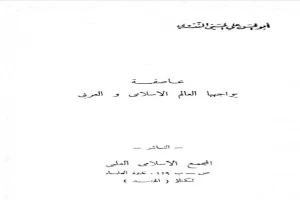
عاصفة يواجهها العالم الإسلامي والعربي book pdf download

Date of Coming : 2022-08-10
Department : Religions
Language : Arabic
book quality : Good
Auther : Abu Al-Hassan Al-Nadwi
Section : Islam
Number of Pages : 54
Size of file : 3.78MB

Author: Abu Al-Hassan Al-Nadwi

About the Author: Ali Abu Al-Hassan Bin Abdul Hai Bin Fakhr Al-Din Al-Hasani – His lineage ends with Abdullah Al-Ashtar Bin Muhammad Dhi Al-Nafs Al-Zakiya Bin Abdullah Al-Mahad Bin Al-Hassan Al-Muthanna Bin Al-Imam Al-Hassan the greatest grandson Bin Ali Ibn Abi Talib. Some of his grandfathers, Prince Sayyid Qutb al-Din Muhammad al-Madani (AD 677 AH), immigrated to India at the beginning of the seventh century AH. He was born in the village of Tekkeh in the district of Rai Bareilly – in the northern state – (Uttar Pardash) in India. He began learning the Holy Quran at home with the help of his mother, then he began to learn the Urdu and Persian languages. His father passed away in the year 1341 AH (1923 AD) when he was still less than ten years old. His virtuous mother, and his older brother, Dr. Abd al-Ali al-Hassani, who was also a medical student after graduating from Dar al-Ulum Nadwat al-Ulama and Dar al-Uloom Deoband, raised him. He started learning Arabic on Sheikh Khalil bin Muhammad Al-Ansari Al-Yamani in 1342 AH / 1924 AD and graduated from it. He also benefited – in studying the Arabic language and its literature – from his uncles Sheikh Aziz al-Rahman and Sheikh Muhammad Talha, and expanded on it and specialized in Professor Dr. Taqi al-Din al-Hilali when he presented his presentation in the Symposium of Scholars 1930 AD. He attended the celebration of the Scholars Symposium in Canfort in 1926 AD, and attracted the attention of the participants in the celebration with his Arabic words, and some Arab guests used him for his travels outside the venue of the ceremony. He joined the University of Lucknow in the Arabic department in 1927 – he was the youngest student at the university – and he obtained a certificate of Fadel of Literature in Arabic language and literature. He read – during the first days of studying the Arabic language – books considered to be at the top in the Urdu language and literature, which helped him to carry out the duty of advocacy, explain the correct Islamic idea, and convince the educated class of modern culture. He studied the English language between 1928 – 1930 AD, which enabled him to read books written – in English – on Islamic subjects, Western civilization, its history and development, and benefit from them directly. He joined the House of Science for the Symposium of Scholars in 1929 AD, and attended the lessons of the noble hadith of the scholar, the hadith educator Haider Hassan Khan – and he had studied the book of Jihad from Sahih Muslim on his sheikh Khalil al-Ansari – and he needed two whole years, so he read to him the two Sahihs, the Sunan Abi Dawood, and Sunan al-Tirmidhi letter by letter. Lessons in the interpretation of al-Baydawi also, and he read some books of jurisprudence to the sheikh, the jurist, the Mufti Shibli Al-Jiragpuri Al-Azami He received the interpretation of selected surahs from his Sheikh Khalil Al-Ansari, then he received lessons in interpretation from Sheikh Abdul Hai Al-Faruqi, and attended the lessons of Al-Baydawi by the modernist Haider Hassan Khan, and studied the interpretation of the entire Holy Qur’an – according to the special curriculum for graduates from Islamic schools – on the scholar Ahmed Ali Al-Lahori in Lahore In the year 1351 AH / 1932 AD. He resided with the Mujahid scholar Hussain Ahmad Al-Madani in 1932 in the Dar Al-Ulum Deoband for several months, and attended his lessons in Sahih Al-Bukhari and Sunan Al-Tirmidhi, and benefited from it in interpretation and the sciences of the Noble Qur’an as well. He also benefited from the scholarly jurist and writer Azaz Ali in jurisprudence, and from the reciter Sheikh Asghar Ali in Tajweed on the narration of Hafs. He died on Friday, Ramadan 23, 1420 AH corresponding to December 31, 1999. In the village of Tekke Klan in the Ra’i Barili District (Yobi), India Dr. Syed Abdul Majid Al-Ghouri has an extensive book in his biography entitled (Abu Al-Hasan Al-Nadawi, the Imam, the Thinker, the Preacher, the Educator, the Writer), which was printed several times in the House of Ibn Kathir in Damascus. He also wrote in his biography Dr. Muhammad Akram Al-Nadawi, Dr. Muhammad Ejtba Al-Nadawi, Sheikh Yusuf Al-Qaradawi and others.

عاصفة يواجهها العالم الإسلامي والعربي book pdf download By Abu Al-Hassan Al-Nadwi

كتاب يلخص فيه نفسية المرتدين على الإسلام و كيفية حربهم على هذا الدين الحنيف و كيفية الغزو الفكري الموجهه ضد المجتمعات الإسلامية هذه المحاضرة الملخصة موجودة في هذا الكتاب.

Download PDF of عاصفة يواجهها العالم الإسلامي والعربي book pdf download By Abu Al-Hassan Al-Nadwi
-Adrian Agency Library

Download Now

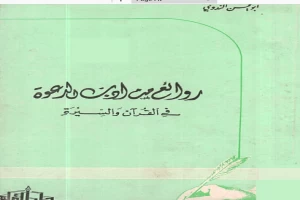
وائع من أدب الدعوة في القرآن والسيرة book pdf download

book quality : Good
Auther : Abu Al-Hassan Al-Nadwi
Section : Islam
Date of Coming : 2022-08-10
Size of file : 9.37MB
Department : Religions
Number of Pages : 276
Language : Arabic

Author: Abu Al-Hassan Al-Nadwi

About the Author: Ali Abu Al-Hassan Bin Abdul Hai Bin Fakhr Al-Din Al-Hasani – His lineage ends with Abdullah Al-Ashtar Bin Muhammad Dhi Al-Nafs Al-Zakiya Bin Abdullah Al-Mahad Bin Al-Hassan Al-Muthanna Bin Al-Imam Al-Hassan the greatest grandson Bin Ali Ibn Abi Talib. Some of his grandfathers, Prince Sayyid Qutb al-Din Muhammad al-Madani (AD 677 AH), immigrated to India at the beginning of the seventh century AH. He was born in the village of Tekkeh in the district of Rai Bareilly – in the northern state – (Uttar Pardash) in India. He began learning the Holy Quran at home with the help of his mother, then he began to learn the Urdu and Persian languages. His father passed away in the year 1341 AH (1923 AD) when he was still less than ten years old. His virtuous mother, and his older brother, Dr. Abd al-Ali al-Hassani, who was also a medical student after graduating from Dar al-Ulum Nadwat al-Ulama and Dar al-Uloom Deoband, raised him. He started learning Arabic on Sheikh Khalil bin Muhammad Al-Ansari Al-Yamani in 1342 AH / 1924 AD and graduated from it. He also benefited – in studying the Arabic language and its literature – from his uncles Sheikh Aziz al-Rahman and Sheikh Muhammad Talha, and expanded on it and specialized in Professor Dr. Taqi al-Din al-Hilali when he presented his presentation in the Symposium of Scholars 1930 AD. He attended the celebration of the Scholars Symposium in Canfort in 1926 AD, and attracted the attention of the participants in the celebration with his Arabic words, and some Arab guests used him for his travels outside the venue of the ceremony. He joined the University of Lucknow in the Arabic department in 1927 – he was the youngest student at the university – and he obtained a certificate of Fadel of Literature in Arabic language and literature. He read – during the first days of studying the Arabic language – books considered to be at the top in the Urdu language and literature, which helped him to carry out the duty of advocacy, explain the correct Islamic idea, and convince the educated class of modern culture. He studied the English language between 1928 – 1930 AD, which enabled him to read books written – in English – on Islamic subjects, Western civilization, its history and development, and benefit from them directly. He joined the House of Science for the Symposium of Scholars in 1929 AD, and attended the lessons of the noble hadith of the scholar, the hadith educator Haider Hassan Khan – and he had studied the book of Jihad from Sahih Muslim on his sheikh Khalil al-Ansari – and he needed two whole years, so he read to him the two Sahihs, the Sunan Abi Dawood, and Sunan al-Tirmidhi letter by letter. Lessons in the interpretation of al-Baydawi also, and he read some books of jurisprudence to the sheikh, the jurist, the Mufti Shibli Al-Jiragpuri Al-Azami He received the interpretation of selected surahs from his Sheikh Khalil Al-Ansari, then he received lessons in interpretation from Sheikh Abdul Hai Al-Faruqi, and attended the lessons of Al-Baydawi by the modernist Haider Hassan Khan, and studied the interpretation of the entire Holy Qur’an – according to the special curriculum for graduates from Islamic schools – on the scholar Ahmed Ali Al-Lahori in Lahore In the year 1351 AH / 1932 AD. He resided with the Mujahid scholar Hussain Ahmad Al-Madani in 1932 in the Dar Al-Ulum Deoband for several months, and attended his lessons in Sahih Al-Bukhari and Sunan Al-Tirmidhi, and benefited from it in interpretation and the sciences of the Noble Qur’an as well. He also benefited from the scholarly jurist and writer Azaz Ali in jurisprudence, and from the reciter Sheikh Asghar Ali in Tajweed on the narration of Hafs. He died on Friday, Ramadan 23, 1420 AH corresponding to December 31, 1999. In the village of Tekke Klan in the Ra’i Barili District (Yobi), India Dr. Syed Abdul Majid Al-Ghouri has an extensive book in his biography entitled (Abu Al-Hasan Al-Nadawi, the Imam, the Thinker, the Preacher, the Educator, the Writer), which was printed several times in the House of Ibn Kathir in Damascus. He also wrote in his biography Dr. Muhammad Akram Al-Nadawi, Dr. Muhammad Ejtba Al-Nadawi, Sheikh Yusuf Al-Qaradawi and others.

وائع من أدب الدعوة في القرآن والسيرة book pdf download By Abu Al-Hassan Al-Nadwi

هذا كتاب جديد في سلسلة الداعية الحكيم “أبي الحسن علي الحسني الندوي” يجمع محاضراته التي ألقها أمام طلبة “المعهد العالي للدعوة والفكر الإسلامي” في مادة أسلوب الدعوة في القرآن الكريم، في قاعة (المعهد العالي)، ابتداءً من ذي الحجة العقدة الحرام 1399هـ الموافق 16 أكتوبر (تشرين الثاني) 1979م، قيدها كتابياً السيد ظريف أحمد، الطالب بالمعهد العالي من أشرطة التسجيل، ثم راجعها الأستاذ، وهذبها لإعدادها للطبع والنشر في صورة كتاب وفيما يلي ذكر لأهم عناوين هذه المحاضرات: حكمة الدعوة ومرونتها ومجاراتها لكل بيئة وعصر، نموذجان من دعوة سيدنا إبراهيم عليه الصلاة والسلام، نموذج من دعوة سيدنا يوسف عليه السلام، أمثلة من دعوة سيدنا موسى عليه السلام وحكمته النبوية، موسى عليه السلام مع قومه بني إسرائيل، دعوة مؤمن من يكتم إيمانه، نموذج لدعوة غير نبي، نموذجان من دعوة خاتم الرسل وحكمته، تمثيل جعفر بن أبي طالب للإسلام والمسلمين في مجلس النجاشي ملك الحبشة.

Download PDF of وائع من أدب الدعوة في القرآن والسيرة book pdf download By Abu Al-Hassan Al-Nadwi
-Adrian Agency Library
Download Now

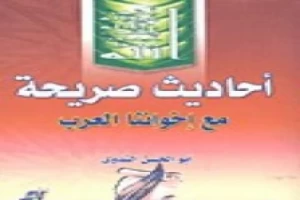
أحاديث صريحة مع إخواننا العرب والمسلمين book pdf download

Department : Religions
Auther : Abu Al-Hassan Al-Nadwi
Number of Pages : 100
Section : Islam
Language : Arabic
Date of Coming : 2022-08-10
book quality : Good
Size of file : 1.39MB

Author: Abu Al-Hassan Al-Nadwi

About the Author: Ali Abu Al-Hassan Bin Abdul Hai Bin Fakhr Al-Din Al-Hasani – His lineage ends with Abdullah Al-Ashtar Bin Muhammad Dhi Al-Nafs Al-Zakiya Bin Abdullah Al-Mahad Bin Al-Hassan Al-Muthanna Bin Al-Imam Al-Hassan the greatest grandson Bin Ali Ibn Abi Talib. Some of his grandfathers, Prince Sayyid Qutb al-Din Muhammad al-Madani (AD 677 AH), immigrated to India at the beginning of the seventh century AH. He was born in the village of Tekkeh in the district of Rai Bareilly – in the northern state – (Uttar Pardash) in India. He began learning the Holy Quran at home with the help of his mother, then he began to learn the Urdu and Persian languages. His father passed away in the year 1341 AH (1923 AD) when he was still less than ten years old. His virtuous mother, and his older brother, Dr. Abd al-Ali al-Hassani, who was also a medical student after graduating from Dar al-Ulum Nadwat al-Ulama and Dar al-Uloom Deoband, raised him. He started learning Arabic on Sheikh Khalil bin Muhammad Al-Ansari Al-Yamani in 1342 AH / 1924 AD and graduated from it. He also benefited – in studying the Arabic language and its literature – from his uncles Sheikh Aziz al-Rahman and Sheikh Muhammad Talha, and expanded on it and specialized in Professor Dr. Taqi al-Din al-Hilali when he presented his presentation in the Symposium of Scholars 1930 AD. He attended the celebration of the Scholars Symposium in Canfort in 1926 AD, and attracted the attention of the participants in the celebration with his Arabic words, and some Arab guests used him for his travels outside the venue of the ceremony. He joined the University of Lucknow in the Arabic department in 1927 – he was the youngest student at the university – and he obtained a certificate of Fadel of Literature in Arabic language and literature. He read – during the first days of studying the Arabic language – books considered to be at the top in the Urdu language and literature, which helped him to carry out the duty of advocacy, explain the correct Islamic idea, and convince the educated class of modern culture. He studied the English language between 1928 – 1930 AD, which enabled him to read books written – in English – on Islamic subjects, Western civilization, its history and development, and benefit from them directly. He joined the House of Science for the Symposium of Scholars in 1929 AD, and attended the lessons of the noble hadith of the scholar, the hadith educator Haider Hassan Khan – and he had studied the book of Jihad from Sahih Muslim on his sheikh Khalil al-Ansari – and he needed two whole years, so he read to him the two Sahihs, the Sunan Abi Dawood, and Sunan al-Tirmidhi letter by letter. Lessons in the interpretation of al-Baydawi also, and he read some books of jurisprudence to the sheikh, the jurist, the Mufti Shibli Al-Jiragpuri Al-Azami He received the interpretation of selected surahs from his Sheikh Khalil Al-Ansari, then he received lessons in interpretation from Sheikh Abdul Hai Al-Faruqi, and attended the lessons of Al-Baydawi by the modernist Haider Hassan Khan, and studied the interpretation of the entire Holy Qur’an – according to the special curriculum for graduates from Islamic schools – on the scholar Ahmed Ali Al-Lahori in Lahore In the year 1351 AH / 1932 AD. He resided with the Mujahid scholar Hussain Ahmad Al-Madani in 1932 in the Dar Al-Ulum Deoband for several months, and attended his lessons in Sahih Al-Bukhari and Sunan Al-Tirmidhi, and benefited from it in interpretation and the sciences of the Noble Qur’an as well. He also benefited from the scholarly jurist and writer Azaz Ali in jurisprudence, and from the reciter Sheikh Asghar Ali in Tajweed on the narration of Hafs. He died on Friday, Ramadan 23, 1420 AH corresponding to December 31, 1999. In the village of Tekke Klan in the Ra’i Barili District (Yobi), India Dr. Syed Abdul Majid Al-Ghouri has an extensive book in his biography entitled (Abu Al-Hasan Al-Nadawi, the Imam, the Thinker, the Preacher, the Educator, the Writer), which was printed several times in the House of Ibn Kathir in Damascus. He also wrote in his biography Dr. Muhammad Akram Al-Nadawi, Dr. Muhammad Ejtba Al-Nadawi, Sheikh Yusuf Al-Qaradawi and others.

أحاديث صريحة مع إخواننا العرب والمسلمين book pdf download By Abu Al-Hassan Al-Nadwi

اقتباسات من الكتاب: إن أخوف ما أخاف على المناطق التي أكرمها الله بالثروات والخيرات، وأدر عليها الرزق الوفير والخير الكثير، هو البطر. أوصي نفسي أولا وإياكم بعد ذلك، أن نعتبر بالحوادث التي تقع حولنا، وأن نغير نفوسنا قبل أن تغيرنا العوامل القاهرة. لو طلب مني هتاف واحد بعد (الله أكبر) لاخترت (إلى الإسلام من جديد( المجتمع الإسلامي لا يمكن أن يتحرك فضلا عن أن يمشي إلا برجلين -الرجال والنساء- سليمتين قويتين نشيطتين أمينتين. خلق الله في النساء كل صلاحية وكل قدرة للبلوغ إلى الكمال . للمكتبات دور كبير وأهمية عظيمة في تنشئة الجيل الجديد وتكوينه العقلي والثقافي، والتمهيد للقيام بحركات إصلاحية واعية إن الخارطة السياسية تتبدل في ظرف ساعات، ولكن الخارطة الثقافية تدوم قرونا ليست السياسة هي التي تصنع العقيدة، بل العقيدة هي التي تصنع السياسة الانقلابات السياسية يجب أن يحسب لها الحساب، ولكن الذي يفتح الطريق لهذه الحوادث…هو الأسلوب الذي تحياه بلادنا إن ساعة الزمان لا تقف، وإن عقرب الانقلاب والتحول دائم سائر، إنه يتجه من بلد دون بلد

Download PDF of أحاديث صريحة مع إخواننا العرب والمسلمين book pdf download By Abu Al-Hassan Al-Nadwi
-Adrian Agency Library

Download Now

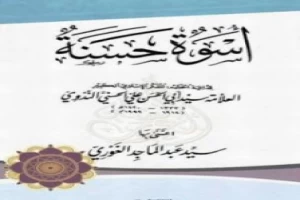
أسوة حسنة book pdf download

book quality : Good
Section : Islam
Department : Religions
Auther : Abu Al-Hassan Al-Nadwi
Date of Coming : 2022-08-10
Number of Pages : 117
Language : Arabic
Size of file : 2.50MB

Author: Abu Al-Hassan Al-Nadwi

About the Author: Ali Abu Al-Hassan Bin Abdul Hai Bin Fakhr Al-Din Al-Hasani – His lineage ends with Abdullah Al-Ashtar Bin Muhammad Dhi Al-Nafs Al-Zakiya Bin Abdullah Al-Mahad Bin Al-Hassan Al-Muthanna Bin Al-Imam Al-Hassan the greatest grandson Bin Ali Ibn Abi Talib. Some of his grandfathers, Prince Sayyid Qutb al-Din Muhammad al-Madani (AD 677 AH), immigrated to India at the beginning of the seventh century AH. He was born in the village of Tekkeh in the district of Rai Bareilly – in the northern state – (Uttar Pardash) in India. He began learning the Holy Quran at home with the help of his mother, then he began to learn the Urdu and Persian languages. His father passed away in the year 1341 AH (1923 AD) when he was still less than ten years old. His virtuous mother, and his older brother, Dr. Abd al-Ali al-Hassani, who was also a medical student after graduating from Dar al-Ulum Nadwat al-Ulama and Dar al-Uloom Deoband, raised him. He started learning Arabic on Sheikh Khalil bin Muhammad Al-Ansari Al-Yamani in 1342 AH / 1924 AD and graduated from it. He also benefited – in studying the Arabic language and its literature – from his uncles Sheikh Aziz al-Rahman and Sheikh Muhammad Talha, and expanded on it and specialized in Professor Dr. Taqi al-Din al-Hilali when he presented his presentation in the Symposium of Scholars 1930 AD. He attended the celebration of the Scholars Symposium in Canfort in 1926 AD, and attracted the attention of the participants in the celebration with his Arabic words, and some Arab guests used him for his travels outside the venue of the ceremony. He joined the University of Lucknow in the Arabic department in 1927 – he was the youngest student at the university – and he obtained a certificate of Fadel of Literature in Arabic language and literature. He read – during the first days of studying the Arabic language – books considered to be at the top in the Urdu language and literature, which helped him to carry out the duty of advocacy, explain the correct Islamic idea, and convince the educated class of modern culture. He studied the English language between 1928 – 1930 AD, which enabled him to read books written – in English – on Islamic subjects, Western civilization, its history and development, and benefit from them directly. He joined the House of Science for the Symposium of Scholars in 1929 AD, and attended the lessons of the noble hadith of the scholar, the hadith educator Haider Hassan Khan – and he had studied the book of Jihad from Sahih Muslim on his sheikh Khalil al-Ansari – and he needed two whole years, so he read to him the two Sahihs, the Sunan Abi Dawood, and Sunan al-Tirmidhi letter by letter. Lessons in the interpretation of al-Baydawi also, and he read some books of jurisprudence to the sheikh, the jurist, the Mufti Shibli Al-Jiragpuri Al-Azami He received the interpretation of selected surahs from his Sheikh Khalil Al-Ansari, then he received lessons in interpretation from Sheikh Abdul Hai Al-Faruqi, and attended the lessons of Al-Baydawi by the modernist Haider Hassan Khan, and studied the interpretation of the entire Holy Qur’an – according to the special curriculum for graduates from Islamic schools – on the scholar Ahmed Ali Al-Lahori in Lahore In the year 1351 AH / 1932 AD. He resided with the Mujahid scholar Hussain Ahmad Al-Madani in 1932 in the Dar Al-Ulum Deoband for several months, and attended his lessons in Sahih Al-Bukhari and Sunan Al-Tirmidhi, and benefited from it in interpretation and the sciences of the Noble Qur’an as well. He also benefited from the scholarly jurist and writer Azaz Ali in jurisprudence, and from the reciter Sheikh Asghar Ali in Tajweed on the narration of Hafs. He died on Friday, Ramadan 23, 1420 AH corresponding to December 31, 1999. In the village of Tekke Klan in the Ra’i Barili District (Yobi), India Dr. Syed Abdul Majid Al-Ghouri has an extensive book in his biography entitled (Abu Al-Hasan Al-Nadawi, the Imam, the Thinker, the Preacher, the Educator, the Writer), which was printed several times in the House of Ibn Kathir in Damascus. He also wrote in his biography Dr. Muhammad Akram Al-Nadawi, Dr. Muhammad Ejtba Al-Nadawi, Sheikh Yusuf Al-Qaradawi and others.

أسوة حسنة book pdf download By Abu Al-Hassan Al-Nadwi

إن من طبيعة الحب التي فطر الله عليا الإنسان، ولم تفارقه في فترة من فترات الزمان تقليد من أحبه حتى في الأمور التي لم يكلف بها تشريعاً وقانونأً، ومن خصائصها حب الاطلاع على سجاياه، وما كان يحبه ويؤثره، وما كان يكرهه ويبتعد عنه، وما كان يلتزمه ويحافظ عليه، من غير أمر وإلزام أو تكليف شرعي، ولذلك صنّف العلماء قديماً وحديثاً كتباً مستقلة في الشمائل النبوية، وهذا واحدٌ من تلكم الكتب اتي تقدم أخلاق وشمائل محمد الرسول الأعظم والنبي اخلاتم صلى الله عليه وسلم، اختارها مؤلفه من أمات كتب الحديث، وبطون كتب السيرة والشمائل.

Download PDF of أسوة حسنة book pdf download By Abu Al-Hassan Al-Nadwi
-Adrian Agency Library
Download Now

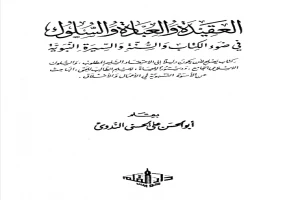
العقيدة والعبادة والسلوك في ضوء الكتاب والسنة والسيرة النبوية book pdf download

Language : Arabic
Date of Coming : 2022-08-10
Size of file : 2.53MB
book quality : Good
Number of Pages : 203
Section : Islam
Auther : Abu Al-Hassan Al-Nadwi
Department : Religions

Author: Abu Al-Hassan Al-Nadwi

About the Author: Ali Abu Al-Hassan Bin Abdul Hai Bin Fakhr Al-Din Al-Hasani – His lineage ends with Abdullah Al-Ashtar Bin Muhammad Dhi Al-Nafs Al-Zakiya Bin Abdullah Al-Mahad Bin Al-Hassan Al-Muthanna Bin Al-Imam Al-Hassan the greatest grandson Bin Ali Ibn Abi Talib. Some of his grandfathers, Prince Sayyid Qutb al-Din Muhammad al-Madani (AD 677 AH), immigrated to India at the beginning of the seventh century AH. He was born in the village of Tekkeh in the district of Rai Bareilly – in the northern state – (Uttar Pardash) in India. He began learning the Holy Quran at home with the help of his mother, then he began to learn the Urdu and Persian languages. His father passed away in the year 1341 AH (1923 AD) when he was still less than ten years old. His virtuous mother, and his older brother, Dr. Abd al-Ali al-Hassani, who was also a medical student after graduating from Dar al-Ulum Nadwat al-Ulama and Dar al-Uloom Deoband, raised him. He started learning Arabic on Sheikh Khalil bin Muhammad Al-Ansari Al-Yamani in 1342 AH / 1924 AD and graduated from it. He also benefited – in studying the Arabic language and its literature – from his uncles Sheikh Aziz al-Rahman and Sheikh Muhammad Talha, and expanded on it and specialized in Professor Dr. Taqi al-Din al-Hilali when he presented his presentation in the Symposium of Scholars 1930 AD. He attended the celebration of the Scholars Symposium in Canfort in 1926 AD, and attracted the attention of the participants in the celebration with his Arabic words, and some Arab guests used him for his travels outside the venue of the ceremony. He joined the University of Lucknow in the Arabic department in 1927 – he was the youngest student at the university – and he obtained a certificate of Fadel of Literature in Arabic language and literature. He read – during the first days of studying the Arabic language – books considered to be at the top in the Urdu language and literature, which helped him to carry out the duty of advocacy, explain the correct Islamic idea, and convince the educated class of modern culture. He studied the English language between 1928 – 1930 AD, which enabled him to read books written – in English – on Islamic subjects, Western civilization, its history and development, and benefit from them directly. He joined the House of Science for the Symposium of Scholars in 1929 AD, and attended the lessons of the noble hadith of the scholar, the hadith educator Haider Hassan Khan – and he had studied the book of Jihad from Sahih Muslim on his sheikh Khalil al-Ansari – and he needed two whole years, so he read to him the two Sahihs, the Sunan Abi Dawood, and Sunan al-Tirmidhi letter by letter. Lessons in the interpretation of al-Baydawi also, and he read some books of jurisprudence to the sheikh, the jurist, the Mufti Shibli Al-Jiragpuri Al-Azami He received the interpretation of selected surahs from his Sheikh Khalil Al-Ansari, then he received lessons in interpretation from Sheikh Abdul Hai Al-Faruqi, and attended the lessons of Al-Baydawi by the modernist Haider Hassan Khan, and studied the interpretation of the entire Holy Qur’an – according to the special curriculum for graduates from Islamic schools – on the scholar Ahmed Ali Al-Lahori in Lahore In the year 1351 AH / 1932 AD. He resided with the Mujahid scholar Hussain Ahmad Al-Madani in 1932 in the Dar Al-Ulum Deoband for several months, and attended his lessons in Sahih Al-Bukhari and Sunan Al-Tirmidhi, and benefited from it in interpretation and the sciences of the Noble Qur’an as well. He also benefited from the scholarly jurist and writer Azaz Ali in jurisprudence, and from the reciter Sheikh Asghar Ali in Tajweed on the narration of Hafs. He died on Friday, Ramadan 23, 1420 AH corresponding to December 31, 1999. In the village of Tekke Klan in the Ra’i Barili District (Yobi), India Dr. Syed Abdul Majid Al-Ghouri has an extensive book in his biography entitled (Abu Al-Hasan Al-Nadawi, the Imam, the Thinker, the Preacher, the Educator, the Writer), which was printed several times in the House of Ibn Kathir in Damascus. He also wrote in his biography Dr. Muhammad Akram Al-Nadawi, Dr. Muhammad Ejtba Al-Nadawi, Sheikh Yusuf Al-Qaradawi and others.

العقيدة والعبادة والسلوك في ضوء الكتاب والسنة والسيرة النبوية book pdf download By Abu Al-Hassan Al-Nadwi

يبحث هذا الكتاب في العبادات، والمعاملات، والأخلاق الإسلامية، والأذكار والأدعية المختصة بالأعمال والأوقات، مع نبذة عن الجهاد في سبيل الله، ودراسة لطائفة من المفردات القرآنية؛ كالإخلاص، والصبر، والتوكل… مع إطلالة على أهمية الحضارة الإسلامية، والحاجة الماسَّة لها. …

Download PDF of العقيدة والعبادة والسلوك في ضوء الكتاب والسنة والسيرة النبوية book pdf download By Abu Al-Hassan Al-Nadwi
-Adrian Agency Library

Download Now

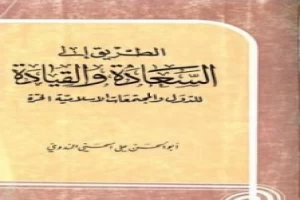
الطريق إلى السعادة والقيادة للدول والمجتمعات الإسلامية الحرة book pdf download

Language : Arabic
Date of Coming : 2022-08-10
book quality : Good
Section : Islam
Size of file : 2.74MB
Number of Pages : 224
Auther : Abu Al-Hassan Al-Nadwi
Department : Religions

Author: Abu Al-Hassan Al-Nadwi

About the Author: Ali Abu Al-Hassan Bin Abdul Hai Bin Fakhr Al-Din Al-Hasani – His lineage ends with Abdullah Al-Ashtar Bin Muhammad Dhi Al-Nafs Al-Zakiya Bin Abdullah Al-Mahad Bin Al-Hassan Al-Muthanna Bin Al-Imam Al-Hassan the greatest grandson Bin Ali Ibn Abi Talib. Some of his grandfathers, Prince Sayyid Qutb al-Din Muhammad al-Madani (AD 677 AH), immigrated to India at the beginning of the seventh century AH. He was born in the village of Tekkeh in the district of Rai Bareilly – in the northern state – (Uttar Pardash) in India. He began learning the Holy Quran at home with the help of his mother, then he began to learn the Urdu and Persian languages. His father passed away in the year 1341 AH (1923 AD) when he was still less than ten years old. His virtuous mother, and his older brother, Dr. Abd al-Ali al-Hassani, who was also a medical student after graduating from Dar al-Ulum Nadwat al-Ulama and Dar al-Uloom Deoband, raised him. He started learning Arabic on Sheikh Khalil bin Muhammad Al-Ansari Al-Yamani in 1342 AH / 1924 AD and graduated from it. He also benefited – in studying the Arabic language and its literature – from his uncles Sheikh Aziz al-Rahman and Sheikh Muhammad Talha, and expanded on it and specialized in Professor Dr. Taqi al-Din al-Hilali when he presented his presentation in the Symposium of Scholars 1930 AD. He attended the celebration of the Scholars Symposium in Canfort in 1926 AD, and attracted the attention of the participants in the celebration with his Arabic words, and some Arab guests used him for his travels outside the venue of the ceremony. He joined the University of Lucknow in the Arabic department in 1927 – he was the youngest student at the university – and he obtained a certificate of Fadel of Literature in Arabic language and literature. He read – during the first days of studying the Arabic language – books considered to be at the top in the Urdu language and literature, which helped him to carry out the duty of advocacy, explain the correct Islamic idea, and convince the educated class of modern culture. He studied the English language between 1928 – 1930 AD, which enabled him to read books written – in English – on Islamic subjects, Western civilization, its history and development, and benefit from them directly. He joined the House of Science for the Symposium of Scholars in 1929 AD, and attended the lessons of the noble hadith of the scholar, the hadith educator Haider Hassan Khan – and he had studied the book of Jihad from Sahih Muslim on his sheikh Khalil al-Ansari – and he needed two whole years, so he read to him the two Sahihs, the Sunan Abi Dawood, and Sunan al-Tirmidhi letter by letter. Lessons in the interpretation of al-Baydawi also, and he read some books of jurisprudence to the sheikh, the jurist, the Mufti Shibli Al-Jiragpuri Al-Azami He received the interpretation of selected surahs from his Sheikh Khalil Al-Ansari, then he received lessons in interpretation from Sheikh Abdul Hai Al-Faruqi, and attended the lessons of Al-Baydawi by the modernist Haider Hassan Khan, and studied the interpretation of the entire Holy Qur’an – according to the special curriculum for graduates from Islamic schools – on the scholar Ahmed Ali Al-Lahori in Lahore In the year 1351 AH / 1932 AD. He resided with the Mujahid scholar Hussain Ahmad Al-Madani in 1932 in the Dar Al-Ulum Deoband for several months, and attended his lessons in Sahih Al-Bukhari and Sunan Al-Tirmidhi, and benefited from it in interpretation and the sciences of the Noble Qur’an as well. He also benefited from the scholarly jurist and writer Azaz Ali in jurisprudence, and from the reciter Sheikh Asghar Ali in Tajweed on the narration of Hafs. He died on Friday, Ramadan 23, 1420 AH corresponding to December 31, 1999. In the village of Tekke Klan in the Ra’i Barili District (Yobi), India Dr. Syed Abdul Majid Al-Ghouri has an extensive book in his biography entitled (Abu Al-Hasan Al-Nadawi, the Imam, the Thinker, the Preacher, the Educator, the Writer), which was printed several times in the House of Ibn Kathir in Damascus. He also wrote in his biography Dr. Muhammad Akram Al-Nadawi, Dr. Muhammad Ejtba Al-Nadawi, Sheikh Yusuf Al-Qaradawi and others.

الطريق إلى السعادة والقيادة للدول والمجتمعات الإسلامية الحرة book pdf download By Abu Al-Hassan Al-Nadwi

الطريق إلى السعادة والقيادة للدول والمجتمعات الإسلامية الحرة pdf

Download PDF of الطريق إلى السعادة والقيادة للدول والمجتمعات الإسلامية الحرة book pdf download By Abu Al-Hassan Al-Nadwi
-Adrian Agency Library
Download Now

واقع العالم الإسلامي book pdf download

Size of file : 0.54MB
Date of Coming : 2022-08-10
book quality : Good
Number of Pages : 58
Department : Religions
Section : Islam
Language : Arabic
Auther : Abu Al-Hassan Al-Nadwi

Author: Abu Al-Hassan Al-Nadwi

About the Author: Ali Abu Al-Hassan Bin Abdul Hai Bin Fakhr Al-Din Al-Hasani – His lineage ends with Abdullah Al-Ashtar Bin Muhammad Dhi Al-Nafs Al-Zakiya Bin Abdullah Al-Mahad Bin Al-Hassan Al-Muthanna Bin Al-Imam Al-Hassan the greatest grandson Bin Ali Ibn Abi Talib. Some of his grandfathers, Prince Sayyid Qutb al-Din Muhammad al-Madani (AD 677 AH), immigrated to India at the beginning of the seventh century AH. He was born in the village of Tekkeh in the district of Rai Bareilly – in the northern state – (Uttar Pardash) in India. He began learning the Holy Quran at home with the help of his mother, then he began to learn the Urdu and Persian languages. His father passed away in the year 1341 AH (1923 AD) when he was still less than ten years old. His virtuous mother, and his older brother, Dr. Abd al-Ali al-Hassani, who was also a medical student after graduating from Dar al-Ulum Nadwat al-Ulama and Dar al-Uloom Deoband, raised him. He started learning Arabic on Sheikh Khalil bin Muhammad Al-Ansari Al-Yamani in 1342 AH / 1924 AD and graduated from it. He also benefited – in studying the Arabic language and its literature – from his uncles Sheikh Aziz al-Rahman and Sheikh Muhammad Talha, and expanded on it and specialized in Professor Dr. Taqi al-Din al-Hilali when he presented his presentation in the Symposium of Scholars 1930 AD. He attended the celebration of the Scholars Symposium in Canfort in 1926 AD, and attracted the attention of the participants in the celebration with his Arabic words, and some Arab guests used him for his travels outside the venue of the ceremony. He joined the University of Lucknow in the Arabic department in 1927 – he was the youngest student at the university – and he obtained a certificate of Fadel of Literature in Arabic language and literature. He read – during the first days of studying the Arabic language – books considered to be at the top in the Urdu language and literature, which helped him to carry out the duty of advocacy, explain the correct Islamic idea, and convince the educated class of modern culture. He studied the English language between 1928 – 1930 AD, which enabled him to read books written – in English – on Islamic subjects, Western civilization, its history and development, and benefit from them directly. He joined the House of Science for the Symposium of Scholars in 1929 AD, and attended the lessons of the noble hadith of the scholar, the hadith educator Haider Hassan Khan – and he had studied the book of Jihad from Sahih Muslim on his sheikh Khalil al-Ansari – and he needed two whole years, so he read to him the two Sahihs, the Sunan Abi Dawood, and Sunan al-Tirmidhi letter by letter. Lessons in the interpretation of al-Baydawi also, and he read some books of jurisprudence to the sheikh, the jurist, the Mufti Shibli Al-Jiragpuri Al-Azami He received the interpretation of selected surahs from his Sheikh Khalil Al-Ansari, then he received lessons in interpretation from Sheikh Abdul Hai Al-Faruqi, and attended the lessons of Al-Baydawi by the modernist Haider Hassan Khan, and studied the interpretation of the entire Holy Qur’an – according to the special curriculum for graduates from Islamic schools – on the scholar Ahmed Ali Al-Lahori in Lahore In the year 1351 AH / 1932 AD. He resided with the Mujahid scholar Hussain Ahmad Al-Madani in 1932 in the Dar Al-Ulum Deoband for several months, and attended his lessons in Sahih Al-Bukhari and Sunan Al-Tirmidhi, and benefited from it in interpretation and the sciences of the Noble Qur’an as well. He also benefited from the scholarly jurist and writer Azaz Ali in jurisprudence, and from the reciter Sheikh Asghar Ali in Tajweed on the narration of Hafs. He died on Friday, Ramadan 23, 1420 AH corresponding to December 31, 1999. In the village of Tekke Klan in the Ra’i Barili District (Yobi), India Dr. Syed Abdul Majid Al-Ghouri has an extensive book in his biography entitled (Abu Al-Hasan Al-Nadawi, the Imam, the Thinker, the Preacher, the Educator, the Writer), which was printed several times in the House of Ibn Kathir in Damascus. He also wrote in his biography Dr. Muhammad Akram Al-Nadawi, Dr. Muhammad Ejtba Al-Nadawi, Sheikh Yusuf Al-Qaradawi and others.

واقع العالم الإسلامي book pdf download By Abu Al-Hassan Al-Nadwi

هذان مقالان كتبهما سماحة الشيخ أبو الحسن علي الحسني الندوي لمؤتمرات إسلامية وجهت الدعوة إليه لحضورها في السوادن والكويت وقطر، ويعالج المقالان واقع العالم الإسلامي المرير ووسائل إخراجه منه. وعندما يتحدث سماحته عن واقع العالم الإسلامي يتحدث عن مسؤولية كل مسلم ودوره في اتنشال العالم الإسلامي من البحر الهائج للأفكار والمعتقدات التي تتعارض مع أفكاره وتصوراته الأصيلة لإعادته إلى عهد مجده وسيادته.

Download PDF of واقع العالم الإسلامي book pdf download By Abu Al-Hassan Al-Nadwi
-Adrian Agency Library

Download Now

مقالات وبحوث حول الاستشراق والمستشرقين book pdf download

Date of Coming : 2022-08-10
Size of file : 3.28MB
Language : Arabic
book quality : Good
Section : Islam
Department : Religions
Number of Pages : 82
Auther : Abu Al-Hassan Al-Nadwi

Author: Abu Al-Hassan Al-Nadwi

About the Author: Ali Abu Al-Hassan Bin Abdul Hai Bin Fakhr Al-Din Al-Hasani – His lineage ends with Abdullah Al-Ashtar Bin Muhammad Dhi Al-Nafs Al-Zakiya Bin Abdullah Al-Mahad Bin Al-Hassan Al-Muthanna Bin Al-Imam Al-Hassan the greatest grandson Bin Ali Ibn Abi Talib. Some of his grandfathers, Prince Sayyid Qutb al-Din Muhammad al-Madani (AD 677 AH), immigrated to India at the beginning of the seventh century AH. He was born in the village of Tekkeh in the district of Rai Bareilly – in the northern state – (Uttar Pardash) in India. He began learning the Holy Quran at home with the help of his mother, then he began to learn the Urdu and Persian languages. His father passed away in the year 1341 AH (1923 AD) when he was still less than ten years old. His virtuous mother, and his older brother, Dr. Abd al-Ali al-Hassani, who was also a medical student after graduating from Dar al-Ulum Nadwat al-Ulama and Dar al-Uloom Deoband, raised him. He started learning Arabic on Sheikh Khalil bin Muhammad Al-Ansari Al-Yamani in 1342 AH / 1924 AD and graduated from it. He also benefited – in studying the Arabic language and its literature – from his uncles Sheikh Aziz al-Rahman and Sheikh Muhammad Talha, and expanded on it and specialized in Professor Dr. Taqi al-Din al-Hilali when he presented his presentation in the Symposium of Scholars 1930 AD. He attended the celebration of the Scholars Symposium in Canfort in 1926 AD, and attracted the attention of the participants in the celebration with his Arabic words, and some Arab guests used him for his travels outside the venue of the ceremony. He joined the University of Lucknow in the Arabic department in 1927 – he was the youngest student at the university – and he obtained a certificate of Fadel of Literature in Arabic language and literature. He read – during the first days of studying the Arabic language – books considered to be at the top in the Urdu language and literature, which helped him to carry out the duty of advocacy, explain the correct Islamic idea, and convince the educated class of modern culture. He studied the English language between 1928 – 1930 AD, which enabled him to read books written – in English – on Islamic subjects, Western civilization, its history and development, and benefit from them directly. He joined the House of Science for the Symposium of Scholars in 1929 AD, and attended the lessons of the noble hadith of the scholar, the hadith educator Haider Hassan Khan – and he had studied the book of Jihad from Sahih Muslim on his sheikh Khalil al-Ansari – and he needed two whole years, so he read to him the two Sahihs, the Sunan Abi Dawood, and Sunan al-Tirmidhi letter by letter. Lessons in the interpretation of al-Baydawi also, and he read some books of jurisprudence to the sheikh, the jurist, the Mufti Shibli Al-Jiragpuri Al-Azami He received the interpretation of selected surahs from his Sheikh Khalil Al-Ansari, then he received lessons in interpretation from Sheikh Abdul Hai Al-Faruqi, and attended the lessons of Al-Baydawi by the modernist Haider Hassan Khan, and studied the interpretation of the entire Holy Qur’an – according to the special curriculum for graduates from Islamic schools – on the scholar Ahmed Ali Al-Lahori in Lahore In the year 1351 AH / 1932 AD. He resided with the Mujahid scholar Hussain Ahmad Al-Madani in 1932 in the Dar Al-Ulum Deoband for several months, and attended his lessons in Sahih Al-Bukhari and Sunan Al-Tirmidhi, and benefited from it in interpretation and the sciences of the Noble Qur’an as well. He also benefited from the scholarly jurist and writer Azaz Ali in jurisprudence, and from the reciter Sheikh Asghar Ali in Tajweed on the narration of Hafs. He died on Friday, Ramadan 23, 1420 AH corresponding to December 31, 1999. In the village of Tekke Klan in the Ra’i Barili District (Yobi), India Dr. Syed Abdul Majid Al-Ghouri has an extensive book in his biography entitled (Abu Al-Hasan Al-Nadawi, the Imam, the Thinker, the Preacher, the Educator, the Writer), which was printed several times in the House of Ibn Kathir in Damascus. He also wrote in his biography Dr. Muhammad Akram Al-Nadawi, Dr. Muhammad Ejtba Al-Nadawi, Sheikh Yusuf Al-Qaradawi and others.

مقالات وبحوث حول الاستشراق والمستشرقين book pdf download By Abu Al-Hassan Al-Nadwi

بحوث قيِّمة حول موضوع الاستشراق والمستشرقين، وبيان لجهودهم وإنتاجهم، وانتقاد منهجهم في تلمُّس المعايب والنقائص، وتضخيمها، وتصيُّدهم لمواضع الضعف والنقد، وصرَّح المؤلف بهذا المنهج الملتوي ونتائجه الخطيرة؛ بسبب الاعتماد الزائد على البحوث الاستشراقية في الأوساط العلمية.

Download PDF of مقالات وبحوث حول الاستشراق والمستشرقين book pdf download By Abu Al-Hassan Al-Nadwi
-Adrian Agency Library
Download Now

أحاديث صريحة في أمريكا book pdf download

Section : Islam
book quality : Good
Auther : Abu Al-Hassan Al-Nadwi
Language : Arabic
Department : Religions
Date of Coming : 2022-08-10
Number of Pages : 89
Size of file : 1.56MB

Author: Abu Al-Hassan Al-Nadwi

About the Author: Ali Abu Al-Hassan Bin Abdul Hai Bin Fakhr Al-Din Al-Hasani – His lineage ends with Abdullah Al-Ashtar Bin Muhammad Dhi Al-Nafs Al-Zakiya Bin Abdullah Al-Mahad Bin Al-Hassan Al-Muthanna Bin Al-Imam Al-Hassan the greatest grandson Bin Ali Ibn Abi Talib. Some of his grandfathers, Prince Sayyid Qutb al-Din Muhammad al-Madani (AD 677 AH), immigrated to India at the beginning of the seventh century AH. He was born in the village of Tekkeh in the district of Rai Bareilly – in the northern state – (Uttar Pardash) in India. He began learning the Holy Quran at home with the help of his mother, then he began to learn the Urdu and Persian languages. His father passed away in the year 1341 AH (1923 AD) when he was still less than ten years old. His virtuous mother, and his older brother, Dr. Abd al-Ali al-Hassani, who was also a medical student after graduating from Dar al-Ulum Nadwat al-Ulama and Dar al-Uloom Deoband, raised him. He started learning Arabic on Sheikh Khalil bin Muhammad Al-Ansari Al-Yamani in 1342 AH / 1924 AD and graduated from it. He also benefited – in studying the Arabic language and its literature – from his uncles Sheikh Aziz al-Rahman and Sheikh Muhammad Talha, and expanded on it and specialized in Professor Dr. Taqi al-Din al-Hilali when he presented his presentation in the Symposium of Scholars 1930 AD. He attended the celebration of the Scholars Symposium in Canfort in 1926 AD, and attracted the attention of the participants in the celebration with his Arabic words, and some Arab guests used him for his travels outside the venue of the ceremony. He joined the University of Lucknow in the Arabic department in 1927 – he was the youngest student at the university – and he obtained a certificate of Fadel of Literature in Arabic language and literature. He read – during the first days of studying the Arabic language – books considered to be at the top in the Urdu language and literature, which helped him to carry out the duty of advocacy, explain the correct Islamic idea, and convince the educated class of modern culture. He studied the English language between 1928 – 1930 AD, which enabled him to read books written – in English – on Islamic subjects, Western civilization, its history and development, and benefit from them directly. He joined the House of Science for the Symposium of Scholars in 1929 AD, and attended the lessons of the noble hadith of the scholar, the hadith educator Haider Hassan Khan – and he had studied the book of Jihad from Sahih Muslim on his sheikh Khalil al-Ansari – and he needed two whole years, so he read to him the two Sahihs, the Sunan Abi Dawood, and Sunan al-Tirmidhi letter by letter. Lessons in the interpretation of al-Baydawi also, and he read some books of jurisprudence to the sheikh, the jurist, the Mufti Shibli Al-Jiragpuri Al-Azami He received the interpretation of selected surahs from his Sheikh Khalil Al-Ansari, then he received lessons in interpretation from Sheikh Abdul Hai Al-Faruqi, and attended the lessons of Al-Baydawi by the modernist Haider Hassan Khan, and studied the interpretation of the entire Holy Qur’an – according to the special curriculum for graduates from Islamic schools – on the scholar Ahmed Ali Al-Lahori in Lahore In the year 1351 AH / 1932 AD. He resided with the Mujahid scholar Hussain Ahmad Al-Madani in 1932 in the Dar Al-Ulum Deoband for several months, and attended his lessons in Sahih Al-Bukhari and Sunan Al-Tirmidhi, and benefited from it in interpretation and the sciences of the Noble Qur’an as well. He also benefited from the scholarly jurist and writer Azaz Ali in jurisprudence, and from the reciter Sheikh Asghar Ali in Tajweed on the narration of Hafs. He died on Friday, Ramadan 23, 1420 AH corresponding to December 31, 1999. In the village of Tekke Klan in the Ra’i Barili District (Yobi), India Dr. Syed Abdul Majid Al-Ghouri has an extensive book in his biography entitled (Abu Al-Hasan Al-Nadawi, the Imam, the Thinker, the Preacher, the Educator, the Writer), which was printed several times in the House of Ibn Kathir in Damascus. He also wrote in his biography Dr. Muhammad Akram Al-Nadawi, Dr. Muhammad Ejtba Al-Nadawi, Sheikh Yusuf Al-Qaradawi and others.

أحاديث صريحة في أمريكا book pdf download By Abu Al-Hassan Al-Nadwi

هذا الكتاب هو مجموع محاضرات ألقاها العلامة الندوي في أمكنة مختلفة في الولايات المتحدة الأمريكية وكندا. من هذه المحاضرات: لا وزن لنا إلا بالاعتزاز بالإسلام، المدنيات المعاصرة في مرآة القرآن، ما وجدته في أمريكا وما افتقدته، وغيرها من المحاضرات.

Download PDF of أحاديث صريحة في أمريكا book pdf download By Abu Al-Hassan Al-Nadwi
-Adrian Agency Library

Download Now

نفحات الإيمان بين صنعاء وعمان book pdf download

Date of Coming : 2022-08-10
Auther : Abu Al-Hassan Al-Nadwi
Size of file : 1.35MB
book quality : Good
Department : Religions
Section : Islam
Number of Pages : 50
Language : Arabic

Author: Abu Al-Hassan Al-Nadwi

About the Author: Ali Abu Al-Hassan Bin Abdul Hai Bin Fakhr Al-Din Al-Hasani – His lineage ends with Abdullah Al-Ashtar Bin Muhammad Dhi Al-Nafs Al-Zakiya Bin Abdullah Al-Mahad Bin Al-Hassan Al-Muthanna Bin Al-Imam Al-Hassan the greatest grandson Bin Ali Ibn Abi Talib. Some of his grandfathers, Prince Sayyid Qutb al-Din Muhammad al-Madani (AD 677 AH), immigrated to India at the beginning of the seventh century AH. He was born in the village of Tekkeh in the district of Rai Bareilly – in the northern state – (Uttar Pardash) in India. He began learning the Holy Quran at home with the help of his mother, then he began to learn the Urdu and Persian languages. His father passed away in the year 1341 AH (1923 AD) when he was still less than ten years old. His virtuous mother, and his older brother, Dr. Abd al-Ali al-Hassani, who was also a medical student after graduating from Dar al-Ulum Nadwat al-Ulama and Dar al-Uloom Deoband, raised him. He started learning Arabic on Sheikh Khalil bin Muhammad Al-Ansari Al-Yamani in 1342 AH / 1924 AD and graduated from it. He also benefited – in studying the Arabic language and its literature – from his uncles Sheikh Aziz al-Rahman and Sheikh Muhammad Talha, and expanded on it and specialized in Professor Dr. Taqi al-Din al-Hilali when he presented his presentation in the Symposium of Scholars 1930 AD. He attended the celebration of the Scholars Symposium in Canfort in 1926 AD, and attracted the attention of the participants in the celebration with his Arabic words, and some Arab guests used him for his travels outside the venue of the ceremony. He joined the University of Lucknow in the Arabic department in 1927 – he was the youngest student at the university – and he obtained a certificate of Fadel of Literature in Arabic language and literature. He read – during the first days of studying the Arabic language – books considered to be at the top in the Urdu language and literature, which helped him to carry out the duty of advocacy, explain the correct Islamic idea, and convince the educated class of modern culture. He studied the English language between 1928 – 1930 AD, which enabled him to read books written – in English – on Islamic subjects, Western civilization, its history and development, and benefit from them directly. He joined the House of Science for the Symposium of Scholars in 1929 AD, and attended the lessons of the noble hadith of the scholar, the hadith educator Haider Hassan Khan – and he had studied the book of Jihad from Sahih Muslim on his sheikh Khalil al-Ansari – and he needed two whole years, so he read to him the two Sahihs, the Sunan Abi Dawood, and Sunan al-Tirmidhi letter by letter. Lessons in the interpretation of al-Baydawi also, and he read some books of jurisprudence to the sheikh, the jurist, the Mufti Shibli Al-Jiragpuri Al-Azami He received the interpretation of selected surahs from his Sheikh Khalil Al-Ansari, then he received lessons in interpretation from Sheikh Abdul Hai Al-Faruqi, and attended the lessons of Al-Baydawi by the modernist Haider Hassan Khan, and studied the interpretation of the entire Holy Qur’an – according to the special curriculum for graduates from Islamic schools – on the scholar Ahmed Ali Al-Lahori in Lahore In the year 1351 AH / 1932 AD. He resided with the Mujahid scholar Hussain Ahmad Al-Madani in 1932 in the Dar Al-Ulum Deoband for several months, and attended his lessons in Sahih Al-Bukhari and Sunan Al-Tirmidhi, and benefited from it in interpretation and the sciences of the Noble Qur’an as well. He also benefited from the scholarly jurist and writer Azaz Ali in jurisprudence, and from the reciter Sheikh Asghar Ali in Tajweed on the narration of Hafs. He died on Friday, Ramadan 23, 1420 AH corresponding to December 31, 1999. In the village of Tekke Klan in the Ra’i Barili District (Yobi), India Dr. Syed Abdul Majid Al-Ghouri has an extensive book in his biography entitled (Abu Al-Hasan Al-Nadawi, the Imam, the Thinker, the Preacher, the Educator, the Writer), which was printed several times in the House of Ibn Kathir in Damascus. He also wrote in his biography Dr. Muhammad Akram Al-Nadawi, Dr. Muhammad Ejtba Al-Nadawi, Sheikh Yusuf Al-Qaradawi and others.

نفحات الإيمان بين صنعاء وعمان book pdf download By Abu Al-Hassan Al-Nadwi

هذا الكتاب يحتوي على مجموعة الأحاديث التي ألقاها سماحة الشيخ أبي الحسن الندوي في الأردن واليمن اللذين زارهما في رجب وشعبان من عام 1404هـ، وكان قد دوّنها الشيخ واضح رشيد الندوي الذي كان قد رافق الشيخ في رحلته.

Download PDF of نفحات الإيمان بين صنعاء وعمان book pdf download By Abu Al-Hassan Al-Nadwi
-Adrian Agency Library
Download Now