الوجه الآخر للمسيح book pdf download

Date of Coming : 2022-08-10
Number of Pages : 260
Language : Arabic
Department : Religions
Size of file : 9.29MB
Auther : Firas Al-Sawah
Section : Islam
book quality : Good

Author: Firas Al-Sawah

About the Author: – A Syrian thinker looking at mythology and the history of religions as an introduction to understanding the spiritual dimension of man. He was born in 1941 in Homs, where he studied and obtained a secondary certificate, after which he moved to study in Damascus and obtained a bachelor’s degree in economics in 1965 from Damascus University. He was fascinated by mythology and the history of religions early, so he wrote in newspapers and magazines since 1958. – He published his first research in the Lebanese Journal of Arts in 1960 AD – He worked in the Management Development Center of the International Labor Organization in Damascus between 1969 – 1978 AD – He issued his founding book The First Adventure of the Mind in 1976 AD – He worked in an oil company in Abu Dhabi between 1979-1986 AD – In 1985 AD, he published his famous book The Ishtar Mystery – he devoted himself to studying history, mythology and the history of religions independently – he contributed to two books in English issued in Britain, the first of which is Jerusalem between the Torah and History, edited by the American researcher at the University of Copenhagen Thomas Thomson, and the second is the polemics of the history of ancient Israel and the building of the state in Palestine, edited by the English researcher Webkin – published in Beijing in cooperation with researcher Dr. Zhao Kuo a book in Chinese and Arabic on the Chinese sage Lao Tzu – is currently working on the history of Middle Eastern religions at Beijing University of Foreign Studies

الوجه الآخر للمسيح book pdf download By Firas Al-Sawah

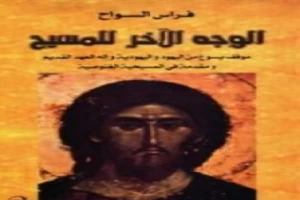
الوجه الآخر للمسيح: موقف يسوع من اليهود واليهودية وإله العهد القديم – ومقدمة في المسيحية الغنوصية إن الصورة التي رسمتها التفسيرات الضيقة والأحادية الجانب ليسوع، هي صورة شخصية يهودية أحدثت انقلاباً داخل المؤسسة الدينية اليهودية، من خلال تعاليم ومواقف وأفعال عبرت عن تجاوز الموروث وقادت إلى تشكيل كنيسة مستقلة، على الرقم من بقائها إلى هذا الحد أو ذاك على ارتباط روحي بالتركة التوراتية، من خلال اعتبار كتاب التوراة عهداً قديماً للمسيحية وجذراً لها. المفكر السوري فراس السواح، يتحدى في كتابه الجديد هذه الصورة التقليدية ليسوع، ويرسم صورة وجه آخر للمسيح، وهو المسيح الجليلي الكنعاني الذي نادى برسالة إنسانية شمولية، جاءت منذ البداية في استقلال تام عن اليهودية وعن الوثنية التقليدية للمنطقة. فيسوع لم يتجاوز اليهودية من داخلها، وإنما سعى إلى تقويضها من موقع مفارق، وتأسست رسالته على قاعدة نقدية شاملة لليهود واليهودية، ولإله اليهود الذي ليس له سلطة على يسوع ولا على المؤمنين برسالته، على ما ورد في إنجيل يوحنا 14:30. اعتمد الكاتب في منهجه على مقاربة نقد-نصية، قرأ من خلالها نصوص الإنجيل بعيداً عن التفسيرات الرسمية كما اعتمد مقاربة تاريخية بحث من خلالها تاريخ الجليل، موطن يسوع، وتركيبه الثقافي والإثني، في محاولة للكشف عن أصول يسوع، وعن تكوينه الثقافي والديني. ثم أعطى بعد ذلك حيزاً للبحث في المسيحية الغنوصية، التي أسست لكنيسة واسعة الانتشار طرحت نفسها بديلاً عن كنيسة روما، وأحدثت قطيعة تامة مع التاريخ الديني اليهودي، وطابقت بين إله اليهود والشيطان

Download PDF of الوجه الآخر للمسيح book pdf download By Firas Al-Sawah
-Adrian Agency Library

Download Now

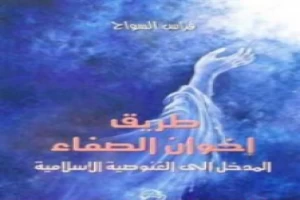
إخوان الصفاء: المدخل إلى الغنوصية الإسلامية book pdf download

book quality : Good
Department : Religions
Auther : Firas Al-Sawah
Language : Arabic
Size of file : 8.36MB
Number of Pages : 320
Date of Coming : 2022-08-10
Section : Islam

Author: Firas Al-Sawah

About the Author: – A Syrian thinker looking at mythology and the history of religions as an introduction to understanding the spiritual dimension of man. He was born in 1941 in Homs, where he studied and obtained a secondary certificate, after which he moved to study in Damascus and obtained a bachelor’s degree in economics in 1965 from Damascus University. He was fascinated by mythology and the history of religions early, so he wrote in newspapers and magazines since 1958. – He published his first research in the Lebanese Journal of Arts in 1960 AD – He worked in the Management Development Center of the International Labor Organization in Damascus between 1969 – 1978 AD – He issued his founding book The First Adventure of the Mind in 1976 AD – He worked in an oil company in Abu Dhabi between 1979-1986 AD – In 1985 AD, he published his famous book The Ishtar Mystery – he devoted himself to studying history, mythology and the history of religions independently – he contributed to two books in English issued in Britain, the first of which is Jerusalem between the Torah and History, edited by the American researcher at the University of Copenhagen Thomas Thomson, and the second is the polemics of the history of ancient Israel and the building of the state in Palestine, edited by the English researcher Webkin – published in Beijing in cooperation with researcher Dr. Zhao Kuo a book in Chinese and Arabic on the Chinese sage Lao Tzu – is currently working on the history of Middle Eastern religions at Beijing University of Foreign Studies

إخوان الصفاء: المدخل إلى الغنوصية الإسلامية book pdf download By Firas Al-Sawah

إخوان الصفاء وخلان الوفاء، جمعية سرية تأسست على الأغلب في مدينة البصرة حاضرة الثقافة الإسلامية، في زمن ما من النصف الأول من القرن الرابع الهجري (العاشر الميلادي)، وتركت لنا ميراثاً فكرياً وروحياً متميزاً، بقيت آثاره فاعلة في الثقافة العربية عبر عصورها، يتمثل في اثنتين وخمسين رسالة لم يذكر مؤلفاها أسماءهم، تستغرق في الطبعات الحديثة نحو ألفين وخمسمائة صفحة، تبحث في شتى معارف عصرهم من فلسفة وعلوم وإلهيات، وتهدف إلى التأسيس لمذهب إسلامي ذي طابع كوني، يستغرق المذاهب كلها ويوحد بينها… لقد تأثر الإخوان بالفلسفة اليونانية، ووضعوا فيثاغورث وأفلاطون وأرسطو في درجة تعادل درجة الأنبياء، واستشهدوا بأقوالهم في سياق واحد مع أقوال عيسى المسيح والرسول الكريم: كما تأثروا بالفلسفة الأفلاطونية الحديثة التي نشطت في المشرق العربي في العصر الهيلينستي، لا سيما فيما يتعلق بنظرية الفيض الإلهي التي تفسر كيفية ظهور العالم من الله سبحانه وتعالى، وصبت في إنائهم الفكري تيارات قادمة من الهند وفارس، والصائبة المحليين في حران وهم أصحاب عقيدة كوكبية تقدس الأجرام السماوية، ولكنهم خرجوا من ذلك كله بمذهب أصيل أسس لغنوصية إسلامية أعطت ثمارها بعد ذلك في الفكر الصوفي، ولدى الفرق الإسلامية ذات الطابع الفلسفي وهي: الإسماعيلية والنصيرية والدرزية. لقد أردت أن أُخرج رسائل إخوان الصفاء من حلقات الدراسة الأكاديمية، الفلسفية منها خاصة، لأضعها بين أيدي أوسع شريحة ممكنة من القراء، ليطلعوا عليها عن طريق نصوصها ولغتها الأصلية، ويصدق وحرارة أسلوبها، وأقدم لمن تاقت نفسه لقراءتها ولم يجد سبيلاً إلى الولوج إليها، مزدلفاً سهلاً من خلال زيدتها التي استخلصتها في هذا الكتاب، الذي أردت له أن يتخذ شكل “رسالة جامعة عصرية” لرسائل إخوان الصفاء، التي تحتاج اليوم إلى قراءتها أكثر من أي وقت مضى، في زمن تسود فيه الطائفية والمذهبية والتعصب، ويُختصر الدين إلى جملة من الشعائر الشكلية المنقطعة عن أصولها الروحانية

Download PDF of إخوان الصفاء: المدخل إلى الغنوصية الإسلامية book pdf download By Firas Al-Sawah
-Adrian Agency Library

Download Now

وعود الإسلام book pdf download

Department : Religions
book quality : Good
Number of Pages : 229
Size of file : 3.08MB
Auther : Roger Garaudy
Section : Islam
Language : Arabic
Date of Coming : 2022-08-10

Author: Roger Garaudy

About the Author: He is a French philosopher and writer. During World War II he was taken as a prisoner of war in Djelfa (Algeria). Garaudy was a communist, but he was expelled from the French Communist Party in 1970 AD for his continuous criticism of the Soviet Union, and since he was a member of the Christian-Communist dialogue in the sixties, he found himself attracted to religion and tried to combine Catholicism with communism during the seventies, then soon embraced Islam in 1982, taking the name Raja. Garaudy says about his conversion to Islam, that he found that Western civilization was built on a wrong understanding of man, and that throughout his life he was looking for a specific meaning that he found only in Islam. He remained committed to the values ​​of social justice that he believed in in the Communist Party, and found that Islam was in harmony with that and applied it to a superior extent. He remained hostile to imperialism and capitalism, especially to America. After the massacres of Sabra and Shatila in Lebanon, Garaudy issued a statement that occupied the twelfth page of the June 17, 1982 issue of the French newspaper Le Monde entitled (The Meaning of the Israeli Aggression after the Massacres of Lebanon). This statement was the beginning of Garaudy’s clash with the Zionist organizations that launched a campaign against him in France and the world. In 1998, Garaudy was sentenced by a French court for questioning the Holocaust in his book The Founding Myths of the State of Israel, in which he questioned common figures about the extermination of European Jews in gas chambers by the Nazis. On the second of July 1982, Jaroudi converted to Islam, and before that he converted to Protestantism at the age of fourteen, and joined the ranks of the French Communist Party, and in 1945 he was elected as a deputy in Parliament and then obtained a doctorate in philosophy from the Sorbonne University in 1953 and in 1954 he obtained a doctorate In Science from Moscow. Then he was elected a member of the Senate and in 1970 he founded the Center for Marxist Studies and Research and remained its director for ten years. And then Garaudy started leaning towards Islam. At this stage, many of Garaudy’s convictions were mixed, but Islam remained the only firm conviction, and he continued to search for the point where the conscience meets the mind, and considers that Islam has already enabled him to reach the point of unification between them, while events seem blurry and based on quantitative growth and violence, while the The Qur’an considers the universe and humanity as one unit. Despite the modernity of Islam Garaudy and the many difficulties he faced, both in terms of language and culture, he was able to compose more than forty books, including: The Promises of Islam Islam The Religion of the Future The Mosque The Mirror of Islam Islam and the Crisis of the West The Dialogue of Civilizations How Human Became a Human Palestine The Cradle of Heavenly Messages The Future of Women and Others Garaudy died at 13 June 2012

وعود الإسلام book pdf download By Roger Garaudy

منذ قرون و الغرب يتجاهل الاسلام و يرى في العدو اللدود , و ان موجة النهضة و التكامل الاسلاميتين ما تزالان تثيران الكثير من الريبة و القلق لدى الغربيين و تروج عدم جدوى أفكار الشرق “الهمجي” هذه النظرة المتخلفة , كانت و ما تزال مبررا لتمرير مشاريع الغرب الصليبي , الاستعمارية و الامبريالية , مبررا ايضا لاعفائه من الاعتراف بجرائمه و مسؤولياته الذاتية . ان روجيه غارودي يشهر في هذا الكتاب بحدة داء العمى القاتل و يدعو الى حوار حقيقي , بين مختلف الحضارات التي تكون أمام التاريخ مجموعة من الاخوة , انه يذكرنا بما يدين به الغرب للاسلام الذي و بدون كلل , غذى و أخصب قوته و فلسفته و علومه و تقنيته و ادابه .

Download PDF of وعود الإسلام book pdf download By Roger Garaudy
-Adrian Agency Library
Download Now

الاسلام في الغرب : قرطبة عاصمة العالم book pdf download

Section : Islam
Department : Religions
Date of Coming : 2022-08-10
Auther : Roger Garaudy
Language : Arabic
book quality : Good
Number of Pages : 268
Size of file : 8.31MB

Author: Roger Garaudy

About the Author: He is a French philosopher and writer. During World War II he was taken as a prisoner of war in Djelfa (Algeria). Garaudy was a communist, but he was expelled from the French Communist Party in 1970 AD for his continuous criticism of the Soviet Union, and since he was a member of the Christian-Communist dialogue in the sixties, he found himself attracted to religion and tried to combine Catholicism with communism during the seventies, then soon embraced Islam in 1982, taking the name Raja. Garaudy says about his conversion to Islam, that he found that Western civilization was built on a wrong understanding of man, and that throughout his life he was looking for a specific meaning that he found only in Islam. He remained committed to the values ​​of social justice that he believed in in the Communist Party, and found that Islam was in harmony with that and applied it to a superior extent. He remained hostile to imperialism and capitalism, especially to America. After the massacres of Sabra and Shatila in Lebanon, Garaudy issued a statement that occupied the twelfth page of the June 17, 1982 issue of the French newspaper Le Monde entitled (The Meaning of the Israeli Aggression after the Massacres of Lebanon). This statement was the beginning of Garaudy’s clash with the Zionist organizations that launched a campaign against him in France and the world. In 1998, Garaudy was sentenced by a French court for questioning the Holocaust in his book The Founding Myths of the State of Israel, in which he questioned common figures about the extermination of European Jews in gas chambers by the Nazis. On the second of July 1982, Jaroudi converted to Islam, and before that he converted to Protestantism at the age of fourteen, and joined the ranks of the French Communist Party, and in 1945 he was elected as a deputy in Parliament and then obtained a doctorate in philosophy from the Sorbonne University in 1953 and in 1954 he obtained a doctorate In Science from Moscow. Then he was elected a member of the Senate and in 1970 he founded the Center for Marxist Studies and Research and remained its director for ten years. And then Garaudy started leaning towards Islam. At this stage, many of Garaudy’s convictions were mixed, but Islam remained the only firm conviction, and he continued to search for the point where the conscience meets the mind, and considers that Islam has already enabled him to reach the point of unification between them, while events seem blurry and based on quantitative growth and violence, while the The Qur’an considers the universe and humanity as one unit. Despite the modernity of Islam Garaudy and the many difficulties he faced, both in terms of language and culture, he was able to compose more than forty books, including: The Promises of Islam Islam The Religion of the Future The Mosque The Mirror of Islam Islam and the Crisis of the West The Dialogue of Civilizations How Human Became a Human Palestine The Cradle of Heavenly Messages The Future of Women and Others Garaudy died at 13 June 2012

الاسلام في الغرب : قرطبة عاصمة العالم book pdf download By Roger Garaudy

لم يتغلل الإسلام في الغرب جراء فتح عسكري و إنما بثورة ثقافية. فهو لا يزعم أن دين جديد نشأ في البلاد الغربية في القرن السابع. فالقرآن لا ينص صراحة أن محمداً (ليس بدعاً من الأنبياء)، و لكنه جاء يؤكد و يتمم الأديان السابقة. و هو يردد في مناسبات شتى أن إبراهيم و موسى و عيسى و محمد كانوا رسلاً لله. و هكذا أمكن لأسبانيا المسلمة أن يتحقق التعايش الخصب للثقافات الثلاث: اليهودية و المسيحية و الإسلامية. و كانت قرطبة و هي في أوجها، أكبر مدينة في العالم من حيث عدد سكانها و خاصة باشعاع ثقافتنا و في جامعة قرطبة، أعد، من أجل أوروبا بأكملها، العلم الحديث، التجريبي و الرياضي. و لكن هذا العلم لم يكن أبداً منفصلاً عن الحكمة ( التأمل في غايات العلم) و لا عن الإيمان بقيم السنة الابراهيمية المطلقة. فإن واقع الحال لمثل هذه الرسالة اليوم لجلي حيث انفصال العلم عن الحكمة و الإيمان يضع حضارتنا في خطر بفقدانها للغاية و الأمان. إن نهضة أوروبا الحقيقية لم تبدأ في إيطاليا في القرن السادس عشر و إنما في إسبانيا بالقرن الثالث عشر و هذا الكتاب يقدم تفكيراً حول أصول هذا الأمر الهائل.

Download PDF of الاسلام في الغرب : قرطبة عاصمة العالم book pdf download By Roger Garaudy
-Adrian Agency Library

Download Now

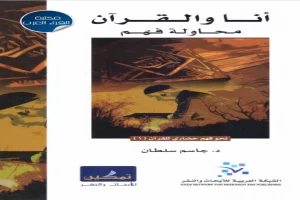
أنا والقرآن – محاولة فهم book pdf download

Date of Coming : 2022-08-10
Section : Islam
Department : Religions
Language : Arabic
book quality : Good
Number of Pages : 259
Auther : Jassim Mohammed Sultan
Size of file : 4.17MB

Author: Jassim Mohammed Sultan

About the Author: – Owner of the Leaders Tools Series (from which six books have been published so far by the author): A book from awakening to vigilance Laws of Renaissance Philosophy of History Historical Memory Strategic Thinking Rules of Political Practice The general framework of the Leadership Development Program with the Leaders Tools methodology. – Chairman of the Board of Directors of the House of Expertise for Training and Development. – Chairman of the Board of Directors of Tanmia for Development Studies and Consultations – Expert in strategic planning and strategic management. – Oversaw the strategic planning and training of cadres for several institutions in more than one Arab country. – General Supervisor of the Al-Nahda website.

أنا والقرآن – محاولة فهم book pdf download By Jassim Mohammed Sultan

محاولة فهم لإزاحة أفهام العصور من المشهد وترك النص يتحدث عن ذاته مع القارئ، فلطالما قرأنا القرآن بعيون مسافر آخر (المفسر)، والذي ربما لم يسافر الرحلة بل نقلها من مسافر سابق له، هكذا مع النقل والنقل تتوارى الرسالة الحقيقية وتغيب الصورة ويبقى السؤال الكبير ماذا يحتاج من يريد ان يقوم برحلته الخاصة من خبرات من سبقه في السفر؟ أقول قد يحتاج لمعنى أو لفته أو تذكير ولكن ما دام هو المسافر فعليه أن ينظر بعيونه هو، ويرصد ما يقع أمامه من خبر ويطرح أسئلته على النّص وبذلك يعرف بقدر وسعه وطاقته مراد المرسل وروح الراسالة. إن سؤال المسافر هنا وهو شخص الكاتب: ماذا يقول القرآن للقارئ عبر الزمان والمكان من بعد انقضاء 1400 سنة على نزول الوحي؟ ما الذي يمكن أن يرد على عقله من أفكار النص؟ ما الذي يطرحه هو على النص من الأسئلة؟ تلك فكرة الكتاب وتلك روحه، أرد الدكتور جاسم أن أشارك القارئ معه في هذه الرحلة، ولكن لن يغنيه ذلك من أن تكون له في مرحلة ما من حيياته رحلته الخاصة مع القرآن المسافر هنا هو العقل والوجدان، والرحلة هي سير بين الآيات بمعناها الواسع، والغاية هي الوصول إلى الحقيقة القرآنية، والزاد هو ما جمعته عبر السنين من معرفة بالقرىن وبالحياة. كتاب سيتبعه العديد من الكتب يبدأ بسورتي الفاتحة والبقرة يحتوي ثلاث أبواب، الباب الثالث يحتوي ثلاث فصول ليس كتاب تفسير ولا كتاب سرد قصص وأحداث، وإنما هو محاولة غوص متواضعة في بحر أفكار القرآن الكبرى، ومحاولة تقريب للمهتمين.

Download PDF of أنا والقرآن – محاولة فهم book pdf download By Jassim Mohammed Sultan
-Adrian Agency Library
Download Now

الصحوة الإسلامية في ميزان العقل book pdf download

Date of Coming : 2022-08-10
Department : Religions
Language : Arabic
Auther : Fouad Zakaria
Number of Pages : 226
Section : Islam
book quality : Good
Size of file : 8.76MB

Author: Fouad Zakaria

About the Author: Fouad Zakaria (Port Said December 1927 – March 11 2010 / 25 Rabi’ al-Awwal 1431 AH), an Egyptian academic and university professor specializing in philosophy. He graduated from the Department of Philosophy at the Faculty of Arts – Cairo University in 1949. He obtained a master’s degree in 1952 and a doctorate in 1956 in philosophy from Ain Shams University. He worked as Head of the Philosophy Department at Ain Shams University until 1974. He worked as a Professor of Philosophy and Head of its Department at Kuwait University (1974 – 1991). He was the editor-in-chief of “Contemporary Thought” and “The Heritage of Humanity” magazines in Egypt. He worked as a consultant for culture and human sciences at the National Committee for UNESCO in Cairo and held the position of editorial advisor for the Kuwaiti Knowledge World series. Fouad Zakaria presented to the Arab Library many written and translated philosophical and intellectual works, in addition to articles and studies in newspapers and magazines related to intellectual and social problems and criticism of the prevailing Arab thought and the Egyptian reality. In his philosophical studies and writings, he presents a solid philosophical language, an outstanding ability to analyze and criticize, and an accurate understanding of philosophical terminology. Fouad Zakaria is also the author of the article (Secularism is the Solution) in response to the call (Islam is the solution), and the author of the theory that the Western cultural invasion is a myth that does not exist, and one of the most prominent opponents of the Salafi approach and its critics, he ridiculed the contemporary Islamic trends committed to this approach. He claimed that, by her commitment to it, she was focusing on adhering to the form of Islam rather than its content. He is accused of being a non-revolutionary who did not criticize the negative aspects of Abdel Nasser’s rule and that he is one of the liberal elite who were not willing to pay the price for their political and intellectual positions, so they hypocritical and did not announce themselves until after Abdel Nasser’s death. They include in this elite Tawfiq al-Hakim, Naguib Mahfouz and Dr. Mustafa Mahmoud, Tharwat Abaza, Saleh Jawdat, Anis Mansour, and Jalal Al-Din Al-Hamamsi.

الصحوة الإسلامية في ميزان العقل book pdf download By Fouad Zakaria

يتضمن إيقاع التاريخ والحضارة والفكر الإسلامي وبعض المشكلات المعاصرة والمسلمون والفكر العالمي. نبذة المؤلف: ينصب البحث فى هذا الكتاب على الفكر الاسلامى فى مواجهته لمشكلات العصر وهو لا يزعم انه يستهدف استخلاص مفاهيم عصرية من المناهج الاصلية للفكر الاسلامى وهى القران والسنة بل انه يرتكز على تحليل الطرق التى فهم بها المسلمون المعاصرون تلك المنابع الاصلية للعقيدة والفرق بين الامرين على جانب كبير من الاهمية : ذلك لاننا نشهد كل يوم محاولات لتفسير الايات والاحاديث على انحاء تتيح للمفسرين ان يهتدوا فيها الى كشوف او نظريات عملية حديثة الى اتجاهات اجتماعية وسياسية عصرية والى اهم مبادى التشريعات التى تنظم حياة الانسان غير ان تعدد هذه التفسيرات وتناقض الاتجاهات التى تستخلص منها والتى يزعم كل منها انه هو الذى يعبر عن روح النص الاصلى كل هذا كفيل باقناعنا بعدم جدوى هذه المحاولات وبانها فى حقيقتها مجادلات يمكن ان تستمر الى ما لا نهاية دون ان تحسم امرا واحدا .

Download PDF of الصحوة الإسلامية في ميزان العقل book pdf download By Fouad Zakaria
-Adrian Agency Library

Download Now

الحقيقة والوهم في الحركة الإسلامية المعاصرة book pdf download

book quality : Good
Language : Arabic
Number of Pages : 373
Date of Coming : 2022-08-10
Section : Islam
Size of file : 6.93MB
Department : Religions
Auther : Fouad Zakaria

Author: Fouad Zakaria

About the Author: Fouad Zakaria (Port Said December 1927 – March 11 2010 / 25 Rabi’ al-Awwal 1431 AH), an Egyptian academic and university professor specializing in philosophy. He graduated from the Department of Philosophy at the Faculty of Arts – Cairo University in 1949. He obtained a master’s degree in 1952 and a doctorate in 1956 in philosophy from Ain Shams University. He worked as Head of the Philosophy Department at Ain Shams University until 1974. He worked as a Professor of Philosophy and Head of its Department at Kuwait University (1974 – 1991). He was the editor-in-chief of “Contemporary Thought” and “The Heritage of Humanity” magazines in Egypt. He worked as a consultant for culture and human sciences at the National Committee for UNESCO in Cairo and held the position of editorial advisor for the Kuwaiti Knowledge World series. Fouad Zakaria presented to the Arab Library many written and translated philosophical and intellectual works, in addition to articles and studies in newspapers and magazines related to intellectual and social problems and criticism of the prevailing Arab thought and the Egyptian reality. In his philosophical studies and writings, he presents a solid philosophical language, an outstanding ability to analyze and criticize, and an accurate understanding of philosophical terminology. Fouad Zakaria is also the author of the article (Secularism is the Solution) in response to the call (Islam is the solution), and the author of the theory that the Western cultural invasion is a myth that does not exist, and one of the most prominent opponents of the Salafi approach and its critics, he ridiculed the contemporary Islamic trends committed to this approach. He claimed that, by her commitment to it, she was focusing on adhering to the form of Islam rather than its content. He is accused of being a non-revolutionary who did not criticize the negative aspects of Abdel Nasser’s rule and that he is one of the liberal elite who were not willing to pay the price for their political and intellectual positions, so they hypocritical and did not announce themselves until after Abdel Nasser’s death. They include in this elite Tawfiq al-Hakim, Naguib Mahfouz and Dr. Mustafa Mahmoud, Tharwat Abaza, Saleh Jawdat, Anis Mansour, and Jalal Al-Din Al-Hamamsi.

الحقيقة والوهم في الحركة الإسلامية المعاصرة book pdf download By Fouad Zakaria

يتساءل مؤلف الكتاب إلى متى يظل التجاهل التام للواقع وللتاريخ القريب وللأمثلة والنماذج الملموسة فكيف يرضى أي مجتمع ان يسلم مقاليد اموره لجماعات تغمض عينيها عن التجارب المحيطة بها ولا تحاول أن تتعلم من الدروس الماثلة أمامها او ان تراجع خطواتها وتعيد النظر فى اهدافها فى ضوء الواقع الملموس، والواقع ان التجاهل التام للتاريخ واغماض العين عن الدروس التى يقدمها الواقع الفعلى لا يميز موقف الحركة الاسلامية من التجارب المعاصرة لتطبيق الشريعة فحسب بل انه هو السمه البارزة التى تميز موقفها من كافة التجارب السابقة على مر التاريخ الاسلامى

Download PDF of الحقيقة والوهم في الحركة الإسلامية المعاصرة book pdf download By Fouad Zakaria
-Adrian Agency Library

Download Now

ربانية لا رهبانية book pdf download

Department : Religions
Number of Pages : 152
book quality : Good
Size of file : 2.29MB
Section : Islam
Language : Arabic
Date of Coming : 2022-08-10
Auther : Abu Al-Hassan Al-Nadwi

Author: Abu Al-Hassan Al-Nadwi

About the Author: Ali Abu Al-Hassan Bin Abdul Hai Bin Fakhr Al-Din Al-Hasani – His lineage ends with Abdullah Al-Ashtar Bin Muhammad Dhi Al-Nafs Al-Zakiya Bin Abdullah Al-Mahad Bin Al-Hassan Al-Muthanna Bin Al-Imam Al-Hassan the greatest grandson Bin Ali Ibn Abi Talib. Some of his grandfathers, Prince Sayyid Qutb al-Din Muhammad al-Madani (AD 677 AH), immigrated to India at the beginning of the seventh century AH. He was born in the village of Tekkeh in the district of Rai Bareilly – in the northern state – (Uttar Pardash) in India. He began learning the Holy Quran at home with the help of his mother, then he began to learn the Urdu and Persian languages. His father passed away in the year 1341 AH (1923 AD) when he was still less than ten years old. His virtuous mother, and his older brother, Dr. Abd al-Ali al-Hassani, who was also a medical student after graduating from Dar al-Ulum Nadwat al-Ulama and Dar al-Uloom Deoband, raised him. He started learning Arabic on Sheikh Khalil bin Muhammad Al-Ansari Al-Yamani in 1342 AH / 1924 AD and graduated from it. He also benefited – in studying the Arabic language and its literature – from his uncles Sheikh Aziz al-Rahman and Sheikh Muhammad Talha, and expanded on it and specialized in Professor Dr. Taqi al-Din al-Hilali when he presented his presentation in the Symposium of Scholars 1930 AD. He attended the celebration of the Scholars Symposium in Canfort in 1926 AD, and attracted the attention of the participants in the celebration with his Arabic words, and some Arab guests used him for his travels outside the venue of the ceremony. He joined the University of Lucknow in the Arabic department in 1927 – he was the youngest student at the university – and he obtained a certificate of Fadel of Literature in Arabic language and literature. He read – during the first days of studying the Arabic language – books considered to be at the top in the Urdu language and literature, which helped him to carry out the duty of advocacy, explain the correct Islamic idea, and convince the educated class of modern culture. He studied the English language between 1928 – 1930 AD, which enabled him to read books written – in English – on Islamic subjects, Western civilization, its history and development, and benefit from them directly. He joined the House of Science for the Symposium of Scholars in 1929 AD, and attended the lessons of the noble hadith of the scholar, the hadith educator Haider Hassan Khan – and he had studied the book of Jihad from Sahih Muslim on his sheikh Khalil al-Ansari – and he needed two whole years, so he read to him the two Sahihs, the Sunan Abi Dawood, and Sunan al-Tirmidhi letter by letter. Lessons in the interpretation of al-Baydawi also, and he read some books of jurisprudence to the sheikh, the jurist, the Mufti Shibli Al-Jiragpuri Al-Azami He received the interpretation of selected surahs from his Sheikh Khalil Al-Ansari, then he received lessons in interpretation from Sheikh Abdul Hai Al-Faruqi, and attended the lessons of Al-Baydawi by the modernist Haider Hassan Khan, and studied the interpretation of the entire Holy Qur’an – according to the special curriculum for graduates from Islamic schools – on the scholar Ahmed Ali Al-Lahori in Lahore In the year 1351 AH / 1932 AD. He resided with the Mujahid scholar Hussain Ahmad Al-Madani in 1932 in the Dar Al-Ulum Deoband for several months, and attended his lessons in Sahih Al-Bukhari and Sunan Al-Tirmidhi, and benefited from it in interpretation and the sciences of the Noble Qur’an as well. He also benefited from the scholarly jurist and writer Azaz Ali in jurisprudence, and from the reciter Sheikh Asghar Ali in Tajweed on the narration of Hafs. He died on Friday, Ramadan 23, 1420 AH corresponding to December 31, 1999. In the village of Tekke Klan in the Ra’i Barili District (Yobi), India Dr. Syed Abdul Majid Al-Ghouri has an extensive book in his biography entitled (Abu Al-Hasan Al-Nadawi, the Imam, the Thinker, the Preacher, the Educator, the Writer), which was printed several times in the House of Ibn Kathir in Damascus. He also wrote in his biography Dr. Muhammad Akram Al-Nadawi, Dr. Muhammad Ejtba Al-Nadawi, Sheikh Yusuf Al-Qaradawi and others.

ربانية لا رهبانية book pdf download By Abu Al-Hassan Al-Nadwi

مقالاتٌ تحليلية حول مصطلحات أساسية في الإسلام, تتمحور في مفهومي الإيمان والإحسان, وحقيقة كلٍّ منهما. ولم تكن هذه المقالات تجولُ في المجال النظري وحده, بل انطلقت من النهضة العلمية لطائفةٍ من العلماء الثقات, الذين كانت لهم مكانة متميزة, وما تزال, كعبد القادر الجيلاني, وابن تيمية, وأحمد السرهندي, والسيد أحمد الشهيد, وغيرهم, ممن تركوا بصمات واضحة عبر شخصياتهم, وأعمالهم, ونشاطهم الفعَّال أينما حلُّوا أو رحلوا. وبذلك تتعاضد مفاهيم الإسلام مع الواقع العملي, لتنتج الربانية بعيداً عن الانعزال والرهبانية. …

Download PDF of ربانية لا رهبانية book pdf download By Abu Al-Hassan Al-Nadwi
-Adrian Agency Library

Download Now

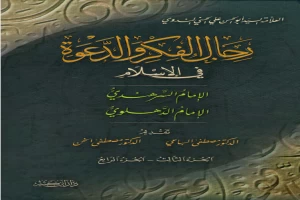
رجال الفكر والدعوة في الإسلام – ج 3-4 book pdf download

Date of Coming : 2022-08-10
Auther : Abu Al-Hassan Al-Nadwi
Department : Religions
book quality : Good
Language : Arabic
Number of Pages : 797
Section : Islam
Size of file : 14.2MB

Author: Abu Al-Hassan Al-Nadwi

About the Author: Ali Abu Al-Hassan Bin Abdul Hai Bin Fakhr Al-Din Al-Hasani – His lineage ends with Abdullah Al-Ashtar Bin Muhammad Dhi Al-Nafs Al-Zakiya Bin Abdullah Al-Mahad Bin Al-Hassan Al-Muthanna Bin Al-Imam Al-Hassan the greatest grandson Bin Ali Ibn Abi Talib. Some of his grandfathers, Prince Sayyid Qutb al-Din Muhammad al-Madani (AD 677 AH), immigrated to India at the beginning of the seventh century AH. He was born in the village of Tekkeh in the district of Rai Bareilly – in the northern state – (Uttar Pardash) in India. He began learning the Holy Quran at home with the help of his mother, then he began to learn the Urdu and Persian languages. His father passed away in the year 1341 AH (1923 AD) when he was still less than ten years old. His virtuous mother, and his older brother, Dr. Abd al-Ali al-Hassani, who was also a medical student after graduating from Dar al-Ulum Nadwat al-Ulama and Dar al-Uloom Deoband, raised him. He started learning Arabic on Sheikh Khalil bin Muhammad Al-Ansari Al-Yamani in 1342 AH / 1924 AD and graduated from it. He also benefited – in studying the Arabic language and its literature – from his uncles Sheikh Aziz al-Rahman and Sheikh Muhammad Talha, and expanded on it and specialized in Professor Dr. Taqi al-Din al-Hilali when he presented his presentation in the Symposium of Scholars 1930 AD. He attended the celebration of the Scholars Symposium in Canfort in 1926 AD, and attracted the attention of the participants in the celebration with his Arabic words, and some Arab guests used him for his travels outside the venue of the ceremony. He joined the University of Lucknow in the Arabic department in 1927 – he was the youngest student at the university – and he obtained a certificate of Fadel of Literature in Arabic language and literature. He read – during the first days of studying the Arabic language – books considered to be at the top in the Urdu language and literature, which helped him to carry out the duty of advocacy, explain the correct Islamic idea, and convince the educated class of modern culture. He studied the English language between 1928 – 1930 AD, which enabled him to read books written – in English – on Islamic subjects, Western civilization, its history and development, and benefit from them directly. He joined the House of Science for the Symposium of Scholars in 1929 AD, and attended the lessons of the noble hadith of the scholar, the hadith educator Haider Hassan Khan – and he had studied the book of Jihad from Sahih Muslim on his sheikh Khalil al-Ansari – and he needed two whole years, so he read to him the two Sahihs, the Sunan Abi Dawood, and Sunan al-Tirmidhi letter by letter. Lessons in the interpretation of al-Baydawi also, and he read some books of jurisprudence to the sheikh, the jurist, the Mufti Shibli Al-Jiragpuri Al-Azami He received the interpretation of selected surahs from his Sheikh Khalil Al-Ansari, then he received lessons in interpretation from Sheikh Abdul Hai Al-Faruqi, and attended the lessons of Al-Baydawi by the modernist Haider Hassan Khan, and studied the interpretation of the entire Holy Qur’an – according to the special curriculum for graduates from Islamic schools – on the scholar Ahmed Ali Al-Lahori in Lahore In the year 1351 AH / 1932 AD. He resided with the Mujahid scholar Hussain Ahmad Al-Madani in 1932 in the Dar Al-Ulum Deoband for several months, and attended his lessons in Sahih Al-Bukhari and Sunan Al-Tirmidhi, and benefited from it in interpretation and the sciences of the Noble Qur’an as well. He also benefited from the scholarly jurist and writer Azaz Ali in jurisprudence, and from the reciter Sheikh Asghar Ali in Tajweed on the narration of Hafs. He died on Friday, Ramadan 23, 1420 AH corresponding to December 31, 1999. In the village of Tekke Klan in the Ra’i Barili District (Yobi), India Dr. Syed Abdul Majid Al-Ghouri has an extensive book in his biography entitled (Abu Al-Hasan Al-Nadawi, the Imam, the Thinker, the Preacher, the Educator, the Writer), which was printed several times in the House of Ibn Kathir in Damascus. He also wrote in his biography Dr. Muhammad Akram Al-Nadawi, Dr. Muhammad Ejtba Al-Nadawi, Sheikh Yusuf Al-Qaradawi and others.

رجال الفكر والدعوة في الإسلام – ج 3-4 book pdf download By Abu Al-Hassan Al-Nadwi

الكتاب عَرْضٌ لأرباب الفكر والدعوة إلى الله تعالى في العالم الإسلامي، وأبرز المؤلف في دراسته لكل عَلَمٍ منهم جوانب القدوة فيه، وجَسَّد صفات الداعية، وأنه منارة للهداية، مع بيانٍ لحياته ومراحلها في التربية والتعليم، وتقويم الأخلاق، ومكافحة الشرور. نبذة عن الكتاب: – تقديم: مصطفى السباعي – مصطفى الخن الجزء الثالث : الإمام السرهندي الجزء الرابع: الإمام الدهلوي

Download PDF of رجال الفكر والدعوة في الإسلام – ج 3-4 book pdf download By Abu Al-Hassan Al-Nadwi
-Adrian Agency Library

Download Now

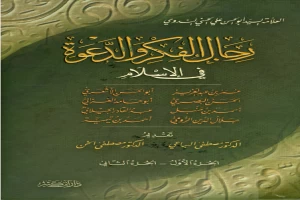
رجال الفكر والدعوة في الإسلام – ج 1-2 book pdf download

Date of Coming : 2022-08-10
Number of Pages : 814
Size of file : 14.3MB
Language : Arabic
book quality : Good
Department : Religions
Section : Islam
Auther : Abu Al-Hassan Al-Nadwi

Author: Abu Al-Hassan Al-Nadwi

About the Author: Ali Abu Al-Hassan Bin Abdul Hai Bin Fakhr Al-Din Al-Hasani – His lineage ends with Abdullah Al-Ashtar Bin Muhammad Dhi Al-Nafs Al-Zakiya Bin Abdullah Al-Mahad Bin Al-Hassan Al-Muthanna Bin Al-Imam Al-Hassan the greatest grandson Bin Ali Ibn Abi Talib. Some of his grandfathers, Prince Sayyid Qutb al-Din Muhammad al-Madani (AD 677 AH), immigrated to India at the beginning of the seventh century AH. He was born in the village of Tekkeh in the district of Rai Bareilly – in the northern state – (Uttar Pardash) in India. He began learning the Holy Quran at home with the help of his mother, then he began to learn the Urdu and Persian languages. His father passed away in the year 1341 AH (1923 AD) when he was still less than ten years old. His virtuous mother, and his older brother, Dr. Abd al-Ali al-Hassani, who was also a medical student after graduating from Dar al-Ulum Nadwat al-Ulama and Dar al-Uloom Deoband, raised him. He started learning Arabic on Sheikh Khalil bin Muhammad Al-Ansari Al-Yamani in 1342 AH / 1924 AD and graduated from it. He also benefited – in studying the Arabic language and its literature – from his uncles Sheikh Aziz al-Rahman and Sheikh Muhammad Talha, and expanded on it and specialized in Professor Dr. Taqi al-Din al-Hilali when he presented his presentation in the Symposium of Scholars 1930 AD. He attended the celebration of the Scholars Symposium in Canfort in 1926 AD, and attracted the attention of the participants in the celebration with his Arabic words, and some Arab guests used him for his travels outside the venue of the ceremony. He joined the University of Lucknow in the Arabic department in 1927 – he was the youngest student at the university – and he obtained a certificate of Fadel of Literature in Arabic language and literature. He read – during the first days of studying the Arabic language – books considered to be at the top in the Urdu language and literature, which helped him to carry out the duty of advocacy, explain the correct Islamic idea, and convince the educated class of modern culture. He studied the English language between 1928 – 1930 AD, which enabled him to read books written – in English – on Islamic subjects, Western civilization, its history and development, and benefit from them directly. He joined the House of Science for the Symposium of Scholars in 1929 AD, and attended the lessons of the noble hadith of the scholar, the hadith educator Haider Hassan Khan – and he had studied the book of Jihad from Sahih Muslim on his sheikh Khalil al-Ansari – and he needed two whole years, so he read to him the two Sahihs, the Sunan Abi Dawood, and Sunan al-Tirmidhi letter by letter. Lessons in the interpretation of al-Baydawi also, and he read some books of jurisprudence to the sheikh, the jurist, the Mufti Shibli Al-Jiragpuri Al-Azami He received the interpretation of selected surahs from his Sheikh Khalil Al-Ansari, then he received lessons in interpretation from Sheikh Abdul Hai Al-Faruqi, and attended the lessons of Al-Baydawi by the modernist Haider Hassan Khan, and studied the interpretation of the entire Holy Qur’an – according to the special curriculum for graduates from Islamic schools – on the scholar Ahmed Ali Al-Lahori in Lahore In the year 1351 AH / 1932 AD. He resided with the Mujahid scholar Hussain Ahmad Al-Madani in 1932 in the Dar Al-Ulum Deoband for several months, and attended his lessons in Sahih Al-Bukhari and Sunan Al-Tirmidhi, and benefited from it in interpretation and the sciences of the Noble Qur’an as well. He also benefited from the scholarly jurist and writer Azaz Ali in jurisprudence, and from the reciter Sheikh Asghar Ali in Tajweed on the narration of Hafs. He died on Friday, Ramadan 23, 1420 AH corresponding to December 31, 1999. In the village of Tekke Klan in the Ra’i Barili District (Yobi), India Dr. Syed Abdul Majid Al-Ghouri has an extensive book in his biography entitled (Abu Al-Hasan Al-Nadawi, the Imam, the Thinker, the Preacher, the Educator, the Writer), which was printed several times in the House of Ibn Kathir in Damascus. He also wrote in his biography Dr. Muhammad Akram Al-Nadawi, Dr. Muhammad Ejtba Al-Nadawi, Sheikh Yusuf Al-Qaradawi and others.

رجال الفكر والدعوة في الإسلام – ج 1-2 book pdf download By Abu Al-Hassan Al-Nadwi

الكتاب عَرْضٌ لأرباب الفكر والدعوة إلى الله تعالى في العالم الإسلامي، وأبرز المؤلف في دراسته لكل عَلَمٍ منهم جوانب القدوة فيه، وجَسَّد صفات الداعية، وأنه منارة للهداية، مع بيانٍ لحياته ومراحلها في التربية والتعليم، وتقويم الأخلاق، ومكافحة الشرور. نبذة عن الكتاب: – تقديم: مصطفى السباعي – مصطفى الخن الجزء الأول: 1-الحاجة إلى الإصلاح والتجديد والبحث الجيد واتصالهما في تاريخ الإسلام 2-جهود الإصلاح والتجديد في القرن الأول سيدنا عمر بن عبد العزيز 3-الجهود الإصلاحية في القرن الثاني الحسن البصري وخلفاؤه 4-حركة التدوين في الإسلام وتنظيم الحياة على الأسس الدينية 5-الإمام أحمد بن حنبل 6-أبو الحسن الأشعري وخلفاؤه 7-الإنحطاط في علم الكلام وازدهار الفلسفة الباطنية والحاجة إلى متكلم جديد 8-حجة الإسلام الغزالي حياته ودراسته 9-حجة الإسلام الغزالي ناقد للفلسفة ومتكلم 10-حجة الإسلام الغزالي مصلح إجتماعي 11-الإمام عبد القادر الجيلاني عصره حياته صفته تأثيره 12-الإمام عبد القادر الجيلاني دعوته إصلاحه وفضله وفضل خلفائه في تجديد الإيمان والدعوة إلى الإسلام 13-غارة التتار على العالم الإسلامي وظهور معجزة الإسلام 14-مولانا جلال الدين الرومي عصره وترجمة حياته 15-مولانا جلال الدين الرومي مفكر مبتكر ومؤسس علم كلام جديد 16-مولانا جلال الدين الرومي داع إلى الحب والعاطفة واحترام الإنسان والإنسانية الجزء الثاني: شيخ الإسلام أحمد بن تيمية كلمة المؤلف الباب الأول: سيرة شيخ الإٍسلام ابن تيمية وميزاته وخصائصه الباب الثاني: الدور الإصلاحي والتجديدي لشيخ الإسلام ابن تيمية الباب الثالث: تلاميذ شيخ الإسلام ابن تيمية النجباء الفصل الأول: الحافظ ابن قيم الجوزية تلميذه وخليفته الفصل الثاني: الحافظ ابن عبد الهادي المقدسي الفصل الثالث: الحافظ ابن كثير الفصل الرابع: الحافظ ابن رجب الحنبلي وترجمته باختصار

Download PDF of رجال الفكر والدعوة في الإسلام – ج 1-2 book pdf download By Abu Al-Hassan Al-Nadwi
-Adrian Agency Library

Download Now