رادوبيس book pdf download

Date of Coming : 2022-08-10
Size of file : 2.84MB
book quality : Good
Section : Drama novels
Language : Arabic
Number of Pages : 221
Department : literature
Auther : Naguib Mahfouz

Author: Naguib Mahfouz

About the Author: Naguib Mahfouz: The pioneer of the Arabic novel, and the winner of the highest literary prize in the world.
He was born on December 11, 1911 in Al-Gamaliya neighborhood in Cairo, to a middle-class family. His father was a government employee. He chose the name of the doctor who supervised his birth, Dr. Naguib Mahfouz Pasha, so that his name would be compounded by Naguib Mahfouz.
He was sent to writers at a young age, and then enrolled in primary school, during which he learned about the adventures of “Ben Johnson”, which he borrowed from a colleague to read, to be Mahfouz’s first experience in the world of reading. He also experienced the 1919 revolution at the age of eight, and it left a profound impact on him that later appeared in his novels.
After high school, Mahfouz decided to study philosophy and joined the Egyptian University, and there he met the Dean of Arabic Literature, Taha Hussein, to tell him of his desire to study the origin of existence. At this stage, his passion for reading increased, and he was preoccupied with the ideas of philosophers, which had the greatest impact on his way of thinking.
After graduating from the university, he worked as an administrative employee there for a year, then held several government jobs such as his work as a secretary in the Ministry of Awqaf. He also held several other positions, including: Head of the Oversight Authority at the Ministry of Guidance, Chairman of the Board of Directors of the Cinema Support Foundation, and Adviser to the Ministry of Culture.
Mahfouz had intended to complete academic studies and prepare for a master’s degree in philosophy on the subject of “Beauty in Islamic Philosophy,” but he fought a struggle with himself between his love for philosophy on the one hand, and his love for tales and literature, which began from his childhood on the other, and ended this internal conflict in favor of literature; He saw that philosophy could be presented through literature.
Mahfouz began to feel his first steps in the world of literature by writing stories, so he published eighty stories without payment. In 1939, his first creative experiments came to light. The novel “The Abatement of Destinies”, after which he continued writing the novel and the short story in addition to the play, as well as press articles and scenarios for some Egyptian films.
Mahfouz’s novelist experience went through several stages, starting with the historical stage in which he returned to ancient Egyptian history, and issued his three historical trilogy: “The Absurdity of Predestination,” “Radopis,” and “The Good Struggle.” Then the realistic stage that began in 1945 AD, coinciding with the Second World War; At this stage, he approached reality and society, and published his realistic novels such as “New Cairo” and “Khan Al-Khalili”, reaching the peak of novelistic creativity with the famous trilogy: “Bain Al Qasrain”, “Qasr Al-Shouq” and “Al-Sukaria”. Then the symbolic or intellectual stage, whose most prominent works were: “The Road”, “The Beggar”, “Gossip over the Nile”, and “The Children of Our Neighborhood” (which caused widespread controversy in religious circles, and its publication was banned for a while).
In 1994, Mahfouz was subjected to an assassination attempt, from which he survived, but it affected the nerves of the upper right side of the neck, negatively affecting his ability to write.
He received many international and local awards, most notably: the “Nobel Prize in Literature” in 1988, and the “Nile Necklace” in the same year.
The icon of Egyptian and Arabic literature “Naguib Mahfouz” passed away on August 30, 2006 AD, after a life full of creativity and giving, during which he presented many literary works close to humans and loaded with the philosophy of life, which is a great legacy that every Egyptian, every Arab, and every human celebrates.

رادوبيس book pdf download By Naguib Mahfouz

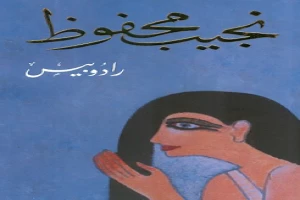
عن الرواية: آخر رواية لنجيب محفوظ في المرحلة التاريخية تميزت بأبعاد سياسية ألقت الضوء على الواقع المصري المعاصر إذ تطرقت لعلاقة الفرعون مع السلطة الدينية والزمنية وتفاعلاته مع العصيان الشعبي في سياق قصة علاقته الغرامية الغير شرعية مع رادوبيس. من البداية يتحدث محفوظ عن الشارع المصرى فى الرواية كأنه الشارع المصرى الحديث ، بل أن حوارات الوجهاء عن أمور السياسة فى (رادوبيس) تشبه الأحاديث السياسية فى الثلاثية مثلاً ، القارئ لا يستطيع أن يمحو عصر الأربعينيات من ذهنه وهو يقرأ (رادوبيس) ، فصالون رادوبيس يشبه فى جانب منه صالونات الأربعينييات ، ولفظ رئيس الوزراء ، وخلاف رئيس الوزراء (المحبوب من الشعب) الدائم مع الملك ، كل هذه ليست سوى دلالات واسقاطات واضحة على عصر محفوظ

Download PDF of رادوبيس book pdf download By Naguib Mahfouz
-Adrian Agency Library

Download Now

همس الجنون book pdf download

Section : Drama novels
Department : literature
book quality : Excellent
Size of file : 2.77MB
Number of Pages : 218
Auther : Naguib Mahfouz
Date of Coming : 2022-08-10
Language : Arabic

Author: Naguib Mahfouz

About the Author: Naguib Mahfouz: The pioneer of the Arabic novel, and the winner of the highest literary prize in the world.
He was born on December 11, 1911 in Al-Gamaliya neighborhood in Cairo, to a middle-class family. His father was a government employee. He chose the name of the doctor who supervised his birth, Dr. Naguib Mahfouz Pasha, so that his name would be compounded by Naguib Mahfouz.
He was sent to writers at a young age, and then enrolled in primary school, during which he learned about the adventures of “Ben Johnson”, which he borrowed from a colleague to read, to be Mahfouz’s first experience in the world of reading. He also experienced the 1919 revolution at the age of eight, and it left a profound impact on him that later appeared in his novels.
After high school, Mahfouz decided to study philosophy and joined the Egyptian University, and there he met the Dean of Arabic Literature, Taha Hussein, to tell him of his desire to study the origin of existence. At this stage, his passion for reading increased, and he was preoccupied with the ideas of philosophers, which had the greatest impact on his way of thinking.
After graduating from the university, he worked as an administrative employee there for a year, then held several government jobs such as his work as a secretary in the Ministry of Awqaf. He also held several other positions, including: Head of the Oversight Authority at the Ministry of Guidance, Chairman of the Board of Directors of the Cinema Support Foundation, and Adviser to the Ministry of Culture.
Mahfouz had intended to complete academic studies and prepare for a master’s degree in philosophy on the subject of “Beauty in Islamic Philosophy,” but he fought a struggle with himself between his love for philosophy on the one hand, and his love for tales and literature, which began from his childhood on the other, and ended this internal conflict in favor of literature; He saw that philosophy could be presented through literature.
Mahfouz began to feel his first steps in the world of literature by writing stories, so he published eighty stories without payment. In 1939, his first creative experiments came to light. The novel “The Abatement of Destinies”, after which he continued writing the novel and the short story in addition to the play, as well as press articles and scenarios for some Egyptian films.
Mahfouz’s novelist experience went through several stages, starting with the historical stage in which he returned to ancient Egyptian history, and issued his three historical trilogy: “The Absurdity of Predestination,” “Radopis,” and “The Good Struggle.” Then the realistic stage that began in 1945 AD, coinciding with the Second World War; At this stage, he approached reality and society, and published his realistic novels such as “New Cairo” and “Khan Al-Khalili”, reaching the peak of novelistic creativity with the famous trilogy: “Bain Al Qasrain”, “Qasr Al-Shouq” and “Al-Sukaria”. Then the symbolic or intellectual stage, whose most prominent works were: “The Road”, “The Beggar”, “Gossip over the Nile”, and “The Children of Our Neighborhood” (which caused widespread controversy in religious circles, and its publication was banned for a while).
In 1994, Mahfouz was subjected to an assassination attempt, from which he survived, but it affected the nerves of the upper right side of the neck, negatively affecting his ability to write.
He received many international and local awards, most notably: the “Nobel Prize in Literature” in 1988, and the “Nile Necklace” in the same year.
The icon of Egyptian and Arabic literature “Naguib Mahfouz” passed away on August 30, 2006 AD, after a life full of creativity and giving, during which he presented many literary works close to humans and loaded with the philosophy of life, which is a great legacy that every Egyptian, every Arab, and every human celebrates.

همس الجنون book pdf download By Naguib Mahfouz

“ما الجنون؟؟ إنه فيما يبدو حالة غامضة كالحياة والموت، تستطيع أن تعرف الكثير عنها إذا أنت نظرت إليها من الخارج، أما الباطن، أما الجوهر، فسر مغلق. وصار هنا يعرف الآن أنه نزل ضيفاً بعض الوقت بالخانكه ويذكر، الآن أيضاً، ماضي حياته كما يذكره العقلاء جميعاً، وكما يعرف حاضره، أما تلك الفترة القصيرة، قصيرة كانت والحمد لله، فيقف وعيه حيال ذكرياتها ذاهلاً حائراً لا يدري من أمرها شيئاً تطمئن إليه النفس. كانت رحلة إلى عالم أثيري عجيب. مليء بالضباب، تتخايل لعينيه منه وجوه لا تتضح معالمها، كلما حاول أن يسلط عليها بصيصاً من نور الذاكرة ولّت هاربة فابتلعتها الظلمة. وتجيء أذنيه منه أحياناً ما يشبه الهمهمة وما إن يرهف السمع ليميّز مواقعها حتى تفر متراجعة صمتاً وحيرة. ضاعت تلك الفترة السحرية بما حفلت من لذة وألم، حتى الذين عاصروا عهدها العجيب. قد أسدلوا عليها ستاراً كثيفاً من الصمت والتجاهل لحكمة لا تخفى، فاندثرت دون أن يتاح لها مؤرخ أمين يحدث بأعاجيبها. ترى كيف حدثت؟! متى وقعت؟ كيف أدرك الناس أن هذا العقل غدا شيئاً غير العقل؟ وأن صاحبه أمسى فرداً شاذاً يجب عزله بعيداً عن الناس كأنه الحيوان المفترس”. يقول نجيب محفوظ في إحدى مقابلاته بأن متعته الكبرى تلك الساعات التي كان يجلس فيها على ناصية حي من الأحياء الشعبية. وذاك حقاً ما يحس به القارئ وذلك عند مضيه في قراءة نجيب محفوظ من خلال مجموعته القصصية “همس الجنون”. لم يكن ذاك الكاتب مجرد ناقل لتلك الصور التي حرّكت مشاهد سردياته الحكائية؛ إلا أنه كان متقناً في تصويره للنفس الإنسانية على اختلاف الشخصيات التي حفلت بها قصصه. كان صادقاً إلى حد يجعل القارئ وقد انسلخ عن مكانه منتقلاً والكاتب إلى عالمه المليء بتلك الحكايات التي تمثّل بتحليلاتها وباسترسالاتها جزءاً من الواقع، بل الواقع كله.

Download PDF of همس الجنون book pdf download By Naguib Mahfouz
-Adrian Agency Library

Download Now

العائش في الحقيقة book pdf download

Date of Coming : 2022-08-10
Number of Pages : 162
Auther : Naguib Mahfouz
Language : Arabic
Section : Drama novels
book quality : Good
Department : literature
Size of file : 1.97MB

Author: Naguib Mahfouz

About the Author: Naguib Mahfouz: The pioneer of the Arabic novel, and the winner of the highest literary prize in the world.
He was born on December 11, 1911 in Al-Gamaliya neighborhood in Cairo, to a middle-class family. His father was a government employee. He chose the name of the doctor who supervised his birth, Dr. Naguib Mahfouz Pasha, so that his name would be compounded by Naguib Mahfouz.
He was sent to writers at a young age, and then enrolled in primary school, during which he learned about the adventures of “Ben Johnson”, which he borrowed from a colleague to read, to be Mahfouz’s first experience in the world of reading. He also experienced the 1919 revolution at the age of eight, and it left a profound impact on him that later appeared in his novels.
After high school, Mahfouz decided to study philosophy and joined the Egyptian University, and there he met the Dean of Arabic Literature, Taha Hussein, to tell him of his desire to study the origin of existence. At this stage, his passion for reading increased, and he was preoccupied with the ideas of philosophers, which had the greatest impact on his way of thinking.
After graduating from the university, he worked as an administrative employee there for a year, then held several government jobs such as his work as a secretary in the Ministry of Awqaf. He also held several other positions, including: Head of the Oversight Authority at the Ministry of Guidance, Chairman of the Board of Directors of the Cinema Support Foundation, and Adviser to the Ministry of Culture.
Mahfouz had intended to complete academic studies and prepare for a master’s degree in philosophy on the subject of “Beauty in Islamic Philosophy,” but he fought a struggle with himself between his love for philosophy on the one hand, and his love for tales and literature, which began from his childhood on the other, and ended this internal conflict in favor of literature; He saw that philosophy could be presented through literature.
Mahfouz began to feel his first steps in the world of literature by writing stories, so he published eighty stories without payment. In 1939, his first creative experiments came to light. The novel “The Abatement of Destinies”, after which he continued writing the novel and the short story in addition to the play, as well as press articles and scenarios for some Egyptian films.
Mahfouz’s novelist experience went through several stages, starting with the historical stage in which he returned to ancient Egyptian history, and issued his three historical trilogy: “The Absurdity of Predestination,” “Radopis,” and “The Good Struggle.” Then the realistic stage that began in 1945 AD, coinciding with the Second World War; At this stage, he approached reality and society, and published his realistic novels such as “New Cairo” and “Khan Al-Khalili”, reaching the peak of novelistic creativity with the famous trilogy: “Bain Al Qasrain”, “Qasr Al-Shouq” and “Al-Sukaria”. Then the symbolic or intellectual stage, whose most prominent works were: “The Road”, “The Beggar”, “Gossip over the Nile”, and “The Children of Our Neighborhood” (which caused widespread controversy in religious circles, and its publication was banned for a while).
In 1994, Mahfouz was subjected to an assassination attempt, from which he survived, but it affected the nerves of the upper right side of the neck, negatively affecting his ability to write.
He received many international and local awards, most notably: the “Nobel Prize in Literature” in 1988, and the “Nile Necklace” in the same year.
The icon of Egyptian and Arabic literature “Naguib Mahfouz” passed away on August 30, 2006 AD, after a life full of creativity and giving, during which he presented many literary works close to humans and loaded with the philosophy of life, which is a great legacy that every Egyptian, every Arab, and every human celebrates.

العائش في الحقيقة book pdf download By Naguib Mahfouz

تتناول هذه الرواية فترة أخناتون والدعوة إلي الديانة التوحيدية عن طريق باحث للحقيقة يحاول أن ينقل شهادات من عاصروا هذه الفترة وكانوا بجوار العرش ، ولقد نجح في نقل الشهادات كما هي حتي أن القارئ قد يصاب بالارتباك ويتساءل ما هي حقيقة هذا الملك الغامض !

Download PDF of العائش في الحقيقة book pdf download By Naguib Mahfouz
-Adrian Agency Library
Download Now

صدي النسيان book pdf download

Section : Drama novels
Auther : Naguib Mahfouz
Date of Coming : 2022-08-10
book quality : Good
Department : literature
Language : Arabic
Size of file : 0.92MB
Number of Pages : 112

Author: Naguib Mahfouz

About the Author: Naguib Mahfouz: The pioneer of the Arabic novel, and the winner of the highest literary prize in the world.
He was born on December 11, 1911 in Al-Gamaliya neighborhood in Cairo, to a middle-class family. His father was a government employee. He chose the name of the doctor who supervised his birth, Dr. Naguib Mahfouz Pasha, so that his name would be compounded by Naguib Mahfouz.
He was sent to writers at a young age, and then enrolled in primary school, during which he learned about the adventures of “Ben Johnson”, which he borrowed from a colleague to read, to be Mahfouz’s first experience in the world of reading. He also experienced the 1919 revolution at the age of eight, and it left a profound impact on him that later appeared in his novels.
After high school, Mahfouz decided to study philosophy and joined the Egyptian University, and there he met the Dean of Arabic Literature, Taha Hussein, to tell him of his desire to study the origin of existence. At this stage, his passion for reading increased, and he was preoccupied with the ideas of philosophers, which had the greatest impact on his way of thinking.
After graduating from the university, he worked as an administrative employee there for a year, then held several government jobs such as his work as a secretary in the Ministry of Awqaf. He also held several other positions, including: Head of the Oversight Authority at the Ministry of Guidance, Chairman of the Board of Directors of the Cinema Support Foundation, and Adviser to the Ministry of Culture.
Mahfouz had intended to complete academic studies and prepare for a master’s degree in philosophy on the subject of “Beauty in Islamic Philosophy,” but he fought a struggle with himself between his love for philosophy on the one hand, and his love for tales and literature, which began from his childhood on the other, and ended this internal conflict in favor of literature; He saw that philosophy could be presented through literature.
Mahfouz began to feel his first steps in the world of literature by writing stories, so he published eighty stories without payment. In 1939, his first creative experiments came to light. The novel “The Abatement of Destinies”, after which he continued writing the novel and the short story in addition to the play, as well as press articles and scenarios for some Egyptian films.
Mahfouz’s novelist experience went through several stages, starting with the historical stage in which he returned to ancient Egyptian history, and issued his three historical trilogy: “The Absurdity of Predestination,” “Radopis,” and “The Good Struggle.” Then the realistic stage that began in 1945 AD, coinciding with the Second World War; At this stage, he approached reality and society, and published his realistic novels such as “New Cairo” and “Khan Al-Khalili”, reaching the peak of novelistic creativity with the famous trilogy: “Bain Al Qasrain”, “Qasr Al-Shouq” and “Al-Sukaria”. Then the symbolic or intellectual stage, whose most prominent works were: “The Road”, “The Beggar”, “Gossip over the Nile”, and “The Children of Our Neighborhood” (which caused widespread controversy in religious circles, and its publication was banned for a while).
In 1994, Mahfouz was subjected to an assassination attempt, from which he survived, but it affected the nerves of the upper right side of the neck, negatively affecting his ability to write.
He received many international and local awards, most notably: the “Nobel Prize in Literature” in 1988, and the “Nile Necklace” in the same year.
The icon of Egyptian and Arabic literature “Naguib Mahfouz” passed away on August 30, 2006 AD, after a life full of creativity and giving, during which he presented many literary works close to humans and loaded with the philosophy of life, which is a great legacy that every Egyptian, every Arab, and every human celebrates.

صدي النسيان book pdf download By Naguib Mahfouz

مجموعة قصصية كتبت عام 1999 ، لم أقرأ أقصر من هذه القصص ، جميعها تدور في “الحارة”. مع اختلاف أحداثها إلا أن شخصيتي شيخ الحارة وإمام الزاوية كانتا من الشخصيات الثابتة الظاهرة في كل قصة تقريبا ، أحسست بالفتور في بعض القصص ، حقيقة لم يعلق في ذهني أي منهم ، اللهم إلا قصتين أو ثلاث أهمهم تلك المعنونة باسم الصعود إلي القمر ، والتي تحكي عن رجل تفرق شمل أهله بالموت والهجر ، فيعود إلي منزله في الحارة وقد أصابه من القدم ما جعله قابلا للسقوط ، فيستعين هذا الرجل بمهندس ليهدم البيت ويبنيه من جديد بعلي طرازه القديم وقاعته وفرنه البلدي وحجرتيه االصغيرتين وعشة الدجاج فوق سطحه ، فقد أراد الرجل أن يستعيد ذكريات العهد القديم ، بل وأحس أن أهل البيت لا يزالون علي قيد الحياة وإن كانوا ممثلين في صورة أشباح من نسج ذكرياته.

Download PDF of صدي النسيان book pdf download By Naguib Mahfouz
-Adrian Agency Library

Download Now

حكايات حارتنا book pdf download

Size of file : 3MB
Number of Pages : 92
Date of Coming : 2022-08-10
Department : literature
book quality : Good
Auther : Naguib Mahfouz
Language : Arabic
Section : Drama novels

Author: Naguib Mahfouz

About the Author: Naguib Mahfouz: The pioneer of the Arabic novel, and the winner of the highest literary prize in the world.
He was born on December 11, 1911 in Al-Gamaliya neighborhood in Cairo, to a middle-class family. His father was a government employee. He chose the name of the doctor who supervised his birth, Dr. Naguib Mahfouz Pasha, so that his name would be compounded by Naguib Mahfouz.
He was sent to writers at a young age, and then enrolled in primary school, during which he learned about the adventures of “Ben Johnson”, which he borrowed from a colleague to read, to be Mahfouz’s first experience in the world of reading. He also experienced the 1919 revolution at the age of eight, and it left a profound impact on him that later appeared in his novels.
After high school, Mahfouz decided to study philosophy and joined the Egyptian University, and there he met the Dean of Arabic Literature, Taha Hussein, to tell him of his desire to study the origin of existence. At this stage, his passion for reading increased, and he was preoccupied with the ideas of philosophers, which had the greatest impact on his way of thinking.
After graduating from the university, he worked as an administrative employee there for a year, then held several government jobs such as his work as a secretary in the Ministry of Awqaf. He also held several other positions, including: Head of the Oversight Authority at the Ministry of Guidance, Chairman of the Board of Directors of the Cinema Support Foundation, and Adviser to the Ministry of Culture.
Mahfouz had intended to complete academic studies and prepare for a master’s degree in philosophy on the subject of “Beauty in Islamic Philosophy,” but he fought a struggle with himself between his love for philosophy on the one hand, and his love for tales and literature, which began from his childhood on the other, and ended this internal conflict in favor of literature; He saw that philosophy could be presented through literature.
Mahfouz began to feel his first steps in the world of literature by writing stories, so he published eighty stories without payment. In 1939, his first creative experiments came to light. The novel “The Abatement of Destinies”, after which he continued writing the novel and the short story in addition to the play, as well as press articles and scenarios for some Egyptian films.
Mahfouz’s novelist experience went through several stages, starting with the historical stage in which he returned to ancient Egyptian history, and issued his three historical trilogy: “The Absurdity of Predestination,” “Radopis,” and “The Good Struggle.” Then the realistic stage that began in 1945 AD, coinciding with the Second World War; At this stage, he approached reality and society, and published his realistic novels such as “New Cairo” and “Khan Al-Khalili”, reaching the peak of novelistic creativity with the famous trilogy: “Bain Al Qasrain”, “Qasr Al-Shouq” and “Al-Sukaria”. Then the symbolic or intellectual stage, whose most prominent works were: “The Road”, “The Beggar”, “Gossip over the Nile”, and “The Children of Our Neighborhood” (which caused widespread controversy in religious circles, and its publication was banned for a while).
In 1994, Mahfouz was subjected to an assassination attempt, from which he survived, but it affected the nerves of the upper right side of the neck, negatively affecting his ability to write.
He received many international and local awards, most notably: the “Nobel Prize in Literature” in 1988, and the “Nile Necklace” in the same year.
The icon of Egyptian and Arabic literature “Naguib Mahfouz” passed away on August 30, 2006 AD, after a life full of creativity and giving, during which he presented many literary works close to humans and loaded with the philosophy of life, which is a great legacy that every Egyptian, every Arab, and every human celebrates.

حكايات حارتنا book pdf download By Naguib Mahfouz

حكايات حارتنا تقرب القارئ من تلك الحارة يخترق خصوصياتها ويغدو فرداً من أفرادها، يعايش الشخصيات ويتفاعل معها، ويتعرف على أم عبدو أشهر امرأة في الحارة التي هي في قوة كبيرة، وعلى إحسان صورة أمها المصغرة، وعلى صبري ابن العم المهذب ذكي العينين، وسلومة أول شهيد من أبناء الحارة وعلى وعلى… ويمضي القارئ إلى الساحة مع صبيان الحارة وإلى بيت القيرواني وإلى الكتّاب وإلى وإلى… خيال يطوف في أرجاء الحارة يمتع النفس والعين بمرأى صور قصصها التي تنساب سلسة عن شاشة صفحات نجيب محفوظ

Download PDF of حكايات حارتنا book pdf download By Naguib Mahfouz
-Adrian Agency Library
Download Now

حضرة المحترم book pdf download

Date of Coming : 2022-08-10
Department : literature
Section : Drama novels
Auther : Naguib Mahfouz
Number of Pages : 162
book quality : Good
Language : Arabic
Size of file : 1.80MB

Author: Naguib Mahfouz

About the Author: Naguib Mahfouz: The pioneer of the Arabic novel, and the winner of the highest literary prize in the world.
He was born on December 11, 1911 in Al-Gamaliya neighborhood in Cairo, to a middle-class family. His father was a government employee. He chose the name of the doctor who supervised his birth, Dr. Naguib Mahfouz Pasha, so that his name would be compounded by Naguib Mahfouz.
He was sent to writers at a young age, and then enrolled in primary school, during which he learned about the adventures of “Ben Johnson”, which he borrowed from a colleague to read, to be Mahfouz’s first experience in the world of reading. He also experienced the 1919 revolution at the age of eight, and it left a profound impact on him that later appeared in his novels.
After high school, Mahfouz decided to study philosophy and joined the Egyptian University, and there he met the Dean of Arabic Literature, Taha Hussein, to tell him of his desire to study the origin of existence. At this stage, his passion for reading increased, and he was preoccupied with the ideas of philosophers, which had the greatest impact on his way of thinking.
After graduating from the university, he worked as an administrative employee there for a year, then held several government jobs such as his work as a secretary in the Ministry of Awqaf. He also held several other positions, including: Head of the Oversight Authority at the Ministry of Guidance, Chairman of the Board of Directors of the Cinema Support Foundation, and Adviser to the Ministry of Culture.
Mahfouz had intended to complete academic studies and prepare for a master’s degree in philosophy on the subject of “Beauty in Islamic Philosophy,” but he fought a struggle with himself between his love for philosophy on the one hand, and his love for tales and literature, which began from his childhood on the other, and ended this internal conflict in favor of literature; He saw that philosophy could be presented through literature.
Mahfouz began to feel his first steps in the world of literature by writing stories, so he published eighty stories without payment. In 1939, his first creative experiments came to light. The novel “The Abatement of Destinies”, after which he continued writing the novel and the short story in addition to the play, as well as press articles and scenarios for some Egyptian films.
Mahfouz’s novelist experience went through several stages, starting with the historical stage in which he returned to ancient Egyptian history, and issued his three historical trilogy: “The Absurdity of Predestination,” “Radopis,” and “The Good Struggle.” Then the realistic stage that began in 1945 AD, coinciding with the Second World War; At this stage, he approached reality and society, and published his realistic novels such as “New Cairo” and “Khan Al-Khalili”, reaching the peak of novelistic creativity with the famous trilogy: “Bain Al Qasrain”, “Qasr Al-Shouq” and “Al-Sukaria”. Then the symbolic or intellectual stage, whose most prominent works were: “The Road”, “The Beggar”, “Gossip over the Nile”, and “The Children of Our Neighborhood” (which caused widespread controversy in religious circles, and its publication was banned for a while).
In 1994, Mahfouz was subjected to an assassination attempt, from which he survived, but it affected the nerves of the upper right side of the neck, negatively affecting his ability to write.
He received many international and local awards, most notably: the “Nobel Prize in Literature” in 1988, and the “Nile Necklace” in the same year.
The icon of Egyptian and Arabic literature “Naguib Mahfouz” passed away on August 30, 2006 AD, after a life full of creativity and giving, during which he presented many literary works close to humans and loaded with the philosophy of life, which is a great legacy that every Egyptian, every Arab, and every human celebrates.

حضرة المحترم book pdf download By Naguib Mahfouz

نجيب محفوظ حضرة المحترم

Download PDF of حضرة المحترم book pdf download By Naguib Mahfouz
-Adrian Agency Library

Download Now

بيت سئ السمعة book pdf download

Number of Pages : 210
Auther : Naguib Mahfouz
book quality : Good
Section : Drama novels
Department : literature
Language : Arabic
Date of Coming : 2022-08-10
Size of file : 2.20MB

Author: Naguib Mahfouz

About the Author: Naguib Mahfouz: The pioneer of the Arabic novel, and the winner of the highest literary prize in the world.
He was born on December 11, 1911 in Al-Gamaliya neighborhood in Cairo, to a middle-class family. His father was a government employee. He chose the name of the doctor who supervised his birth, Dr. Naguib Mahfouz Pasha, so that his name would be compounded by Naguib Mahfouz.
He was sent to writers at a young age, and then enrolled in primary school, during which he learned about the adventures of “Ben Johnson”, which he borrowed from a colleague to read, to be Mahfouz’s first experience in the world of reading. He also experienced the 1919 revolution at the age of eight, and it left a profound impact on him that later appeared in his novels.
After high school, Mahfouz decided to study philosophy and joined the Egyptian University, and there he met the Dean of Arabic Literature, Taha Hussein, to tell him of his desire to study the origin of existence. At this stage, his passion for reading increased, and he was preoccupied with the ideas of philosophers, which had the greatest impact on his way of thinking.
After graduating from the university, he worked as an administrative employee there for a year, then held several government jobs such as his work as a secretary in the Ministry of Awqaf. He also held several other positions, including: Head of the Oversight Authority at the Ministry of Guidance, Chairman of the Board of Directors of the Cinema Support Foundation, and Adviser to the Ministry of Culture.
Mahfouz had intended to complete academic studies and prepare for a master’s degree in philosophy on the subject of “Beauty in Islamic Philosophy,” but he fought a struggle with himself between his love for philosophy on the one hand, and his love for tales and literature, which began from his childhood on the other, and ended this internal conflict in favor of literature; He saw that philosophy could be presented through literature.
Mahfouz began to feel his first steps in the world of literature by writing stories, so he published eighty stories without payment. In 1939, his first creative experiments came to light. The novel “The Abatement of Destinies”, after which he continued writing the novel and the short story in addition to the play, as well as press articles and scenarios for some Egyptian films.
Mahfouz’s novelist experience went through several stages, starting with the historical stage in which he returned to ancient Egyptian history, and issued his three historical trilogy: “The Absurdity of Predestination,” “Radopis,” and “The Good Struggle.” Then the realistic stage that began in 1945 AD, coinciding with the Second World War; At this stage, he approached reality and society, and published his realistic novels such as “New Cairo” and “Khan Al-Khalili”, reaching the peak of novelistic creativity with the famous trilogy: “Bain Al Qasrain”, “Qasr Al-Shouq” and “Al-Sukaria”. Then the symbolic or intellectual stage, whose most prominent works were: “The Road”, “The Beggar”, “Gossip over the Nile”, and “The Children of Our Neighborhood” (which caused widespread controversy in religious circles, and its publication was banned for a while).
In 1994, Mahfouz was subjected to an assassination attempt, from which he survived, but it affected the nerves of the upper right side of the neck, negatively affecting his ability to write.
He received many international and local awards, most notably: the “Nobel Prize in Literature” in 1988, and the “Nile Necklace” in the same year.
The icon of Egyptian and Arabic literature “Naguib Mahfouz” passed away on August 30, 2006 AD, after a life full of creativity and giving, during which he presented many literary works close to humans and loaded with the philosophy of life, which is a great legacy that every Egyptian, every Arab, and every human celebrates.

بيت سئ السمعة book pdf download By Naguib Mahfouz

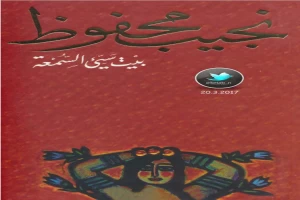
وصف رواية رواية بيت سئ السمعة PDF تأليف نجيب محفوظ مجموعة من القصص فى كتاب واحد يقدمها نجيب محفوظ تدور أحداثها حول حكايات الناس داخل الطبقة البسيطة من المصرين، تلك الفئة الطبقية التى لا تبالى بمظاهر الترف مقحمة بين أقدارها مليئة حياتهم بالأسرار المبعثرة

Download PDF of بيت سئ السمعة book pdf download By Naguib Mahfouz
-Adrian Agency Library
Download Now

الفجر الكاذب book pdf download

Department : literature
Auther : Naguib Mahfouz
Number of Pages : 230
book quality : Good
Section : Drama novels
Size of file : 2.15MB
Language : Arabic
Date of Coming : 2022-08-10

Author: Naguib Mahfouz

About the Author: Naguib Mahfouz: The pioneer of the Arabic novel, and the winner of the highest literary prize in the world.
He was born on December 11, 1911 in Al-Gamaliya neighborhood in Cairo, to a middle-class family. His father was a government employee. He chose the name of the doctor who supervised his birth, Dr. Naguib Mahfouz Pasha, so that his name would be compounded by Naguib Mahfouz.
He was sent to writers at a young age, and then enrolled in primary school, during which he learned about the adventures of “Ben Johnson”, which he borrowed from a colleague to read, to be Mahfouz’s first experience in the world of reading. He also experienced the 1919 revolution at the age of eight, and it left a profound impact on him that later appeared in his novels.
After high school, Mahfouz decided to study philosophy and joined the Egyptian University, and there he met the Dean of Arabic Literature, Taha Hussein, to tell him of his desire to study the origin of existence. At this stage, his passion for reading increased, and he was preoccupied with the ideas of philosophers, which had the greatest impact on his way of thinking.
After graduating from the university, he worked as an administrative employee there for a year, then held several government jobs such as his work as a secretary in the Ministry of Awqaf. He also held several other positions, including: Head of the Oversight Authority at the Ministry of Guidance, Chairman of the Board of Directors of the Cinema Support Foundation, and Adviser to the Ministry of Culture.
Mahfouz had intended to complete academic studies and prepare for a master’s degree in philosophy on the subject of “Beauty in Islamic Philosophy,” but he fought a struggle with himself between his love for philosophy on the one hand, and his love for tales and literature, which began from his childhood on the other, and ended this internal conflict in favor of literature; He saw that philosophy could be presented through literature.
Mahfouz began to feel his first steps in the world of literature by writing stories, so he published eighty stories without payment. In 1939, his first creative experiments came to light. The novel “The Abatement of Destinies”, after which he continued writing the novel and the short story in addition to the play, as well as press articles and scenarios for some Egyptian films.
Mahfouz’s novelist experience went through several stages, starting with the historical stage in which he returned to ancient Egyptian history, and issued his three historical trilogy: “The Absurdity of Predestination,” “Radopis,” and “The Good Struggle.” Then the realistic stage that began in 1945 AD, coinciding with the Second World War; At this stage, he approached reality and society, and published his realistic novels such as “New Cairo” and “Khan Al-Khalili”, reaching the peak of novelistic creativity with the famous trilogy: “Bain Al Qasrain”, “Qasr Al-Shouq” and “Al-Sukaria”. Then the symbolic or intellectual stage, whose most prominent works were: “The Road”, “The Beggar”, “Gossip over the Nile”, and “The Children of Our Neighborhood” (which caused widespread controversy in religious circles, and its publication was banned for a while).
In 1994, Mahfouz was subjected to an assassination attempt, from which he survived, but it affected the nerves of the upper right side of the neck, negatively affecting his ability to write.
He received many international and local awards, most notably: the “Nobel Prize in Literature” in 1988, and the “Nile Necklace” in the same year.
The icon of Egyptian and Arabic literature “Naguib Mahfouz” passed away on August 30, 2006 AD, after a life full of creativity and giving, during which he presented many literary works close to humans and loaded with the philosophy of life, which is a great legacy that every Egyptian, every Arab, and every human celebrates.

الفجر الكاذب book pdf download By Naguib Mahfouz

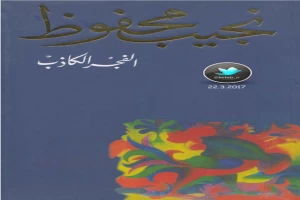
عن المجموعة القصصية: في هذه المجموعة القصصية تشاهد العديد من الصور الحياتية الواقعية والخيالية في ذات الوقت. فقد تكون من شدة واقعيتها خيالية او من شدة خيالها واقعية ولكنك لن تملك سوى قراءتها بنهم حتى تأتي عليها جميعا .. تلمس معها الجنون في الفجر الكاذب وتختلط عليك الصور.. أو تتعجب من القدر الذي منعك ليعطيك وحرمك ليمنحك بلا حدود في ذكرى إمراة أو .. أو .. غيرها كثر فما أعجب تلك الحياة بما تحمل من بشر وما اجمل هذا الكتاب بما يحمل من قصص.

Download PDF of الفجر الكاذب book pdf download By Naguib Mahfouz
-Adrian Agency Library

Download Now

التنظيم السري book pdf download

Date of Coming : 2022-08-10
Size of file : 1.91MB
Auther : Naguib Mahfouz
Number of Pages : 174
Language : Arabic
book quality : Good
Section : Drama novels
Department : literature

Author: Naguib Mahfouz

About the Author: Naguib Mahfouz: The pioneer of the Arabic novel, and the winner of the highest literary prize in the world.
He was born on December 11, 1911 in Al-Gamaliya neighborhood in Cairo, to a middle-class family. His father was a government employee. He chose the name of the doctor who supervised his birth, Dr. Naguib Mahfouz Pasha, so that his name would be compounded by Naguib Mahfouz.
He was sent to writers at a young age, and then enrolled in primary school, during which he learned about the adventures of “Ben Johnson”, which he borrowed from a colleague to read, to be Mahfouz’s first experience in the world of reading. He also experienced the 1919 revolution at the age of eight, and it left a profound impact on him that later appeared in his novels.
After high school, Mahfouz decided to study philosophy and joined the Egyptian University, and there he met the Dean of Arabic Literature, Taha Hussein, to tell him of his desire to study the origin of existence. At this stage, his passion for reading increased, and he was preoccupied with the ideas of philosophers, which had the greatest impact on his way of thinking.
After graduating from the university, he worked as an administrative employee there for a year, then held several government jobs such as his work as a secretary in the Ministry of Awqaf. He also held several other positions, including: Head of the Oversight Authority at the Ministry of Guidance, Chairman of the Board of Directors of the Cinema Support Foundation, and Adviser to the Ministry of Culture.
Mahfouz had intended to complete academic studies and prepare for a master’s degree in philosophy on the subject of “Beauty in Islamic Philosophy,” but he fought a struggle with himself between his love for philosophy on the one hand, and his love for tales and literature, which began from his childhood on the other, and ended this internal conflict in favor of literature; He saw that philosophy could be presented through literature.
Mahfouz began to feel his first steps in the world of literature by writing stories, so he published eighty stories without payment. In 1939, his first creative experiments came to light. The novel “The Abatement of Destinies”, after which he continued writing the novel and the short story in addition to the play, as well as press articles and scenarios for some Egyptian films.
Mahfouz’s novelist experience went through several stages, starting with the historical stage in which he returned to ancient Egyptian history, and issued his three historical trilogy: “The Absurdity of Predestination,” “Radopis,” and “The Good Struggle.” Then the realistic stage that began in 1945 AD, coinciding with the Second World War; At this stage, he approached reality and society, and published his realistic novels such as “New Cairo” and “Khan Al-Khalili”, reaching the peak of novelistic creativity with the famous trilogy: “Bain Al Qasrain”, “Qasr Al-Shouq” and “Al-Sukaria”. Then the symbolic or intellectual stage, whose most prominent works were: “The Road”, “The Beggar”, “Gossip over the Nile”, and “The Children of Our Neighborhood” (which caused widespread controversy in religious circles, and its publication was banned for a while).
In 1994, Mahfouz was subjected to an assassination attempt, from which he survived, but it affected the nerves of the upper right side of the neck, negatively affecting his ability to write.
He received many international and local awards, most notably: the “Nobel Prize in Literature” in 1988, and the “Nile Necklace” in the same year.
The icon of Egyptian and Arabic literature “Naguib Mahfouz” passed away on August 30, 2006 AD, after a life full of creativity and giving, during which he presented many literary works close to humans and loaded with the philosophy of life, which is a great legacy that every Egyptian, every Arab, and every human celebrates.

التنظيم السري book pdf download By Naguib Mahfouz

وضح في الوجوه ما يشبه الذهول فقال: المهمة ظاهرها الترفيه ولكنها تنطوي علي جدية فائقة ويحف بها الخطر من كل جانب.. فليوطن كل نفسه علي التضحية. وقلب عينيه في وجوهنا متسائلا: هل من أسئلة؟ وفي الحال سألته: أنعتبر حديثك من المجاز والرمز؟ فأجاب ببساطة: بل إنه واقع وحقيقة… هل حقا تحفظنا ألحانا لننشدها؟ بكل تأكيد. لكننا لسنا مغنين. كل فرد يستطيع أن يغنى في حديقة عامة فيسمعه من يشاء أن يسمع. من ناحيتي لا أملك أي موهبة غنائية. لا يهم. العبرة باللحن أما الأغنية فأغنية حب من لون جديد! قد يعتبر الجمهور غناءنا تكديرا لصفوه؟ ربمما وقد يسخر منا؟ ربما وقد يتعدي علينا؟ ربما، ولذلك لابد من توطين النفس علي التضحية. فقال زميل منفعلا: عملنا السابق أخف رغم عنفه. فأجاب باسما: محتمل جدا. وترددت قليلا ثم قلت: لدى سؤال وأخاف العقاب. فقال “ب” بسرعة: لا موضع للعقاب في قاموسنا. فسألته: وما جدوى الأغاني والألحان والغناء؟ فقال بهدوء: أكبر مما تتخيل. فسألت مندفعا بشجاعة جديدة: وهل وافق رئيسنا الأعلى على عمل أسرتنا؟ فقال باسما: لسنا إلا ادوات تنفيذ. التصنيف

Download PDF of التنظيم السري book pdf download By Naguib Mahfouz
-Adrian Agency Library
Download Now

ميرامار book pdf download

book quality : Good
Department : literature
Language : Arabic
Number of Pages : 224
Section : Drama novels
Date of Coming : 2022-08-10
Auther : Naguib Mahfouz
Size of file : 2.53MB

Author: Naguib Mahfouz

About the Author: Naguib Mahfouz: The pioneer of the Arabic novel, and the winner of the highest literary prize in the world.
He was born on December 11, 1911 in Al-Gamaliya neighborhood in Cairo, to a middle-class family. His father was a government employee. He chose the name of the doctor who supervised his birth, Dr. Naguib Mahfouz Pasha, so that his name would be compounded by Naguib Mahfouz.
He was sent to writers at a young age, and then enrolled in primary school, during which he learned about the adventures of “Ben Johnson”, which he borrowed from a colleague to read, to be Mahfouz’s first experience in the world of reading. He also experienced the 1919 revolution at the age of eight, and it left a profound impact on him that later appeared in his novels.
After high school, Mahfouz decided to study philosophy and joined the Egyptian University, and there he met the Dean of Arabic Literature, Taha Hussein, to tell him of his desire to study the origin of existence. At this stage, his passion for reading increased, and he was preoccupied with the ideas of philosophers, which had the greatest impact on his way of thinking.
After graduating from the university, he worked as an administrative employee there for a year, then held several government jobs such as his work as a secretary in the Ministry of Awqaf. He also held several other positions, including: Head of the Oversight Authority at the Ministry of Guidance, Chairman of the Board of Directors of the Cinema Support Foundation, and Adviser to the Ministry of Culture.
Mahfouz had intended to complete academic studies and prepare for a master’s degree in philosophy on the subject of “Beauty in Islamic Philosophy,” but he fought a struggle with himself between his love for philosophy on the one hand, and his love for tales and literature, which began from his childhood on the other, and ended this internal conflict in favor of literature; He saw that philosophy could be presented through literature.
Mahfouz began to feel his first steps in the world of literature by writing stories, so he published eighty stories without payment. In 1939, his first creative experiments came to light. The novel “The Abatement of Destinies”, after which he continued writing the novel and the short story in addition to the play, as well as press articles and scenarios for some Egyptian films.
Mahfouz’s novelist experience went through several stages, starting with the historical stage in which he returned to ancient Egyptian history, and issued his three historical trilogy: “The Absurdity of Predestination,” “Radopis,” and “The Good Struggle.” Then the realistic stage that began in 1945 AD, coinciding with the Second World War; At this stage, he approached reality and society, and published his realistic novels such as “New Cairo” and “Khan Al-Khalili”, reaching the peak of novelistic creativity with the famous trilogy: “Bain Al Qasrain”, “Qasr Al-Shouq” and “Al-Sukaria”. Then the symbolic or intellectual stage, whose most prominent works were: “The Road”, “The Beggar”, “Gossip over the Nile”, and “The Children of Our Neighborhood” (which caused widespread controversy in religious circles, and its publication was banned for a while).
In 1994, Mahfouz was subjected to an assassination attempt, from which he survived, but it affected the nerves of the upper right side of the neck, negatively affecting his ability to write.
He received many international and local awards, most notably: the “Nobel Prize in Literature” in 1988, and the “Nile Necklace” in the same year.
The icon of Egyptian and Arabic literature “Naguib Mahfouz” passed away on August 30, 2006 AD, after a life full of creativity and giving, during which he presented many literary works close to humans and loaded with the philosophy of life, which is a great legacy that every Egyptian, every Arab, and every human celebrates.

ميرامار book pdf download By Naguib Mahfouz

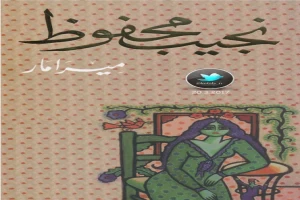
“الإسكندرية أخيراً. الإسكندرية قطر الندى، نفثة السحابة البيضاء، مهبط الشعاع المغسول بماء السماء، وقلب الذكريات المبللة بالشهد والدموع. العمارة الضخمة الشاهقة تطالعك كوجه قديم، يستقر في ذاكرتك فأنت تعرفه ولكنه ينظر إلى لا شيء في لا مبالاة فلا يعرفك، كلحت الجدران المقشرة من طول ما استكنت بها الرطوبة. وأطلت بجماع بنيانها على اللسان المغروس في البحر الأبيض، يجلل جنباته النخيل وأشجار البلح ثم يمتد من طرق قصي حيث تفرقع في المواسم بنادق الصيد. والهواء المنعش القوي يكاد يقوض قامتي النحيلة المقوسة، ولا مقاومة جدية كالأيام الخالية. ماريانا، عزيزتي ماريانا، أرجو أن تكوني بمعقلك التاريخي… وعلى دنياي السلام. لم يبق إلا القليل، والدنيا تذكر في صورة غريبة للعين الكليلة المظللة بحاجب أبيض منجرد الشعر. ها أنا أرجع إليك أخيراً يا إسكندرية. ضغط على جرس الشقة بالدور الرابع. فتحت شراعة الباب، فتحت شراعة الباب لنا وجه ماريانا، تغيرت كثيراً يا عزيزتي. ولم تعرفني من الطرقة المظلمة. أما بشرتها البيضاء الناصعة وشعرها الذهبي فقد توهجا تحت ضوء ينتشر من نافذة بالداخل، بنسيون ميرامار؟ نعم يا فندم! أريد حجرة خالية”.

Download PDF of ميرامار book pdf download By Naguib Mahfouz
-Adrian Agency Library

Download Now