مغامرة في الصحراء book pdf download

book quality : Good
Language : Arabic
Number of Pages : 53
Size of file : 4.24MB
Date of Coming : 2022-08-10
Department : History
Auther : Mustafa Mahmoud
Section : pharaonic history

Author: Mustafa Mahmoud

About the Author: (December 27, 1921 – October 31, 2009), Egyptian philosopher, physician, and writer. He is Mustafa Kamal Mahmoud Hussein Al Mahfouz, from the nobles, and his lineage ends with Ali Zain al-Abidin. His father died in 1939 after years of paralysis. He studied medicine and graduated in 1953, specializing in chest diseases, but devoted himself to writing and research in 1960. He married in 1961 and the marriage ended in divorce in 1973. He had two sons, Amal and Adham. He remarried in 1983 to Mrs. Zainab Hamdi, and this marriage also ended in divorce in 1987. He has authored 89 books, including scientific, religious, philosophical, social and political books, in addition to tales, plays and travel stories. His style is characterized by gravity, depth and simplicity. Dr. Mustafa Mahmoud presented more than 400 episodes of his famous TV program (Science and Faith), and in 1979 he established his mosque in Cairo known as “Mostafa Mahmoud Mosque”. It has three medical centers concerned with the treatment of people with limited income, and many of the people of Egypt go to it due to its medical reputation, and it has formed convoys of mercy from sixteen doctors. The center includes four astronomical observatories, and a geology museum, on which specialized professors are based. The museum includes a group of granite rocks, mummified butterflies in various shapes and some marine creatures. The correct name of the mosque is “Mahmoud” and he named it after his father.

مغامرة في الصحراء book pdf download By Mustafa Mahmoud

كتاب في مجمله جميل به كم كثير من المعلومات ، تكلم فيه مصطفى محمود عن ليبيا بطريقة جميلة اقرب ان تكون الى السرد منها الى التأريخ ، ذكر في البداية زيارته لغدامس التي تلتقي فيها قوميات ليبيا الثلاث عرب و امازيغ و طوارق بصنفيهما حضر و بدو . وسرد ميزات المدينة و معالمها و اخذ يسرد في تركيبتها الاجتماعية و القبلية و عاداتها و تقاليدها و انتقل منها الى الامازيغ و منها الى الطوارق و صال و جال في الواحات الصحراوية و ختم في النهاية بالمذهب السنوسي و نشره للاسلام و انتشاره في ربوع افريقيا . ربما ان هناك اخطاء في الكتاب لكنها غير مؤثرة كلها شكليات لا تهم كثيرا و من يريد ان يجري دراسة جدية عن تاريخ ثقافة معينة سيعرف رأسا خطأ الكتاب و حياده عن الصواب في بعض من مواضيعه ، و مع هذا لمن هو ليس مختص فالكتاب اكثر من رائع .

Download PDF of مغامرة في الصحراء book pdf download By Mustafa Mahmoud
-Adrian Agency Library

Download Now

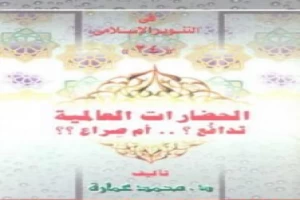
الحضارات العالمية: تدافع أم صراع؟ book pdf download

Auther : Muhammad Emara
Section : pharaonic history
Department : History
book quality : Good
Language : Arabic
Size of file : 1.98MB
Number of Pages : 50
Date of Coming : 2022-08-10

Author: Muhammad Emara

About the Author: Dr. Mohamed Ammar was born in Qalin Center – Kafr El-Sheikh, Egypt. And save the Qur’an and his presence in the book of the village. Dr. Muhammad Emara, an Islamic thinker, author, investigator, and member of the Islamic Research Academy at Al-Azhar, preserved the Qur’an and its existence in the village book. It began to bloom and grow national and Arab interests, a small. The first article published by him was the newspaper (Egypt Al-Fata) entitled (Jihad on Palestine). He studied a doctorate in Islamic sciences majoring in Islamic philosophy – College of Dar Al Uloom – Cairo University in 1975. Masters in Islamic sciences majoring in Islamic philosophy – College of Dar Al Uloom – Cairo University in 1970 and a BA in Arabic language and Islamic sciences – College of Dar Al Uloom – Cairo University 1965 AD. He investigated the most prominent figures of the modern Islamic intellectual awakening, Jamal al-Din al-Afghani, Muhammad Abdo, and Abd al-Rahman al-Kawakibi, and authored books and studies on the flags of Islamic renewal, such as: Dr. Qutb, Hassan Al-Banna, and among the prominent companions of the Prophet, Ali bin Abi Talib. He also wrote about the currents of ancient and modern Islamic thought and about heritage figures such as Ghaylan Al-Dimashqi, and Al-Hasan Al-Basri. Among his last writings on modern thought: Religious Discourse between Islamic Renewal and American Change, and the West and Islam Where is the error… and where is the truth? And articles of religious and non-religious extremism, Islamic law and Western secularism, the book Our Future between Islamic Renewal and Western Modernity, the crisis of modern Islamic thought, intellectual creativity and cultural privacy, and many others. He has contributed to many specialized intellectual periodicals, participated in many seminars and scientific conferences, and was a member of a number of intellectual and research institutions, including the Supreme Council for Islamic Affairs and the Higher Institute of Islamic Thought. The writings and research of Dr. Emara, which enriched the Arab library, which amounted to (200) authors, were characterized by innovative and revival points of view, and to contribute to intellectual problems, and to try to present a civilized renaissance project for the Arab and Islamic nation in the stage in which it lives. He received many awards, honors, certificates of appreciation and shields, including the Friends of the Book Association award in Lebanon in 1972, the State Encouragement Award in Egypt in 1976, and the Order of the Islamic Intellectual Trend, the Founding Leader in 1998.

الحضارات العالمية: تدافع أم صراع؟ book pdf download By Muhammad Emara

يناقش الكاتب في هذا العمل فكرة كتابي نهاية التاريخ لفوكوياما، وكذلك صراع الحضارات لهانتنجتون، وذلك من واقع موقف الحضارة الغربية من الأمم والقوميات والحضارات غير الغربية وواقع موقف الليبرالية الرأسمالية من الفلسفات والمذاهب الاجتماعية الأخرى. في هذا الإطار، يعرض للنمط القادم للصراع وطبيعة الحضارات، ولماذا ستتصادم الحضارات؟ وما خطوط الخلل بين الحضارات؟ وغيرها من الموضوعات الهامة.

Download PDF of الحضارات العالمية: تدافع أم صراع؟ book pdf download By Muhammad Emara
-Adrian Agency Library

Download Now

مصر القديمة – الجزء الخامس عشر – من أواخر عهد بطليموس الثاني إلى آخر عهد بطليموس الرابع book pdf download

Auther : selem hassen
Section : pharaonic history
Number of Pages : 858
book quality : Good
Language : Arabic
Department : History
Date of Coming : 2022-08-10
Size of file : 30.2MB

Author: selem hassen

About the Author: Salim Hassan was born in the village of Mit Nagy, affiliated to the Mit Ghamr Center, Dakahlia Governorate, Egypt. His father died when he was young, so his mother took care of him and insisted that he complete his education. After Salim Hassan finished primary and secondary education and obtained a baccalaureate degree in 1909, he joined the High School of Teachers. He was one of the students of Ahmed Kamal Pasha. Then he was chosen to complete his studies at the Archeology Department attached to this school due to his excellence in history, and he graduated in 1913. At the beginning of his scientific life, Selim Hassan tried to join the Egyptian Museum to be an assistant curator in the museum, but his efforts were unsuccessful, as the jobs of the Egyptian Museum were restricted to foreigners only, so Selim Hassan worked as a history teacher in the princely schools. In 1921, he was appointed to the Egyptian Museum after pressure from the Egyptian government represented by Ahmed Shafik Pasha, the Minister of Works. In the Egyptian Museum, Selim Hassan was a student of the Russian scientist Golenishev. In 1922, Selim Hassan traveled to Europe with Ahmed Kamal Pasha to attend the centenary celebrations of the French archaeologist Champollion. For Egyptian antiquities such as the head of Nefertiti, which he saw in Berlin. In 1925, Ahmed Kamal Pasha managed to convince the Minister of Education Zaki Abu Al-Saud to send some Egyptians abroad to study archeology, among them was Salim Hassan. From the Catholic College, he also obtained a diploma in archeology from the Louvre College, and completed his mission in 1927 by obtaining a diploma in the Egyptian language and a diploma in ancient Egyptian religion from the Sorbonne University. Selim Hassan returned to Cairo and was appointed assistant curator at the Egyptian Museum and was then assigned to teach archeology at the Faculty of Arts at Fouad I University (currently Cairo) and then appointed as an assistant professor there. In 1928, Salim Hassan participated with the Austrian archaeologist Juncker in excavations and excavations in the pyramid area. He then traveled to Austria and obtained a doctorate in archeology from the University of Vienna. His work In 1929, Selim Hassan began archaeological excavations in the pyramid area on behalf of Cairo University, to be the first time that a scientific body organized excavations with Egyptian hands. Many effects. Salim Hassan continued his excavations in the area of ​​the pyramids of Giza and Saqqara until 1939 AD. During that period, about two hundred tombs were discovered, the most important of which are the tomb of the Queen (Khent Kaos) of the Fifth Dynasty and the tombs of the children of King Khafre, in addition to hundreds of artifacts, statues and stone sun boats of Kings Khufu and Khafre. Selim Hassan was appointed in the year General Undersecretary of the Egyptian Antiquities Authority, to be the first Egyptian to hold this position and be the first responsible for all the country’s antiquities. This exposed him to severe harassment that led to his leaving his position in 1940 AD. In 1954 AD, the Egyptian government used the great experience of Salim Hassan and appointed him head of the mission that would determine the extent of the impact of the construction of the High Dam on the effects of Nubia. In 1960, Salim Hassan was unanimously elected a member of the New York Academy, which includes more than 1,500 scientists from 75 countries.

مصر القديمة – الجزء الخامس عشر – من أواخر عهد بطليموس الثاني إلى آخر عهد بطليموس الرابع book pdf download By selem hassen

«مَثَلُ الباحثِ في تاريخِ الحَضارةِ المِصريةِ القديمةِ كَمَثَلِ السائحِ الذي يجتازُ مَفازةً مُترامِيةَ الأَطْراف، يَتخلَّلُها بعضُ وُدْيانٍ ذاتِ عُيونٍ تَتفجَّرُ المياهُ مِن خِلالِها، وتلك الوُدْيانُ تَقعُ على مَسافاتٍ في أرجاءِ تلكَ المَفازةِ الشاسعةِ، ومِن عُيونِها المُتفجِّرةِ يُطفئُ ذلك السائحُ غُلَّتَه ويَتفيَّأُ في ظِلالِ وَادِيها؛ فهوَ يَقطعُ المِيلَ تِلوَ المِيلِ عدَّةَ أيام، ولا يُصادِفُ في طَريقِهِ إلا الرِّمالَ القاحِلةَ والصَّحاري المَالحةَ، على أنَّهُ قد يَعترِضُهُ الفَينةَ بعدَ الفَينةِ بعضُ الكلَأِ الذي تَخلَّفَ عَن جُودِ السَّماءِ بمائِها في فَتراتٍ مُتباعِدة؛ هكذا يَسيرُ هذا السَّائحُ ولا زادَ مَعَه ولا ماءَ إلا ما حَمَلهُ مِن آخِرِ عَينٍ غادَرَها، إلى أنْ يَستقِرَّ به المَطافُ في وادٍ خَصيبٍ آخَر، وهُناك يَنعَمُ مرَّةً أُخرى بالماءِ والزَّاد، وهَذِه هي حَالةُ المُؤرِّخِ نفسِهِ الذي يُؤلِّفُ تاريخَ الحضارةِ المِصريةِ القَدِيمة، فالمَصادرُ الأصْليةُ لديهِ ضَئِيلةٌ سَقِيمةٌ جدًّا لا تتصلُ حَلقاتُ حَوادثِها بعضُها ببعض، فإذا أُتيحَ له أن يَعرِفَ شَيئًا عَن ناحيةٍ مِن عَصرٍ مُعيَّنٍ مِن مَجاهلِ ذلكَ التَّارِيخ، فإنَّ النَّواحيَ الأُخْرى لذلكَ العَصرِ نفسِهِ قد تَستعْصِي عليه، وقَد تَكونُ أبوابُها مُوصَدةً في وجهِه؛ لأنَّ أخبارَ تِلكَ النَّواحي قدِ اختفتْ إلى الأَبد، أو لأنَّ أسرارَها ما تزالُ دَفينةً تحتَ تُربةِ مصرَ لم يُكشَفْ عنها بَعدُ.»

Download PDF of مصر القديمة – الجزء الخامس عشر – من أواخر عهد بطليموس الثاني إلى آخر عهد بطليموس الرابع book pdf download By selem hassen
-Adrian Agency Library

Download Now

مصر القديمة – الجزء الرابع عشر – الإسكندر الأكبر وبداية عهد البطالمة في مصر book pdf download

Department : History
Size of file : 14.9MB
Number of Pages : 863
Auther : selem hassen
Date of Coming : 2022-08-10
book quality : Good
Language : Arabic
Section : pharaonic history

Author: selem hassen

About the Author: Salim Hassan was born in the village of Mit Nagy, affiliated to the Mit Ghamr Center, Dakahlia Governorate, Egypt. His father died when he was young, so his mother took care of him and insisted that he complete his education. After Salim Hassan finished primary and secondary education and obtained a baccalaureate degree in 1909, he joined the High School of Teachers. He was one of the students of Ahmed Kamal Pasha. Then he was chosen to complete his studies at the Archeology Department attached to this school due to his excellence in history, and he graduated in 1913. At the beginning of his scientific life, Selim Hassan tried to join the Egyptian Museum to be an assistant curator in the museum, but his efforts were unsuccessful, as the jobs of the Egyptian Museum were restricted to foreigners only, so Selim Hassan worked as a history teacher in the princely schools. In 1921, he was appointed to the Egyptian Museum after pressure from the Egyptian government represented by Ahmed Shafik Pasha, the Minister of Works. In the Egyptian Museum, Selim Hassan was a student of the Russian scientist Golenishev. In 1922, Selim Hassan traveled to Europe with Ahmed Kamal Pasha to attend the centenary celebrations of the French archaeologist Champollion. For Egyptian antiquities such as the head of Nefertiti, which he saw in Berlin. In 1925, Ahmed Kamal Pasha managed to convince the Minister of Education Zaki Abu Al-Saud to send some Egyptians abroad to study archeology, among them was Salim Hassan. From the Catholic College, he also obtained a diploma in archeology from the Louvre College, and completed his mission in 1927 by obtaining a diploma in the Egyptian language and a diploma in ancient Egyptian religion from the Sorbonne University. Selim Hassan returned to Cairo and was appointed assistant curator at the Egyptian Museum and was then assigned to teach archeology at the Faculty of Arts at Fouad I University (currently Cairo) and then appointed as an assistant professor there. In 1928, Salim Hassan participated with the Austrian archaeologist Juncker in excavations and excavations in the pyramid area. He then traveled to Austria and obtained a doctorate in archeology from the University of Vienna. His work In 1929, Selim Hassan began archaeological excavations in the pyramid area on behalf of Cairo University, to be the first time that a scientific body organized excavations with Egyptian hands. Many effects. Salim Hassan continued his excavations in the area of ​​the pyramids of Giza and Saqqara until 1939 AD. During that period, about two hundred tombs were discovered, the most important of which are the tomb of the Queen (Khent Kaos) of the Fifth Dynasty and the tombs of the children of King Khafre, in addition to hundreds of artifacts, statues and stone sun boats of Kings Khufu and Khafre. Selim Hassan was appointed in the year General Undersecretary of the Egyptian Antiquities Authority, to be the first Egyptian to hold this position and be the first responsible for all the country’s antiquities. This exposed him to severe harassment that led to his leaving his position in 1940 AD. In 1954 AD, the Egyptian government used the great experience of Salim Hassan and appointed him head of the mission that would determine the extent of the impact of the construction of the High Dam on the effects of Nubia. In 1960, Salim Hassan was unanimously elected a member of the New York Academy, which includes more than 1,500 scientists from 75 countries.

مصر القديمة – الجزء الرابع عشر – الإسكندر الأكبر وبداية عهد البطالمة في مصر book pdf download By selem hassen

«مَثَلُ الباحثِ في تاريخِ الحَضارةِ المِصريةِ القديمةِ كَمَثَلِ السائحِ الذي يجتازُ مَفازةً مُترامِيةَ الأَطْراف، يَتخلَّلُها بعضُ وُدْيانٍ ذاتِ عُيونٍ تَتفجَّرُ المياهُ مِن خِلالِها، وتلك الوُدْيانُ تَقعُ على مَسافاتٍ في أرجاءِ تلكَ المَفازةِ الشاسعةِ، ومِن عُيونِها المُتفجِّرةِ يُطفئُ ذلك السائحُ غُلَّتَه ويَتفيَّأُ في ظِلالِ وَادِيها؛ فهوَ يَقطعُ المِيلَ تِلوَ المِيلِ عدَّةَ أيام، ولا يُصادِفُ في طَريقِهِ إلا الرِّمالَ القاحِلةَ والصَّحاري المَالحةَ، على أنَّهُ قد يَعترِضُهُ الفَينةَ بعدَ الفَينةِ بعضُ الكلَأِ الذي تَخلَّفَ عَن جُودِ السَّماءِ بمائِها في فَتراتٍ مُتباعِدة؛ هكذا يَسيرُ هذا السَّائحُ ولا زادَ مَعَه ولا ماءَ إلا ما حَمَلهُ مِن آخِرِ عَينٍ غادَرَها، إلى أنْ يَستقِرَّ به المَطافُ في وادٍ خَصيبٍ آخَر، وهُناك يَنعَمُ مرَّةً أُخرى بالماءِ والزَّاد، وهَذِه هي حَالةُ المُؤرِّخِ نفسِهِ الذي يُؤلِّفُ تاريخَ الحضارةِ المِصريةِ القَدِيمة، فالمَصادرُ الأصْليةُ لديهِ ضَئِيلةٌ سَقِيمةٌ جدًّا لا تتصلُ حَلقاتُ حَوادثِها بعضُها ببعض، فإذا أُتيحَ له أن يَعرِفَ شَيئًا عَن ناحيةٍ مِن عَصرٍ مُعيَّنٍ مِن مَجاهلِ ذلكَ التَّارِيخ، فإنَّ النَّواحيَ الأُخْرى لذلكَ العَصرِ نفسِهِ قد تَستعْصِي عليه، وقَد تَكونُ أبوابُها مُوصَدةً في وجهِه؛ لأنَّ أخبارَ تِلكَ النَّواحي قدِ اختفتْ إلى الأَبد، أو لأنَّ أسرارَها ما تزالُ دَفينةً تحتَ تُربةِ مصرَ لم يُكشَفْ عنها بَعدُ.»

Download PDF of مصر القديمة – الجزء الرابع عشر – الإسكندر الأكبر وبداية عهد البطالمة في مصر book pdf download By selem hassen
-Adrian Agency Library
Download Now

مصر القديمة – الجزء الثالث عشر book pdf download

Size of file : 0MB
Number of Pages : 848
Language : Arabic
book quality : Good
Date of Coming : 2022-08-10
Department : History
Auther : selem hassen
Section : pharaonic history

Author: selem hassen

About the Author: Salim Hassan was born in the village of Mit Nagy, affiliated to the Mit Ghamr Center, Dakahlia Governorate, Egypt. His father died when he was young, so his mother took care of him and insisted that he complete his education. After Salim Hassan finished primary and secondary education and obtained a baccalaureate degree in 1909, he joined the High School of Teachers. He was one of the students of Ahmed Kamal Pasha. Then he was chosen to complete his studies at the Archeology Department attached to this school due to his excellence in history, and he graduated in 1913. At the beginning of his scientific life, Selim Hassan tried to join the Egyptian Museum to be an assistant curator in the museum, but his efforts were unsuccessful, as the jobs of the Egyptian Museum were restricted to foreigners only, so Selim Hassan worked as a history teacher in the princely schools. In 1921, he was appointed to the Egyptian Museum after pressure from the Egyptian government represented by Ahmed Shafik Pasha, the Minister of Works. In the Egyptian Museum, Selim Hassan was a student of the Russian scientist Golenishev. In 1922, Selim Hassan traveled to Europe with Ahmed Kamal Pasha to attend the centenary celebrations of the French archaeologist Champollion. For Egyptian antiquities such as the head of Nefertiti, which he saw in Berlin. In 1925, Ahmed Kamal Pasha managed to convince the Minister of Education Zaki Abu Al-Saud to send some Egyptians abroad to study archeology, among them was Salim Hassan. From the Catholic College, he also obtained a diploma in archeology from the Louvre College, and completed his mission in 1927 by obtaining a diploma in the Egyptian language and a diploma in ancient Egyptian religion from the Sorbonne University. Selim Hassan returned to Cairo and was appointed assistant curator at the Egyptian Museum and was then assigned to teach archeology at the Faculty of Arts at Fouad I University (currently Cairo) and then appointed as an assistant professor there. In 1928, Salim Hassan participated with the Austrian archaeologist Juncker in excavations and excavations in the pyramid area. He then traveled to Austria and obtained a doctorate in archeology from the University of Vienna. His work In 1929, Selim Hassan began archaeological excavations in the pyramid area on behalf of Cairo University, to be the first time that a scientific body organized excavations with Egyptian hands. Many effects. Salim Hassan continued his excavations in the area of ​​the pyramids of Giza and Saqqara until 1939 AD. During that period, about two hundred tombs were discovered, the most important of which are the tomb of the Queen (Khent Kaos) of the Fifth Dynasty and the tombs of the children of King Khafre, in addition to hundreds of artifacts, statues and stone sun boats of Kings Khufu and Khafre. Selim Hassan was appointed in the year General Undersecretary of the Egyptian Antiquities Authority, to be the first Egyptian to hold this position and be the first responsible for all the country’s antiquities. This exposed him to severe harassment that led to his leaving his position in 1940 AD. In 1954 AD, the Egyptian government used the great experience of Salim Hassan and appointed him head of the mission that would determine the extent of the impact of the construction of the High Dam on the effects of Nubia. In 1960, Salim Hassan was unanimously elected a member of the New York Academy, which includes more than 1,500 scientists from 75 countries.

مصر القديمة – الجزء الثالث عشر book pdf download By selem hassen

«مَثَلُ الباحثِ في تاريخِ الحَضارةِ المِصريةِ القديمةِ كَمَثَلِ السائحِ الذي يجتازُ مَفازةً مُترامِيةَ الأَطْراف، يَتخلَّلُها بعضُ وُدْيانٍ ذاتِ عُيونٍ تَتفجَّرُ المياهُ مِن خِلالِها، وتلك الوُدْيانُ تَقعُ على مَسافاتٍ في أرجاءِ تلكَ المَفازةِ الشاسعةِ، ومِن عُيونِها المُتفجِّرةِ يُطفئُ ذلك السائحُ غُلَّتَه ويَتفيَّأُ في ظِلالِ وَادِيها؛ فهوَ يَقطعُ المِيلَ تِلوَ المِيلِ عدَّةَ أيام، ولا يُصادِفُ في طَريقِهِ إلا الرِّمالَ القاحِلةَ والصَّحاري المَالحةَ، على أنَّهُ قد يَعترِضُهُ الفَينةَ بعدَ الفَينةِ بعضُ الكلَأِ الذي تَخلَّفَ عَن جُودِ السَّماءِ بمائِها في فَتراتٍ مُتباعِدة؛ هكذا يَسيرُ هذا السَّائحُ ولا زادَ مَعَه ولا ماءَ إلا ما حَمَلهُ مِن آخِرِ عَينٍ غادَرَها، إلى أنْ يَستقِرَّ به المَطافُ في وادٍ خَصيبٍ آخَر، وهُناك يَنعَمُ مرَّةً أُخرى بالماءِ والزَّاد، وهَذِه هي حَالةُ المُؤرِّخِ نفسِهِ الذي يُؤلِّفُ تاريخَ الحضارةِ المِصريةِ القَدِيمة، فالمَصادرُ الأصْليةُ لديهِ ضَئِيلةٌ سَقِيمةٌ جدًّا لا تتصلُ حَلقاتُ حَوادثِها بعضُها ببعض، فإذا أُتيحَ له أن يَعرِفَ شَيئًا عَن ناحيةٍ مِن عَصرٍ مُعيَّنٍ مِن مَجاهلِ ذلكَ التَّارِيخ، فإنَّ النَّواحيَ الأُخْرى لذلكَ العَصرِ نفسِهِ قد تَستعْصِي عليه، وقَد تَكونُ أبوابُها مُوصَدةً في وجهِه؛ لأنَّ أخبارَ تِلكَ النَّواحي قدِ اختفتْ إلى الأَبد، أو لأنَّ أسرارَها ما تزالُ دَفينةً تحتَ تُربةِ مصرَ لم يُكشَفْ عنها بَعدُ.»

Download PDF of مصر القديمة – الجزء الثالث عشر book pdf download By selem hassen
-Adrian Agency Library

Download Now

مصر القديمة – الجزء الثاني عشر -عصر النهضة المصرية ولمحة في تاريخ الإغريق book pdf download

Size of file : 19.5MB
Section : pharaonic history
book quality : Good
Date of Coming : 2022-08-10
Auther : selem hassen
Language : Arabic
Department : History
Number of Pages : 700

Author: selem hassen

About the Author: Salim Hassan was born in the village of Mit Nagy, affiliated to the Mit Ghamr Center, Dakahlia Governorate, Egypt. His father died when he was young, so his mother took care of him and insisted that he complete his education. After Salim Hassan finished primary and secondary education and obtained a baccalaureate degree in 1909, he joined the High School of Teachers. He was one of the students of Ahmed Kamal Pasha. Then he was chosen to complete his studies at the Archeology Department attached to this school due to his excellence in history, and he graduated in 1913. At the beginning of his scientific life, Selim Hassan tried to join the Egyptian Museum to be an assistant curator in the museum, but his efforts were unsuccessful, as the jobs of the Egyptian Museum were restricted to foreigners only, so Selim Hassan worked as a history teacher in the princely schools. In 1921, he was appointed to the Egyptian Museum after pressure from the Egyptian government represented by Ahmed Shafik Pasha, the Minister of Works. In the Egyptian Museum, Selim Hassan was a student of the Russian scientist Golenishev. In 1922, Selim Hassan traveled to Europe with Ahmed Kamal Pasha to attend the centenary celebrations of the French archaeologist Champollion. For Egyptian antiquities such as the head of Nefertiti, which he saw in Berlin. In 1925, Ahmed Kamal Pasha managed to convince the Minister of Education Zaki Abu Al-Saud to send some Egyptians abroad to study archeology, among them was Salim Hassan. From the Catholic College, he also obtained a diploma in archeology from the Louvre College, and completed his mission in 1927 by obtaining a diploma in the Egyptian language and a diploma in ancient Egyptian religion from the Sorbonne University. Selim Hassan returned to Cairo and was appointed assistant curator at the Egyptian Museum and was then assigned to teach archeology at the Faculty of Arts at Fouad I University (currently Cairo) and then appointed as an assistant professor there. In 1928, Salim Hassan participated with the Austrian archaeologist Juncker in excavations and excavations in the pyramid area. He then traveled to Austria and obtained a doctorate in archeology from the University of Vienna. His work In 1929, Selim Hassan began archaeological excavations in the pyramid area on behalf of Cairo University, to be the first time that a scientific body organized excavations with Egyptian hands. Many effects. Salim Hassan continued his excavations in the area of ​​the pyramids of Giza and Saqqara until 1939 AD. During that period, about two hundred tombs were discovered, the most important of which are the tomb of the Queen (Khent Kaos) of the Fifth Dynasty and the tombs of the children of King Khafre, in addition to hundreds of artifacts, statues and stone sun boats of Kings Khufu and Khafre. Selim Hassan was appointed in the year General Undersecretary of the Egyptian Antiquities Authority, to be the first Egyptian to hold this position and be the first responsible for all the country’s antiquities. This exposed him to severe harassment that led to his leaving his position in 1940 AD. In 1954 AD, the Egyptian government used the great experience of Salim Hassan and appointed him head of the mission that would determine the extent of the impact of the construction of the High Dam on the effects of Nubia. In 1960, Salim Hassan was unanimously elected a member of the New York Academy, which includes more than 1,500 scientists from 75 countries.

مصر القديمة – الجزء الثاني عشر -عصر النهضة المصرية ولمحة في تاريخ الإغريق book pdf download By selem hassen

«مَثَلُ الباحثِ في تاريخ الحضارة المصرية القديمة، كَمَثَلِ السائح الذي يجتاز مَفَازَةً مترامية الأطرافِ، يتخللها بعض وديان ذات عيون تتفجر المياه من خلالها، وتلك الوديان تقع على مسافات في أرجاء تلك المفازة الشاسعة، ومن عيونها المتفجرة يطفئ ذلك السائح غلته ويتفيأ في ظلال واديها؛ فهو يقطع الميل تلو الميل عدة أيام، ولا يصادف في طريقة إلا الرمال القاحلة والصحاري المالحة، على أنه قد يعترضه الفينة بعد الفينة بعض الكلأ الذي تخلف عن جود السماء بمائها في فترات متباعدة، هكذا يسير هذا السائح ولا زاد معه ولا ماء إلا ما حمله من آخر عين غادرها، إلى أن يستقر به المطاف في وادٍ خصيبٍ آخر، وهناك ينعم مرة أخرى بالماء والزاد، وهذه هي حالة المؤرخ نفسه الذي يؤلف تاريخ الحضارة المصرية القديمة، فالمصادر الأصلية لديه ضئيلة سقيمة جدًّا لا تتصل حلقات حوادثها بعضها ببعض، فإذا أتيح له أن يعرف شيئًا عن ناحية من عصر معين من مجاهل ذلك التاريخ؛ فإن النواحي الأخرى لذلك العصر نفسه قد تستعصي عليه، وقد تكون أبوابها موصدة في وجهه؛ لأن أخبار تلك النواحي قد اختفت للأبد، أو لأن أسرارها ما تزال دفينة تحت تربة مصر لم يكشف عنها بعد.»

Download PDF of مصر القديمة – الجزء الثاني عشر -عصر النهضة المصرية ولمحة في تاريخ الإغريق book pdf download By selem hassen
-Adrian Agency Library

Download Now

مصر القديمة – الجزء الحادي عشر book pdf download

Auther : selem hassen
Number of Pages : 662
Section : pharaonic history
Date of Coming : 2022-08-10
book quality : Good
Department : History
Size of file : 20.1MB
Language : Arabic

Author: selem hassen

About the Author: Salim Hassan was born in the village of Mit Nagy, affiliated to the Mit Ghamr Center, Dakahlia Governorate, Egypt. His father died when he was young, so his mother took care of him and insisted that he complete his education. After Salim Hassan finished primary and secondary education and obtained a baccalaureate degree in 1909, he joined the High School of Teachers. He was one of the students of Ahmed Kamal Pasha. Then he was chosen to complete his studies at the Archeology Department attached to this school due to his excellence in history, and he graduated in 1913. At the beginning of his scientific life, Selim Hassan tried to join the Egyptian Museum to be an assistant curator in the museum, but his efforts were unsuccessful, as the jobs of the Egyptian Museum were restricted to foreigners only, so Selim Hassan worked as a history teacher in the princely schools. In 1921, he was appointed to the Egyptian Museum after pressure from the Egyptian government represented by Ahmed Shafik Pasha, the Minister of Works. In the Egyptian Museum, Selim Hassan was a student of the Russian scientist Golenishev. In 1922, Selim Hassan traveled to Europe with Ahmed Kamal Pasha to attend the centenary celebrations of the French archaeologist Champollion. For Egyptian antiquities such as the head of Nefertiti, which he saw in Berlin. In 1925, Ahmed Kamal Pasha managed to convince the Minister of Education Zaki Abu Al-Saud to send some Egyptians abroad to study archeology, among them was Salim Hassan. From the Catholic College, he also obtained a diploma in archeology from the Louvre College, and completed his mission in 1927 by obtaining a diploma in the Egyptian language and a diploma in ancient Egyptian religion from the Sorbonne University. Selim Hassan returned to Cairo and was appointed assistant curator at the Egyptian Museum and was then assigned to teach archeology at the Faculty of Arts at Fouad I University (currently Cairo) and then appointed as an assistant professor there. In 1928, Salim Hassan participated with the Austrian archaeologist Juncker in excavations and excavations in the pyramid area. He then traveled to Austria and obtained a doctorate in archeology from the University of Vienna. His work In 1929, Selim Hassan began archaeological excavations in the pyramid area on behalf of Cairo University, to be the first time that a scientific body organized excavations with Egyptian hands. Many effects. Salim Hassan continued his excavations in the area of ​​the pyramids of Giza and Saqqara until 1939 AD. During that period, about two hundred tombs were discovered, the most important of which are the tomb of the Queen (Khent Kaos) of the Fifth Dynasty and the tombs of the children of King Khafre, in addition to hundreds of artifacts, statues and stone sun boats of Kings Khufu and Khafre. Selim Hassan was appointed in the year General Undersecretary of the Egyptian Antiquities Authority, to be the first Egyptian to hold this position and be the first responsible for all the country’s antiquities. This exposed him to severe harassment that led to his leaving his position in 1940 AD. In 1954 AD, the Egyptian government used the great experience of Salim Hassan and appointed him head of the mission that would determine the extent of the impact of the construction of the High Dam on the effects of Nubia. In 1960, Salim Hassan was unanimously elected a member of the New York Academy, which includes more than 1,500 scientists from 75 countries.

مصر القديمة – الجزء الحادي عشر book pdf download By selem hassen

«مَثَلُ الباحثِ في تاريخِ الحَضارةِ المِصريةِ القديمةِ كَمَثَلِ السائحِ الذي يجتازُ مَفازةً مُترامِيةَ الأَطْراف، يَتخلَّلُها بعضُ وُدْيانٍ ذاتِ عُيونٍ تَتفجَّرُ المياهُ مِن خِلالِها، وتلك الوُدْيانُ تَقعُ على مَسافاتٍ في أرجاءِ تلكَ المَفازةِ الشاسعةِ، ومِن عُيونِها المُتفجِّرةِ يُطفئُ ذلك السائحُ غُلَّتَه ويَتفيَّأُ في ظِلالِ وَادِيها؛ فهوَ يَقطعُ المِيلَ تِلوَ المِيلِ عدَّةَ أيام، ولا يُصادِفُ في طَريقِهِ إلا الرِّمالَ القاحِلةَ والصَّحاري المَالحةَ، على أنَّهُ قد يَعترِضُهُ الفَينةَ بعدَ الفَينةِ بعضُ الكلَأِ الذي تَخلَّفَ عَن جُودِ السَّماءِ بمائِها في فَتراتٍ مُتباعِدة؛ هكذا يَسيرُ هذا السَّائحُ ولا زادَ مَعَه ولا ماءَ إلا ما حَمَلهُ مِن آخِرِ عَينٍ غادَرَها، إلى أنْ يَستقِرَّ به المَطافُ في وادٍ خَصيبٍ آخَر، وهُناك يَنعَمُ مرَّةً أُخرى بالماءِ والزَّاد، وهَذِه هي حَالةُ المُؤرِّخِ نفسِهِ الذي يُؤلِّفُ تاريخَ الحضارةِ المِصريةِ القَدِيمة، فالمَصادرُ الأصْليةُ لديهِ ضَئِيلةٌ سَقِيمةٌ جدًّا لا تتصلُ حَلقاتُ حَوادثِها بعضُها ببعض، فإذا أُتيحَ له أن يَعرِفَ شَيئًا عَن ناحيةٍ مِن عَصرٍ مُعيَّنٍ مِن مَجاهلِ ذلكَ التَّارِيخ، فإنَّ النَّواحيَ الأُخْرى لذلكَ العَصرِ نفسِهِ قد تَستعْصِي عليه، وقَد تَكونُ أبوابُها مُوصَدةً في وجهِه؛ لأنَّ أخبارَ تِلكَ النَّواحي قدِ اختفتْ إلى الأَبد، أو لأنَّ أسرارَها ما تزالُ دَفينةً تحتَ تُربةِ مصرَ لم يُكشَفْ عنها بَعدُ.»

Download PDF of مصر القديمة – الجزء الحادي عشر book pdf download By selem hassen
-Adrian Agency Library

Download Now

مصر القديمة – الجزء العاشر – تاريخ السودان المقارن إلى أوائل عهد بيعنخي book pdf download

Section : pharaonic history
Department : History
book quality : Good
Date of Coming : 2022-08-10
Auther : selem hassen
Language : Arabic
Size of file : 22.1MB
Number of Pages : 648

Author: selem hassen

About the Author: Salim Hassan was born in the village of Mit Nagy, affiliated to the Mit Ghamr Center, Dakahlia Governorate, Egypt. His father died when he was young, so his mother took care of him and insisted that he complete his education. After Salim Hassan finished primary and secondary education and obtained a baccalaureate degree in 1909, he joined the High School of Teachers. He was one of the students of Ahmed Kamal Pasha. Then he was chosen to complete his studies at the Archeology Department attached to this school due to his excellence in history, and he graduated in 1913. At the beginning of his scientific life, Selim Hassan tried to join the Egyptian Museum to be an assistant curator in the museum, but his efforts were unsuccessful, as the jobs of the Egyptian Museum were restricted to foreigners only, so Selim Hassan worked as a history teacher in the princely schools. In 1921, he was appointed to the Egyptian Museum after pressure from the Egyptian government represented by Ahmed Shafik Pasha, the Minister of Works. In the Egyptian Museum, Selim Hassan was a student of the Russian scientist Golenishev. In 1922, Selim Hassan traveled to Europe with Ahmed Kamal Pasha to attend the centenary celebrations of the French archaeologist Champollion. For Egyptian antiquities such as the head of Nefertiti, which he saw in Berlin. In 1925, Ahmed Kamal Pasha managed to convince the Minister of Education Zaki Abu Al-Saud to send some Egyptians abroad to study archeology, among them was Salim Hassan. From the Catholic College, he also obtained a diploma in archeology from the Louvre College, and completed his mission in 1927 by obtaining a diploma in the Egyptian language and a diploma in ancient Egyptian religion from the Sorbonne University. Selim Hassan returned to Cairo and was appointed assistant curator at the Egyptian Museum and was then assigned to teach archeology at the Faculty of Arts at Fouad I University (currently Cairo) and then appointed as an assistant professor there. In 1928, Salim Hassan participated with the Austrian archaeologist Juncker in excavations and excavations in the pyramid area. He then traveled to Austria and obtained a doctorate in archeology from the University of Vienna. His work In 1929, Selim Hassan began archaeological excavations in the pyramid area on behalf of Cairo University, to be the first time that a scientific body organized excavations with Egyptian hands. Many effects. Salim Hassan continued his excavations in the area of ​​the pyramids of Giza and Saqqara until 1939 AD. During that period, about two hundred tombs were discovered, the most important of which are the tomb of the Queen (Khent Kaos) of the Fifth Dynasty and the tombs of the children of King Khafre, in addition to hundreds of artifacts, statues and stone sun boats of Kings Khufu and Khafre. Selim Hassan was appointed in the year General Undersecretary of the Egyptian Antiquities Authority, to be the first Egyptian to hold this position and be the first responsible for all the country’s antiquities. This exposed him to severe harassment that led to his leaving his position in 1940 AD. In 1954 AD, the Egyptian government used the great experience of Salim Hassan and appointed him head of the mission that would determine the extent of the impact of the construction of the High Dam on the effects of Nubia. In 1960, Salim Hassan was unanimously elected a member of the New York Academy, which includes more than 1,500 scientists from 75 countries.

مصر القديمة – الجزء العاشر – تاريخ السودان المقارن إلى أوائل عهد بيعنخي book pdf download By selem hassen

«مَثَلُ الباحثِ في تاريخ الحضارة المصرية القديمة، كَمَثَلِ السائح الذي يجتاز مَفَازَةً مترامية الأطرافِ، يتخللها بعض وديان ذات عيون تتفجر المياه من خلالها، وتلك الوديان تقع على مسافات في أرجاء تلك المفازة الشاسعة، ومن عيونها المتفجرة يطفئ ذلك السائح غلته ويتفيأ في ظلال واديها؛ فهو يقطع الميل تلو الميل عدة أيام، ولا يصادف في طريقة إلا الرمال القاحلة والصحاري المالحة، على أنه قد يعترضه الفينة بعد الفينة بعض الكلأ الذي تخلف عن جود السماء بمائها في فترات متباعدة، هكذا يسير هذا السائح ولا زاد معه ولا ماء إلا ما حمله من آخر عين غادرها، إلى أن يستقر به المطاف في وادٍ خصيبٍ آخر، وهناك ينعم مرة أخرى بالماء والزاد، وهذه هي حالة المؤرخ نفسه الذي يؤلف تاريخ الحضارة المصرية القديمة، فالمصادر الأصلية لديه ضئيلة سقيمة جدًّا لا تتصل حلقات حوادثها بعضها ببعض، فإذا أتيح له أن يعرف شيئًا عن ناحية من عصر معين من مجاهل ذلك التاريخ؛ فإن النواحي الأخرى لذلك العصر نفسه قد تستعصي عليه، وقد تكون أبوابها موصدة في وجهه؛ لأن أخبار تلك النواحي قد اختفت للأبد، أو لأن أسرارها ما تزال دفينة تحت تربة مصر لم يكشف عنها بعد.»

Download PDF of مصر القديمة – الجزء العاشر – تاريخ السودان المقارن إلى أوائل عهد بيعنخي book pdf download By selem hassen
-Adrian Agency Library

Download Now

مصر القديمة – الجزء التاسع book pdf download

Number of Pages : 681
book quality : Good
Date of Coming : 2022-08-10
Auther : selem hassen
Department : History
Language : Arabic
Size of file : 18.8MB
Section : pharaonic history

Author: selem hassen

About the Author: Salim Hassan was born in the village of Mit Nagy, affiliated to the Mit Ghamr Center, Dakahlia Governorate, Egypt. His father died when he was young, so his mother took care of him and insisted that he complete his education. After Salim Hassan finished primary and secondary education and obtained a baccalaureate degree in 1909, he joined the High School of Teachers. He was one of the students of Ahmed Kamal Pasha. Then he was chosen to complete his studies at the Archeology Department attached to this school due to his excellence in history, and he graduated in 1913. At the beginning of his scientific life, Selim Hassan tried to join the Egyptian Museum to be an assistant curator in the museum, but his efforts were unsuccessful, as the jobs of the Egyptian Museum were restricted to foreigners only, so Selim Hassan worked as a history teacher in the princely schools. In 1921, he was appointed to the Egyptian Museum after pressure from the Egyptian government represented by Ahmed Shafik Pasha, the Minister of Works. In the Egyptian Museum, Selim Hassan was a student of the Russian scientist Golenishev. In 1922, Selim Hassan traveled to Europe with Ahmed Kamal Pasha to attend the centenary celebrations of the French archaeologist Champollion. For Egyptian antiquities such as the head of Nefertiti, which he saw in Berlin. In 1925, Ahmed Kamal Pasha managed to convince the Minister of Education Zaki Abu Al-Saud to send some Egyptians abroad to study archeology, among them was Salim Hassan. From the Catholic College, he also obtained a diploma in archeology from the Louvre College, and completed his mission in 1927 by obtaining a diploma in the Egyptian language and a diploma in ancient Egyptian religion from the Sorbonne University. Selim Hassan returned to Cairo and was appointed assistant curator at the Egyptian Museum and was then assigned to teach archeology at the Faculty of Arts at Fouad I University (currently Cairo) and then appointed as an assistant professor there. In 1928, Salim Hassan participated with the Austrian archaeologist Juncker in excavations and excavations in the pyramid area. He then traveled to Austria and obtained a doctorate in archeology from the University of Vienna. His work In 1929, Selim Hassan began archaeological excavations in the pyramid area on behalf of Cairo University, to be the first time that a scientific body organized excavations with Egyptian hands. Many effects. Salim Hassan continued his excavations in the area of ​​the pyramids of Giza and Saqqara until 1939 AD. During that period, about two hundred tombs were discovered, the most important of which are the tomb of the Queen (Khent Kaos) of the Fifth Dynasty and the tombs of the children of King Khafre, in addition to hundreds of artifacts, statues and stone sun boats of Kings Khufu and Khafre. Selim Hassan was appointed in the year General Undersecretary of the Egyptian Antiquities Authority, to be the first Egyptian to hold this position and be the first responsible for all the country’s antiquities. This exposed him to severe harassment that led to his leaving his position in 1940 AD. In 1954 AD, the Egyptian government used the great experience of Salim Hassan and appointed him head of the mission that would determine the extent of the impact of the construction of the High Dam on the effects of Nubia. In 1960, Salim Hassan was unanimously elected a member of the New York Academy, which includes more than 1,500 scientists from 75 countries.

مصر القديمة – الجزء التاسع book pdf download By selem hassen

«مَثَلُ الباحثِ في تاريخِ الحَضارةِ المِصريةِ القديمةِ كَمَثَلِ السائحِ الذي يجتازُ مَفازةً مُترامِيةَ الأَطْراف، يَتخلَّلُها بعضُ وُدْيانٍ ذاتِ عُيونٍ تَتفجَّرُ المياهُ مِن خِلالِها، وتلك الوُدْيانُ تَقعُ على مَسافاتٍ في أرجاءِ تلكَ المَفازةِ الشاسعةِ، ومِن عُيونِها المُتفجِّرةِ يُطفئُ ذلك السائحُ غُلَّتَه ويَتفيَّأُ في ظِلالِ وَادِيها؛ فهوَ يَقطعُ المِيلَ تِلوَ المِيلِ عدَّةَ أيام، ولا يُصادِفُ في طَريقِهِ إلا الرِّمالَ القاحِلةَ والصَّحاري المَالحةَ، على أنَّهُ قد يَعترِضُهُ الفَينةَ بعدَ الفَينةِ بعضُ الكلَأِ الذي تَخلَّفَ عَن جُودِ السَّماءِ بمائِها في فَتراتٍ مُتباعِدة؛ هكذا يَسيرُ هذا السَّائحُ ولا زادَ مَعَه ولا ماءَ إلا ما حَمَلهُ مِن آخِرِ عَينٍ غادَرَها، إلى أنْ يَستقِرَّ به المَطافُ في وادٍ خَصيبٍ آخَر، وهُناك يَنعَمُ مرَّةً أُخرى بالماءِ والزَّاد، وهَذِه هي حَالةُ المُؤرِّخِ نفسِهِ الذي يُؤلِّفُ تاريخَ الحضارةِ المِصريةِ القَدِيمة، فالمَصادرُ الأصْليةُ لديهِ ضَئِيلةٌ سَقِيمةٌ جدًّا لا تتصلُ حَلقاتُ حَوادثِها بعضُها ببعض، فإذا أُتيحَ له أن يَعرِفَ شَيئًا عَن ناحيةٍ مِن عَصرٍ مُعيَّنٍ مِن مَجاهلِ ذلكَ التَّارِيخ، فإنَّ النَّواحيَ الأُخْرى لذلكَ العَصرِ نفسِهِ قد تَستعْصِي عليه، وقَد تَكونُ أبوابُها مُوصَدةً في وجهِه؛ لأنَّ أخبارَ تِلكَ النَّواحي قدِ اختفتْ إلى الأَبد، أو لأنَّ أسرارَها ما تزالُ دَفينةً تحتَ تُربةِ مصرَ لم يُكشَفْ عنها بَعدُ.»

Download PDF of مصر القديمة – الجزء التاسع book pdf download By selem hassen
-Adrian Agency Library

Download Now

مصر القديمة – الجزء الثامن – نهاية عصر الرعامسة وقيام دولة الكهنة بطيبة في عهد الأسرة الواحدة والعشرين book pdf download

Date of Coming : 2022-08-10
Department : History
book quality : Good
Auther : selem hassen
Language : Arabic
Section : pharaonic history
Size of file : 26.7MB
Number of Pages : 50

Author: selem hassen

About the Author: Salim Hassan was born in the village of Mit Nagy, affiliated to the Mit Ghamr Center, Dakahlia Governorate, Egypt. His father died when he was young, so his mother took care of him and insisted that he complete his education. After Salim Hassan finished primary and secondary education and obtained a baccalaureate degree in 1909, he joined the High School of Teachers. He was one of the students of Ahmed Kamal Pasha. Then he was chosen to complete his studies at the Archeology Department attached to this school due to his excellence in history, and he graduated in 1913. At the beginning of his scientific life, Selim Hassan tried to join the Egyptian Museum to be an assistant curator in the museum, but his efforts were unsuccessful, as the jobs of the Egyptian Museum were restricted to foreigners only, so Selim Hassan worked as a history teacher in the princely schools. In 1921, he was appointed to the Egyptian Museum after pressure from the Egyptian government represented by Ahmed Shafik Pasha, the Minister of Works. In the Egyptian Museum, Selim Hassan was a student of the Russian scientist Golenishev. In 1922, Selim Hassan traveled to Europe with Ahmed Kamal Pasha to attend the centenary celebrations of the French archaeologist Champollion. For Egyptian antiquities such as the head of Nefertiti, which he saw in Berlin. In 1925, Ahmed Kamal Pasha managed to convince the Minister of Education Zaki Abu Al-Saud to send some Egyptians abroad to study archeology, among them was Salim Hassan. From the Catholic College, he also obtained a diploma in archeology from the Louvre College, and completed his mission in 1927 by obtaining a diploma in the Egyptian language and a diploma in ancient Egyptian religion from the Sorbonne University. Selim Hassan returned to Cairo and was appointed assistant curator at the Egyptian Museum and was then assigned to teach archeology at the Faculty of Arts at Fouad I University (currently Cairo) and then appointed as an assistant professor there. In 1928, Salim Hassan participated with the Austrian archaeologist Juncker in excavations and excavations in the pyramid area. He then traveled to Austria and obtained a doctorate in archeology from the University of Vienna. His work In 1929, Selim Hassan began archaeological excavations in the pyramid area on behalf of Cairo University, to be the first time that a scientific body organized excavations with Egyptian hands. Many effects. Salim Hassan continued his excavations in the area of ​​the pyramids of Giza and Saqqara until 1939 AD. During that period, about two hundred tombs were discovered, the most important of which are the tomb of the Queen (Khent Kaos) of the Fifth Dynasty and the tombs of the children of King Khafre, in addition to hundreds of artifacts, statues and stone sun boats of Kings Khufu and Khafre. Selim Hassan was appointed in the year General Undersecretary of the Egyptian Antiquities Authority, to be the first Egyptian to hold this position and be the first responsible for all the country’s antiquities. This exposed him to severe harassment that led to his leaving his position in 1940 AD. In 1954 AD, the Egyptian government used the great experience of Salim Hassan and appointed him head of the mission that would determine the extent of the impact of the construction of the High Dam on the effects of Nubia. In 1960, Salim Hassan was unanimously elected a member of the New York Academy, which includes more than 1,500 scientists from 75 countries.

مصر القديمة – الجزء الثامن – نهاية عصر الرعامسة وقيام دولة الكهنة بطيبة في عهد الأسرة الواحدة والعشرين book pdf download By selem hassen

«مَثَلُ الباحثِ في تاريخِ الحَضارةِ المِصريةِ القديمةِ كَمَثَلِ السائحِ الذي يجتازُ مَفازةً مُترامِيةَ الأَطْراف، يَتخلَّلُها بعضُ وُدْيانٍ ذاتِ عُيونٍ تَتفجَّرُ المياهُ مِن خِلالِها، وتلك الوُدْيانُ تَقعُ على مَسافاتٍ في أرجاءِ تلكَ المَفازةِ الشاسعةِ، ومِن عُيونِها المُتفجِّرةِ يُطفئُ ذلك السائحُ غُلَّتَه ويَتفيَّأُ في ظِلالِ وَادِيها؛ فهوَ يَقطعُ المِيلَ تِلوَ المِيلِ عدَّةَ أيام، ولا يُصادِفُ في طَريقِهِ إلا الرِّمالَ القاحِلةَ والصَّحاري المَالحةَ، على أنَّهُ قد يَعترِضُهُ الفَينةَ بعدَ الفَينةِ بعضُ الكلَأِ الذي تَخلَّفَ عَن جُودِ السَّماءِ بمائِها في فَتراتٍ مُتباعِدة؛ هكذا يَسيرُ هذا السَّائحُ ولا زادَ مَعَه ولا ماءَ إلا ما حَمَلهُ مِن آخِرِ عَينٍ غادَرَها، إلى أنْ يَستقِرَّ به المَطافُ في وادٍ خَصيبٍ آخَر، وهُناك يَنعَمُ مرَّةً أُخرى بالماءِ والزَّاد، وهَذِه هي حَالةُ المُؤرِّخِ نفسِهِ الذي يُؤلِّفُ تاريخَ الحضارةِ المِصريةِ القَدِيمة، فالمَصادرُ الأصْليةُ لديهِ ضَئِيلةٌ سَقِيمةٌ جدًّا لا تتصلُ حَلقاتُ حَوادثِها بعضُها ببعض، فإذا أُتيحَ له أن يَعرِفَ شَيئًا عَن ناحيةٍ مِن عَصرٍ مُعيَّنٍ مِن مَجاهلِ ذلكَ التَّارِيخ، فإنَّ النَّواحيَ الأُخْرى لذلكَ العَصرِ نفسِهِ قد تَستعْصِي عليه، وقَد تَكونُ أبوابُها مُوصَدةً في وجهِه؛ لأنَّ أخبارَ تِلكَ النَّواحي قدِ اختفتْ إلى الأَبد، أو لأنَّ أسرارَها ما تزالُ دَفينةً تحتَ تُربةِ مصرَ لم يُكشَفْ عنها بَعدُ.»

Download PDF of مصر القديمة – الجزء الثامن – نهاية عصر الرعامسة وقيام دولة الكهنة بطيبة في عهد الأسرة الواحدة والعشرين book pdf download By selem hassen
-Adrian Agency Library

Download Now