
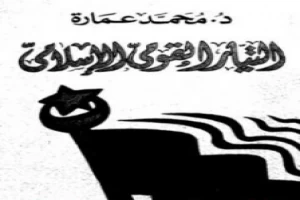
| Number of Pages | : 205 |
| Section | : Islam |
| book quality | : Good |
| Auther | : Muhammad Emara |
| Language | : Arabic |
| Date of Coming | : 2022-08-10 |
| Size of file | : 2.76MB |
| Department | : Religions |
Author: Muhammad Emara
About the Author: Dr. Mohamed Ammar was born in Qalin Center – Kafr El-Sheikh, Egypt. And save the Qur’an and his presence in the book of the village. Dr. Muhammad Emara, an Islamic thinker, author, investigator, and member of the Islamic Research Academy at Al-Azhar, preserved the Qur’an and its existence in the village book. It began to bloom and grow national and Arab interests, a small. The first article published by him was the newspaper (Egypt Al-Fata) entitled (Jihad on Palestine). He studied a doctorate in Islamic sciences majoring in Islamic philosophy – College of Dar Al Uloom – Cairo University in 1975. Masters in Islamic sciences majoring in Islamic philosophy – College of Dar Al Uloom – Cairo University in 1970 and a BA in Arabic language and Islamic sciences – College of Dar Al Uloom – Cairo University 1965 AD. He investigated the most prominent figures of the modern Islamic intellectual awakening, Jamal al-Din al-Afghani, Muhammad Abdo, and Abd al-Rahman al-Kawakibi, and authored books and studies on the flags of Islamic renewal, such as: Dr. Qutb, Hassan Al-Banna, and among the prominent companions of the Prophet, Ali bin Abi Talib. He also wrote about the currents of ancient and modern Islamic thought and about heritage figures such as Ghaylan Al-Dimashqi, and Al-Hasan Al-Basri. Among his last writings on modern thought: Religious Discourse between Islamic Renewal and American Change, and the West and Islam Where is the error… and where is the truth? And articles of religious and non-religious extremism, Islamic law and Western secularism, the book Our Future between Islamic Renewal and Western Modernity, the crisis of modern Islamic thought, intellectual creativity and cultural privacy, and many others. He has contributed to many specialized intellectual periodicals, participated in many seminars and scientific conferences, and was a member of a number of intellectual and research institutions, including the Supreme Council for Islamic Affairs and the Higher Institute of Islamic Thought. The writings and research of Dr. Emara, which enriched the Arab library, which amounted to (200) authors, were characterized by innovative and revival points of view, and to contribute to intellectual problems, and to try to present a civilized renaissance project for the Arab and Islamic nation in the stage in which it lives. He received many awards, honors, certificates of appreciation and shields, including the Friends of the Book Association award in Lebanon in 1972, the State Encouragement Award in Egypt in 1976, and the Order of the Islamic Intellectual Trend, the Founding Leader in 1998.
التيار القومي في الإسلام book pdf download By Muhammad Emara
حول ميشيل عفلق كتبت، قبل وفاته وبعدها، العديد من الكتب والدراسات، إلا أن الذين كتبوا على فكر ميشيل عفلق، سواء أكانوا من محبيه أم من الكارهين له، بعثيين أم غير بعثيين كانوا أم غير بعثيين، قد صمتوا صمتاً كاملاً أو شبه كامل عن دلالة أعناقه للإسلام، وأهم من ذلك صمتوا، بحسن نية أو بسوئها، عن الاهتمام بدراسة مسار الخط البياني لمكانة الإسلام في مشروعه الفكري وحياته النضالية. لقد أعلنت القيادة القومية لحزب البعث، في بيان نعيها للرجل أنه “قد اعتنق الإسلام ديناً” وكتبت مجلة “الوطن العربي”، وهي مجلة بعثية، أن “القيادة القومية قد أعلنت في بيان نعيها له، وأول مرة، عن مدى إدراك الراحل ميشيل عفلق للعلامة الجدلية بين الإسلام وبين العروبة، حيث قاده هذا الإيمان والفعل العميقان بترابط القومية بالدين في اعتناقه الإسلام، ديناً، ولم يرغب هو ولا رفاقه في القيادة في الإعلان عن ذلك، حرصاً منه وفهم على ألا يعطى لهذا الخيار أي تأويل سياسي. فأي إسلام كان ميشيل عفلق يعني عندما يكون حديثه عن مكانة الإسلام في المشروع القومي ومرجعيته في المشروع الحضاري وبعبارة أخرى: هل كان ميشيل عفلق، في حديثه عن مكانة الإسلام ومرجعيته في مشروعه الحضاري، يتبنى ويستدعي كامل الإسلام؟ أم أبعاداً بعينها، وقسمات بذاتها، وميادين خاصة من الإسلام، دون غيرها، من الإسلام؟! فالإسلام الإلهي ذو الجوانب الغيبية، يؤمن به ميشيل عفلق، لكنه لا يستدعيه مرجعاً في مشروعه الحضاري. والإسلام: الشريعة والقانون لا يؤمن ميشيل عفلق بضرورته إطاراً حاكماً للدولة القومية التي يدعو إليها، إنما هو يتبنى “علمانية الدولة” فيحررها من “قانون الإسلام” على حين قد رفض “علمانية القومية” التي تحررها من “تراث الإسلام”، والروح والروحانية عنده ليس لها البعد الغيبي، الذي لهما في “الإسلام العقيدة”، وإنما هي “الإرادة”… إرادة الأمة التي أثمرها “الدين” في “الحضارة الإسلامية” فالرجل مع اعترافه وإيمانه بالإسلام: الدين السماوي، والغيب من عقائده، إلا أنه لا يثنى في مشروعه الفكري والحضاري هذا الجانب الغيبي. انه يدعو إليه ويميزه ويراه ضرورياً، كشأن إيماني فردي، يحمي الإنسان من ضياع الإلحاد الذي يرفضه، لكنه يرى فيه شأناً فردياً وضرورة إنسانية يتساوى في تقديمهما للإنسان المتدين دين الإسلام مع غيره من الديانات الأخرى أما ما يستدعيه عفلق للمشروع الحضاري، ويتبناه مرجعاً في النهضة القومية والبعث العربي، ويراه “خصوصية إسلامية”، يتميز فيها ويمتاز بها الإسلام على غيره من الديانات، فهو “الإسلام: الحضاري” كما جسدته الأمة العربية عندما آمنت بدين السماء. الإسلام كتجربة بشرية أرضية متفاعلة ومؤمنة بدين الله ووحي السماء! تلك هي حدود وآفاق مصطلح “الإسلام” في المشروع الحضاري لميشيل عفلق، كما ستشهد عليها نصوصه، في صفات هذا الكتاب.
Download PDF of التيار القومي في الإسلام book pdf download By Muhammad Emara
-Adrian Agency Library

No comment yet, add your voice below!