Methods in Mind book pdf download

Auther : Michael Gazzaniga
Section : General Medicine
Department : Medicine
Size of file : 3.36MB
Number of Pages : 395
Date of Coming : 2022-08-10
book quality : Good
Language : English

Author: Michael Gazzaniga

About the Author: Michael S. Gazzaniga (born December 12, 1939) is a professor of psychology at the University of California, Santa Barbara in the USA, where he heads the new SAGE Center for the Study of the Mind. He is one of the leading researchers in cognitive neuroscience, the study of the neural basis of mind. He is a member of the American Academy of Arts & Sciences, the Institute of Medicine, and the National Academy of Sciences.

Methods in Mind book pdf download By Michael Gazzaniga

The evolution of cognitive neuroscience has been spurred by the development of increasingly sophisticated investigative techniques to study human cognition. In Methods in Mind , experts examine the wide variety of tools available to cognitive neuroscientists, paying particular attention to the ways in which different methods can be integrated to strengthen empirical findings and how innovative uses for established techniques can be developed. The book will be a uniquely valuable resource for the researcher seeking to expand his or her repertoire of investigative techniques. Each chapter explores a different approach. These include transcranial magnetic stimulation, cognitive neuropsychiatry, lesion studies in nonhuman primates, computational modeling, psychophysiology, single neurons and primate behavior, grid computing, eye movements, fMRI, electroencephalography, imaging genetics, magnetoencephalography, neuropharmacology, and neuroendocrinology. As mandated, authors focus on convergence and innovation in their fields; chapters highlight such cross-method innovations as the use of the fMRI signal to constrain magnetoencephalography, the use of electroencephalography (EEG) to guide rapid transcranial magnetic stimulation at a specific frequency, and the successful integration of neuroimaging and genetic analysis. Computational approaches depend on increased computing power, and one chapter describes the use of distributed or grid computing to analyze massive datasets in cyberspace. Each chapter author is a leading authority in the technique discussed. Contributors: Peyman Adjamian, Peter A. Bandettini, Mark Baxter, Anthony S. David, James Dobson, Ian Foster, Michael Gazzaniga, Dietmar G. Heinke, Stephen Hall, John M. Henderson, Glyn W. Humphreys, Andreas Meyer-Lindenburg, Venkata Mattay, Elisabeth A. Murray, Gina Rippon, Tamara Russell, Carl Senior, Philip Shaw, Krish D. Singh, Marc A. Sommer, Lauren Stewart, John D. Van Horn, Jens Voeckler, Vincent Walsh, Daniel R. Weinberger, Michael Wilde, Jeffrey Woodward, Robert H. Wurtz, Eun Young Yoon, Yong Zhao

Download PDF of Methods in Mind book pdf download By Michael Gazzaniga
-Adrian Agency Library

Download Now

Human: The Science Behind What Makes Us Unique book pdf download

Department : Medicine
Language : English
Size of file : 5.00MB
Number of Pages : 460
book quality : Good
Date of Coming : 2022-08-10
Auther : Michael Gazzaniga
Section : General Medicine

Author: Michael Gazzaniga

About the Author: Michael S. Gazzaniga (born December 12, 1939) is a professor of psychology at the University of California, Santa Barbara in the USA, where he heads the new SAGE Center for the Study of the Mind. He is one of the leading researchers in cognitive neuroscience, the study of the neural basis of mind. He is a member of the American Academy of Arts & Sciences, the Institute of Medicine, and the National Academy of Sciences.

Human: The Science Behind What Makes Us Unique book pdf download By Michael Gazzaniga

In Human, Dr. Michael S. Gazzaniga provides us with a detailed (almost to a fault at times) examination of the human brain. Although I wouldn’t recommend it for anyone without at least rudimentary knowledge of brain anatomy and function, it provides an enlightening and humbling look at just what exists inside our heads that makes us so dramatically different from every other species on Earth. My tendency to devour science fiction books while pretty much ignoring the world of non-fiction had me apprehensive about reading such a lengthy and in depth work of legitimate science, but I found myself pleasantly surprised (and at times enthralled) by the many facets of this book and how well they blend together. Gazzaniga has mastered the art of keeping lengthy anatomical dissertations interesting by linking them with thought-provoking experiments and case-studies, all the while inserting chuckle-inducing one-liners and quips. The book is laid out in four parts, with each part being around 100 pages long and consisting of two to three chapters apiece. Within the chapters are titled subsections that help keep the countless ideas and transitions neatly organized. Footnotes and citations abound throughout the book, and the last fifty or so pages consist of bibliographical notes and an index. The first of the four parts is called The Basics of Human Life, which begins with Chapter 1: Are Human Brains Unique? In this chapter, Gazzaniga begins with a discussion of the basic anatomy of the brain, including size, regions and structures. He explains lateralization and cortical columns in a fair amount of detail, and begins showing how the human brain is physically different from the brains of other primates. This chapter may seem boring for readers, but it provides a good introduction to the human brain which is necessary for understanding the later observations of the book. The next chapter begs the question of whether a chimp would be a good date, and it begins to delve deeper into the mental capacity and characteristics exhibited by humans and other primates. Gazzaniga immediately discusses the tendency of humans to personify other animals, and cautions against using that tendency to interpret the actions of chimpanzees and other animals in lieu of a purely scientific approach. He briefly touches on the genomic differences between humans and chimps before beginning a discussion on the physical similarities and differences between the two species, and how each species came to evolve these characteristics. The discussion soon leads to mental differences, including the use of language and theory of mind. Gazzaniga describes the areas of the brain responsible for these characteristics, and how the relative size of these regions differs greatly between the two species. Gazzaniga concludes that “a day spent with [a chimpanzee] would be very interesting,” but he would “prefer more culture” (75). Part 2 – Navigating the Social World – begins with a chapter called Big Brains and Expanding Social Relationships. In this chapter, Gazzaniga discusses the evolutionary origins and positive selection of social groups. The discussions regarding the evolutionary benefits and origins of gossip and intentional lying were particularly interesting and humorous. The next chapter highlights the presence of morals in human culture and how our brain incorporates both moral inclinations and rational thought into the decision making process. An in depth illustration of the evolutionary development and advantages of the five “moral modules” – reciprocity, suffering, hierarchy, coalition, and purity – explains that all human virtues originated from one or more of these five modules (132). The chapter closes by mentioning that the rational and emotional parts of our minds often conflict with one another, but unconscious mental processes influence our decisions also. The fifth chapter, called I Feel Your Pain, illustrates many examples of subconscious imitation and mimicry between humans, such as wincing when seeing another human in pain. Discussions of mirror neurons and their involvement in unconscious empathetic responses were very illuminating. The chapter continues on to mention conscious displays or suppression of emotion, and ends by touching on self-awareness and its importance in filtering automatic empathetic responses to distinguish between experienced and observed harm. Part three (The Glory of Being Human) begins with the sixth chapter, entitled What’s Up with the Arts. This chapter details the evolutionary roots and fitness benefits of art and music, which I found to be quite interesting. In addition to art and music, aesthetics and human ideals of beauty are shown to have fitness benefits that are purely biological, including sexual preferences for symmetry, which subconsciously suggests physical fitness. Chapter seven examines the tendency of humans to emphasize the belief of duality of mind and body. This section struck me as unnecessarily lengthy and philosophical, though not without a few interesting points, such as the power of human intuition with regards to physics and the benefits and fallacies humans owe to their theory of mind. The eight chapter, Is Anybody There, discusses in depth the specific regions and characteristics of the brain that allow humans to experience consciousness and self awareness. This chapter has a great deal of information about people whose brains have been injured and the effects of such injuries on their personalities or mental/physical functioning. Gazzaniga concludes with the statement that “consciousness is an emergent property and not a process in and of itself” (320). As a fanatical science fiction reader and biomedical engineer, the last chapter (Who Needs Flesh) was the most interesting in the book. It describes the advances being made in neuroscience and what we have to look forward to from the future. Discussions of brain-computer interfacing, AI development, genetic modification, and medical device implantation were very in-depth and interesting. Detailed explanations of recent scientific advances should leave any reader anticipating the near future with optimism and excitement. All in all, I’d say that Human is a very enlightening read for anyone interested in neuroscience or human evolution. It has definitely given me a new respect for the human brain, and maybe even an idea or two for a new science fiction story.

Download PDF of Human: The Science Behind What Makes Us Unique book pdf download By Michael Gazzaniga
-Adrian Agency Library

Download Now

The New Cognitive Neurosciences book pdf download

Number of Pages : 50
Auther : Michael Gazzaniga
book quality : Good
Date of Coming : 2022-08-10
Size of file : 35.2MB
Language : English
Section : General Medicine
Department : Medicine

Author: Michael Gazzaniga

About the Author: Michael S. Gazzaniga (born December 12, 1939) is a professor of psychology at the University of California, Santa Barbara in the USA, where he heads the new SAGE Center for the Study of the Mind. He is one of the leading researchers in cognitive neuroscience, the study of the neural basis of mind. He is a member of the American Academy of Arts & Sciences, the Institute of Medicine, and the National Academy of Sciences.

The New Cognitive Neurosciences book pdf download By Michael Gazzaniga

“Gazzaniga has arrayed some of the world’s leaders in one of the most exciting areas of neuroscience — cognitive neuroscience — and has woven their contributions into a comprehensive and well-documented, yet accessible and provocative, overview. This book belongs on the shelf of any reader interested in the brain and behavior.” — Stephen G. Waxman, Chairman, Department of Neurology, Yale Medical School The first edition of The Cognitive Neurosciences helped to define the field. The second edition reflects the many advances that have taken place-particularly in imaging and recording techniques. From the molecular level up to that of human consciousness, the contributions cover one of the most fascinating areas of science–the relationship between the structural and physiological mechanisms of the brain/nervous system and the psychological reality of mind. The majority of the chapters in this edition of The Cognitive Neurosciences are new, and those from the first edition have been completely rewritten and updated. Sections and section editors: Plasticity Ira B. Black Development Pasko Rakic Sensory Systems J. Anthony Movshon and Colin Blakemore Motor Emilio Bizzi Attention Michael I. Posner Memory Endel Tulving Language Willem J. M. Levelt Thought and Memory Edward E. Smith and Stephen M. Kosslyn Emotion Joseph E. LeDoux Evolution Leda Cosmides and John Tooby Consciousness Daniel L. Schacter

Download PDF of The New Cognitive Neurosciences book pdf download By Michael Gazzaniga
-Adrian Agency Library
Download Now

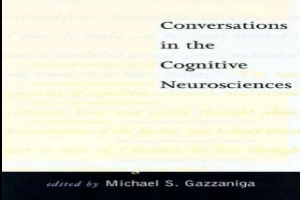
Conversations in the Cognitive Neurosciences book pdf download

Section : General Medicine
Department : Medicine
Language : English
book quality : Good
Date of Coming : 2022-08-10
Size of file : 8.38MB
Auther : Michael Gazzaniga
Number of Pages : 183

Author: Michael Gazzaniga

About the Author: Michael S. Gazzaniga (born December 12, 1939) is a professor of psychology at the University of California, Santa Barbara in the USA, where he heads the new SAGE Center for the Study of the Mind. He is one of the leading researchers in cognitive neuroscience, the study of the neural basis of mind. He is a member of the American Academy of Arts & Sciences, the Institute of Medicine, and the National Academy of Sciences.

Conversations in the Cognitive Neurosciences book pdf download By Michael Gazzaniga

“All too frequently, the book does not measure up to the movie, the novel lacks the punch of the serialized chapters, and the entire antholoy is a pale reflection of the most arresting short stories. Conversations in the Cognitive Neurosciences is a happy exception. Michael Gazzaniga has integrated a series of interviews with leading brain and mind scientists. The result is a thematically coherent whole that is rich in substance and style. Using focused but open-ended questions to engage thoughtful, articulate practitioners, Gazzaniga elicits a rich mix of historical perspective and cutting-edge science. Each of the interviews provides wonderfully personal and insightful accounts of cognitive neuroscience and the relationship of mind and brain.” — Ira B. Black, MD, UMDNJ-Robert Wood Johnson Medical School Conversations in the Cognitive Neurosciences is a brief, informative yet informal guide to recent developments in the cognitive neurosciences by the scientists who are in the thick of things. “Getting a fix on important questions and how to think about them from an experimental point of view is what scientists talk about, sometimes endlessly. It is those conversations that thrill and motivate,” observes Michael Gazzaniga. Yet all too often these exciting interactions are lost to students, researchers, and others who are “doing” science. Conversations in the Cognitive Neurosciences brings together a series of interviews with prominent individuals in neuroscience, linguistics, philosophy, and psychology that have appeared over the past few years in the Journal of Cognitive Neuroscience . The ten interviews are divided into five sections: basic neuroscience approaches to cognition ( Floyd Bloom and Mark Raichle ), attentional and perceptual processes ( Michael I. Posner and William T. Newsome ), neural basis of memory ( Randy Gallistel and Endel Tulving ), language ( Steven Pinker and Alfonso Caramazza ), and imagery and consciousness ( Stephen M. Kosslyn and Daniel C. Dennett ). A Bradford Book

Download PDF of Conversations in the Cognitive Neurosciences book pdf download By Michael Gazzaniga
-Adrian Agency Library

Download Now

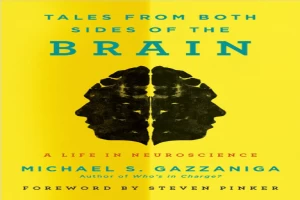
Tales from Both Sides of the Brain: A Life in Neuroscience book pdf download

Department : Medicine
Language : English
Size of file : 9.86MB
Number of Pages : 286
book quality : Good
Auther : Michael Gazzaniga
Section : General Medicine
Date of Coming : 2022-08-10

Author: Michael Gazzaniga

About the Author: Michael S. Gazzaniga (born December 12, 1939) is a professor of psychology at the University of California, Santa Barbara in the USA, where he heads the new SAGE Center for the Study of the Mind. He is one of the leading researchers in cognitive neuroscience, the study of the neural basis of mind. He is a member of the American Academy of Arts & Sciences, the Institute of Medicine, and the National Academy of Sciences.

Tales from Both Sides of the Brain: A Life in Neuroscience book pdf download By Michael Gazzaniga

Michael S. Gazzaniga, one of the most important neuroscientists of the twentieth century, gives us an exciting behind-the-scenes look at his seminal work on that unlikely couple, the right and left brain. Foreword by Steven Pinker. In the mid-twentieth century, Michael S. Gazzaniga, “the father of cognitive neuroscience,” was part of a team of pioneering neuroscientists who developed the now foundational split-brain brain theory: the notion that the right and left hemispheres of the brain can act independently from one another and have different strengths. In Tales from Both Sides of the Brain, Gazzaniga tells the impassioned story of his life in science and his decades-long journey to understand how the separate spheres of our brains communicate and miscommunicate with their separate agendas. By turns humorous and moving, Tales from Both Sides of the Brain interweaves Gazzaniga’s scientific achievements with his reflections on the challenges and thrills of working as a scientist. In his engaging and accessible style, he paints a vivid portrait not only of his discovery of split-brain theory, but also of his comrades in arms—the many patients, friends, and family who have accompanied him on this wild ride of intellectual discovery.

Download PDF of Tales from Both Sides of the Brain: A Life in Neuroscience book pdf download By Michael Gazzaniga
-Adrian Agency Library
Download Now

双脑记:认知神经科学之父加扎尼加自传 book pdf download

Auther : Michael Gazzaniga
Section : General Medicine
book quality : Good
Number of Pages : 492
Date of Coming : 2022-08-10
Department : Medicine
Language : Chinese
Size of file : 6.53MB

Author: Michael Gazzaniga

About the Author: Michael S. Gazzaniga (born December 12, 1939) is a professor of psychology at the University of California, Santa Barbara in the USA, where he heads the new SAGE Center for the Study of the Mind. He is one of the leading researchers in cognitive neuroscience, the study of the neural basis of mind. He is a member of the American Academy of Arts & Sciences, the Institute of Medicine, and the National Academy of Sciences.

双脑记:认知神经科学之父加扎尼加自传 book pdf download By Michael Gazzaniga

迈克尔·加扎尼加 Michael S.Gazzaniga,当代伟大的思想家、认知神经科学之父,美国国家科学院院士、美国艺术与科学学院院士,美国前总统小布什智囊团成员。现任美国加州大学圣巴巴拉分校圣哲研究中心主任,认知神经科学研究所的负责人。揭秘左右脑分工模式,让“左脑”“右脑”成为日常用语,让脑科学 进入普通人的视野。 联姻生物学与心理学,开创认知神经科学领域。著有《谁说了算?》、《人类》、《社会性大脑:发现心智的网络》、《认知神经科学》、《自然界的心智:思维、情绪、性别、语言以及智能的生物学根源》等书。纽约时报赞誉:“加扎尼加之于脑科学研究,堪比斯蒂芬·霍金之于宇宙论”。

Download PDF of 双脑记:认知神经科学之父加扎尼加自传 book pdf download By Michael Gazzaniga
-Adrian Agency Library

Download Now

The Consciousness Instinct: Unraveling the Mystery of How the Brain Makes the Mind book pdf download

Number of Pages : 249
Date of Coming : 2022-08-10
Size of file : 1.53MB
Section : General Medicine
Language : English
Department : Medicine
Auther : Michael Gazzaniga
book quality : Good

Author: Michael Gazzaniga

About the Author: Michael S. Gazzaniga (born December 12, 1939) is a professor of psychology at the University of California, Santa Barbara in the USA, where he heads the new SAGE Center for the Study of the Mind. He is one of the leading researchers in cognitive neuroscience, the study of the neural basis of mind. He is a member of the American Academy of Arts & Sciences, the Institute of Medicine, and the National Academy of Sciences.

The Consciousness Instinct: Unraveling the Mystery of How the Brain Makes the Mind book pdf download By Michael Gazzaniga

“The father of cognitive neuroscience” illuminates the past, present, and future of the mind-brain problem How do neurons turn into minds? How does physical “stuff”―atoms, molecules, chemicals, and cells―create the vivid and various worlds inside our heads? The problem of consciousness has gnawed at us for millennia. In the last century there have been massive breakthroughs that have rewritten the science of the brain, and yet the puzzles faced by the ancient Greeks are still present. In The Consciousness Instinct, the neuroscience pioneer Michael S. Gazzaniga puts the latest research in conversation with the history of human thinking about the mind, giving a big-picture view of what science has revealed about consciousness. The idea of the brain as a machine, first proposed centuries ago, has led to assumptions about the relationship between mind and brain that dog scientists and philosophers to this day. Gazzaniga asserts that this model has it backward―brains make machines, but they cannot be reduced to one. New research suggests the brain is actually a confederation of independent modules working together. Understanding how consciousness could emanate from such an organization will help define the future of brain science and artificial intelligence, and close the gap between brain and mind. Captivating and accessible, with insights drawn from a lifetime at the forefront of the field, The Consciousness Instinct sets the course for the neuroscience of tomorrow.

Download PDF of The Consciousness Instinct: Unraveling the Mystery of How the Brain Makes the Mind book pdf download By Michael Gazzaniga
-Adrian Agency Library
Download Now

Handbook of Cognitive Neuroscience book pdf download

Number of Pages : 413
Department : Medicine
Section : General Medicine
Size of file : 45.0MB
Auther : Michael Gazzaniga
book quality : Good
Language : English
Date of Coming : 2022-08-10

Author: Michael Gazzaniga

About the Author: Michael S. Gazzaniga (born December 12, 1939) is a professor of psychology at the University of California, Santa Barbara in the USA, where he heads the new SAGE Center for the Study of the Mind. He is one of the leading researchers in cognitive neuroscience, the study of the neural basis of mind. He is a member of the American Academy of Arts & Sciences, the Institute of Medicine, and the National Academy of Sciences.

Handbook of Cognitive Neuroscience book pdf download By Michael Gazzaniga

Cognitive neuroscience has grown into a rich and complex discipline, some 35 years after the term was coined. Given the great expanse of the field, an inclusive and authoritative resource such as this handbook is needed for examining the current state-of-the-science in cognitive neuroscience.

Download PDF of Handbook of Cognitive Neuroscience book pdf download By Michael Gazzaniga
-Adrian Agency Library

Download Now

Cellular and Molecular Immunology book pdf download

book quality : Good
Auther : Abul K. Abbas
Size of file : 29.0MB
Section : General Medicine
Date of Coming : 2022-08-10
Language : English
Department : Medicine
Number of Pages : 50

Author: Abul K. Abbas

About the Author: Dr. Abul K. Abbas, an Elsevier Author, is a professor and the Chair of the Department of Pathology at the University of California, having spent 22 years teaching at Harvard Medical School and Brigham and Women’s Hospital.

Cellular and Molecular Immunology book pdf download By Abul K. Abbas

Well-written, readable, and superbly illustrated, Cellular and Molecular Immunology, 10th Edition, continues the tradition of excellence established through multiple editions of this bestselling text. Offering an unparalleled introduction to this complex field, it retains a practical, clinical focus while updating and revising all content to ensure clarity and comprehension, bringing readers fully up to date with new and emerging information in this challenging area. It’s an ideal resource for medical, graduate, and undergraduate students, as well as a trusted reference for physicians and scientists. Highlights the implications of immunologic science for the management of human disease, emphasizing clinical relevance throughout. Employs a highly accessible writing style that makes difficult concepts easier to understand, and provides clear implications of immunologic science to the management of human disease and clinical practice. Features updates from cover to cover, including new information on intracellular sensors of innate immunity, therapeutic use of monoclonal antibodies, regulation of migration events during T cell-B cell interactions, regulatory and transcriptional events in germinal center formation, immunology of infectious diseases including coronaviruses, human immunodeficiency disorders, and immunology of HIV. Provides a highly visual, full-color description of the key immunologic and molecular processes with a fully updated, comprehensive, and consistent art program, including many new and extensively revised illustrations. Helps readers grasp the details of experimental observations that form the basis for the science of immunology at the molecular, cellular, and whole-organism levels and draw the appropriate conclusions. Includes summary boxes that assist with rapid review and mastery of key material. Enhanced eBook version included with purchase. Your enhanced eBook allows you to access multiple-choice questions that correspond to each chapter, plus all of the text, figures, and references from the book on a variety of devices.

Download PDF of Cellular and Molecular Immunology book pdf download By Abul K. Abbas
-Adrian Agency Library

Download Now

Basic Immunology Functions and Disorders of the Immune System book pdf download

Language : English
Section : General Medicine
Date of Coming : 2022-08-10
book quality : Good
Auther : Abul K. Abbas
Department : Medicine
Size of file : 23.5MB
Number of Pages : 321

Author: Abul K. Abbas

About the Author: Dr. Abul K. Abbas, an Elsevier Author, is a professor and the Chair of the Department of Pathology at the University of California, having spent 22 years teaching at Harvard Medical School and Brigham and Women’s Hospital.

Basic Immunology Functions and Disorders of the Immune System book pdf download By Abul K. Abbas

Meticulously reviewed and updated for today’s medical students, Basic Immunology, 6th Edition, is a concise text expertly written by the same distinguished author team as the best-selling, comprehensive text, Cellular and Molecular Immunology. This focused, easy-to-understand volume uses full-color illustrations and clinical images, useful tables, and practical features such as Summary Point boxes, end-of-chapter review questions, glossary terms, and clinical cases—all designed to help students master this complex topic in the most efficient, effective manner possible. Emphasizes clinical aspects of immunology, including disease pathogenesis, the development of novel therapies based on basic science, and an appendix of clinical cases for real-world application. Provides top-notch instruction from experienced teachers, course directors, and lecturers led by well-known editor and author Dr. Abul Abbas. Features a highly readable writing style and practical organization, now with fully revised content and updated images to reflect recent important advances in today’s understanding of the immune system. Presents information in a format and style that maximizes usefulness to students and teachers studying medicine, allied health fields, and biology. Contains numerous features designed to help students understand key immunologic concepts: high-quality illustrations, practical tables, chapter outlines, bolded key points, and focus questions in every chapter for self-assessment and review.

Download PDF of Basic Immunology Functions and Disorders of the Immune System book pdf download By Abul K. Abbas
-Adrian Agency Library

Download Now