
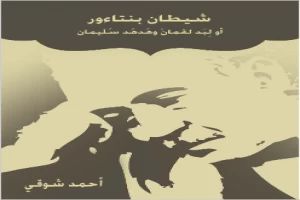
| Auther | : Ahmad Shawqi |
| Department | : literature |
| Section | : literature |
| Language | : Arabic |
| Size of file | : 0.65MB |
| book quality | : Good |
| Date of Coming | : 2022-08-10 |
| Number of Pages | : 114 |
Author: Ahmad Shawqi
About the Author: Ahmed Shawky: An Egyptian poet, considered one of the greatest Arab poets in various eras. Writers and poets of his time pledged allegiance to him over the emirate of poetry, so he was called the “Prince of Poets”. He had a unique poetic talent, and a fluid pen. He did not find any trouble in composing poetry, as meanings always flowed to him like a flowing river. That is why he was one of the most fertile Arab poets, and his poetic output reached what almost no ancient or modern Arab poet had reached him, as the number of verses of his poetry exceeded twenty-three thousand and five hundred. Ahmed Shawqi Ali was born in the Hanafi district of Cairo in 1868 AD, to a Circassian father and a mother of Greek origins, but he was raised and raised by his maternal grandmother who worked as a maid in the Khedive Ismail Palace. Shawqi, at the age of four, entered the book, where he memorized a portion of the Qur’an, and then moved to complete his primary education. The boy showed a fondness for poetry in his childhood, which made him dedicate himself to poets’ collections, so he memorized and extracted from it as much as he could. When he completed fifteen years of age, he joined the translation department, which Recently established at the School of Law, he then traveled to France to complete his legal studies, and despite his presence in Paris at the time, he showed only a limited influence on French culture, as he was not impressed by French poets such as: Rimbaud, Baudelaire, and Verlaine. His heart remained attached to the Arab poets, on top of them Al-Mutanabbi. Ahmed Shawky is considered one of the founders of the School of Revival and Resurrection of Poetry, along with: Mahmoud Sami Al-Baroudi, Hafez Ibrahim, Ali Al-Jarm, and Ahmed Muharram. The poets of this school adhered to the systems of Arabic poetry according to the approach of the ancients, especially the period between the pre-Islamic and Abbasid eras. Shawqi organized poetry with all its purposes: praise, lamentation, flirtation, description, and wisdom. Writers and poets pledged allegiance to Ahmed Shawky as their emir in a ceremony held in Cairo in 1927 AD, and the man remained admired and appreciated not only among the elite among the intellectuals and writers, but from the general public as well. general.
شيطان بنتاءور: أو لِبَد لقمانْ وهُدهُد سُلَيمان book pdf download By Ahmad Shawqi
تركَ أميرُ الشعراءِ العِنانَ لخيالِه، ليَرويَ لنا حكايةً نَثريةً مُشوِّقةً تَدورُ بين ذاتِه متمثِّلةً في «هدهد سليمان»، وبين «بنتاءور» شاعرِ الفراعنةِ متمثِّلًا في «لُبَدِ لُقمان». من الممكنِ أن تَتلاقى الأفكارُ على الرغمِ من اختلافِ الأزمنة، مثلما حدثَ مع أميرِ الشعراءِ «أحمد شوقي» وشاعرِ «رمسيس الأكبر» «بنتاءور»؛ فربطَ «شوقي» بين حُبِّه للفراعنةِ ومهارتِه في الشِّعر، وسردَ مَقاماتٍ تدورُ بين «لُبَدِ لُقمان» النَّسرِ المُعمِّرِ و«هدهد سليمان»، فأخذَ النَّسرُ الهُدهدَ في رحلةٍ ليُريَه «مصر» كيف كانت؛ فأذهلَ الهدهدَ تغيُّرُ الأوضاعِ وما آلَت إليه الأيام، ومِن هنا أخذَ «شوقي» يَعقدُ المُقارَناتِ على لسانِ الهُدهدِ بين أحوالِ «مصر» من زمنِ «الملك رمسيس» إلى القرنِ العشرين، بدايةً من الشِّعرِ والأدبِ إلى جغرافيةِ المكانِ وأحداثِ الزمان؛ كلُّ ذلك وأكثرُ في سلسلةٍ من الحِواراتِ المُمتعةِ بين شاعرِ مِصرَ القديمةِ وشاعرِ مِصرَ الحديثةِ في «شيطان بنتاءور».
Download PDF of شيطان بنتاءور: أو لِبَد لقمانْ وهُدهُد سُلَيمان book pdf download By Ahmad Shawqi
-Adrian Agency Library

No comment yet, add your voice below!